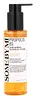
This foaming makeup remover is made to dissolve makeup, sunscreen, and daily buildup.
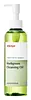
This oil-based makeup remover is made to dissolve makeup, sunscreen, and daily buildup.

What's inside
What's inside
 Key Ingredients
Benefits
Concerns
Ingredients Side-by-side
Honey
Humectant
Royal Jelly Extract
Skin Conditioning
Ceramide NP
Skin Conditioning




Vitis Vinifera Seed Oil
Emollient


Saponaria Officinalis Leaf Extract
AntimicrobialQuillaja Saponaria Bark Extract
CleansingSapindus Mukorossi Fruit Extract
Skin ConditioningOlea Europaea Leaf Extract
Perfuming
Oenothera Biennis Oil
Emollient

Lactobacillus/Soybean Ferment Extract
Skin ConditioningPortulaca Oleracea Extract
Skin Conditioning
Cinnamomum Cassia Bark Extract
Masking
Scutellaria Baicalensis Root Extract
Astringent
Origanum Vulgare Leaf Extract
Skin ConditioningChamaecyparis Obtusa Leaf Extract
Skin ConditioningSalix Alba Bark Extract
Astringent

Glycolipids
Skin ConditioningPhytosphingosine
Skin Conditioning
Sodium Cocoyl Glycinate
Cleansing
Sodium Cocoyl Apple Amino Acids
Foam Boosting
Potassium Cocoyl Hydrolyzed Oat Protein
Skin Conditioning
Babassuamidopropyl Betaine
CleansingCoco-Glucoside
Cleansing
Potassium Stearate
CleansingPotassium Myristate
EmulsifyingTromethamine
BufferingSodium Surfactin
CleansingGlyceryl Laurate
Emollient
Hydrogenated Lecithin
Emulsifying
Erythritol
Humectant
Caprylic/Capric Triglyceride
Masking
Butylene Glycol
Humectant
Dipropylene Glycol
HumectantC12-15 Alkyl Benzoate
AntimicrobialCaprylyl Glycol
Emollient
Hexylene Glycol
EmulsifyingEthylhexylglycerin
Skin ConditioningGlyceryl Caprylate
EmollientSodium Benzoate
Masking
Pentylene Glycol
Skin Conditioning
CI 17200
Cosmetic ColorantCI 19140
Cosmetic ColorantTetrasodium Glutamate Diacetate
ChelatingDisodium EDTA
ChelatingParfum
Masking

Honey, Royal Jelly Extract, Ceramide NP, Vitis Vinifera Seed Oil, Saponaria Officinalis Leaf Extract, Quillaja Saponaria Bark Extract, Sapindus Mukorossi Fruit Extract, Olea Europaea Leaf Extract, Oenothera Biennis Oil, Lactobacillus/Soybean Ferment Extract, Portulaca Oleracea Extract, Cinnamomum Cassia Bark Extract, Scutellaria Baicalensis Root Extract, Origanum Vulgare Leaf Extract, Chamaecyparis Obtusa Leaf Extract, Salix Alba Bark Extract, Glycolipids, Phytosphingosine, Sodium Cocoyl Glycinate, Sodium Cocoyl Apple Amino Acids, Potassium Cocoyl Hydrolyzed Oat Protein, Babassuamidopropyl Betaine, Coco-Glucoside, Potassium Stearate, Potassium Myristate, Tromethamine, Sodium Surfactin, Glyceryl Laurate, Hydrogenated Lecithin, Erythritol, Caprylic/Capric Triglyceride, Butylene Glycol, Dipropylene Glycol, C12-15 Alkyl Benzoate, Caprylyl Glycol, Hexylene Glycol, Ethylhexylglycerin, Glyceryl Caprylate, Sodium Benzoate, Pentylene Glycol, CI 17200, CI 19140, Tetrasodium Glutamate Diacetate, Disodium EDTA, Parfum
Glycine Soja Oil
Emollient
Sorbeth-30 Tetraoleate
Emulsifying
Isoamyl Laurate
Emollient
Caprylic/Capric Triglyceride
Masking
Camellia Sinensis Leaf Oil
Antioxidant
Olea Europaea Fruit Oil
Masking
Vitis Vinifera Seed Oil
Emollient
Artemisia Vulgaris Oil
Perfuming
Salvia Officinalis Oil
Masking
Simmondsia Chinensis Seed Oil
Emollient
Glyceryl Caprylate
EmollientPrunus Amygdalus Dulcis Oil
Skin Conditioning
Moringa Oleifera Seed Oil
Emollient
Melaleuca Alternifolia Leaf Oil
Antioxidant
Eucalyptus Globulus Leaf Oil
Perfuming
Rosmarinus Officinalis Leaf Oil
Masking
Lavandula Angustifolia Oil
Masking
Tocopherol
Antioxidant

Camellia Sinensis Leaf Extract
Antimicrobial
Camellia Sinensis Leaf Water
Masking
Artemisia Vulgaris Extract
Skin Conditioning
Carica Papaya Fruit Extract
Skin ConditioningPogostemon Cablin Leaf Oil
Masking
Olibanum
MaskingGlycine Soja Oil, Sorbeth-30 Tetraoleate, Isoamyl Laurate, Caprylic/Capric Triglyceride, Camellia Sinensis Leaf Oil, Olea Europaea Fruit Oil, Vitis Vinifera Seed Oil, Artemisia Vulgaris Oil, Salvia Officinalis Oil, Simmondsia Chinensis Seed Oil, Glyceryl Caprylate, Prunus Amygdalus Dulcis Oil, Moringa Oleifera Seed Oil, Melaleuca Alternifolia Leaf Oil, Eucalyptus Globulus Leaf Oil, Rosmarinus Officinalis Leaf Oil, Lavandula Angustifolia Oil, Tocopherol, Camellia Sinensis Leaf Extract, Camellia Sinensis Leaf Water, Artemisia Vulgaris Extract, Carica Papaya Fruit Extract, Pogostemon Cablin Leaf Oil, Olibanum
Reviews
Ingredients Explained
These ingredients are found in both products.
Ingredients higher up in an ingredient list are typically present in a larger amount.
Caprylic/Capric Triglyceride (aka MCT Oil) is a lightweight emollient, solvent, and texture enhancer. It is considered a skin-softener by helping to prevent moisture loss.
Though it behaves like an oil, it is not technically one due to its chemical composition. One perk of this ingredient is that it is very stable, resistant to oxidation, and unlikely to go rancid.
In practice, that translates to a long shelf life and a consistently elegant skin feel.
While there is an assumption Caprylic Triglyceride can clog pores due to it being derived from coconut oil, there is no research supporting this. Just patch test if you have concerns.
Fractionated coconut oil and MCT Oil are both listed as Caprylic/Capric Triglyceride according to INCI. This is because INCI names are based on the ingredient’s final chemical composition and not its marketing name or source.
This ingredient is treated as the gold standard fungal acne safe oil. Even though it is coconut derived, the problematic lauric acid is stripped out.
This leaves just caprylic (C8) and capric (C10) acid. These chain lengths actually trend antifungal; a 2020 study found caprylic acid was enough to disrupt Malassezia furfur cell membrane, with a caprylic acid derivative damaging membrane structures at concentrations as low as 0.2%.
Learn more about Caprylic/Capric TriglycerideGlyceryl Caprylate comes from glycerin and caprylic acid. It is an emollient, co-emulsifier, and preservative booster.
Its short C8 fatty acid chain makes it behave differently from its longer-chain emollient cousins like Glyceryl Stearate. It feels more lightweight, fast-absorbing, and silky instead of rich and waxy.
As a co-emulsifier, its "head" and "tail" sit at the oil-water interface. But overall, the short C8 tail and not being water soluble means it doesn't really have the muscle to emulsify a formula on its own. That's why you'll often see it paired with a primary emulsifier like Cetearyl Glucoside.
Interestingly, Glyceryl Caprylate acts as a preservative booster. This is because its fatty-acid backbone disrupts microbial lipid membranes. It shows excellent activity against bacteria and yeast but is weaker against mold.
Typical concentrations range from 0.5-1% and this ingredient is generally non-irritating.
Because this ingredient has a C8 fatty acid chain, it is outside the range that the Malassezia yeast metabolizes (making it fungal acne safe).
Learn more about Glyceryl CaprylateVitis Vinifera Seed Oil comes from the grape vine. Grape seeds are a byproduct of creating grape juice or wine.
The components of grape seeds have many skin benefits. Research has found it to be antimicrobial and anti-inflammatory. It also contains many potent antioxidants such as Vitamin E , Vitamin C, proanthocyanidins, polyphenols, flavonoids, and anthocyanins. Proanthocyanidin has been shown to help even out skin tone.
Antioxidants help fight free-radical molecules. Free-radical molecules are capable of damaging our cells and other genetic material. Antioxidants help stabilize free-radicals by donating extra electrons. Grape seed extract may help reduce the signs of aging.
The antimicrobial properties of grape seed may help treat acne. However, more research is needed to support this claim.
Grape seed has also been found to help absorb UV rays. Grape seed extract should not replace your sunscreen.
The fatty acids of grape seed oil give it emollient properties. Emollients help soothe and soften your skin by creating a film. This film traps moisture within, keeping your skin hydrated.
Learn more about Vitis Vinifera Seed Oil

