
What's inside
What's inside
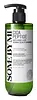 Key Ingredients
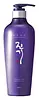
Benefits
Concerns
Ingredients Side-by-side
Water
Skin ConditioningCocamidopropyl Betaine
Cleansing



Tea-Cocoyl Glutamate
Cleansing
Sodium Lauroyl Methylaminopropionate
CleansingDisodium Laureth Sulfosuccinate
CleansingCocamide Mea
Emulsifying
Sodium Chloride
MaskingParfum
Masking

Polyquaternium-10
Caprylyl Glycol
Emollient
Hydroxyacetophenone
Antioxidant
PPG-3 Myristyl Ether
EmollientPanthenol
Skin Conditioning




Salicylic Acid
Masking







Menthol
Masking
Citric Acid
Buffering
Niacinamide
Smoothing


Sodium Benzoate
Masking
Pentasodium Pentetate
ChelatingButylene Glycol
Humectant
Gluconolactone
Chelating
Aminomethyl Propanol
Buffering1,2-Hexanediol
Skin Conditioning
Biotin
AntiseborrhoeicMentha Piperita Leaf Extract
Skin ConditioningMentha Viridis Extract
MaskingLeonurus Sibiricus Flower/Leaf/Stem Extract
SoothingNelumbo Nucifera Flower Extract
Skin ConditioningHouttuynia Cordata Extract
Skin Conditioning
Artemisia Vulgaris Extract
Skin Conditioning
Camellia Sinensis Leaf Extract
Antimicrobial
Mentha Rotundifolia Leaf Extract
TonicCentella Asiatica Extract
Cleansing
Ethylhexylglycerin
Skin ConditioningHydrolyzed Corn Protein
Skin ConditioningHydrolyzed Soy Protein
Humectant
Hydrolyzed Wheat Protein
Skin ConditioningHexapeptide-9
Skin Conditioning
Palmitoyl Pentapeptide-4
Skin Conditioning
Palmitoyl Tripeptide-5
Skin Conditioning
Palmitoyl Tripeptide-1
Skin Conditioning
Palmitoyl Tetrapeptide-7
Skin Conditioning
Palmitoyl Oligopeptide
Cleansing
Tripeptide-1
Skin Conditioning
Copper Tripeptide-1
Skin Conditioning
Asiatic Acid
Skin Conditioning
Asiaticoside
Antioxidant
Acetyl Hexapeptide-8
Humectant
Acetyl Tetrapeptide-2
Skin Conditioning
Madecassic Acid
Skin Conditioning
Madecassoside
Antioxidant
Nonapeptide-1
Skin Conditioning
Water, Cocamidopropyl Betaine, Tea-Cocoyl Glutamate, Sodium Lauroyl Methylaminopropionate, Disodium Laureth Sulfosuccinate, Cocamide Mea, Sodium Chloride, Parfum, Polyquaternium-10, Caprylyl Glycol, Hydroxyacetophenone, PPG-3 Myristyl Ether, Panthenol, Salicylic Acid, Menthol, Citric Acid, Niacinamide, Sodium Benzoate, Pentasodium Pentetate, Butylene Glycol, Gluconolactone, Aminomethyl Propanol, 1,2-Hexanediol, Biotin, Mentha Piperita Leaf Extract, Mentha Viridis Extract, Leonurus Sibiricus Flower/Leaf/Stem Extract, Nelumbo Nucifera Flower Extract, Houttuynia Cordata Extract, Artemisia Vulgaris Extract, Camellia Sinensis Leaf Extract, Mentha Rotundifolia Leaf Extract, Centella Asiatica Extract, Ethylhexylglycerin, Hydrolyzed Corn Protein, Hydrolyzed Soy Protein, Hydrolyzed Wheat Protein, Hexapeptide-9, Palmitoyl Pentapeptide-4, Palmitoyl Tripeptide-5, Palmitoyl Tripeptide-1, Palmitoyl Tetrapeptide-7, Palmitoyl Oligopeptide, Tripeptide-1, Copper Tripeptide-1, Asiatic Acid, Asiaticoside, Acetyl Hexapeptide-8, Acetyl Tetrapeptide-2, Madecassic Acid, Madecassoside, Nonapeptide-1
Water
Skin ConditioningChrysanthemum Boreale Flower/Leaf/Stem Extract
Skin ConditioningSodium Laureth Sulfate
Cleansing
Sodium Lauryl Sulfate
Cleansing
Rehmannia Glutinosa Root Extract
Skin ConditioningThuja Orientalis Leaf Extract
Antioxidant
Artemisia Vulgaris Extract
Skin Conditioning
Cocamidopropyl Betaine
Cleansing
Dimethicone
Emollient
Gleditsia Japonica Fruit Extract
Skin ConditioningMorus Alba Bark Extract
Skin ConditioningEclipta Prostrata Extract
Skin Conditioning
PEG-7 Glyceryl Cocoate
Emulsifying
Acorus Calamus Rhizome Water
Skin ConditioningParfum
Masking
Cnidium Officinale Root Extract
Skin ConditioningCocamide Mea
Emulsifying
Decylene Glycol
Skin ConditioningSodium Chloride
MaskingCarbomer
Emulsion StabilisingSodium Cocoyl Alaninate
Surfactant
Triethanolamine
BufferingPEG-10
HumectantGuar Hydroxypropyltrimonium Chloride
Skin ConditioningPropylene Glycol
Humectant
Menthol
Masking
Hydroxyacetophenone
Antioxidant
Lactobacillus/Centella Asiatica/Gleditsia Sinensis Thorn/Houttuynia Cordata Extract/Phellodendron Amurense Bark/Polygonum Cuspidatum Root/Prunella Vulgaris/Torilis Japonica Extract Ferment Filtrate
Skin ConditioningPanax Ginseng Root Extract
Emollient
Disodium EDTA
ChelatingPanthenol
Skin Conditioning
Butylene Glycol
Humectant
Citric Acid
Buffering
Lauramine Oxide
CleansingOak Vinegar
Skin ConditioningHydrolyzed Keratin
Humectant
Portulaca Oleracea Extract
Skin Conditioning
1,2-Hexanediol
Skin Conditioning
Sodium Benzoate
Masking
Phenoxyethanol
Preservative
Linalool
Perfuming
Alpha-Isomethyl Ionone
Perfuming
Limonene
Perfuming
Hexyl Cinnamal
Perfuming
Citronellol
Perfuming
Water, Chrysanthemum Boreale Flower/Leaf/Stem Extract, Sodium Laureth Sulfate, Sodium Lauryl Sulfate, Rehmannia Glutinosa Root Extract, Thuja Orientalis Leaf Extract, Artemisia Vulgaris Extract, Cocamidopropyl Betaine, Dimethicone, Gleditsia Japonica Fruit Extract, Morus Alba Bark Extract, Eclipta Prostrata Extract, PEG-7 Glyceryl Cocoate, Acorus Calamus Rhizome Water, Parfum, Cnidium Officinale Root Extract, Cocamide Mea, Decylene Glycol, Sodium Chloride, Carbomer, Sodium Cocoyl Alaninate, Triethanolamine, PEG-10, Guar Hydroxypropyltrimonium Chloride, Propylene Glycol, Menthol, Hydroxyacetophenone, Lactobacillus/Centella Asiatica/Gleditsia Sinensis Thorn/Houttuynia Cordata Extract/Phellodendron Amurense Bark/Polygonum Cuspidatum Root/Prunella Vulgaris/Torilis Japonica Extract Ferment Filtrate, Panax Ginseng Root Extract, Disodium EDTA, Panthenol, Butylene Glycol, Citric Acid, Lauramine Oxide, Oak Vinegar, Hydrolyzed Keratin, Portulaca Oleracea Extract, 1,2-Hexanediol, Sodium Benzoate, Phenoxyethanol, Linalool, Alpha-Isomethyl Ionone, Limonene, Hexyl Cinnamal, Citronellol
Reviews
Ingredients Explained
These ingredients are found in both products.
Ingredients higher up in an ingredient list are typically present in a larger amount.
1,2-Hexanediol is a synthetic liquid and another multi-functional powerhouse.
It is a:
- Humectant, drawing moisture into the skin
- Emollient, helping to soften skin
- Solvent, dispersing and stabilizing formulas
- Preservative booster, enhancing the antimicrobial activity of other preservatives
Artemisia Vulgaris Extract is more commonly known as the common mugwort. It has strong antioxidant properties and helps soothe irritation.
Antioxidants protect skin from damage and the signs of aging.
This plant contains the compounds saponins, glycosides, flavanoids, protein, triterpenoids.
The common wugwort has been used in traditional Indian, Chinese, and European medicines to treat gastrointestinal diseases.
Learn more about Artemisia Vulgaris ExtractButylene Glycol (or BG) is used within cosmetic products for a few different reasons:
Overall, Butylene Glycol is a safe and well-rounded ingredient that works well with other ingredients.
Though this ingredient works well with most skin types, some people with sensitive skin may experience a reaction such as allergic rashes, closed comedones, or itchiness.
Learn more about Butylene GlycolCitric Acid is an alpha hydroxy acid (AHA) naturally found in citrus fruits like oranges, lemons, and limes.
Like other AHAs, citric acid can exfoliate skin by breaking down the bonds that hold dead skin cells together. This helps reveal smoother and brighter skin underneath.
However, this exfoliating effect only happens at high concentrations (20%) which can be hard to find in cosmetic products.
Due to this, citric acid is usually included in small amounts as a pH adjuster. This helps keep products slightly more acidic and compatible with skin's natural pH.
In skincare formulas, citric acid can:
While it can provide some skin benefits, research shows lactic acid and glycolic acid are generally more effective and less irritating exfoliants.
Most citric acid used in skincare today is made by fermenting sugars (usually from molasses). This synthetic version is identical to the natural citrus form but easier to stabilize and use in formulations.
Rosacea skin has a lower threshold for acids generally, with 62.5% of rosacea subjects in one study reacting to lactic acid in a sting test. This is why we mark citric acid as a potential rosacea trigger.
However, this ingredient shows up as a pH adjuster or chelator at roughly 0.1-1% in many products. These low levels are unlikely to be an issue for rosacea skin and becomes a potential trigger at exfoliating concentrations (20%). Because everybody's skin is unique, we recommend a patch test if you are unsure.
Learn more about Citric AcidThis ingredient is made by combining the fatty acids from coconut oil with monoethanolamine. It is an emulsifier that helps boost foam, thicken texture, and help keep ingredients together in a formula.
Cocamidopropyl Betaine is a fatty acid created by mixing similar compounds in coconut oil and dimethylaminopropylamine, a compound with two amino groups.
This ingredient is a surfactant and cleanser. It helps gather the dirt, pollutants, and other impurities in your skin to be washed away. It also helps thicken a product and make the texture more creamy.
Being created from coconut oil means Cocamidopropyl Betaine is hydrating for the skin.
While Cocamidopropyl Betaine was believed to be an allergen, a study from 2012 disproved this. It found two compounds in unpure Cocamidopropyl Betaine to be the irritants: aminoamide and 3-dimethylaminopropylamine. High-grade and pure Cocamidopropyl Betaine did not induce allergic reactions during this study.
Learn more about Cocamidopropyl BetaineHydroxyacetophenone is a small phenolic molecule that earns its place in a formulas as an antioxidant and preservative booster.
As a phenol, it is able to neutralize free radicals to protect both the product and the skin from oxidative stress.
Though it can't kill microbes on its own, it works as a good supporting agent when combined with other preservatives like Phenoxyethanol or 1,2-Hexanediol.
This ingredient naturally occurs as piceol in Norwegian spruce needles (~0.4-1.1% dry weight and in cloudberries). Though the cosmetic-grade material is synthesized for purity and consistency.
You'll usually see it used at low levels and suppliers recommend up to 1% added to a water phase.
Safety testing was done at concentrations like 0.05% in SPF products and 0.5% in a Human Repeated Insult Patch Test. The safety evidence is assuring; this ingredient is safe for cosmetics in current use and also holds safety status as a food flavoring as well.
An honest caveat: the "soothing" and "anti-inflammatory" claims come mostly from supplier marketing rather than published clinical trials. The Cosmetic Ingredient Review's own literature search found no useful efficacy studies on this ingredient.
So the antioxidant and preservative-boosting roles are the well supported ones while the calming benefit is plausible but thinly evidenced.
Overall, this is a well-tolerated, low-irritation multitasker that quietly helps a formula stay fresh and stable.
Learn more about HydroxyacetophenoneMenthol is a compound found in mint plants, such as peppermint. In its pure form, it is a clear crystalline substance.
Menthol is known for its cooling sensation; however, the cooling is actually from your skin being sensitized. Menthol can worsen rosacea. We recommend speaking with a professional if you have concerns.
Menthol also has antimicrobial properties.
Learn more about MentholPanthenol is a common ingredient that helps hydrate and soothe the skin. It is found naturally in our skin and hair.
There are two forms of panthenol: D and L.
D-panthenol is also known as dexpanthenol. Most cosmetics use dexpanthenol or a mixture of D and L-panthenol.
Panthenol is famous due to its ability to go deeper into the skin's layers. Using this ingredient has numerous pros (and no cons):
Like hyaluronic acid, panthenol is a humectant. Humectants are able to bind and hold large amounts of water to keep skin hydrated.
This ingredient works well for wound healing. It works by increasing tissue in the wound and helps close open wounds.
Once oxidized, panthenol converts to pantothenic acid. Panthothenic acid is found in all living cells.
This ingredient is also referred to as pro-vitamin B5.
Learn more about PanthenolParfum is a catch-all term for an ingredient or more that is used to give a scent to products.
Also called "fragrance", this ingredient can be a blend of hundreds of chemicals or plant oils. This means every product with "fragrance" or "parfum" in the ingredients list is a different mixture.
For instance, Habanolide is a proprietary trade name for a specific aroma chemical. When used as a fragrance ingredient in cosmetics, most aroma chemicals fall under the broad labeling category of “FRAGRANCE” or “PARFUM” according to EU and US regulations.
The term 'parfum' or 'fragrance' is not regulated in many countries. In many cases, it is up to the brand to define this term.
For instance, many brands choose to label themselves as "fragrance-free" because they are not using synthetic fragrances. However, their products may still contain ingredients such as essential oils that are considered a fragrance by INCI standards.
One example is Calendula flower extract. Calendula is an essential oil that still imparts a scent or 'fragrance'.
Depending on the blend, the ingredients in the mixture can cause allergies and sensitivities on the skin. Some ingredients that are known EU allergens include linalool and citronellol.
Parfum can also be used to mask or cover an unpleasant scent.
The bottom line is: not all fragrances/parfum/ingredients are created equally. If you are worried about fragrances, we recommend taking a closer look at an ingredient. And of course, we always recommend speaking with a professional.
Learn more about ParfumSodium Benzoate is a preservative. It's used in both cosmetic and food products to inhibit the growth of mold and bacteria. It is typically produced synthetically.
Both the US FDA and EU Health Committee have approved the use of sodium benzoate. In the US, levels of 0.1% (of the total product) are allowed.
Sodium benzoate works as a preservative by inhibiting the growth of bacteria inside of cells. It prevents the cell from fermenting a type of sugar using an enzyme called phosphofructokinase.
It is the salt of benzoic acid. Foods containing sodium benzoate include soda, salad dressings, condiments, fruit juices, wines, and snack foods.
Studies for using ascorbic acid and sodium benzoate in cosmetics are lacking, especially in skincare routines with multiple steps.
We always recommend speaking with a professional, such as a dermatologist, if you have any concerns.
Learn more about Sodium BenzoateChances are, you eat sodium chloride every day. Sodium Chloride is also known as table salt. This ingredient has many purposes in skincare: thickener, emulsifier, and exfoliator.
You'll most likely find this ingredient in cleansers where it is used to create a gel-like texture. As an emulsifier, it also prevents ingredients from separating.
You might see people debate whether Sodium Chloride is comedogenic, but there actually haven't been any comedogenic tests done on it. Either way, the overall formulation of a product matters a lot more than any single ingredient.
You might see this ingredient used in scrubs as a primary exfoliating ingredient.
Learn more about Sodium ChlorideWater. It's the most common cosmetic ingredient of all. You'll usually see it at the top of ingredient lists, meaning that it makes up the largest part of the product.
So why is it so popular? Water most often acts as a solvent - this means that it helps dissolve other ingredients into the formulation.
You'll also recognize water as that liquid we all need to stay alive. If you see this, drink a glass of water. Remember to stay hydrated!
Learn more about Water

