Smoochkins Low pH Salicylic Acid Renewing Gel Cleanser Versus SKIN1004 Madagascar Centella Poremizing Tinted Sun Cream SPF 50+
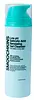
This salicylic acid gel cleanser is formulated around Salicylic Acid to clear breakouts and unclog pores.
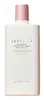
This hybrid sunscreen covers the full UV range and blocks ~98% of UVB at SPF 50.


What's inside
What's inside
 Key Ingredients
Benefits
Concerns
Ingredients Side-by-side
Water
Skin ConditioningCocamidopropyl Betaine
Cleansing



Cocamide DEA
Emulsifying
Salicylic Acid 2%
Masking







PEG-120 Methyl Glucose Dioleate
Emulsifying
Butylene Glycol
Humectant

Glycolic Acid
Buffering




Lactobacillus/Pear Juice Ferment Filtrate
Skin ConditioningO-Cymen-5-Ol
Antimicrobial
Phellodendron Amurense Bark Extract
Skin ConditioningSalix Alba Bark Extract
Astringent
Rehmannia Chinensis Root Extract
Skin ConditioningMelia Azadirachta Leaf Extract
Skin ConditioningScutellaria Baicalensis Root Extract
Astringent
Houttuynia Cordata Extract
Skin Conditioning
Glycine Soja Seed Extract
Skin Conditioning
Saccharide Isomerate
Humectant
Hydrogenated Phosphatidylcholine
Emulsifying
Glycerin
Humectant
Butyrospermum Parkii Butter
Skin Conditioning

Squalane
Emollient
Ceramide NP
Skin Conditioning
Allantoin
Skin Conditioning
Caprylic/Capric Triglyceride
Masking
Pentylene Glycol
Skin Conditioning
PEG-60 Hydrogenated Castor Oil
Emulsifying
Ethylhexylglycerin
Skin ConditioningGlyceryl Caprylate
EmollientSodium Hydroxide
BufferingCitric Acid
Buffering
Sodium Citrate
BufferingTetrasodium EDTA
ChelatingMethylchloroisothiazolinone
Preservative
Methylisothiazolinone
Preservative
Water, Cocamidopropyl Betaine, Cocamide DEA, Salicylic Acid 2%, PEG-120 Methyl Glucose Dioleate, Butylene Glycol, Glycolic Acid, Lactobacillus/Pear Juice Ferment Filtrate, O-Cymen-5-Ol, Phellodendron Amurense Bark Extract, Salix Alba Bark Extract, Rehmannia Chinensis Root Extract, Melia Azadirachta Leaf Extract, Scutellaria Baicalensis Root Extract, Houttuynia Cordata Extract, Glycine Soja Seed Extract, Saccharide Isomerate, Hydrogenated Phosphatidylcholine, Glycerin, Butyrospermum Parkii Butter, Squalane, Ceramide NP, Allantoin, Caprylic/Capric Triglyceride, Pentylene Glycol, PEG-60 Hydrogenated Castor Oil, Ethylhexylglycerin, Glyceryl Caprylate, Sodium Hydroxide, Citric Acid, Sodium Citrate, Tetrasodium EDTA, Methylchloroisothiazolinone, Methylisothiazolinone
Water
Skin ConditioningZinc Oxide
Cosmetic Colorant

Caprylyl Methicone
Skin Conditioning
Butyloctyl Salicylate
Skin Conditioning
C9-12 Alkane
SolventDipropylene Glycol
HumectantPropylheptyl Caprylate
EmollientPolyglyceryl-3 Polydimethylsiloxyethyl Dimethicone
Skin Conditioning
Niacinamide
Smoothing
Methyl Trimethicone
Skin Conditioning
Dicaprylyl Ether
Emollient
Titanium Dioxide
Cosmetic Colorant
C12-15 Alkyl Benzoate
AntimicrobialMethyl Methacrylate Crosspolymer
Vinyl Dimethicone/Methicone Silsesquioxane Crosspolymer
Disteardimonium Hectorite
StabilisingMagnesium Sulfate
Triethoxycaprylylsilane
Sodium Potassium Aluminum Silicate
1,2-Hexanediol
Skin Conditioning
Polyglyceryl-2 Dipolyhydroxystearate
Skin Conditioning
Lauryl Polyglyceryl-3 Polydimethylsiloxyethyl Dimethicone
Skin Conditioning
Dimethicone/Vinyl Dimethicone Crosspolymer
Skin Conditioning
Octyldodecanol
Emollient
Silica
Abrasive
Polyhydroxystearic Acid
Emulsifying
Dimethiconol
Emollient
Trisiloxane
Skin Conditioning
CI 77492
Cosmetic ColorantDibutyl Adipate
EmollientPoly C10-30 Alkyl Acrylate
Emulsion StabilisingCaprylyl Glycol
Emollient
Glyceryl Caprylate
EmollientNeopentyl Glycol Diethylhexanoate
Emollient
Ethylhexylglycerin
Skin ConditioningAluminum Hydroxide
EmollientCI 77491
Cosmetic ColorantAdenosine
Skin Conditioning
Echium Plantagineum Seed Oil
Skin Conditioning
Polymethyl Methacrylate
Helianthus Annuus Seed Oil Unsaponifiables
Emollient
CI 77499
Cosmetic ColorantTocopherol
Antioxidant

Cardiospermum Halicacabum Flower/Leaf/Vine Extract
Skin ConditioningCentella Asiatica Extract
Cleansing
Sea Salt
Abrasive
Saccharomyces Ferment Filtrate
Humectant
Propanediol
Solvent
Glycerin
Humectant
Aloe Barbadensis Leaf Extract
Emollient
Butylene Glycol
Humectant
Bombax Malabaricum Flower Extract
HumectantWater, Zinc Oxide, Caprylyl Methicone, Butyloctyl Salicylate, C9-12 Alkane, Dipropylene Glycol, Propylheptyl Caprylate, Polyglyceryl-3 Polydimethylsiloxyethyl Dimethicone, Niacinamide, Methyl Trimethicone, Dicaprylyl Ether, Titanium Dioxide, C12-15 Alkyl Benzoate, Methyl Methacrylate Crosspolymer, Vinyl Dimethicone/Methicone Silsesquioxane Crosspolymer, Disteardimonium Hectorite, Magnesium Sulfate, Triethoxycaprylylsilane, Sodium Potassium Aluminum Silicate, 1,2-Hexanediol, Polyglyceryl-2 Dipolyhydroxystearate, Lauryl Polyglyceryl-3 Polydimethylsiloxyethyl Dimethicone, Dimethicone/Vinyl Dimethicone Crosspolymer, Octyldodecanol, Silica, Polyhydroxystearic Acid, Dimethiconol, Trisiloxane, CI 77492, Dibutyl Adipate, Poly C10-30 Alkyl Acrylate, Caprylyl Glycol, Glyceryl Caprylate, Neopentyl Glycol Diethylhexanoate, Ethylhexylglycerin, Aluminum Hydroxide, CI 77491, Adenosine, Echium Plantagineum Seed Oil, Polymethyl Methacrylate, Helianthus Annuus Seed Oil Unsaponifiables, CI 77499, Tocopherol, Cardiospermum Halicacabum Flower/Leaf/Vine Extract, Centella Asiatica Extract, Sea Salt, Saccharomyces Ferment Filtrate, Propanediol, Glycerin, Aloe Barbadensis Leaf Extract, Butylene Glycol, Bombax Malabaricum Flower Extract
Reviews
Ingredients Explained
These ingredients are found in both products.
Ingredients higher up in an ingredient list are typically present in a larger amount.
Butylene Glycol (or BG) is used within cosmetic products for a few different reasons:
Overall, Butylene Glycol is a safe and well-rounded ingredient that works well with other ingredients.
Though this ingredient works well with most skin types, some people with sensitive skin may experience a reaction such as allergic rashes, closed comedones, or itchiness.
Learn more about Butylene GlycolEthylhexylglycerin is created from glycerin. It is a multitasker ingredient that:
The CIR Expert Panel found minimal skin absorption or sensitization of any kind in a safety assessment. Though this ingredient is considered well-tolerated, a small number of cases of allergic dermatitis have been published since 2002. Just be sure to patch test if you are unsure.
Industry-reported use ranges from 8% in rinse-off products and 2% in leave-on formulations.
Learn more about EthylhexylglycerinGlycerin (or glycerol) is a compound naturally found in your skin. It's a powerhouse humectant that pulls water into the stratum corneum.
Topically, glycerin does several things at once:
Your skin makes glycerin on its own (mostly from sebaceous oil breakdown) and shuttles it to your outermost layer of skin, or your epidermis, via aquaporin-3.
Aquaporin-3 is a transporter that is essential for normal skin hydration, elasticity, and repair. Interestingly, mice lacking in AQP3 have dry and less elastic skin that can be fully corrected with glycerin.
This ingredient is non-irritating, plays well with almost every ingredient, and works across all skin types. Typical use is anywhere between 3-10% but can go up to 79% in some leave-on products.
Just know very high concentrations (>40%) can feel tacky in low humidity.
Glycerin is the name for this ingredient in American English. British English uses Glycerol/Glycerine.
Learn more about GlycerinGlyceryl Caprylate comes from glycerin and caprylic acid. It is an emollient, co-emulsifier, and preservative booster.
Its short C8 fatty acid chain makes it behave differently from its longer-chain emollient cousins like Glyceryl Stearate. It feels more lightweight, fast-absorbing, and silky instead of rich and waxy.
As a co-emulsifier, its "head" and "tail" sit at the oil-water interface. But overall, the short C8 tail and not being water soluble means it doesn't really have the muscle to emulsify a formula on its own. That's why you'll often see it paired with a primary emulsifier like Cetearyl Glucoside.
Interestingly, Glyceryl Caprylate acts as a preservative booster. This is because its fatty-acid backbone disrupts microbial lipid membranes. It shows excellent activity against bacteria and yeast but is weaker against mold.
Typical concentrations range from 0.5-1% and this ingredient is generally non-irritating.
Because this ingredient has a C8 fatty acid chain, it is outside the range that the Malassezia yeast metabolizes (making it fungal acne safe).
Learn more about Glyceryl CaprylateWater. It's the most common cosmetic ingredient of all. You'll usually see it at the top of ingredient lists, meaning that it makes up the largest part of the product.
So why is it so popular? Water most often acts as a solvent - this means that it helps dissolve other ingredients into the formulation.
You'll also recognize water as that liquid we all need to stay alive. If you see this, drink a glass of water. Remember to stay hydrated!
Learn more about Water

