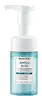
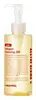
Skintific Amino Acid Ultra Gentle Cleansing Mousse Versus MEDI-PEEL Red Lacto Collagen Cleansing Oil
This oil-based cleanser is made to cleanse without leaving your skin tight or dry.


What's inside
What's inside
 Key Ingredients
Benefits
Concerns
Ingredients Side-by-side
Water
Skin ConditioningSodium Cocoyl Glycinate
Cleansing
Sodium Taurine Cocoyl Methyltaurate
Cleansing
Potassium Olivate
EmulsifyingSorbitol
Humectant

Ceramide NP
Skin Conditioning



Ceramide EOP
Skin Conditioning
Ceramide AP
Skin Conditioning
Ceramide As
Skin Conditioning
Ceramide Ns
Skin Conditioning
Centella Asiatica Extract
Cleansing

Sodium Hyaluronate
Humectant
Tuber Magnatum Extract
Skin ConditioningPhosphatidylcholine
EmulsifyingHydrogenated Lecithin
Emulsifying
Ascorbyl Palmitate
Antioxidant




Tocopherol
Antioxidant

Lactobacillus/Soymilk Ferment Filtrate
Skin ConditioningSaccharomyces Ferment Lysate Filtrate
Skin Conditioning
Bifida Ferment Filtrate
Skin Conditioning
Bifida Ferment Lysate
Skin Conditioning
Lysine
Skin ConditioningHistidine
Humectant
Arginine
Masking
Aspartic Acid
Masking
Threonine
Serine
Masking
Glutamic Acid
Humectant
Proline
Skin Conditioning
Glycine
Buffering
Alanine
Masking
Valine
MaskingIsoleucine
Skin ConditioningLeucine
Skin ConditioningTyrosine
MaskingPhenylalanine
Masking
C12-13 Alkyl Lactate
EmollientCitric Acid
Buffering
Disodium EDTA
ChelatingMaltooligosyl Glucoside
Skin ConditioningHydrogenated Starch Hydrolysate
HumectantSodium PCA
Humectant
Glycerin
Humectant
Butylene Glycol
Humectant
Water, Sodium Cocoyl Glycinate, Sodium Taurine Cocoyl Methyltaurate, Potassium Olivate, Sorbitol, Ceramide NP, Ceramide EOP, Ceramide AP, Ceramide As, Ceramide Ns, Centella Asiatica Extract, Sodium Hyaluronate, Tuber Magnatum Extract, Phosphatidylcholine, Hydrogenated Lecithin, Ascorbyl Palmitate, Tocopherol, Lactobacillus/Soymilk Ferment Filtrate, Saccharomyces Ferment Lysate Filtrate, Bifida Ferment Filtrate, Bifida Ferment Lysate, Lysine, Histidine, Arginine, Aspartic Acid, Threonine, Serine, Glutamic Acid, Proline, Glycine, Alanine, Valine, Isoleucine, Leucine, Tyrosine, Phenylalanine, C12-13 Alkyl Lactate, Citric Acid, Disodium EDTA, Maltooligosyl Glucoside, Hydrogenated Starch Hydrolysate, Sodium PCA, Glycerin, Butylene Glycol
Glycine Soja Oil 80%
Emollient



Sorbeth-30 Tetraoleate
Emulsifying
Caprylic/Capric Triglyceride
Masking
Simmondsia Chinensis Seed Oil
Emollient
Olea Europaea Fruit Oil
Masking
Candida Bombicola/Glucose/Methyl Rapeseedate Ferment
AntimicrobialMentha Arvensis Leaf Oil
Masking
Prunus Armeniaca Kernel Oil
Masking
Tocopheryl Acetate
Antioxidant
Oenothera Biennis Oil
Emollient
Barosma Betulina Leaf Extract
Perfuming
Oryza Sativa Germ Oil
Emollient
Rosa Damascena Flower Water
Masking
Vitis Vinifera Seed Oil
Emollient
Limnanthes Alba Seed Oil
Skin Conditioning
Argania Spinosa Kernel Oil
Emollient
Centella Asiatica Leaf Extract
Skin Conditioning
Camellia Sinensis Leaf Extract
Antimicrobial
Gardenia Jasminoides Fruit Extract
Cosmetic ColorantSchisandra Chinensis Fruit Extract
Skin Conditioning
Curcuma Longa Root Extract
Antioxidant
Lithospermum Erythrorhizon Root Extract
Skin ConditioningHelianthus Annuus Seed Oil
Emollient
Carapa Guaianensis Seed Oil
Skin Conditioning
Water
Skin ConditioningLactobacillus Ferment
Skin Conditioning
Butylene Glycol
Humectant
Xylitylglucoside
Humectant
Anhydroxylitol
Humectant
Xylitol
Humectant
Diospyros Kaki Leaf Extract
Skin Protecting
Vitis Vinifera Fruit Extract
Skin Conditioning1,2-Hexanediol
Skin Conditioning
Coffea Arabica Seed Extract
Masking
Carthamus Tinctorius Flower Extract
Skin ConditioningPolygonum Cuspidatum Root Extract
Antioxidant
Zanthoxylum Piperitum Fruit Extract
Skin ConditioningCastanea Crenata Shell Extract
Skin ConditioningGlucose
Humectant
Glycine
Buffering
Serine
Masking
Glutamic Acid
Humectant
Aspartic Acid
Masking
Leucine
Skin ConditioningAlanine
Masking
Lysine
Skin ConditioningArginine
Masking
Tyrosine
MaskingPhenylalanine
Masking
Proline
Skin Conditioning
Valine
MaskingThreonine
Isoleucine
Skin ConditioningPinus Palustris Leaf Extract
TonicUlmus Davidiana Root Extract
Skin Conditioning
Pueraria Lobata Root Extract
HumectantOenothera Biennis Flower Extract
AstringentHistidine
Humectant
Methionine
Skin ConditioningCysteine
Antioxidant
Ethylhexylglycerin
Skin ConditioningHydrolyzed Collagen
Emollient
Glycine Soja Oil 80%, Sorbeth-30 Tetraoleate, Caprylic/Capric Triglyceride, Simmondsia Chinensis Seed Oil, Olea Europaea Fruit Oil, Candida Bombicola/Glucose/Methyl Rapeseedate Ferment, Mentha Arvensis Leaf Oil, Prunus Armeniaca Kernel Oil, Tocopheryl Acetate, Oenothera Biennis Oil, Barosma Betulina Leaf Extract, Oryza Sativa Germ Oil, Rosa Damascena Flower Water, Vitis Vinifera Seed Oil, Limnanthes Alba Seed Oil, Argania Spinosa Kernel Oil, Centella Asiatica Leaf Extract, Camellia Sinensis Leaf Extract, Gardenia Jasminoides Fruit Extract, Schisandra Chinensis Fruit Extract, Curcuma Longa Root Extract, Lithospermum Erythrorhizon Root Extract, Helianthus Annuus Seed Oil, Carapa Guaianensis Seed Oil, Water, Lactobacillus Ferment, Butylene Glycol, Xylitylglucoside, Anhydroxylitol, Xylitol, Diospyros Kaki Leaf Extract, Vitis Vinifera Fruit Extract, 1,2-Hexanediol, Coffea Arabica Seed Extract, Carthamus Tinctorius Flower Extract, Polygonum Cuspidatum Root Extract, Zanthoxylum Piperitum Fruit Extract, Castanea Crenata Shell Extract, Glucose, Glycine, Serine, Glutamic Acid, Aspartic Acid, Leucine, Alanine, Lysine, Arginine, Tyrosine, Phenylalanine, Proline, Valine, Threonine, Isoleucine, Pinus Palustris Leaf Extract, Ulmus Davidiana Root Extract, Pueraria Lobata Root Extract, Oenothera Biennis Flower Extract, Histidine, Methionine, Cysteine, Ethylhexylglycerin, Hydrolyzed Collagen
Reviews
Ingredients Explained
These ingredients are found in both products.
Ingredients higher up in an ingredient list are typically present in a larger amount.
Alanine is an amino acid and is already found in the human body. Our skin uses alanine to build collagen, elastin, and keratin.
Arginine is a semi-essential amino acid. This just means our bodies can product a bit on its own, but sometimes needs a little boost from food sources.
It is a part of your skin's natural moisturizing factor (NMF), or the water-loving molecules in your outermost layer of skin (stratum corneum) that keeps everything hydrated and happy.
Here's an interesting thing about Arginine: your skin converts it into urea through the Krebs-Henseleit urea cycle. Urea is one of the most effective humectants your skin naturally produces.
A clinical study showed applying 2.5% arginine hydrochloride to atopic dermatitis skin showed significant urea levels in the stratum corneum and improved moisture in just four weeks.
Arginine is also a precursor to nitric oxide; nitric oxide improves microcirculation and supports wound healing and collagen synthesis.
One study found that an amino acid complex containing Arginine reduced skin irritation, improved hydration, and accelerated skin repair in clinical / in-vivo studies.
Arginine itself is an amino acid and not a fatty acid, oil, or ester. On its own, it's not a direct food source for Malassezia, or the yeast that causes fungal acne.
Learn more about ArginineAspartic Acid is an amino acid that our bodies produce naturally. It is an antioxidant.
Our body uses Aspartic Acid to help build collagen and elastin. It also plays a role in hydrating skin.
Butylene Glycol (or BG) is used within cosmetic products for a few different reasons:
Overall, Butylene Glycol is a safe and well-rounded ingredient that works well with other ingredients.
Though this ingredient works well with most skin types, some people with sensitive skin may experience a reaction such as allergic rashes, closed comedones, or itchiness.
Learn more about Butylene GlycolGlutamic Acid is an amino acid that is found in all living organisms. Our bodies use this to help nerve cells in the brain communicate with other cells.
In cosmetics, glutamic acid is a famous humectant. It draws water from the air to your skin, keeping your skin hydrated (like hyaluronic acid).
An in-vitro study from 2024 found glutamic acid to play a role in inhibiting inflammation and thus a potential skin-soothing ingredient.
Other studies show it to be have potential wound healing, skin barrier repair, and hair growth properties.
Glutamic acid has poor solubility in water and other solvents.
Learn more about Glutamic AcidGlycine is the smallest amino acid and a key building block of collagen. It's part if your skin's Natural Moisturizing Factor (NMF), or the water-loving molecules in your outermost layer of skin (stratum corneum) that keeps everything hydrated and happy.
A study from 2022 found that an amino acid complex featuring taurine, arginine, and glycine significantly reduced skin irritation, improved redness, and accelerated the skin repair process.
Histidine is a semi-essential amino acid used by our bodies to create protein. It has humectant and skin conditioning properties.
Our bodies use histidine to create filaggrin - filaggrin is a structural protein that the skin uses in maintaining skin barrier.
One study found histidine and carnosine to be a dynamic duo for your skin:
Oral histidine has also been found to help with filaggrin-deficit skin disorders such as atopic dermatitis.
Why is it considered a semi-essential amino acid? This is because adults are able to create it but children must get it from their diet.
Learn more about HistidineIsoleucine is an amino acid that helps reinforce our skin barrier. This amino acid plays a role in creating protein for the body.
Fun fact: Isoleucine is found in meat, fish, dairy, legumes, and nuts.
Leucine is a small amino acid and one of the building blocks your body uses to make proteins.
It's also naturally found in your skin as part of your Natural Moisturizing Factor (NMF). Your NMF is a mix of water-binding molecules that keeps the outer skin layer hydrated and flexible.
In skincare, it's mainly used as a skin conditioning ingredient that helps reinforce the same moisture-retention function.
You'll usually see it used at low percentages (generally under 5%) which is in line with how amino acids are used in cosmetics.
Learn more about LeucineLysine is an essential amino acid (your body cannot make it on its own). It has skin conditioning properties and one of the key players in collagen synthesis.
When your body creates collagen, lysine is basically the glue that holds everything together. It helps collagen fibers lock into each other and stay strong, with vitamin C being its trusty sidekick. Without enough lysine, this glue gets flimsy and less firm, resulting in less bouncy skin.
In skincare, lysine is mostly there to help keep your skin moisturized. It carries water through your skin's layers so everything stays plump.
So will putting lysine on your face create bouncier skin?
It's hard to say; most of the exciting collagen research on lysine comes from oral supplements or lab studies on mice. Further research is needed to truly understand what role topical lysine plays in skincare and your skin.
However, there's no harm in adding lysine to your routine as a supportive and hydrating ingredient.
Learn more about LysinePhenylalanine is an amino acid. It is a skin soothing and hydrating ingredient. Amino acids play a crucial role in wound healing and skin hydration.
This ingredient is also used to help even out skin tone due to its ability to disrupt the melanin production process.
Two structures of phenylalanine exist: L-phenylalanine and D-phenylalanine. L-phenylalanine is essential, this means our bodies cannot produce it naturally and we must get it from foods. Our bodies convert D-phenylalanine to neurotransmitters, and D-phenylalanine is found in our bodies naturally.
Some foods that contain L-phenylalanine include eggs, soybeans, beef, milk.
Learn more about PhenylalanineProline is a non-essential amino acid, meaning your body can make it on its own. In skincare, it is a skin conditioning ingredient that keeps skin soft and hydrated.
It makes up about 23% of the collagen molecule (collagen is the protein responsible for keeping your skin firm) and is involved in your skin's natural hyaluronic acid production. When applied topically, proline can penetrate the skin fairly well due to its small molecular size.
Reviews of this ingredient have found it to be neither a dermal irritant nor a sensitizer.
Fun fact: Proline can be found in protein-rich foods like meat, fish, eggs, and dairy.
Learn more about ProlineSerine is a non-essential amino acid (your body makes it on its own!). It is a major player in your skin's natural moisturizing factor (NMF), or the water-loving molecules in your outermost layer of skin (stratum corneum) that keeps everything hydrated and happy.
Serine is one of your NMF's most abundant components that works as a skin-identical humectant. Its hydroxyl group grabs onto water molecules to boost hydration without any heaviness or occlusion.
Research on a hydrogel with serine confirmed this serine got delivered to your stratum corneum and demonstrated enhanced skin moisturization.
Interestingly serine also helps your skin produce filaggrin, a protein that keeps your skin barrier strong and used to create collagen.
Learn more about SerineThreonine is an amino-acid. It helps hydrate the skin and has antioxidant benefits.
Our skin uses threonine for creating collagen and elastin. Humans are not able to create threonine and must get it through eating foods such as fish, lentils, poultry, sesame seeds, and more.
Tyrosine is one of the amino acids your body already uses as a protein building block. In skincare, it shows up as a skin-conditioning agent.
It's most notable for being the raw material that your skin's tyrosinase enzyme converts into melanin (skin pigment); this is why it's sometimes marketed as a "tan accelerator" in products.
However, the tanning claim is shaky. Lab studies on isolated skin cells show tyrosine can boost melanin production at fairly high concentrations but hasn't shown to speed up/deepen a tan when applied directly to skin in animal studies (up to 0.05%).
Finished cosmetic products use it at low levels (generally well under 1%). At these amounts, it's considered non-irritating and non-sensitizing based on repeat-use patch testing.
Allergy-wise, plain tyrosinase hasn't shown sensitization issues but a chemically modified relative called Oleoyl Tyrosine has had a handful of cases.
Learn more about TyrosineValine is one of the essential amino acids (meaning your body can't make it on its own and has to get it from food).
In skincare, it's usually synthetically-made or pulled from plant proteins like soy.
It's one of the small building blocks that make up your skin's natural moisturizing factor (NMF), or the built-in system that helps skin hold onto water. So its main job in a formula is to give the skin gentle hydration and help it feel more comfortable.
Typical amounts are very tiny: roughly 0.00004%-0.5% in leave on products and up to 1% in rinse-off ones.
The Cosmetic Ingredient Review panel has looked at this ingredient and found no evidence of it being a skin irritant or allergen at cosmetic levels.
Learn more about ValineWater. It's the most common cosmetic ingredient of all. You'll usually see it at the top of ingredient lists, meaning that it makes up the largest part of the product.
So why is it so popular? Water most often acts as a solvent - this means that it helps dissolve other ingredients into the formulation.
You'll also recognize water as that liquid we all need to stay alive. If you see this, drink a glass of water. Remember to stay hydrated!
Learn more about Water

