This barrier-repair moisturizer is formulated around Cholesterol and Ceramide NP to strengthen the skin barrier and soften the look of wrinkles.
This barrier-repair moisturizer is formulated around Ceramide NP and Panthenol to strengthen the skin barrier and hydrate skin.


What's inside
What's inside
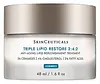 Key Ingredients
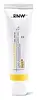
Benefits
Concerns
Ingredients Side-by-side
Water
Skin ConditioningDimethicone
Emollient

Hydrogenated Polyisobutene
EmollientGlycerin
Humectant

Cholesterol
Emollient
C12-15 Alkyl Benzoate
AntimicrobialCeramide NP
Skin Conditioning



Helianthus Annuus Seed Oil Unsaponifiables
Emollient


Bis-PEG-18 Methyl Ether Dimethyl Silane
EmollientSodium Polyacrylate
Absorbent
PEG-10 Dimethicone
Skin Conditioning
Nylon-12


Lauryl PEG-9 Polydimethylsiloxyethyl Dimethicone
Skin Conditioning
Dimethicone/PEG-10/15 Crosspolymer
Phenoxyethanol
Preservative
Disteardimonium Hectorite
StabilisingHydroxyethylpiperazine Ethane Sulfonic Acid
BufferingAmmonium Polyacryloyldimethyl Taurate
Emulsion StabilisingChlorphenesin
Antimicrobial
Caprylyl Glycol
Emollient
PEG/PPG-18/18 Dimethicone
Emulsifying
Propylene Carbonate
SolventDisodium EDTA
ChelatingAcrylonitrile/Methyl Methacrylate/Vinylidene Chloride Copolymer
Adenosine
Skin Conditioning
Dipropylene Glycol
HumectantLavandula Angustifolia Oil
Masking



Rosmarinus Officinalis Leaf Oil
Masking
T-Butyl Alcohol
Perfuming



Mentha Piperita Oil
Masking
Sodium Citrate
BufferingLinalool
Perfuming
Isobutane
Ceramide EOP
Skin Conditioning
BHT
Antioxidant
Tocopherol
Antioxidant


Limonene
Perfuming
Water, Dimethicone, Hydrogenated Polyisobutene, Glycerin, Cholesterol, C12-15 Alkyl Benzoate, Ceramide NP, Helianthus Annuus Seed Oil Unsaponifiables, Bis-PEG-18 Methyl Ether Dimethyl Silane, Sodium Polyacrylate, PEG-10 Dimethicone, Nylon-12, Lauryl PEG-9 Polydimethylsiloxyethyl Dimethicone, Dimethicone/PEG-10/15 Crosspolymer, Phenoxyethanol, Disteardimonium Hectorite, Hydroxyethylpiperazine Ethane Sulfonic Acid, Ammonium Polyacryloyldimethyl Taurate, Chlorphenesin, Caprylyl Glycol, PEG/PPG-18/18 Dimethicone, Propylene Carbonate, Disodium EDTA, Acrylonitrile/Methyl Methacrylate/Vinylidene Chloride Copolymer, Adenosine, Dipropylene Glycol, Lavandula Angustifolia Oil, Rosmarinus Officinalis Leaf Oil, T-Butyl Alcohol, Mentha Piperita Oil, Sodium Citrate, Linalool, Isobutane, Ceramide EOP, BHT, Tocopherol, Limonene
Water
Skin ConditioningButylene Glycol
Humectant
Ceramide NP
Skin Conditioning
Panthenol
Skin Conditioning
Caprylyl Methicone
Skin Conditioning
Glycerin
Humectant
C12-16 Alcohols
Emollient1,2-Hexanediol
Skin Conditioning
Cetearyl Alcohol
Emollient


Pentaerythrityl Tetraisostearate
Emollient
Limnanthes Alba Seed Oil
Skin Conditioning
Cetyl Ethylhexanoate
EmollientPolyglyceryl-3 Distearate
Emulsifying
Ceramide Ns
Skin Conditioning
Phytosphingosine
Skin Conditioning
Cholesterol
Emollient
Ceramide As
Skin Conditioning
Ceramide AP
Skin Conditioning
Oligopeptide-1
Skin Conditioning

Ceramide EOP
Skin Conditioning
Sodium Hyaluronate
Humectant
Hydroxypropyltrimonium Hyaluronate
Hydrolyzed Hyaluronic Acid
Humectant
Palmitic Acid
Emollient
Hydrogenated Lecithin
Emulsifying
Caprylic/Capric Triglyceride
Masking
Betaine
Humectant
Arginine
Masking
Arachidyl Alcohol
Emollient
Behenyl Alcohol
Emollient
Glyceryl Stearate Citrate
Emollient
Carbomer
Emulsion StabilisingButyrospermum Parkii Butter
Skin Conditioning
Arachidyl Glucoside
EmulsifyingCitrus Aurantium Dulcis Peel Oil
Masking
Stearic Acid
Cleansing
Adenosine
Skin Conditioning
Lavandula Angustifolia Oil
Masking
Rosmarinus Officinalis Leaf Oil
Masking
Cedrus Atlantica Bark Oil
Masking
Caprylyl Glycol
Emollient
Sodium Phosphate
BufferingDisodium EDTA
ChelatingWater, Butylene Glycol, Ceramide NP, Panthenol, Caprylyl Methicone, Glycerin, C12-16 Alcohols, 1,2-Hexanediol, Cetearyl Alcohol, Pentaerythrityl Tetraisostearate, Limnanthes Alba Seed Oil, Cetyl Ethylhexanoate, Polyglyceryl-3 Distearate, Ceramide Ns, Phytosphingosine, Cholesterol, Ceramide As, Ceramide AP, Oligopeptide-1, Ceramide EOP, Sodium Hyaluronate, Hydroxypropyltrimonium Hyaluronate, Hydrolyzed Hyaluronic Acid, Palmitic Acid, Hydrogenated Lecithin, Caprylic/Capric Triglyceride, Betaine, Arginine, Arachidyl Alcohol, Behenyl Alcohol, Glyceryl Stearate Citrate, Carbomer, Butyrospermum Parkii Butter, Arachidyl Glucoside, Citrus Aurantium Dulcis Peel Oil, Stearic Acid, Adenosine, Lavandula Angustifolia Oil, Rosmarinus Officinalis Leaf Oil, Cedrus Atlantica Bark Oil, Caprylyl Glycol, Sodium Phosphate, Disodium EDTA
Reviews
Ingredients Explained
These ingredients are found in both products.
Ingredients higher up in an ingredient list are typically present in a larger amount.
Adenosine is a purine nucleoside that your body already makes in every cell. In skincare, it acts mainly as a skin conditioning and anti-aging agent.
The way it works is fairly well mapped out:
Your skin has cells called fibroblasts that build collagen (the stuff that keeps skin firm and smooth). Adenosine basically flips a switch on these cells that tells them to get to work making more collagen and other proteins. These cells slow down on their own as skin ages, so Adenosine helps give them a little nudge to keep going.
The clinical backing is pretty solid too.
A blind, randomized, placebo-controlled trial of 126 women aged 45-65 tested a 0.1% cream twice daily and found real improvements in crow's feet and frown lines using a precise 3D skin-mapping technique; these changes showed up by week 3 and held at 2 months.
A later study using Adenosine-loaded dissolving microneedle patches reported gains in wrinkle depth, dermal density, elasticity, and hydration.
On concentrations, South Korea's Ministry of Food and Drug Safety has set 0.04% as the approved functional anti-wrinkle level. You'll typically see this ingredient used somewhere in the 0.04-0.1% range since it works at low doses.
This ingredient has been found safe for cosmetics with the data showing no irritation or sensitization.
Overall, this is a great ingredient for any anti-aging routine and has no photosensitizing effect, so it suits both AM and PM use.
Learn more about AdenosineCaprylyl Glycol is a humectant, skin conditioner, emollient, and preservative booster derived from either caprylic acid or synthetically created.
Typical use levels vary from 0.3-1% as a preservative booster and go up to 2% to condition skin.
Because it is not a free-fatty acid, this ingredient is fungal acne safe (there's nothing for Malassezia to feed on).
Learn more about Caprylyl GlycolCeramide EOP is formally known as Ceramide 1.
It is naturally found in skin and part of the intercellular "mortar" holding everything together in your outermost layer.
EOP stands for a linked Ester fatty acid, a linked Omega hydroxy fatty acid, and the Phytosphingosine base.
What makes Ceramide EOP special is its ultra-long fatty acid chain; this unique structure allows it to bridge the lipid layers in your skin barrier to prevent water loss (something no other ceramide can do).
Low levels of Ceramide EOP have been found in people with eczema and psoriasis.
Using it together with other ceramides, cholesterol, and linoleic acid have been shown to meaningfully improve hydration and reduce water loss.
In one clinical study, a regimen using Ceramide EOP, NP, and AP led to significant symptom improvements in patients with eczema, psoriasis, and dry skin in just 4 weeks.
You'll usually see concentrations between 0.1-0.5% in formulations. Overall, this is a well-tolerated and safe ingredient for cosmetic use.
Learn more about Ceramide EOPCeramide NP (formerly known as Ceramide 3) is one of the skin's naturally occurring lipids.
Since ceramides are the major lipid components of the skin, they are crucial for maintaining skin barrier and hydration. Ceramide NP most closely mirrors the dominant kind in human skin amongst ceramide subtypes.
This ceramide works by slotting into gaps within the stratum corneum's lipid matrix to limit trans-epidermal water loss (TEWL) and shield the skin against external irritants.
A study with 312 patients found that using a ceramide-containing routine for 4 weeks reduced the severity of atopic dermatitis by over 61%.
Another clinical study in subjects aged 60 and older found that a ceramide body wash and moisturizer improved skin dryness and itchy skin in 15 days.
Overall, ceramides are considered non-irritating and safety tests have found little to no observable adverse effects from using this ingredient.
Ceramide NP is usually sourced from plants (like soybean or rice bran), or produced synthetically.
Learn more about Ceramide NPCholesterol is a lipid that is naturally found in human skin and is one of the three key components of your skin barrier. In skincare, it is an emollient and barrier-repairing ingredient.
It works by fitting directly into the lipid layers of skin to help restore structure and reduce transepidermal water loss (TEWL).
This is a great ingredient for dry, compromised, or aging skin; our skin starts to produce less cholesterol with age.
Research shows cholesterol works best in combination with ceramides and fatty acids, the other two major components in your skin barrier.
Cholesterol is also a well-establish penetration enhancer and can help other actives absorb more effectively.
Cosmetic-grade cholesterol is usually derived from lanolin but plant and synthetic options also exist. We recommend reaching out to the brand if you have questions about their source of cholesterol.
Learn more about CholesterolDisodium EDTA is a chelating agent. It grabs onto and deactivates metal ions that sneak into your products from water, packaging, or air.
This ingredient mainly works behind the scenes and helps with:
On top of that, this ingredient can counteract the effects of hard water by binding to the minerals in it.
One thing worth knowing is that Disodium EDTA has been shown to be a mild penetration enhancer. It can help other ingredients absorb into skin more effectively which can be a double-edged sword (great for actives, but can also make the active too strong if you have sensitive skin).
Clinical patch testing showed no significant skin irritation at typical use concentrations and minimal dermal absorption.
You'll most likely see this ingredient near the end of an ingredient list. It's typically found in concentrations less than 1%.
Learn more about Disodium EDTAGlycerin (or glycerol) is a compound naturally found in your skin. It's a powerhouse humectant that pulls water into the stratum corneum.
Topically, glycerin does several things at once:
Your skin makes glycerin on its own (mostly from sebaceous oil breakdown) and shuttles it to your outermost layer of skin, or your epidermis, via aquaporin-3.
Aquaporin-3 is a transporter that is essential for normal skin hydration, elasticity, and repair. Interestingly, mice lacking in AQP3 have dry and less elastic skin that can be fully corrected with glycerin.
This ingredient is non-irritating, plays well with almost every ingredient, and works across all skin types. Typical use is anywhere between 3-10% but can go up to 79% in some leave-on products.
Just know very high concentrations (>40%) can feel tacky in low humidity.
Glycerin is the name for this ingredient in American English. British English uses Glycerol/Glycerine.
Learn more about GlycerinLavandula Angustifolia Oil is more commonly known as lavender essential oil. It is considered a fragrancing ingredient.
Lavender imparts a famous scent. While the smell is lovely, this ingredient and may sensitize skin in topical products. This is because about 85% of the oil is made up of linalool and linalyl acetate.
When exposed to air, these two compounds become strong allergens. This ingredient exhibits cytotoxicity at low concentrations; amounts of 0.25% have been shown to damage skin cells.
A study from Japan found this ingredient caused lavender sensitivity after widespread exposure.
Lavender essential oil has some antimicrobial, antibacterial, and anti-inflammatory properties. However, the cons of this ingredient may outweight the pros.
More research is needed to confirm lavender essential oil's effects when used in aromatherapy.
Lavandula Angustifolia is known as the English Lavender and famous for creating purple fields in Provence, France.
Learn more about Lavandula Angustifolia OilRosmarinus Officinalis Leaf Oil is an essential oil also known as rosemary essential oil. In skincare, it is a skin conditioning agent and also acts as a natural fragrance that gives products a fresh/herby smell.
The oil is a mix of over 100 volatile compounds with 1,8-cineole, α-pinene, camphor, and verbenone usually leading the pack.
Lab studies credit this oil with antioxidant, anti-inflammatory, and antimicrobial activity. Some research even show rosemary compounds calming acne-related inflammation.
The Cosmetic Ingredient Review (CIR) has concluded rosemary-derived ingredients to be safe when formulated to be nonsensitizing.
Since this is a fragrant essential oil, the main concern is for fragrance-sensitive folks.
Learn more about Rosmarinus Officinalis Leaf OilWater. It's the most common cosmetic ingredient of all. You'll usually see it at the top of ingredient lists, meaning that it makes up the largest part of the product.
So why is it so popular? Water most often acts as a solvent - this means that it helps dissolve other ingredients into the formulation.
You'll also recognize water as that liquid we all need to stay alive. If you see this, drink a glass of water. Remember to stay hydrated!
Learn more about Water

