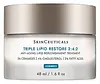
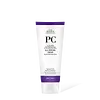
SkinCeuticals Triple Lipid Restore 2:4:2 Versus Cos De BAHA Peptide Complex Facial Cream with Matrixyl 3000 & Argireline
This barrier-repair moisturizer is formulated around Cholesterol and Ceramide NP to strengthen the skin barrier and soften the look of wrinkles.
This anti-aging moisturizer is formulated around Acetyl Hexapeptide-8 and Palmitoyl Tetrapeptide-7 to soften the look of wrinkles.


What's inside
What's inside
 Key Ingredients
Benefits
Concerns
Ingredients Side-by-side
Water
Skin ConditioningDimethicone
Emollient

Hydrogenated Polyisobutene
EmollientGlycerin
Humectant

Cholesterol
Emollient
C12-15 Alkyl Benzoate
AntimicrobialCeramide NP
Skin Conditioning



Helianthus Annuus Seed Oil Unsaponifiables
Emollient


Bis-PEG-18 Methyl Ether Dimethyl Silane
EmollientSodium Polyacrylate
Absorbent
PEG-10 Dimethicone
Skin Conditioning
Nylon-12


Lauryl PEG-9 Polydimethylsiloxyethyl Dimethicone
Skin Conditioning
Dimethicone/PEG-10/15 Crosspolymer
Phenoxyethanol
Preservative
Disteardimonium Hectorite
StabilisingHydroxyethylpiperazine Ethane Sulfonic Acid
BufferingAmmonium Polyacryloyldimethyl Taurate
Emulsion StabilisingChlorphenesin
Antimicrobial
Caprylyl Glycol
Emollient
PEG/PPG-18/18 Dimethicone
Emulsifying
Propylene Carbonate
SolventDisodium EDTA
ChelatingAcrylonitrile/Methyl Methacrylate/Vinylidene Chloride Copolymer
Adenosine
Skin Conditioning
Dipropylene Glycol
HumectantLavandula Angustifolia Oil
Masking



Rosmarinus Officinalis Leaf Oil
Masking
T-Butyl Alcohol
Perfuming



Mentha Piperita Oil
Masking
Sodium Citrate
BufferingLinalool
Perfuming
Isobutane
Ceramide EOP
Skin Conditioning
BHT
Antioxidant
Tocopherol
Antioxidant


Limonene
Perfuming
Water, Dimethicone, Hydrogenated Polyisobutene, Glycerin, Cholesterol, C12-15 Alkyl Benzoate, Ceramide NP, Helianthus Annuus Seed Oil Unsaponifiables, Bis-PEG-18 Methyl Ether Dimethyl Silane, Sodium Polyacrylate, PEG-10 Dimethicone, Nylon-12, Lauryl PEG-9 Polydimethylsiloxyethyl Dimethicone, Dimethicone/PEG-10/15 Crosspolymer, Phenoxyethanol, Disteardimonium Hectorite, Hydroxyethylpiperazine Ethane Sulfonic Acid, Ammonium Polyacryloyldimethyl Taurate, Chlorphenesin, Caprylyl Glycol, PEG/PPG-18/18 Dimethicone, Propylene Carbonate, Disodium EDTA, Acrylonitrile/Methyl Methacrylate/Vinylidene Chloride Copolymer, Adenosine, Dipropylene Glycol, Lavandula Angustifolia Oil, Rosmarinus Officinalis Leaf Oil, T-Butyl Alcohol, Mentha Piperita Oil, Sodium Citrate, Linalool, Isobutane, Ceramide EOP, BHT, Tocopherol, Limonene
Aloe Barbadensis Leaf Extract
Emollient
Propanediol
Solvent
Caprylic/Capric Triglyceride
Masking
Niacinamide
Smoothing



1,2-Hexanediol
Skin Conditioning
Cetearyl Olivate
Cetearyl Alcohol
Emollient

Glyceryl Stearate
Emollient
Sorbitan Olivate
Emulsifying
Panthenol
Skin Conditioning
Acetyl Hexapeptide-8
Humectant
Palmitoyl Tetrapeptide-7
Skin Conditioning
Palmitoyl Tripeptide-1
Skin Conditioning
Tocopheryl Acetate
Antioxidant
Butyrospermum Parkii Butter
Skin Conditioning
Argania Spinosa Kernel Oil
Emollient
Caffeine
Skin Conditioning
Allantoin
Skin Conditioning
Sodium Hyaluronate
Humectant
Dipotassium Glycyrrhizate
Humectant
Squalane
Emollient
Ceramide NP
Skin Conditioning
Adenosine
Skin Conditioning
Rosa Damascena Extract
MaskingLavandula Angustifolia Flower Extract
Cleansing
Camellia Sinensis Leaf Extract
Antimicrobial
Melissa Officinalis Leaf Extract
Skin ConditioningArtemisia Vulgaris Extract
Skin Conditioning
Sorbitan Isostearate
Emulsifying
Polysorbate 60
Emulsifying
Hydroxyethyl Acrylate/Sodium Acryloyldimethyl Taurate Copolymer
Emulsion StabilisingAloe Barbadensis Leaf Extract, Propanediol, Caprylic/Capric Triglyceride, Niacinamide, 1,2-Hexanediol, Cetearyl Olivate, Cetearyl Alcohol, Glyceryl Stearate, Sorbitan Olivate, Panthenol, Acetyl Hexapeptide-8, Palmitoyl Tetrapeptide-7, Palmitoyl Tripeptide-1, Tocopheryl Acetate, Butyrospermum Parkii Butter, Argania Spinosa Kernel Oil, Caffeine, Allantoin, Sodium Hyaluronate, Dipotassium Glycyrrhizate, Squalane, Ceramide NP, Adenosine, Rosa Damascena Extract, Lavandula Angustifolia Flower Extract, Camellia Sinensis Leaf Extract, Melissa Officinalis Leaf Extract, Artemisia Vulgaris Extract, Sorbitan Isostearate, Polysorbate 60, Hydroxyethyl Acrylate/Sodium Acryloyldimethyl Taurate Copolymer
Reviews
Ingredients Explained
These ingredients are found in both products.
Ingredients higher up in an ingredient list are typically present in a larger amount.
Adenosine is a purine nucleoside that your body already makes in every cell. In skincare, it acts mainly as a skin conditioning and anti-aging agent.
The way it works is fairly well mapped out:
Your skin has cells called fibroblasts that build collagen (the stuff that keeps skin firm and smooth). Adenosine basically flips a switch on these cells that tells them to get to work making more collagen and other proteins. These cells slow down on their own as skin ages, so Adenosine helps give them a little nudge to keep going.
The clinical backing is pretty solid too.
A blind, randomized, placebo-controlled trial of 126 women aged 45-65 tested a 0.1% cream twice daily and found real improvements in crow's feet and frown lines using a precise 3D skin-mapping technique; these changes showed up by week 3 and held at 2 months.
A later study using Adenosine-loaded dissolving microneedle patches reported gains in wrinkle depth, dermal density, elasticity, and hydration.
On concentrations, South Korea's Ministry of Food and Drug Safety has set 0.04% as the approved functional anti-wrinkle level. You'll typically see this ingredient used somewhere in the 0.04-0.1% range since it works at low doses.
This ingredient has been found safe for cosmetics with the data showing no irritation or sensitization.
Overall, this is a great ingredient for any anti-aging routine and has no photosensitizing effect, so it suits both AM and PM use.
Learn more about AdenosineCeramide NP (formerly known as Ceramide 3) is one of the skin's naturally occurring lipids.
Since ceramides are the major lipid components of the skin, they are crucial for maintaining skin barrier and hydration. Ceramide NP most closely mirrors the dominant kind in human skin amongst ceramide subtypes.
This ceramide works by slotting into gaps within the stratum corneum's lipid matrix to limit trans-epidermal water loss (TEWL) and shield the skin against external irritants.
A study with 312 patients found that using a ceramide-containing routine for 4 weeks reduced the severity of atopic dermatitis by over 61%.
Another clinical study in subjects aged 60 and older found that a ceramide body wash and moisturizer improved skin dryness and itchy skin in 15 days.
Overall, ceramides are considered non-irritating and safety tests have found little to no observable adverse effects from using this ingredient.
Ceramide NP is usually sourced from plants (like soybean or rice bran), or produced synthetically.
Learn more about Ceramide NP

