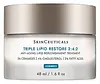
This barrier-repair moisturizer is formulated around Cholesterol and Ceramide NP to strengthen the skin barrier and soften the look of wrinkles.
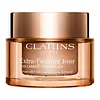
This anti-aging day moisturizer is formulated around Niacinamide and Avena Sativa Kernel Extract to soften the look of wrinkles and strengthen the skin barrier.


What's inside
What's inside
 Key Ingredients
Benefits
Concerns
Ingredients Side-by-side
Water
Skin ConditioningDimethicone
Emollient

Hydrogenated Polyisobutene
EmollientGlycerin
Humectant

Cholesterol
Emollient
C12-15 Alkyl Benzoate
AntimicrobialCeramide NP
Skin Conditioning



Helianthus Annuus Seed Oil Unsaponifiables
Emollient


Bis-PEG-18 Methyl Ether Dimethyl Silane
EmollientSodium Polyacrylate
Absorbent
PEG-10 Dimethicone
Skin Conditioning
Nylon-12


Lauryl PEG-9 Polydimethylsiloxyethyl Dimethicone
Skin Conditioning
Dimethicone/PEG-10/15 Crosspolymer
Phenoxyethanol
Preservative
Disteardimonium Hectorite
StabilisingHydroxyethylpiperazine Ethane Sulfonic Acid
BufferingAmmonium Polyacryloyldimethyl Taurate
Emulsion StabilisingChlorphenesin
Antimicrobial
Caprylyl Glycol
Emollient
PEG/PPG-18/18 Dimethicone
Emulsifying
Propylene Carbonate
SolventDisodium EDTA
ChelatingAcrylonitrile/Methyl Methacrylate/Vinylidene Chloride Copolymer
Adenosine
Skin Conditioning
Dipropylene Glycol
HumectantLavandula Angustifolia Oil
Masking



Rosmarinus Officinalis Leaf Oil
Masking
T-Butyl Alcohol
Perfuming



Mentha Piperita Oil
Masking
Sodium Citrate
BufferingLinalool
Perfuming
Isobutane
Ceramide EOP
Skin Conditioning
BHT
Antioxidant
Tocopherol
Antioxidant


Limonene
Perfuming
Water, Dimethicone, Hydrogenated Polyisobutene, Glycerin, Cholesterol, C12-15 Alkyl Benzoate, Ceramide NP, Helianthus Annuus Seed Oil Unsaponifiables, Bis-PEG-18 Methyl Ether Dimethyl Silane, Sodium Polyacrylate, PEG-10 Dimethicone, Nylon-12, Lauryl PEG-9 Polydimethylsiloxyethyl Dimethicone, Dimethicone/PEG-10/15 Crosspolymer, Phenoxyethanol, Disteardimonium Hectorite, Hydroxyethylpiperazine Ethane Sulfonic Acid, Ammonium Polyacryloyldimethyl Taurate, Chlorphenesin, Caprylyl Glycol, PEG/PPG-18/18 Dimethicone, Propylene Carbonate, Disodium EDTA, Acrylonitrile/Methyl Methacrylate/Vinylidene Chloride Copolymer, Adenosine, Dipropylene Glycol, Lavandula Angustifolia Oil, Rosmarinus Officinalis Leaf Oil, T-Butyl Alcohol, Mentha Piperita Oil, Sodium Citrate, Linalool, Isobutane, Ceramide EOP, BHT, Tocopherol, Limonene
Water
Skin ConditioningHexyl Laurate
Emollient
Dicaprylyl Carbonate
EmollientGlycerin
Humectant
Cetearyl Alcohol
Emollient


Niacinamide
Smoothing



Tapioca Starch
1,2-Hexanediol
Skin Conditioning
Glyceryl Stearate
Emollient
PEG-100 Stearate
Surfactant
Argania Spinosa Kernel Oil
Emollient
Cetearyl Glucoside
Emulsifying
Parfum
Masking
Butylene Glycol
Humectant
Carbomer
Emulsion StabilisingHydroxyacetophenone
Antioxidant
Avena Sativa Kernel Extract
Abrasive
Disodium EDTA
ChelatingEthylhexylglycerin
Skin ConditioningTocopheryl Acetate
Antioxidant
Pentylene Glycol
Skin Conditioning
Dimethicone
Emollient
Sodium Hydroxide
BufferingAloe Barbadensis Leaf Juice Powder
Skin Conditioning
Propanediol
Solvent
Caprylic/Capric Triglyceride
Masking
Betaine
Humectant
Sorbitol
Humectant
Dimethiconol
Emollient
Marrubium Vulgare Extract
Skin ConditioningMaltodextrin
Absorbent
Orthosiphon Stamineus Extract
Skin ConditioningXanthan Gum
EmulsifyingSodium Benzoate
Masking
Balanites Roxburghii Seed Oil
Skin Conditioning
Mitracarpus Scaber Extract
Skin ConditioningPhenethyl Alcohol
MaskingCarya Illinoinensis Shell Extract
Skin ConditioningFurcellaria Lumbricalis Extract
Skin ConditioningTocopherol
Antioxidant
CI 15985
Cosmetic ColorantLapsana Communis Flower/Leaf/Stem Extract
Skin ConditioningMaris Sal
Skin ConditioningArginine/Lysine Polypeptide
Skin Conditioning
Water, Hexyl Laurate, Dicaprylyl Carbonate, Glycerin, Cetearyl Alcohol, Niacinamide, Tapioca Starch, 1,2-Hexanediol, Glyceryl Stearate, PEG-100 Stearate, Argania Spinosa Kernel Oil, Cetearyl Glucoside, Parfum, Butylene Glycol, Carbomer, Hydroxyacetophenone, Avena Sativa Kernel Extract, Disodium EDTA, Ethylhexylglycerin, Tocopheryl Acetate, Pentylene Glycol, Dimethicone, Sodium Hydroxide, Aloe Barbadensis Leaf Juice Powder, Propanediol, Caprylic/Capric Triglyceride, Betaine, Sorbitol, Dimethiconol, Marrubium Vulgare Extract, Maltodextrin, Orthosiphon Stamineus Extract, Xanthan Gum, Sodium Benzoate, Balanites Roxburghii Seed Oil, Mitracarpus Scaber Extract, Phenethyl Alcohol, Carya Illinoinensis Shell Extract, Furcellaria Lumbricalis Extract, Tocopherol, CI 15985, Lapsana Communis Flower/Leaf/Stem Extract, Maris Sal, Arginine/Lysine Polypeptide
Reviews
Ingredients Explained
These ingredients are found in both products.
Ingredients higher up in an ingredient list are typically present in a larger amount.
Dimethicone is a type of synthetic silicone created from natural materials such as quartz. It is also known as polydimethylsiloxane.
What it does:
Dimethicone comes in different viscosities:
Depending on the viscosity, dimethicone has different properties.
Ingredients lists don't always show which type is used, so we recommend reaching out to the brand if you have questions about the viscosity.
This ingredient is unlikely to cause irritation because it does not get absorbed into skin. However, people with silicone allergies should be careful about using this ingredient.
Note: Dimethicone may contribute to pilling. This is because it is not oil or water soluble, so pilling may occur when layered with products. When mixed with heavy oils in a formula, the outcome is also quite greasy.
Learn more about DimethiconeDisodium EDTA is a chelating agent. It grabs onto and deactivates metal ions that sneak into your products from water, packaging, or air.
This ingredient mainly works behind the scenes and helps with:
On top of that, this ingredient can counteract the effects of hard water by binding to the minerals in it.
One thing worth knowing is that Disodium EDTA has been shown to be a mild penetration enhancer. It can help other ingredients absorb into skin more effectively which can be a double-edged sword (great for actives, but can also make the active too strong if you have sensitive skin).
Clinical patch testing showed no significant skin irritation at typical use concentrations and minimal dermal absorption.
You'll most likely see this ingredient near the end of an ingredient list. It's typically found in concentrations less than 1%.
Learn more about Disodium EDTAGlycerin (or glycerol) is a compound naturally found in your skin. It's a powerhouse humectant that pulls water into the stratum corneum.
Topically, glycerin does several things at once:
Your skin makes glycerin on its own (mostly from sebaceous oil breakdown) and shuttles it to your outermost layer of skin, or your epidermis, via aquaporin-3.
Aquaporin-3 is a transporter that is essential for normal skin hydration, elasticity, and repair. Interestingly, mice lacking in AQP3 have dry and less elastic skin that can be fully corrected with glycerin.
This ingredient is non-irritating, plays well with almost every ingredient, and works across all skin types. Typical use is anywhere between 3-10% but can go up to 79% in some leave-on products.
Just know very high concentrations (>40%) can feel tacky in low humidity.
Glycerin is the name for this ingredient in American English. British English uses Glycerol/Glycerine.
Learn more about GlycerinTocopherol is a fat-soluble antioxidant known as Vitamin E.
You'll find this ingredient in the vast majority of skincare (for good reason). It works to neutralize free radicals, or unstable molecules generated by UV exposure, pollution, and other environmental stressors, before they can cause oxidative damage to your skin cells.
Topically applied tocopherol has been shown to protect against UV damage by ramping up the skin's own natural defense enzymes.
It also acts as a skin conditioning agent; some studies show that regular topical use can improve the skin's water-binding capacity over 2-4 weeks.
This ingredient is especially loved for being a team player. When combined with Vitamin C, the photoprotective effect of both ingredients roughly doubles and the combo also helps reduce UV-induced DNA damage.
This ingredient has some brightening potential but it's more of a prevention ingredient than spot-fader. Cell studies show it can slow down melanin production but it's worth noting that it's not the most powerful brightener out there.
In formulations, it also serves as a stabilizer that helps protect other oxidation-prone ingredients from degrading.
Concentrations usually range from 0.1-1% in most leave-on products.
Learn more about TocopherolWater. It's the most common cosmetic ingredient of all. You'll usually see it at the top of ingredient lists, meaning that it makes up the largest part of the product.
So why is it so popular? Water most often acts as a solvent - this means that it helps dissolve other ingredients into the formulation.
You'll also recognize water as that liquid we all need to stay alive. If you see this, drink a glass of water. Remember to stay hydrated!
Learn more about Water

