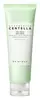
This salicylic acid foaming cleanser is formulated around Salicylic Acid to clear breakouts and unclog pores.

What's inside
What's inside
 Key Ingredients
Benefits
Concerns
Ingredients Side-by-side
Water
Skin ConditioningMyristic Acid
Cleansing




Glycerin
Humectant

Potassium Hydroxide
BufferingStearic Acid
Cleansing
Glyceryl Stearate
Emollient
Propanediol
Solvent
Lauryl Hydroxysultaine
CleansingPalmitic Acid
Emollient
Sodium C14-16 Olefin Sulfonate
Cleansing
Potassium Benzoate
Preservative
Salicylic Acid
Masking






Butylene Glycol
Humectant
Sorbitol
Humectant
1,2-Hexanediol
Skin Conditioning
Sodium Chloride
MaskingCentella Asiatica Extract
Cleansing


Acrylates/C10-30 Alkyl Acrylate Crosspolymer
Emulsion StabilisingMelaleuca Alternifolia Leaf Oil
Antioxidant



Cetearyl Alcohol
Emollient

Melaleuca Alternifolia Leaf Water
Antimicrobial
Melia Azadirachta Leaf Extract
Skin ConditioningHydrogenated Polydecene
EmollientArachidic Acid
Cleansing
Lauric Acid
Cleansing
Sodium Citrate
BufferingMelia Azadirachta Flower Extract
Skin ConditioningTrisodium Ethylenediamine Disuccinate
ChelatingOleic Acid
Emollient
Theobroma Cacao Seed Extract
Antioxidant
Dextrin
AbsorbentCitric Acid
Buffering
Disodium EDTA
ChelatingPentylene Glycol
Skin Conditioning
Caprylyl Glycol
Emollient
Chamaecyparis Obtusa Water
MaskingPinus Palustris Leaf Extract
TonicWater, Myristic Acid, Glycerin, Potassium Hydroxide, Stearic Acid, Glyceryl Stearate, Propanediol, Lauryl Hydroxysultaine, Palmitic Acid, Sodium C14-16 Olefin Sulfonate, Potassium Benzoate, Salicylic Acid, Butylene Glycol, Sorbitol, 1,2-Hexanediol, Sodium Chloride, Centella Asiatica Extract, Acrylates/C10-30 Alkyl Acrylate Crosspolymer, Melaleuca Alternifolia Leaf Oil, Cetearyl Alcohol, Melaleuca Alternifolia Leaf Water, Melia Azadirachta Leaf Extract, Hydrogenated Polydecene, Arachidic Acid, Lauric Acid, Sodium Citrate, Melia Azadirachta Flower Extract, Trisodium Ethylenediamine Disuccinate, Oleic Acid, Theobroma Cacao Seed Extract, Dextrin, Citric Acid, Disodium EDTA, Pentylene Glycol, Caprylyl Glycol, Chamaecyparis Obtusa Water, Pinus Palustris Leaf Extract
Water
Skin ConditioningPrunus Persica Fruit Water
Masking
Glycerin
Humectant
Potassium Laurate
EmulsifyingCellulose
Absorbent
Potassium Myristate
EmulsifyingAcrylates Copolymer
1,2-Hexanediol
Skin Conditioning
Betaine
Humectant
Prunus Persica Seed Powder
Abrasive
Hydroxyacetophenone
Antioxidant
Potassium Hydroxide
BufferingPolyquaternium-22
Lactobacillus Ferment
Skin Conditioning
Ethylhexylglycerin
Skin ConditioningParfum
Masking
Gardenia Florida Fruit Extract
Skin ConditioningSodium Phytate
ChelatingDextrin
AbsorbentNiacinamide
Smoothing

Cyanocobalamin
Skin ConditioningButylene Glycol
Humectant
Hydrogenated Lecithin
Emulsifying
Centella Asiatica Extract
Cleansing
Ficus Carica Fruit Extract
Humectant
Sodium Hyaluronate
Humectant
Glyceryl Glucoside
Humectant
Beta-Glucan
Skin Conditioning
Ceramide NP
Skin Conditioning
Pueraria Lobata Root Extract
HumectantPinus Palustris Leaf Extract
TonicUlmus Davidiana Root Extract
Skin Conditioning
Oenothera Biennis Flower Extract
AstringentLinolenic Acid
Cleansing
Acrylates/C10-30 Alkyl Acrylate Crosspolymer
Emulsion StabilisingAmmonium Acryloyldimethyltaurate/Vp Copolymer
Hydroxypropyl Starch Phosphate
Capryloyl Salicylic Acid
Exfoliating
Prunus Armeniaca Fruit Extract
Skin ConditioningWater, Prunus Persica Fruit Water, Glycerin, Potassium Laurate, Cellulose, Potassium Myristate, Acrylates Copolymer, 1,2-Hexanediol, Betaine, Prunus Persica Seed Powder, Hydroxyacetophenone, Potassium Hydroxide, Polyquaternium-22, Lactobacillus Ferment, Ethylhexylglycerin, Parfum, Gardenia Florida Fruit Extract, Sodium Phytate, Dextrin, Niacinamide, Cyanocobalamin, Butylene Glycol, Hydrogenated Lecithin, Centella Asiatica Extract, Ficus Carica Fruit Extract, Sodium Hyaluronate, Glyceryl Glucoside, Beta-Glucan, Ceramide NP, Pueraria Lobata Root Extract, Pinus Palustris Leaf Extract, Ulmus Davidiana Root Extract, Oenothera Biennis Flower Extract, Linolenic Acid, Acrylates/C10-30 Alkyl Acrylate Crosspolymer, Ammonium Acryloyldimethyltaurate/Vp Copolymer, Hydroxypropyl Starch Phosphate, Capryloyl Salicylic Acid, Prunus Armeniaca Fruit Extract
Reviews
Ingredients Explained
These ingredients are found in both products.
Ingredients higher up in an ingredient list are typically present in a larger amount.
1,2-Hexanediol is a synthetic liquid and another multi-functional powerhouse.
It is a:
- Humectant, drawing moisture into the skin
- Emollient, helping to soften skin
- Solvent, dispersing and stabilizing formulas
- Preservative booster, enhancing the antimicrobial activity of other preservatives
Acrylates/C10-30 Alkyl Acrylate Crosspolymer is a synthetic polymer. It is used to thicken, emulsify, and improve the texture of products.
As an emulsifier, it helps stabilize oil-in-water emulsions to give products an elegant feel when applied.
It can also form a thin protective film on skin. One study found that a formula using this polymer helped slow down how quickly other ingredients (like DEET) were absorbed through skin.
A 2024 study of over 1,300 patients confirmed that sensitization to this ingredient is rare. It is also non-mutagenic and has a clean track record.
Learn more about Acrylates/C10-30 Alkyl Acrylate CrosspolymerButylene Glycol (or BG) is used within cosmetic products for a few different reasons:
Overall, Butylene Glycol is a safe and well-rounded ingredient that works well with other ingredients.
Though this ingredient works well with most skin types, some people with sensitive skin may experience a reaction such as allergic rashes, closed comedones, or itchiness.
Learn more about Butylene GlycolCentella Asiatica Extract (Centella) is one of the most researched botanical extracts in skincare with decades of studies backing its effects on inflammation, collagen, and the skin barrier.
That research keeps pointing back to the same four triterpenoid saponins: Asiaticoside, Madecassoside, Asiatic Acid, and Madecassic Acid.
These compounds allow centella to dial back inflammation, encourage the skin to build and hold onto collagen, support the barrier and hydration, and bring solid antioxidant activity to protect against signs of aging.
Centella also carries a nice supporting cast of Vitamin A, vitamin C, several B vitamins, and amino acids. Put it all together and you get an ingredient that soothes, hydrates, and protects, all at once.
Most of centella's magic comes from the four big compounds (Asiaticoside, Madecassoside, Asiatic Acid, and Madecassic Acid). These are the actives doing the heavy lifting in almost every centella study.
Here is the short version of what they do in the skin:
So it is not just soothing for the sake of soothing. Centella calms the skin AND helps it rebuild.
Just FYI, not all centella on an ingredient list is the same. What you are getting actually depends on the extract:
Fun fact on the ratios: the leaves tend to be richest in Madecassoside and Asiaticoside, and lower in the two acids. The exact amounts shift with where the plant is grown and how it is processed. This means purity really does vary brand to brand.
Centella is one of the most easygoing actives out there.
It layers well with basically everything: niacinamide, hyaluronic acid, peptides, and vitamin C, and also pairs nicely with stronger actives like retinoids and exfoliating acids where it can help take the edge off irritation.
On the safety side, centella and its triterpenes are classified as weak sensitizers, meaning allergic reactions are possible but uncommon.
Patch tests at 1% and 5% came back negative in test panels, and creams at typical use levels did not cause allergic reactions across large groups of people.
But as with any new active, a patch test is still a smart move for very reactive skin.
Centella is widely used because it is effective at low percentages. For context, human safety testing found no meaningful irritation from creams containing centella extract at everyday use levels (the tested amounts were well under 1%).
The irritancy threshold in animal testing was also above 30% (so real-world formulas sit far below anything concerning).
In collagen lab studies, higher concentrations drove more collagen synthesis, so serums built around centella tend to feature it more prominently.
Bottom line: you will find centella working nicely anywhere from a fraction of a percent up to hero-ingredient levels depending on whether it is a supporting soother or the main event.
Fun fact: Centella has been used as a medicine and in food for many centuries. As a medicine, it is used to treat burns, scratches, and wounds.
Learn more about Centella Asiatica ExtractDextrin is a starch-derived polysaccharide. It's made by partially breaking down corn, potato, or other plant starches.
Think of it as "half-processed" starch; it's less complex than the original but not fully broken down into sugar like maltodextrin.
In cosmetics, it mainly functions as a bulking agent, viscosity controller, binder, and absorbent. It helps thicken products, stabilize powders, and get certain textures a less "wet" feel.
This ingredient has a pretty solid safety profile; it's recognized as a safe food additive and its large molecular size means it doesn't meaningfully penetrate skin.
Human repeat insult patch tests using a rinse-off facial product containing 42.69% dextrin found no skin irritation or sensitization in 54 subjects.
Typical real-world usage is much lower: usually under 1% as a texture modifier and up to 40% in masks (rinse off products use less).
Learn more about DextrinGlycerin (or glycerol) is a compound naturally found in your skin. It's a powerhouse humectant that pulls water into the stratum corneum.
Topically, glycerin does several things at once:
Your skin makes glycerin on its own (mostly from sebaceous oil breakdown) and shuttles it to your outermost layer of skin, or your epidermis, via aquaporin-3.
Aquaporin-3 is a transporter that is essential for normal skin hydration, elasticity, and repair. Interestingly, mice lacking in AQP3 have dry and less elastic skin that can be fully corrected with glycerin.
This ingredient is non-irritating, plays well with almost every ingredient, and works across all skin types. Typical use is anywhere between 3-10% but can go up to 79% in some leave-on products.
Just know very high concentrations (>40%) can feel tacky in low humidity.
Glycerin is the name for this ingredient in American English. British English uses Glycerol/Glycerine.
Learn more about GlycerinWe don't have a description for Pinus Palustris Leaf Extract yet.
Potassium Hydroxide (also known as potash) is a strong alkaline ingredient that does one job: it nudges a product's pH up so the whole formula lands in a skin-friendly range.
It's also the base that turns oils into liquid soap during the soap making process.
An expert safety panel reviewed it and found it safe when formulations are made to be non-irritating.
As a pH adjuster, it's typically used well under 1% though regulatory caps go much higher: 5% in nail cuticle removers and 2-4.5% in hair straighteners.
Though there is some concern for irritation from raw or high pH material, a well-balanced formula will be a non-issue for the vast majority of people.
Learn more about Potassium HydroxideWater. It's the most common cosmetic ingredient of all. You'll usually see it at the top of ingredient lists, meaning that it makes up the largest part of the product.
So why is it so popular? Water most often acts as a solvent - this means that it helps dissolve other ingredients into the formulation.
You'll also recognize water as that liquid we all need to stay alive. If you see this, drink a glass of water. Remember to stay hydrated!
Learn more about Water

