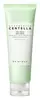
This salicylic acid foaming cleanser is formulated around Salicylic Acid to clear breakouts and unclog pores.
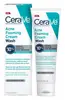
This benzoyl peroxide foaming cleanser is formulated around Benzoyl Peroxide to clear breakouts and help reduce acne-causing bacteria.


What's inside
What's inside
 Key Ingredients
Benefits
Concerns
Ingredients Side-by-side
Water
Skin ConditioningMyristic Acid
Cleansing




Glycerin
Humectant

Potassium Hydroxide
BufferingStearic Acid
Cleansing
Glyceryl Stearate
Emollient
Propanediol
Solvent
Lauryl Hydroxysultaine
CleansingPalmitic Acid
Emollient
Sodium C14-16 Olefin Sulfonate
Cleansing
Potassium Benzoate
Preservative
Salicylic Acid
Masking






Butylene Glycol
Humectant
Sorbitol
Humectant
1,2-Hexanediol
Skin Conditioning
Sodium Chloride
MaskingCentella Asiatica Extract
Cleansing


Acrylates/C10-30 Alkyl Acrylate Crosspolymer
Emulsion StabilisingMelaleuca Alternifolia Leaf Oil
Antioxidant



Cetearyl Alcohol
Emollient

Melaleuca Alternifolia Leaf Water
Antimicrobial
Melia Azadirachta Leaf Extract
Skin ConditioningHydrogenated Polydecene
EmollientArachidic Acid
Cleansing
Lauric Acid
Cleansing
Sodium Citrate
BufferingMelia Azadirachta Flower Extract
Skin ConditioningTrisodium Ethylenediamine Disuccinate
ChelatingOleic Acid
Emollient
Theobroma Cacao Seed Extract
Antioxidant
Dextrin
AbsorbentCitric Acid
Buffering
Disodium EDTA
ChelatingPentylene Glycol
Skin Conditioning
Caprylyl Glycol
Emollient
Chamaecyparis Obtusa Water
MaskingPinus Palustris Leaf Extract
TonicWater, Myristic Acid, Glycerin, Potassium Hydroxide, Stearic Acid, Glyceryl Stearate, Propanediol, Lauryl Hydroxysultaine, Palmitic Acid, Sodium C14-16 Olefin Sulfonate, Potassium Benzoate, Salicylic Acid, Butylene Glycol, Sorbitol, 1,2-Hexanediol, Sodium Chloride, Centella Asiatica Extract, Acrylates/C10-30 Alkyl Acrylate Crosspolymer, Melaleuca Alternifolia Leaf Oil, Cetearyl Alcohol, Melaleuca Alternifolia Leaf Water, Melia Azadirachta Leaf Extract, Hydrogenated Polydecene, Arachidic Acid, Lauric Acid, Sodium Citrate, Melia Azadirachta Flower Extract, Trisodium Ethylenediamine Disuccinate, Oleic Acid, Theobroma Cacao Seed Extract, Dextrin, Citric Acid, Disodium EDTA, Pentylene Glycol, Caprylyl Glycol, Chamaecyparis Obtusa Water, Pinus Palustris Leaf Extract
Benzoyl Peroxide 10%
Water
Skin ConditioningGlycerin
Humectant
Propylene Glycol
Humectant
Cocamidopropyl Hydroxysultaine
Cleansing
Sodium C14-16 Olefin Sulfonate
Cleansing
Potassium Hydroxide
BufferingCeramide NP
Skin Conditioning
Ceramide AP
Skin Conditioning
Ceramide EOP
Skin Conditioning
Carbomer
Emulsion StabilisingNiacinamide
Smoothing

Glycolic Acid
Buffering
Trideceth-6
EmulsifyingTriethyl Citrate
Masking
Sodium Citrate
BufferingSodium Hyaluronate
Humectant
Sodium Hydroxide
BufferingSodium Lauroyl Lactylate
EmulsifyingCholesterol
Emollient
Propanediol
Solvent
Tetrasodium EDTA
ChelatingCaprylyl Glycol
Emollient
Diethylhexyl Sodium Sulfosuccinate
CleansingPhytosphingosine
Skin Conditioning
Xanthan Gum
EmulsifyingAcrylates/C10-30 Alkyl Acrylate Crosspolymer
Emulsion StabilisingBenzoic Acid
Masking
PEG-30 Dipolyhydroxystearate
Emulsifying
Benzoyl Peroxide 10%, Water, Glycerin, Propylene Glycol, Cocamidopropyl Hydroxysultaine, Sodium C14-16 Olefin Sulfonate, Potassium Hydroxide, Ceramide NP, Ceramide AP, Ceramide EOP, Carbomer, Niacinamide, Glycolic Acid, Trideceth-6, Triethyl Citrate, Sodium Citrate, Sodium Hyaluronate, Sodium Hydroxide, Sodium Lauroyl Lactylate, Cholesterol, Propanediol, Tetrasodium EDTA, Caprylyl Glycol, Diethylhexyl Sodium Sulfosuccinate, Phytosphingosine, Xanthan Gum, Acrylates/C10-30 Alkyl Acrylate Crosspolymer, Benzoic Acid, PEG-30 Dipolyhydroxystearate
Reviews
Ingredients Explained
These ingredients are found in both products.
Ingredients higher up in an ingredient list are typically present in a larger amount.
Acrylates/C10-30 Alkyl Acrylate Crosspolymer is a synthetic polymer. It is used to thicken, emulsify, and improve the texture of products.
As an emulsifier, it helps stabilize oil-in-water emulsions to give products an elegant feel when applied.
It can also form a thin protective film on skin. One study found that a formula using this polymer helped slow down how quickly other ingredients (like DEET) were absorbed through skin.
A 2024 study of over 1,300 patients confirmed that sensitization to this ingredient is rare. It is also non-mutagenic and has a clean track record.
Learn more about Acrylates/C10-30 Alkyl Acrylate CrosspolymerCaprylyl Glycol is a humectant, skin conditioner, emollient, and preservative booster derived from either caprylic acid or synthetically created.
Typical use levels vary from 0.3-1% as a preservative booster and go up to 2% to condition skin.
Because it is not a free-fatty acid, this ingredient is fungal acne safe (there's nothing for Malassezia to feed on).
Learn more about Caprylyl GlycolGlycerin (or glycerol) is a compound naturally found in your skin. It's a powerhouse humectant that pulls water into the stratum corneum.
Topically, glycerin does several things at once:
Your skin makes glycerin on its own (mostly from sebaceous oil breakdown) and shuttles it to your outermost layer of skin, or your epidermis, via aquaporin-3.
Aquaporin-3 is a transporter that is essential for normal skin hydration, elasticity, and repair. Interestingly, mice lacking in AQP3 have dry and less elastic skin that can be fully corrected with glycerin.
This ingredient is non-irritating, plays well with almost every ingredient, and works across all skin types. Typical use is anywhere between 3-10% but can go up to 79% in some leave-on products.
Just know very high concentrations (>40%) can feel tacky in low humidity.
Glycerin is the name for this ingredient in American English. British English uses Glycerol/Glycerine.
Learn more about GlycerinPotassium Hydroxide (also known as potash) is a strong alkaline ingredient that does one job: it nudges a product's pH up so the whole formula lands in a skin-friendly range.
It's also the base that turns oils into liquid soap during the soap making process.
An expert safety panel reviewed it and found it safe when formulations are made to be non-irritating.
As a pH adjuster, it's typically used well under 1% though regulatory caps go much higher: 5% in nail cuticle removers and 2-4.5% in hair straighteners.
Though there is some concern for irritation from raw or high pH material, a well-balanced formula will be a non-issue for the vast majority of people.
Learn more about Potassium HydroxidePropanediol is an all-star ingredient. It softens, hydrates, and smooths the skin.
It’s often used to:
Propanediol is not likely to cause sensitivity and considered safe to use. It is derived from corn or petroleum with a clear color and no scent.
Learn more about PropanediolSodium C14-16 Olefin Sulfonate is a surfactant that helps water and oil mix so that dirt, sweat, sebum, and sunscreen can rinse away easily. It's not technically a sulfate, but behaves similarly in formulas.
What it does:
Sodium C14-16 Olefin Sulfonate is a strong cleansing surfactant and is much stronger than many mild cleansers. Because it works deeply, it can disrupt the skin's barrier. This can lead to dryness or irritation for those with sensitive skin.
Compared to gentler surfactants, it's effective but more likely to dry or irritate if not balanced with soothing ingredients.
CIR considers sodium α-olefin sulfonates (including C14-16) to be safe for use in rinse-off products when properly formulated. It is poorly absorbed through normal skin but absorption increases if the skin barrier is already damaged.
Learn more about Sodium C14-16 Olefin SulfonateSodium Citrate is the sodium salts of citric acid. In skincare, it is used to alter pH levels and acts as a preservative.
Its main functions are to maintain the pH of a product and neutralize metal ions.
The acidity of our skin is maintained by our glands and skin biome; normal pH level of skin is slightly acidic (~4.75-5.5).
Being slightly acidic allows our skin to create an "acid mantle". This acid mantle is a thin barrier that protects our skin from bacteria and contaminants.
Learn more about Sodium CitrateWater. It's the most common cosmetic ingredient of all. You'll usually see it at the top of ingredient lists, meaning that it makes up the largest part of the product.
So why is it so popular? Water most often acts as a solvent - this means that it helps dissolve other ingredients into the formulation.
You'll also recognize water as that liquid we all need to stay alive. If you see this, drink a glass of water. Remember to stay hydrated!
Learn more about Water

