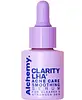
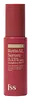
Skin Alchemy Clarity LHA+ Acne Care Serum Versus For Skin’s Sake (FSS) Retinal Serum 0.15% With Samphira Oil
This acne serum is formulated around Potassium Azeloyl Diglycinate and Capryloyl Salicylic Acid to clear breakouts and refine the look of pores.
This anti-aging serum is formulated around Lactobacillus/Collagen/Mesembryanthemum Crystallinum Leaf Extract Ferment Lysate and Retinal to soften the look of wrinkles and refine skin texture.

What's inside
What's inside
 Key Ingredients
Benefits
Concerns
Ingredients Side-by-side
Water
Skin ConditioningButylene Glycol
Humectant

Potassium Azeloyl Diglycinate
Skin Conditioning




PEG-40 Hydrogenated Castor Oil
Emulsifying


Capryloyl Salicylic Acid
Exfoliating


Glycerin
Humectant
Betaine Salicylate
Antimicrobial

Ammonium Acryloyldimethyltaurate/Vp Copolymer
Squalane
Emollient
Salix Alba Bark Extract
Astringent
Niacinamide
Smoothing


Ectoin
Skin Conditioning
Hydroxypinacolone Retinoate
Skin Conditioning
Glycolic Acid
Buffering
Ceramide NP
Skin Conditioning
Ceramide AP
Skin Conditioning
Ceramide EOP
Skin Conditioning
Phytosphingosine
Skin Conditioning
Phellodendron Amurense Bark Extract
Skin ConditioningRehmannia Chinensis Root Extract
Skin ConditioningMelia Azadirachta Leaf Extract
Skin ConditioningScutellaria Baicalensis Root Extract
Astringent
Houttuynia Cordata Extract
Skin Conditioning
Glycine Soja Protein
EmulsifyingAllantoin
Skin Conditioning
Magnesium Aspartate
Skin ConditioningZinc Gluconate
Skin Conditioning
Sodium Hyaluronate
Humectant
Tremella Fuciformis Polysaccharide
Emulsion Stabilising
Lactobacillus/Pear Juice Ferment Filtrate
Skin ConditioningCopper Gluconate
Skin Conditioning
Polyglutamic Acid
Skin Conditioning
Potassium Hyaluronate
Skin ConditioningSodium Hyaluronate Crosspolymer
Humectant
Sodium Acetylated Hyaluronate
Humectant
Hydroxypropyltrimonium Hyaluronate
Hydrolyzed Hyaluronic Acid
Humectant
Hyaluronic Acid
Humectant
Hydrolyzed Sodium Hyaluronate
Skin Conditioning
Cholesterol
Emollient
Tocopherol
Antioxidant

Glyceryl Caprylate
EmollientXanthan Gum
EmulsifyingCarbomer
Emulsion StabilisingPEG-60 Hydrogenated Castor Oil
Emulsifying
Sodium Lauroyl Lactylate
EmulsifyingDimethyl Isosorbide
Solvent1,2-Hexanediol
Skin Conditioning
Pentylene Glycol
Skin Conditioning
Trisodium Ethylenediamine Disuccinate
ChelatingPotassium Hydroxide
BufferingO-Cymen-5-Ol
Antimicrobial
Phenoxyethanol
Preservative
Ethylhexylglycerin
Skin ConditioningWater, Butylene Glycol, Potassium Azeloyl Diglycinate, PEG-40 Hydrogenated Castor Oil, Capryloyl Salicylic Acid, Glycerin, Betaine Salicylate, Ammonium Acryloyldimethyltaurate/Vp Copolymer, Squalane, Salix Alba Bark Extract, Niacinamide, Ectoin, Hydroxypinacolone Retinoate, Glycolic Acid, Ceramide NP, Ceramide AP, Ceramide EOP, Phytosphingosine, Phellodendron Amurense Bark Extract, Rehmannia Chinensis Root Extract, Melia Azadirachta Leaf Extract, Scutellaria Baicalensis Root Extract, Houttuynia Cordata Extract, Glycine Soja Protein, Allantoin, Magnesium Aspartate, Zinc Gluconate, Sodium Hyaluronate, Tremella Fuciformis Polysaccharide, Lactobacillus/Pear Juice Ferment Filtrate, Copper Gluconate, Polyglutamic Acid, Potassium Hyaluronate, Sodium Hyaluronate Crosspolymer, Sodium Acetylated Hyaluronate, Hydroxypropyltrimonium Hyaluronate, Hydrolyzed Hyaluronic Acid, Hyaluronic Acid, Hydrolyzed Sodium Hyaluronate, Cholesterol, Tocopherol, Glyceryl Caprylate, Xanthan Gum, Carbomer, PEG-60 Hydrogenated Castor Oil, Sodium Lauroyl Lactylate, Dimethyl Isosorbide, 1,2-Hexanediol, Pentylene Glycol, Trisodium Ethylenediamine Disuccinate, Potassium Hydroxide, O-Cymen-5-Ol, Phenoxyethanol, Ethylhexylglycerin
Water
Skin ConditioningGlycerin
Humectant
Triethylhexanoin
MaskingLactobacillus/Collagen/Mesembryanthemum Crystallinum Leaf Extract Ferment Lysate
Skin Conditioning
Caprylic/Capric Triglyceride
Masking
Propylene Glycol
Humectant
Polysorbate 80
Emulsifying
Centella Asiatica Leaf Extract
Skin Conditioning
Cetyl Alcohol
Emollient
Glyceryl Stearate
Emollient
Phenoxyethanol
Preservative
Retinal
Skin Conditioning
PEG-7 Glyceryl Cocoate
Emulsifying
Ceramide NP
Skin Conditioning
Sodium Hyaluronate
Humectant
Crithmum Maritimum Extract
Skin ConditioningTromethamine
BufferingPolyglutamic Acid
Skin Conditioning
Hydrolyzed Hyaluronic Acid
Humectant
Hydroxypropyltrimonium Hyaluronate
Butylene Glycol
Humectant
Sucrose Laurate
Emollient
1,2-Hexanediol
Skin Conditioning
Hydroxyacetophenone
Antioxidant
Inulin Lauryl Carbamate
Emulsion StabilisingSodium Acetylated Hyaluronate
Humectant
PEG-75 Stearate
Surfactant
Water, Glycerin, Triethylhexanoin, Lactobacillus/Collagen/Mesembryanthemum Crystallinum Leaf Extract Ferment Lysate, Caprylic/Capric Triglyceride, Propylene Glycol, Polysorbate 80, Centella Asiatica Leaf Extract, Cetyl Alcohol, Glyceryl Stearate, Phenoxyethanol, Retinal, PEG-7 Glyceryl Cocoate, Ceramide NP, Sodium Hyaluronate, Crithmum Maritimum Extract, Tromethamine, Polyglutamic Acid, Hydrolyzed Hyaluronic Acid, Hydroxypropyltrimonium Hyaluronate, Butylene Glycol, Sucrose Laurate, 1,2-Hexanediol, Hydroxyacetophenone, Inulin Lauryl Carbamate, Sodium Acetylated Hyaluronate, PEG-75 Stearate
Reviews
Ingredients Explained
These ingredients are found in both products.
Ingredients higher up in an ingredient list are typically present in a larger amount.
1,2-Hexanediol is a synthetic liquid and another multi-functional powerhouse.
It is a:
- Humectant, drawing moisture into the skin
- Emollient, helping to soften skin
- Solvent, dispersing and stabilizing formulas
- Preservative booster, enhancing the antimicrobial activity of other preservatives
Butylene Glycol (or BG) is used within cosmetic products for a few different reasons:
Overall, Butylene Glycol is a safe and well-rounded ingredient that works well with other ingredients.
Though this ingredient works well with most skin types, some people with sensitive skin may experience a reaction such as allergic rashes, closed comedones, or itchiness.
Learn more about Butylene GlycolCeramide NP (formerly known as Ceramide 3) is one of the skin's naturally occurring lipids.
Since ceramides are the major lipid components of the skin, they are crucial for maintaining skin barrier and hydration. Ceramide NP most closely mirrors the dominant kind in human skin amongst ceramide subtypes.
This ceramide works by slotting into gaps within the stratum corneum's lipid matrix to limit trans-epidermal water loss (TEWL) and shield the skin against external irritants.
A study with 312 patients found that using a ceramide-containing routine for 4 weeks reduced the severity of atopic dermatitis by over 61%.
Another clinical study in subjects aged 60 and older found that a ceramide body wash and moisturizer improved skin dryness and itchy skin in 15 days.
Overall, ceramides are considered non-irritating and safety tests have found little to no observable adverse effects from using this ingredient.
Ceramide NP is usually sourced from plants (like soybean or rice bran), or produced synthetically.
Learn more about Ceramide NPGlycerin (or glycerol) is a compound naturally found in your skin. It's a powerhouse humectant that pulls water into the stratum corneum.
Topically, glycerin does several things at once:
Your skin makes glycerin on its own (mostly from sebaceous oil breakdown) and shuttles it to your outermost layer of skin, or your epidermis, via aquaporin-3.
Aquaporin-3 is a transporter that is essential for normal skin hydration, elasticity, and repair. Interestingly, mice lacking in AQP3 have dry and less elastic skin that can be fully corrected with glycerin.
This ingredient is non-irritating, plays well with almost every ingredient, and works across all skin types. Typical use is anywhere between 3-10% but can go up to 79% in some leave-on products.
Just know very high concentrations (>40%) can feel tacky in low humidity.
Glycerin is the name for this ingredient in American English. British English uses Glycerol/Glycerine.
Learn more about GlycerinHydrolyzed Hyaluronic Acid is hyaluronic acid (HA) that is broken down into lower molecular weight fragments.
It's a humectant that pulls and holds water in the skin to help with hydration, plumpness, and reduce transepidermal water loss.
Because hydrolyzed hyaluronic acid is smaller in size, it can slip past your outermost layer of skin more easily than full-sized HA.
Most formulations will combine all sizes to get the best of both worlds.
Typical usage levels range from 0.01-1%. Any percentage higher than 2% might become goopy and tacky.
Learn more about Hydrolyzed Hyaluronic AcidHydroxypropyltrimonium Hyaluronate is a positively charged version of hyaluronic acid.
This small change does a lot in a formula:
Regular hyaluronic acid carries a negative charge and so does the surface of your skin. This means the two repel each other and hyaluronic acid can be washed away easily. The positive charge here does the opposite: it makes the ingredient cling to your skin (also called "substantivity") so it keeps hydrating even in rinse-off products where it lays down a light, moisture-holding film.
The research backs this up too; a 2025 clinical study on a shower gel containing 0.1% positively charged hyaluronic acid increased skin hydration by 6.6% versus the baseline and 11.1% versus the placebo. This was measured 6 hours after 1 minute of contact and rinse, and on volunteers with very dry skin.
The same team's lab work showed it adhered to skin far better than unmodified hyaluronic acid (+107% vs. low molecular weight, +23% versus high molecular weight). They also found it increased two proteins tied to skin hydration, aquaporin-3 by 16% and filaggrin by 35%.
A separate 2024 study reached a similar conclusion and credited the hydrating benefits to its film-forming properties.
Both studies used the ingredient at 0.1% which also matches how much it usually shows up in products (at fractions of a percent).
One honesty note worth keeping in mind: the published research comes from the company that manufactures the ingredient so independent data would strengthen the picture. However, the results are consistent and the mechanism makes sense.
As a Hyaluronic Acid derivative, it has a well-tolerated profile and suits most skin types.
Learn more about Hydroxypropyltrimonium HyaluronatePhenoxyethanol is one of the most widely used preservatives in skincare (and for good reason!).
It has a large spectrum of antimicrobial activity and especially effective bacteria, yeast, and mold while only having a weak effect on your skin's natural microbiome.
On a cellular level, it disrupts the cell membranes of microbes by poking holes that make the cell leak. This shuts down the chemical reactions the microbe needs to make energy so it can no longer survive.
Another perk of this ingredient is that it stays functional across a wide pH range (3-10).
You'll often see it paired with boosters like Ethylhexylglycerin; one study showed that a 1:9 ratio of Ethylhexylglycerin to Phenoxyethanol damages bacterial membranes as effectively as doubling the Phenoxyethanol concentration on its own.
Typical use concentrations range from 0.3-1% depending on the formula, and this ingredient is capped at 1% int the EU.
Safety-wise, the fear mongering does not hold up to the evidence. The EU's Scientific Committee on Consumer Safety and FDA consider it safe as a preservative at up to 1%, including for children of all ages.
Adverse systemic effects only showed up in animal studies at exposures roughly 200x higher than what people get from cosmetics. And despite its very widespread use, this ingredient is a rare sensitizer and allergic reactions are uncommon.
Learn more about PhenoxyethanolPolyglutamic Acid is made up many glutamic acids chained together. It is created from bacterial fermentation.
This ingredient is an effective skin hydrator and may help speed up wound healing. As a humectant, it draws and holds water to the skin. This ingredient is often compared to hyaluronic acid or glycerin. Similarly to hyaluronic acid, it can vary in molecular weights. This means polyglutamic acid is capable of bringing hydration to lower levels of the skin.
Fun fact: Polyglutamic Acid is found in the Japanese food, natto. It is also being used in cancer treatment studies.
Learn more about Polyglutamic AcidSodium Acetylated Hyaluronate is a type of Hyaluronic Acid.
Hyaluronic Acids help moisturize, soothe, and protect the skin.
Read about common types of Hyaluronic Acid here:
Learn more about Sodium Acetylated HyaluronateSodium Hyaluronate is the salt form of hyaluronic acid. It is a long sugar chain that is naturally found in your skin, joints, and connective tissue that maintains hydration and elasticity.
In skincare, it works as a humectant. It pulls water from the environment and deeper layers of skin and binds it to the surface.
Interestingly, the size of the molecule affects its behavior:
Some clinical evidence links low molecular weight versions to improved wrinkle depth, elasticity, anti-inflammatory effects, and barrier repair.
Many serums use a blend of both weights so you can get surface hydration plus longer-lasting and deeper effects.
You'll typically see concentrations between 0.1-2% for this ingredient.
Learn more about Sodium HyaluronateWater. It's the most common cosmetic ingredient of all. You'll usually see it at the top of ingredient lists, meaning that it makes up the largest part of the product.
So why is it so popular? Water most often acts as a solvent - this means that it helps dissolve other ingredients into the formulation.
You'll also recognize water as that liquid we all need to stay alive. If you see this, drink a glass of water. Remember to stay hydrated!
Learn more about Water

