For Skin’s Sake (FSS) Retinal Serum 0.15% With Samphira Oil Versus PURITO TXA 6 Niacinamide 10 Retinal Serum
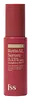
This anti-aging serum is formulated around Lactobacillus/Collagen/Mesembryanthemum Crystallinum Leaf Extract Ferment Lysate and Retinal to soften the look of wrinkles and refine skin texture.
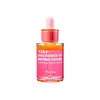
This brightening serum is formulated around Niacinamide and Tranexamic Acid to fade the look of dark spots and soften the look of wrinkles.


What's inside
What's inside
 Key Ingredients
Benefits
Concerns
Ingredients Side-by-side
Water
Skin ConditioningGlycerin
Humectant


Triethylhexanoin
MaskingLactobacillus/Collagen/Mesembryanthemum Crystallinum Leaf Extract Ferment Lysate
Skin Conditioning
Caprylic/Capric Triglyceride
Masking
Propylene Glycol
Humectant

Polysorbate 80
Emulsifying
Centella Asiatica Leaf Extract
Skin Conditioning

Cetyl Alcohol
Emollient
Glyceryl Stearate
Emollient
Phenoxyethanol
Preservative
Retinal
Skin Conditioning







PEG-7 Glyceryl Cocoate
Emulsifying
Ceramide NP
Skin Conditioning
Sodium Hyaluronate
Humectant
Crithmum Maritimum Extract
Skin ConditioningTromethamine
BufferingPolyglutamic Acid
Skin Conditioning
Hydrolyzed Hyaluronic Acid
Humectant
Hydroxypropyltrimonium Hyaluronate
Butylene Glycol
Humectant
Sucrose Laurate
Emollient
1,2-Hexanediol
Skin Conditioning
Hydroxyacetophenone
Antioxidant
Inulin Lauryl Carbamate
Emulsion StabilisingSodium Acetylated Hyaluronate
Humectant
PEG-75 Stearate
Surfactant
Water, Glycerin, Triethylhexanoin, Lactobacillus/Collagen/Mesembryanthemum Crystallinum Leaf Extract Ferment Lysate, Caprylic/Capric Triglyceride, Propylene Glycol, Polysorbate 80, Centella Asiatica Leaf Extract, Cetyl Alcohol, Glyceryl Stearate, Phenoxyethanol, Retinal, PEG-7 Glyceryl Cocoate, Ceramide NP, Sodium Hyaluronate, Crithmum Maritimum Extract, Tromethamine, Polyglutamic Acid, Hydrolyzed Hyaluronic Acid, Hydroxypropyltrimonium Hyaluronate, Butylene Glycol, Sucrose Laurate, 1,2-Hexanediol, Hydroxyacetophenone, Inulin Lauryl Carbamate, Sodium Acetylated Hyaluronate, PEG-75 Stearate
Water
Skin ConditioningNiacinamide
Smoothing
Tranexamic Acid
Astringent
Glycerin
Humectant
Caprylic/Capric Triglyceride
Masking
1,2-Hexanediol
Skin Conditioning
Methylpropanediol
SolventPentylene Glycol
Skin Conditioning
Pvp
Emulsion StabilisingAmmonium Acryloyldimethyltaurate/Vp Copolymer
Butylene Glycol
Humectant
Agar
MaskingGellan Gum
Ethylhexylglycerin
Skin ConditioningSodium Citrate
BufferingHydroxyacetophenone
Antioxidant
Citric Acid
Buffering
Hydroxydecyl Ubiquinone
Antioxidant
Adenosine
Skin Conditioning
Lactococcus Ferment Lysate
Skin Conditioning
Hydrogenated Lecithin
Emulsifying
Centella Asiatica Extract
Cleansing
Ficus Carica Fruit Extract
Humectant
Fructooligosaccharides
Humectant
Cyanocobalamin
Skin ConditioningXanthan Gum
EmulsifyingRetinal
Skin Conditioning
Ceramide NP
Skin Conditioning
Arginine
Masking
Tocopherol
Antioxidant
Glutathione
Bisabolol
Antioxidant
Helianthus Annuus Seed Oil
Emollient
Allantoin
Skin Conditioning
Xanthophylls
Skin ConditioningSodium Chloride
MaskingPhenylpropanol
Masking

Levulinic Acid
Perfuming
Sodium Levulinate
Skin ConditioningWater, Niacinamide, Tranexamic Acid, Glycerin, Caprylic/Capric Triglyceride, 1,2-Hexanediol, Methylpropanediol, Pentylene Glycol, Pvp, Ammonium Acryloyldimethyltaurate/Vp Copolymer, Butylene Glycol, Agar, Gellan Gum, Ethylhexylglycerin, Sodium Citrate, Hydroxyacetophenone, Citric Acid, Hydroxydecyl Ubiquinone, Adenosine, Lactococcus Ferment Lysate, Hydrogenated Lecithin, Centella Asiatica Extract, Ficus Carica Fruit Extract, Fructooligosaccharides, Cyanocobalamin, Xanthan Gum, Retinal, Ceramide NP, Arginine, Tocopherol, Glutathione, Bisabolol, Helianthus Annuus Seed Oil, Allantoin, Xanthophylls, Sodium Chloride, Phenylpropanol, Levulinic Acid, Sodium Levulinate
Reviews
Ingredients Explained
These ingredients are found in both products.
Ingredients higher up in an ingredient list are typically present in a larger amount.
1,2-Hexanediol is a synthetic liquid and another multi-functional powerhouse.
It is a:
- Humectant, drawing moisture into the skin
- Emollient, helping to soften skin
- Solvent, dispersing and stabilizing formulas
- Preservative booster, enhancing the antimicrobial activity of other preservatives
Butylene Glycol (or BG) is used within cosmetic products for a few different reasons:
Overall, Butylene Glycol is a safe and well-rounded ingredient that works well with other ingredients.
Though this ingredient works well with most skin types, some people with sensitive skin may experience a reaction such as allergic rashes, closed comedones, or itchiness.
Learn more about Butylene GlycolCaprylic/Capric Triglyceride (aka MCT Oil) is a lightweight emollient, solvent, and texture enhancer. It is considered a skin-softener by helping to prevent moisture loss.
Though it behaves like an oil, it is not technically one due to its chemical composition. One perk of this ingredient is that it is very stable, resistant to oxidation, and unlikely to go rancid.
In practice, that translates to a long shelf life and a consistently elegant skin feel.
While there is an assumption Caprylic Triglyceride can clog pores due to it being derived from coconut oil, there is no research supporting this. Just patch test if you have concerns.
Fractionated coconut oil and MCT Oil are both listed as Caprylic/Capric Triglyceride according to INCI. This is because INCI names are based on the ingredient’s final chemical composition and not its marketing name or source.
This ingredient is treated as the gold standard fungal acne safe oil. Even though it is coconut derived, the problematic lauric acid is stripped out.
This leaves just caprylic (C8) and capric (C10) acid. These chain lengths actually trend antifungal; a 2020 study found caprylic acid was enough to disrupt Malassezia furfur cell membrane, with a caprylic acid derivative damaging membrane structures at concentrations as low as 0.2%.
Learn more about Caprylic/Capric TriglycerideCeramide NP (formerly known as Ceramide 3) is one of the skin's naturally occurring lipids.
Since ceramides are the major lipid components of the skin, they are crucial for maintaining skin barrier and hydration. Ceramide NP most closely mirrors the dominant kind in human skin amongst ceramide subtypes.
This ceramide works by slotting into gaps within the stratum corneum's lipid matrix to limit trans-epidermal water loss (TEWL) and shield the skin against external irritants.
A study with 312 patients found that using a ceramide-containing routine for 4 weeks reduced the severity of atopic dermatitis by over 61%.
Another clinical study in subjects aged 60 and older found that a ceramide body wash and moisturizer improved skin dryness and itchy skin in 15 days.
Overall, ceramides are considered non-irritating and safety tests have found little to no observable adverse effects from using this ingredient.
Ceramide NP is usually sourced from plants (like soybean or rice bran), or produced synthetically.
Learn more about Ceramide NPGlycerin (or glycerol) is a compound naturally found in your skin. It's a powerhouse humectant that pulls water into the stratum corneum.
Topically, glycerin does several things at once:
Your skin makes glycerin on its own (mostly from sebaceous oil breakdown) and shuttles it to your outermost layer of skin, or your epidermis, via aquaporin-3.
Aquaporin-3 is a transporter that is essential for normal skin hydration, elasticity, and repair. Interestingly, mice lacking in AQP3 have dry and less elastic skin that can be fully corrected with glycerin.
This ingredient is non-irritating, plays well with almost every ingredient, and works across all skin types. Typical use is anywhere between 3-10% but can go up to 79% in some leave-on products.
Just know very high concentrations (>40%) can feel tacky in low humidity.
Glycerin is the name for this ingredient in American English. British English uses Glycerol/Glycerine.
Learn more about GlycerinHydroxyacetophenone is a small phenolic molecule that earns its place in a formulas as an antioxidant and preservative booster.
As a phenol, it is able to neutralize free radicals to protect both the product and the skin from oxidative stress.
Though it can't kill microbes on its own, it works as a good supporting agent when combined with other preservatives like Phenoxyethanol or 1,2-Hexanediol.
This ingredient naturally occurs as piceol in Norwegian spruce needles (~0.4-1.1% dry weight and in cloudberries). Though the cosmetic-grade material is synthesized for purity and consistency.
You'll usually see it used at low levels and suppliers recommend up to 1% added to a water phase.
Safety testing was done at concentrations like 0.05% in SPF products and 0.5% in a Human Repeated Insult Patch Test. The safety evidence is assuring; this ingredient is safe for cosmetics in current use and also holds safety status as a food flavoring as well.
An honest caveat: the "soothing" and "anti-inflammatory" claims come mostly from supplier marketing rather than published clinical trials. The Cosmetic Ingredient Review's own literature search found no useful efficacy studies on this ingredient.
So the antioxidant and preservative-boosting roles are the well supported ones while the calming benefit is plausible but thinly evidenced.
Overall, this is a well-tolerated, low-irritation multitasker that quietly helps a formula stay fresh and stable.
Learn more about HydroxyacetophenoneRetinal (aka retinaldehyde) is a form of retinoid that formulators use mainly as an antiaging and skin-renewing active.
What makes it special is its position in the retinoid family; skin converts it to retinoic acid (the prescription gold standard) in just one step.
Because retinal only requires 1 conversion step to become retinoic acid, it's the strongest over-the-counter retinoid. It also works at lower concentrations than retinol, since retinal is about 10x more bioavailable.
Studies back up its efficacy in skin:
A foundational trial showed that applying 0.05-0.5% retinal for 1-3 months produced a dose-dependent and significant increase in epidermal thickness + cell turnover markers.
And a head-to-head comparison of 0.05% retinal against a 0.05% retinoid acid found both formulations were effective for the basis of wrinkle/skin roughness features, but retinoic acid caused more local irritation.
More recent controlled trials confirm it improves wrinkles, dermal density, and firmness over 12-24 weeks, with significant improvements in skin texture and firmness (particularly with the higher 0.1% concentration).
Retinal also has one trick the other retinoids do not: it directly fights against acne bacteria since a clinical study showed retinaldehyde-treated areas displayed a significant decrease in counts of viable P. acnes.
This makes it a great pick for people who want to treat aging and breakouts.
Typical cosmetic use sits in the 0.05-0.1% range with 0.05% being the gentle starting point and 0.1% giving stronger results.
Like all retinoids, retinal works best with nightly use, a good moisturizer, and daytime sunscreen. It can cause some irritation so ease into it slowly rather than going all in.
The "ramp up" method works well: start with Retinal once a week to give your skin time to adjust, which keeps irritation low.
Slowly add more nights until you reach your goal frequency once your skin feels comfortable.
Retinoids also make your skin more sensitive to the sun in the first few weeks, so wear sunscreen every morning and protect your skin from direct sun while you build up tolerance.
Learn more about RetinalWater. It's the most common cosmetic ingredient of all. You'll usually see it at the top of ingredient lists, meaning that it makes up the largest part of the product.
So why is it so popular? Water most often acts as a solvent - this means that it helps dissolve other ingredients into the formulation.
You'll also recognize water as that liquid we all need to stay alive. If you see this, drink a glass of water. Remember to stay hydrated!
Learn more about Water

