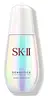
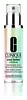
SK-II GenOptics Aura Essence Serum Versus Clinique Even Better Clinical™ Radical Dark Spot Corrector + Interrupter
This brightening serum is formulated around Galactomyces Ferment Filtrate and Niacinamide to fade the look of dark spots and brighten dull-looking skin.
This brightening serum is formulated around Ascorbyl Glucoside and Salicylic Acid to fade the look of dark spots and brighten dull-looking skin.


What's inside
What's inside
 Key Ingredients
Benefits
Concerns
Ingredients Side-by-side
Water
Skin ConditioningGalactomyces Ferment Filtrate
Humectant







Niacinamide
Smoothing






Butylene Glycol
Humectant
Triethylhexanoin
MaskingPentylene Glycol
Skin Conditioning
Glycerin
Humectant
Nylon-12

Phytosteryl/Octyldodecyl Lauroyl Glutamate
Skin ConditioningPolymethylsilsesquioxane

Boron Nitride
Absorbent
Panthenol
Skin Conditioning
PEG-20 Sorbitan Cocoate
Emulsifying


Inositol
Humectant
Caprylic/Capric Triglyceride
Masking
Mica
Cosmetic ColorantPhenoxyethanol
Preservative
Acrylates/C10-30 Alkyl Acrylate Crosspolymer
Emulsion StabilisingPEG-11 Methyl Ether Dimethicone
Emulsifying
Polyacrylamide
Aminomethyl Propanol
BufferingUndecylenoyl Phenylalanine
Skin Conditioning
Benzyl Alcohol
Perfuming




C13-14 Isoparaffin
Emollient
Disodium EDTA
Hydrolyzed Prunus Domestica
Skin ConditioningXanthan Gum
EmulsifyingSodium Benzoate
Masking
Hexyldecanol
Emollient
Laureth-7
EmulsifyingCitrus Reticulata Peel Extract
Skin ConditioningMethylparaben
Preservative
Ascorbyl Glucoside
Antioxidant

Prunus Mume Fruit Extract
Humectant
Tocopherol
Antioxidant
Parfum
Masking
Limonene
Perfuming
Citronellol
Perfuming
Linalool
Perfuming
Geraniol
Perfuming
CI 77891
Cosmetic ColorantWater, Galactomyces Ferment Filtrate, Niacinamide, Butylene Glycol, Triethylhexanoin, Pentylene Glycol, Glycerin, Nylon-12, Phytosteryl/Octyldodecyl Lauroyl Glutamate, Polymethylsilsesquioxane, Boron Nitride, Panthenol, PEG-20 Sorbitan Cocoate, Inositol, Caprylic/Capric Triglyceride, Mica, Phenoxyethanol, Acrylates/C10-30 Alkyl Acrylate Crosspolymer, PEG-11 Methyl Ether Dimethicone, Polyacrylamide, Aminomethyl Propanol, Undecylenoyl Phenylalanine, Benzyl Alcohol, C13-14 Isoparaffin, Disodium EDTA, Hydrolyzed Prunus Domestica, Xanthan Gum, Sodium Benzoate, Hexyldecanol, Laureth-7, Citrus Reticulata Peel Extract, Methylparaben, Ascorbyl Glucoside, Prunus Mume Fruit Extract, Tocopherol, Parfum, Limonene, Citronellol, Linalool, Geraniol, CI 77891
Water
Skin ConditioningCyclopentasiloxane
Emollient
Dimethicone
Emollient
Polysilicone-11
Isododecane
EmollientButylene Glycol
Humectant
Ascorbyl Glucoside
Antioxidant
PEG-10 Dimethicone
Skin Conditioning
PEG-6
HumectantMorus Bombycis Root Extract
Skin ConditioningScutellaria Baicalensis Root Extract
Astringent
Camellia Sinensis Leaf Extract
Antimicrobial
Cucumis Sativus Fruit Extract
Emollient
Saccharomyces Lysate Extract
Humectant
Hordeum Vulgare Extract
EmollientSalicylic Acid
Masking
Triticum Vulgare Germ Extract
Skin ConditioningCholesterol
Emollient
Oryza Sativa Bran Extract
Skin Conditioning
Squalane
Emollient
Acetyl Glucosamine
Skin Conditioning
Sodium Hyaluronate
Humectant
Caffeine
Skin Conditioning
Isohexadecane
EmollientBetula Alba Bark Extract
Masking
Trametes Versicolor Extract
Sodium Rna
Skin ConditioningGlycyrrhetinic Acid
Skin Conditioning
Dimethoxytolyl Propylresorcinol
Antioxidant
Di-C12-18 Alkyl Dimonium Chloride
Skin ConditioningHelianthus Annuus Seedcake
Abrasive
Faex Extract
Skin ConditioningCaprylyl Glycol
Emollient
Propylene Glycol Dicaprate
EmollientAmmonium Acryloyldimethyltaurate/Vp Copolymer
Acrylamide/Sodium Acryloyldimethyltaurate Copolymer
Emulsion StabilisingPolysorbate 20
Emulsifying
Tocopheryl Acetate
Antioxidant
Polysorbate 80
Emulsifying
Tromethamine
BufferingSodium Hydroxide
BufferingHexylene Glycol
EmulsifyingDisodium EDTA
Sodium Benzoate
Masking
Sodium Metabisulfite
Antioxidant
Sodium Sulfite
Preservative
Phenoxyethanol
Preservative
CI 15985
Cosmetic ColorantCI 19140
Cosmetic ColorantWater, Cyclopentasiloxane, Dimethicone, Polysilicone-11, Isododecane, Butylene Glycol, Ascorbyl Glucoside, PEG-10 Dimethicone, PEG-6, Morus Bombycis Root Extract, Scutellaria Baicalensis Root Extract, Camellia Sinensis Leaf Extract, Cucumis Sativus Fruit Extract, Saccharomyces Lysate Extract, Hordeum Vulgare Extract, Salicylic Acid, Triticum Vulgare Germ Extract, Cholesterol, Oryza Sativa Bran Extract, Squalane, Acetyl Glucosamine, Sodium Hyaluronate, Caffeine, Isohexadecane, Betula Alba Bark Extract, Trametes Versicolor Extract, Sodium Rna, Glycyrrhetinic Acid, Dimethoxytolyl Propylresorcinol, Di-C12-18 Alkyl Dimonium Chloride, Helianthus Annuus Seedcake, Faex Extract, Caprylyl Glycol, Propylene Glycol Dicaprate, Ammonium Acryloyldimethyltaurate/Vp Copolymer, Acrylamide/Sodium Acryloyldimethyltaurate Copolymer, Polysorbate 20, Tocopheryl Acetate, Polysorbate 80, Tromethamine, Sodium Hydroxide, Hexylene Glycol, Disodium EDTA, Sodium Benzoate, Sodium Metabisulfite, Sodium Sulfite, Phenoxyethanol, CI 15985, CI 19140
Reviews
Ingredients Explained
These ingredients are found in both products.
Ingredients higher up in an ingredient list are typically present in a larger amount.
Ascorbyl Glucoside (AA-2G) is one of the most stable vitamin C derivatives out there.
It's made by attaching a glucose molecule to ascorbic acid; this glucose "cap" shields the vitamin C from air, light, heat, and metal ions that normally cause pure ascorbic acid to oxidize.
Once on your skin, the enzyme alpha-glucosidase snips off the glucose and gradually releases active ascorbic acid right where it's needed. Basically, it behaves like a slow-release pro-vitamin C with less of a stinging that high-strength ascorbic acid can cause.
The research supports the classic vitamin C benefits as well. In lab and human studies, AA-2G slowed down the skin's production of melanin (the pigment behind dark spots) and helped shield skin cells against sun damage better than ascorbyl phosphate.
These studies also showed AA-2G released vitamin C over a longer period.
A frequently cited manufacturer trial found that a 2% AA-2G face cream significantly improved wrinkle depth and skin roughness after 45 days.
And in 2009, a clinical trial showed it meaningfully lightened dark patches on the gums compared to a placebo.
There's also collagen-synthesis support (since vitamin C is a required cofactor for that) and an antioxidant effect too.
Typical usage is usually between 0.5-5% and most studies/products land around 2%.
AA-2G performs best when formulated at a mildly acidic pH (~5-7) which is much gentler than the pH that pure vitamin C demands (~2.5-3.5).
Just one thing worth knowing: the in-skin conversation rate is only about 55-60% by weight. So a 5% AA-2G product delivers roughly 2.75-3% of actual active vitamin C. On top of that, skin absorption is relatively low because the ingredient is water-soluble.
Learn more about Ascorbyl GlucosideButylene Glycol (or BG) is used within cosmetic products for a few different reasons:
Overall, Butylene Glycol is a safe and well-rounded ingredient that works well with other ingredients.
Though this ingredient works well with most skin types, some people with sensitive skin may experience a reaction such as allergic rashes, closed comedones, or itchiness.
Learn more about Butylene GlycolDisodium EDTA is a chelating agent. It grabs onto and deactivates metal ions that sneak into your products from water, packaging, or air.
This ingredient mainly works behind the scenes and helps with:
On top of that, this ingredient can counteract the effects of hard water by binding to the minerals in it.
One thing worth knowing is that Disodium EDTA has been shown to be a mild penetration enhancer. It can help other ingredients absorb into skin more effectively which can be a double-edged sword (great for actives, but can also make the active too strong if you have sensitive skin).
Clinical patch testing showed no significant skin irritation at typical use concentrations and minimal dermal absorption.
You'll most likely see this ingredient near the end of an ingredient list. It's typically found in concentrations less than 1%.
Learn more about Disodium EDTAPhenoxyethanol is one of the most widely used preservatives in skincare (and for good reason!).
It has a large spectrum of antimicrobial activity and especially effective bacteria, yeast, and mold while only having a weak effect on your skin's natural microbiome.
On a cellular level, it disrupts the cell membranes of microbes by poking holes that make the cell leak. This shuts down the chemical reactions the microbe needs to make energy so it can no longer survive.
Another perk of this ingredient is that it stays functional across a wide pH range (3-10).
You'll often see it paired with boosters like Ethylhexylglycerin; one study showed that a 1:9 ratio of Ethylhexylglycerin to Phenoxyethanol damages bacterial membranes as effectively as doubling the Phenoxyethanol concentration on its own.
Typical use concentrations range from 0.3-1% depending on the formula, and this ingredient is capped at 1% int the EU.
Safety-wise, the fear mongering does not hold up to the evidence. The EU's Scientific Committee on Consumer Safety and FDA consider it safe as a preservative at up to 1%, including for children of all ages.
Adverse systemic effects only showed up in animal studies at exposures roughly 200x higher than what people get from cosmetics. And despite its very widespread use, this ingredient is a rare sensitizer and allergic reactions are uncommon.
Learn more about PhenoxyethanolSodium Benzoate is a preservative. It's used in both cosmetic and food products to inhibit the growth of mold and bacteria. It is typically produced synthetically.
Both the US FDA and EU Health Committee have approved the use of sodium benzoate. In the US, levels of 0.1% (of the total product) are allowed.
Sodium benzoate works as a preservative by inhibiting the growth of bacteria inside of cells. It prevents the cell from fermenting a type of sugar using an enzyme called phosphofructokinase.
It is the salt of benzoic acid. Foods containing sodium benzoate include soda, salad dressings, condiments, fruit juices, wines, and snack foods.
Studies for using ascorbic acid and sodium benzoate in cosmetics are lacking, especially in skincare routines with multiple steps.
We always recommend speaking with a professional, such as a dermatologist, if you have any concerns.
Learn more about Sodium BenzoateWater. It's the most common cosmetic ingredient of all. You'll usually see it at the top of ingredient lists, meaning that it makes up the largest part of the product.
So why is it so popular? Water most often acts as a solvent - this means that it helps dissolve other ingredients into the formulation.
You'll also recognize water as that liquid we all need to stay alive. If you see this, drink a glass of water. Remember to stay hydrated!
Learn more about Water

