
What's inside
What's inside
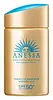 Key Ingredients
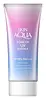
Benefits
Concerns
Ingredients Side-by-side
Dimethicone
Emollient

Water
Skin ConditioningZinc Oxide
Cosmetic Colorant


Alcohol
Antimicrobial




Diisopropyl Sebacate
EmollientIsododecane
EmollientOctocrylene
UV Absorber
Ethylhexyl Salicylate
UV Absorber
C12-15 Alkyl Benzoate
AntimicrobialPEG/PPG-9/2 Dimethyl Ether
Skin ConditioningZea Mays Starch
Absorbent
Talc
Abrasive
Silica
Abrasive
Isopropyl Myristate
Emollient


Diethylamino Hydroxybenzoyl Hexyl Benzoate
UV Filter
Titanium Dioxide
Cosmetic Colorant
PEG-9 Polydimethylsiloxyethyl Dimethicone
Emulsifying
Dextrin Palmitate
Emulsifying
Glycerin
Humectant

Homosalate
Skin Conditioning
Bis-Ethylhexyloxyphenol Methoxyphenyl Triazine
Skin Conditioning
Sodium Chloride
MaskingPEG/PPG-14/7 Dimethyl Ether
Skin ConditioningTrimethylsiloxysilicate
Emollient
Dipotassium Glycyrrhizate
Humectant

Camellia Sinensis Extract
Antioxidant
Potentilla Erecta Root Extract
Skin ConditioningCitrus Unshiu Peel Extract
Masking
Sodium Acetylated Hyaluronate
Humectant

Lauryl Betaine
CleansingSoluble Collagen
Humectant
Ethylhexyl Triazone
UV Absorber
Disteardimonium Hectorite
StabilisingPEG-10 Dimethicone
Skin Conditioning
Isostearic Acid
Cleansing
Triethoxycaprylylsilane
Polyglyceryl-6 Polyricinoleate
Emulsifying
Aluminum Hydroxide
EmollientStearic Acid
Cleansing
Trisodium EDTA
PEG-6
HumectantTocopherol
Antioxidant


BHT
Antioxidant
Butylene Glycol
Humectant
Bis-Butyldimethicone Polyglyceryl-3
Cleansing
Sodium Metabisulfite
Antioxidant
Phenoxyethanol
Preservative
Sodium Benzoate
Masking
Parfum
Masking
Synthetic Fluorphlogopite
Dimethicone, Water, Zinc Oxide, Alcohol, Diisopropyl Sebacate, Isododecane, Octocrylene, Ethylhexyl Salicylate, C12-15 Alkyl Benzoate, PEG/PPG-9/2 Dimethyl Ether, Zea Mays Starch, Talc, Silica, Isopropyl Myristate, Diethylamino Hydroxybenzoyl Hexyl Benzoate, Titanium Dioxide, PEG-9 Polydimethylsiloxyethyl Dimethicone, Dextrin Palmitate, Glycerin, Homosalate, Bis-Ethylhexyloxyphenol Methoxyphenyl Triazine, Sodium Chloride, PEG/PPG-14/7 Dimethyl Ether, Trimethylsiloxysilicate, Dipotassium Glycyrrhizate, Camellia Sinensis Extract, Potentilla Erecta Root Extract, Citrus Unshiu Peel Extract, Sodium Acetylated Hyaluronate, Lauryl Betaine, Soluble Collagen, Ethylhexyl Triazone, Disteardimonium Hectorite, PEG-10 Dimethicone, Isostearic Acid, Triethoxycaprylylsilane, Polyglyceryl-6 Polyricinoleate, Aluminum Hydroxide, Stearic Acid, Trisodium EDTA, PEG-6, Tocopherol, BHT, Butylene Glycol, Bis-Butyldimethicone Polyglyceryl-3, Sodium Metabisulfite, Phenoxyethanol, Sodium Benzoate, Parfum, Synthetic Fluorphlogopite
Water
Skin ConditioningAlcohol
Antimicrobial
Ethylhexyl Methoxycinnamate
UV Absorber
Butylene Glycol
Humectant
Diphenylsiloxy Phenyl Trimethicone
Skin Conditioning
Diethylamino Hydroxybenzoyl Hexyl Benzoate
UV Filter
Titanium Dioxide
Cosmetic Colorant
Sodium Hyaluronate
Humectant
Sodium Ascorbyl Phosphate
Antioxidant

Oenothera Biennis Flower Extract
AstringentHydrolyzed Prunus Domestica
Skin ConditioningBarm Extract
Skin ConditioningBis-PEG-18 Methyl Ether Dimethyl Silane
EmollientMethyl Methacrylate Crosspolymer
Bis-Ethylhexyloxyphenol Methoxyphenyl Triazine
Skin Conditioning
Acrylates Copolymer
Polysorbate 60
Emulsifying
Acrylates/C10-30 Alkyl Acrylate Crosspolymer
Emulsion StabilisingTriethanolamine
BufferingAmmonium Acryloyldimethyltaurate/Vp Copolymer
Silica
Abrasive
PEG-12 Dimethicone
Skin Conditioning
Polystyrene
Polyvinyl Alcohol
Disodium EDTA
Xanthan Gum
EmulsifyingAlumina
Abrasive
BHT
Antioxidant
Polyglyceryl-2 Triisostearate
Emulsifying
Synthetic Fluorphlogopite
Tin Oxide
Abrasive
CI 73360
Cosmetic ColorantCI 42090
Cosmetic ColorantParfum
Masking
Water, Alcohol, Ethylhexyl Methoxycinnamate, Butylene Glycol, Diphenylsiloxy Phenyl Trimethicone, Diethylamino Hydroxybenzoyl Hexyl Benzoate, Titanium Dioxide, Sodium Hyaluronate, Sodium Ascorbyl Phosphate, Oenothera Biennis Flower Extract, Hydrolyzed Prunus Domestica, Barm Extract, Bis-PEG-18 Methyl Ether Dimethyl Silane, Methyl Methacrylate Crosspolymer, Bis-Ethylhexyloxyphenol Methoxyphenyl Triazine, Acrylates Copolymer, Polysorbate 60, Acrylates/C10-30 Alkyl Acrylate Crosspolymer, Triethanolamine, Ammonium Acryloyldimethyltaurate/Vp Copolymer, Silica, PEG-12 Dimethicone, Polystyrene, Polyvinyl Alcohol, Disodium EDTA, Xanthan Gum, Alumina, BHT, Polyglyceryl-2 Triisostearate, Synthetic Fluorphlogopite, Tin Oxide, CI 73360, CI 42090, Parfum
Reviews
Ingredients Explained
These ingredients are found in both products.
Ingredients higher up in an ingredient list are typically present in a larger amount.
This ingredient is also called ethanol or ethyl alcohol. It is denatured, meaning made undrinkable for cosmetic use.
In formulas, it:
Is it bad for your skin?
The answer comes down to concentration. Patch and wash studies have found highly concentrated alcohol-based hand rubs (60-100%) cause less barrier disruption than washing with a basic detergent like SLS. The only measurable effect in these studies was a temporary dip in skin hydration.
Concentrations below 12-15% in leave-on cosmetics is generally well-tolerated. Concentrations above start to see increased transepidermal water loss (TEWL) and reduced hydration.
In concentrations about 58%, it creates temporary channels in your skin's lipid layers to become more permeable and allow other ingredients to slip through easily.
This ingredient can be up to 80% of the formula in alcohol-based perfumes.
Overall, this ingredient is probably harmless if found lower down an ingredients list but worth side-eyeing if it's high up (especially if your barrier is already struggling).
Alcohol can worsen dry skin, eczema, and oily skin, especially at higher concentrations. This is because it can increase transepidermal water loss and decrease hydration to disrupt the skin barrier.
According to the National Rosacea Society based in the US, you should be mindful of products with these alcohols in the top half of ingredients.
True allergic contact dermatitis to ethanol is uncommon, but be sure to patch test if you have dry or sensitive skin.
Learn more about AlcoholBHT is a synthetic antioxidant and preservative.
As an antioxidant, it helps your body fight off free-radicals. Free-radicals are molecules that may damage your skin cells.
As a preservative, it is used to stabilize products and prevent them from degrading. Specifically, BHT prevents degradation from oxidation.
The concerns related to BHT come from oral studies; this ingredient is currently allowed for use by both the FDA and EU.
However, it was recently restricted for use in the UK as of April 2024.
Learn more about BHTThis ingredient is better known as bemotrizinol or Tinosorb S and is one of the best broad-spectrum UV filters in modern sunscreen.
It works by absorbing UV light across a whole range (280-400 nm) with peaks around 310 nm (UVB) and 340-345 nm (UVA). This means it covers UVB plus the deeper UVA wavelengths that drive photoaging and pigmentation.
Another pro?
It's exceptionally photostable, barely degrades in sunlight, and acts as a "bodyguard" for less stable filters.
That's why you'll see it paired with avobenzone or octinoxate; this team up ensures they keep working through sun exposure.
Safety reviews have been reassuring across the board. This ingredient shows low absorption through the skin, rarely irritates, and lab studies found it doesn't act like a hormone in the body (a concern that's been raised about some older sunscreen filters).
On maximum concentrations:
In 2026, the US F.D.A finally added it as an OTC sunscreen ingredient at concentrations up to 6% for adults / children 6 months and older
Learn more about Bis-Ethylhexyloxyphenol Methoxyphenyl TriazineButylene Glycol (or BG) is used within cosmetic products for a few different reasons:
Overall, Butylene Glycol is a safe and well-rounded ingredient that works well with other ingredients.
Though this ingredient works well with most skin types, some people with sensitive skin may experience a reaction such as allergic rashes, closed comedones, or itchiness.
Learn more about Butylene GlycolDiethylamino Hydroxybenzoyl Hexyl Benzoate (DHHB) is a chemical UV-A absorber. It is formulated for high UVA protection (320-400 nm).
DHHB is well-liked for:
DHHB has been approved by the EU, Japan, Taiwan, and South America for use up to 10%. Unfortunately, it has not been approved for use in the US or Canada due to slow regulatory processes.
This ingredient is soluble in oils, fats, and lipids.
Learn more about Diethylamino Hydroxybenzoyl Hexyl BenzoateParfum is a catch-all term for an ingredient or more that is used to give a scent to products.
Also called "fragrance", this ingredient can be a blend of hundreds of chemicals or plant oils. This means every product with "fragrance" or "parfum" in the ingredients list is a different mixture.
For instance, Habanolide is a proprietary trade name for a specific aroma chemical. When used as a fragrance ingredient in cosmetics, most aroma chemicals fall under the broad labeling category of “FRAGRANCE” or “PARFUM” according to EU and US regulations.
The term 'parfum' or 'fragrance' is not regulated in many countries. In many cases, it is up to the brand to define this term.
For instance, many brands choose to label themselves as "fragrance-free" because they are not using synthetic fragrances. However, their products may still contain ingredients such as essential oils that are considered a fragrance by INCI standards.
One example is Calendula flower extract. Calendula is an essential oil that still imparts a scent or 'fragrance'.
Depending on the blend, the ingredients in the mixture can cause allergies and sensitivities on the skin. Some ingredients that are known EU allergens include linalool and citronellol.
Parfum can also be used to mask or cover an unpleasant scent.
The bottom line is: not all fragrances/parfum/ingredients are created equally. If you are worried about fragrances, we recommend taking a closer look at an ingredient. And of course, we always recommend speaking with a professional.
Learn more about ParfumSilica, also known as silicon dioxide, is a naturally occurring mineral. It is used as a fine, spherical, and porous powder in cosmetics.
Though it has exfoliant properties, the function of silica varies depending on the product.
The unique structure of silica enhances the spreadability and adds smoothness, making it a great texture enhancer.
It is also used as an active carrier, emulsifier, and mattifier due to its ability to absorb excess oil.
In some products, tiny microneedles called spicules are made from silica or hydrolyzed sponge. When you rub them in, they lightly polish away dead skin layers and enhance the penetration of active ingredients.
Learn more about SilicaSynthetic Fluorphlogopite is the synthethic version of mica. It consists of fluorine, aluminum and silicate.
Synthetic Fluorphlogopite is used to add volume to products.
It is considered non-irritating on the skin.
Learn more about Synthetic FluorphlogopiteTitanium dioxide is a mineral UV filter widely used in sunscreens and cosmetics.
It is one of only two UV filters officially classified as “mineral” by regulatory agencies, the other being zinc oxide.
Titanium dioxide provides broad-spectrum protection mostly in the UVB and UVAII range, with some protection in the UVAI range.
While its UVA protection isn’t as strong as zinc oxide’s, the difference is minor.
A common myth is that mineral UV filters reflect UV light. However, modern research shows titanium dioxide absorbs UV radiation like chemical filters (~95% absorption & 5% reflection).
Thanks to its non-irritating nature, titanium dioxide is suitable for sensitive, acne-prone, or redness-prone skin. It is unlikely to cause "eye sting" like other sunscreen ingredients.
A major drawback of this ingredient is its white cast and thick texture. This is why mineral sunscreens often leave a white cast and are less cosmetically elegant than chemical/hybrid sunscreens.
To improve white cast and spreadability, micronized or nano-sized titanium dioxide is often used.
There are ongoing concerns surrounding nano-titanium oxide's impact on marine ecosystems.
There is no conclusive evidence that any form of titanium oxide (or any other sunscreen ingredients) will cause harm to marine ecosystems or coral reefs. The science is still developing but many consumers are keeping a close eye on this issue.
Please note, many destinations have reef-safety sunscreen rules. For instance, the U.S. Virgin Islands advises all visitors to use non-nano mineral sunscreens.
Nano mineral sunscreens once raised safety concerns about absorption into skin.
Extensive research has shown that they do not penetrate healthy or damaged skin; they remain safely on the surface and the top layer of dead skin (stratum corneum).
You'll likely find titanium dioxide bundled with alumina, silica, or dimethicone. These ingredients help make titanium dioxide highly photostable; this prevents it from interacting with other formula components under UV light.
Learn more about Titanium DioxideWater. It's the most common cosmetic ingredient of all. You'll usually see it at the top of ingredient lists, meaning that it makes up the largest part of the product.
So why is it so popular? Water most often acts as a solvent - this means that it helps dissolve other ingredients into the formulation.
You'll also recognize water as that liquid we all need to stay alive. If you see this, drink a glass of water. Remember to stay hydrated!
Learn more about Water
