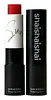
This lip moisturizer is formulated around Bis-Diglyceryl Polyacyladipate-2 and Sodium Hyaluronate to hydrate lips.
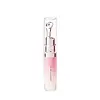
This lip moisturizer is formulated around Ascorbyl Tetraisopalmitate and Palmitoyl Tripeptide-1 to hydrate lips.


What's inside
What's inside
 Key Ingredients
Benefits
Concerns
Ingredients Side-by-side
Diisostearyl Malate
EmollientBis-Diglyceryl Polyacyladipate-2
Emollient


Polyisobutene
Octyldodecanol
Emollient
Phytosteryl/Isostearyl/Cetyl/Stearyl/Behenyl Dimer Dilinoleate
Skin Conditioning
Ceresin
Emulsion StabilisingMicrocrystalline Wax
Emulsion StabilisingSynthetic Wax
Abrasive

Dipentaerythrityl Hexahydroxystearate/Hexastearate/Hexarosinate
Skin ConditioningVp/Hexadecene Copolymer
Euphorbia Cerifera Wax
1,2-Hexanediol
Skin Conditioning
Sorbitan Sesquioleate
Emulsifying
Menthol
Masking



Menthyl Lactate
Masking
Vanillyl Butyl Ether
MaskingWater
Skin ConditioningCI 77492
Cosmetic ColorantCI 15850
Cosmetic ColorantCI 15985
Cosmetic ColorantCI 45410
Cosmetic ColorantButyrospermum Parkii Butter
Skin Conditioning

Camellia Japonica Seed Oil
Emollient
Rosa Canina Fruit Oil
Emollient
Tocopheryl Acetate
Antioxidant


Hydrogenated Polyisobutene
EmollientEthylhexylglycerin
Skin ConditioningCI 19140
Cosmetic ColorantButylene Glycol
Humectant
Sodium Hyaluronate
Humectant


Jasminum Officinale Flower Extract
Masking
Lilium Candidum Flower Extract
Skin ConditioningRose Extract
Skin ConditioningCamellia Sinensis Leaf Extract
Antimicrobial


Freesia Refracta Extract
Skin ConditioningIris Ensata Extract
Skin ConditioningLeontopodium Alpinum Extract
Skin ConditioningNelumbium Speciosum Flower Extract
Skin ConditioningAnemarrhena Asphodeloides Root Extract
Skin Conditioning
Diisostearyl Malate, Bis-Diglyceryl Polyacyladipate-2, Polyisobutene, Octyldodecanol, Phytosteryl/Isostearyl/Cetyl/Stearyl/Behenyl Dimer Dilinoleate, Ceresin, Microcrystalline Wax, Synthetic Wax, Dipentaerythrityl Hexahydroxystearate/Hexastearate/Hexarosinate, Vp/Hexadecene Copolymer, Euphorbia Cerifera Wax, 1,2-Hexanediol, Sorbitan Sesquioleate, Menthol, Menthyl Lactate, Vanillyl Butyl Ether, Water, CI 77492, CI 15850, CI 15985, CI 45410, Butyrospermum Parkii Butter, Camellia Japonica Seed Oil, Rosa Canina Fruit Oil, Tocopheryl Acetate, Hydrogenated Polyisobutene, Ethylhexylglycerin, CI 19140, Butylene Glycol, Sodium Hyaluronate, Jasminum Officinale Flower Extract, Lilium Candidum Flower Extract, Rose Extract, Camellia Sinensis Leaf Extract, Freesia Refracta Extract, Iris Ensata Extract, Leontopodium Alpinum Extract, Nelumbium Speciosum Flower Extract, Anemarrhena Asphodeloides Root Extract
Petrolatum
Emollient
Hydrogenated Polyisobutene
EmollientOctyldodecanol
Emollient
Polyglyceryl-2 Triisostearate
Emulsifying
Triisostearyl Citrate
EmollientC10-30 Cholesterol/Lanosterol Esters
Emulsifying
Ascorbyl Tetraisopalmitate
Antioxidant

Ethylene/Propylene/Styrene Copolymer
Ricinus Communis Seed Oil
Masking
Squalane
Emollient
Dipalmitoyl Hydroxyproline
Skin Conditioning
Sodium Hyaluronate
Humectant
Butyrospermum Parkii Butter
Skin Conditioning
Tocopherol
Antioxidant
Hydrogenated Castor Oil
Emollient
Palmitoyl Tripeptide-1
Skin Conditioning

Ceramide NP
Skin Conditioning
Ceramide Ns
Skin Conditioning
Ceramide As
Skin Conditioning
Ceramide EOP
Skin Conditioning
Ceramide AP
Skin Conditioning
Parfum
Masking
Butylene/Ethylene/Styrene Copolymer
Ethylhexyl Palmitate
Emollient
Disodium EDTA
ChelatingTribehenin
Emollient
Sorbitan Isostearate
Emulsifying
Pentaerythrityl Tetra-Di-T-Butyl Hydroxyhydrocinnamate
Antioxidant
Glycerin
Humectant
Hydrogenated Lecithin
Emulsifying
Petrolatum, Hydrogenated Polyisobutene, Octyldodecanol, Polyglyceryl-2 Triisostearate, Triisostearyl Citrate, C10-30 Cholesterol/Lanosterol Esters, Ascorbyl Tetraisopalmitate, Ethylene/Propylene/Styrene Copolymer, Ricinus Communis Seed Oil, Squalane, Dipalmitoyl Hydroxyproline, Sodium Hyaluronate, Butyrospermum Parkii Butter, Tocopherol, Hydrogenated Castor Oil, Palmitoyl Tripeptide-1, Ceramide NP, Ceramide Ns, Ceramide As, Ceramide EOP, Ceramide AP, Parfum, Butylene/Ethylene/Styrene Copolymer, Ethylhexyl Palmitate, Disodium EDTA, Tribehenin, Sorbitan Isostearate, Pentaerythrityl Tetra-Di-T-Butyl Hydroxyhydrocinnamate, Glycerin, Hydrogenated Lecithin
Reviews
Ingredients Explained
These ingredients are found in both products.
Ingredients higher up in an ingredient list are typically present in a larger amount.
This ingredient is also known as shea butter. It is a plant-derived extract from the nuts of the Africa shea tree and one of the most well-studied emollients.
Because it has a high concentration of fatty acids (primarily oleic, stearic, and linoleic) it is able to form a protective barrier on the skin's surface. This helps seal in moisture and prevents transepidermal water loss (TEWL).
In vitro research found an increase in skin hydration by 58% and a decrease in TEWL by 37.8% after 24 hours of applying this ingredient (pretty impressive for a single ingredient!).
Besides hydration, shea butter also contains triterpenes that have anti-inflammatory potential. In particule, lupeol cinnamate has shown the highest anti-inflammatory activity in vivo.
Shea butter also contains vitamins A and E which may contribute to antioxidant activity.
While Shea Butter has an SPF rating of about 3-4, it is not a sunscreen replacement.
This ingredient may not be fungal acne safe because its fatty acids fall within the C11-C24 range that the Malassezia yeast can metabolize.
This ingredient shows up on a lot of "pore-clogging" lists but there's no real evidence behind that. It doesn't even have a comedogenic rating from an actual study; the numbers you'll find online come from blogs citing other blogs.
Ratings for other ingredients mostly come from a 1980s rabbit ear test. This test doesn't translate well to human skin or to real products because the ingredient sits at a much lower percentage.
Some people still find it breaks them out. So if that's you, definitely trust your skin. Just know this one's based on experience and not evidence.
Learn more about Butyrospermum Parkii ButterHydrogenated Polyisobutene is a synthetic polymer. Polymers are compounds with high molecular weight. Hydrogenated Polyisobutene is an emollient and texture enhancer.
In one study, Hydrogenated Polyisobutene showed better skin hydration levels than Caprylic/Capric Triglyceride. As an emollient, it helps keep your skin soft and hydrated by trapping moisture in.
Hydrogenated Polyisobutene is often used as a mineral oil replacement.
Learn more about Hydrogenated PolyisobuteneOctyldodecanol is a fatty alcohol sourced from plant oils like coconut or palm (or made synthetically).
It is:
You'll likely see this in many BHA products because this is the go-to solvent for salicylic acid.
This ingredient is typically used at levels between 2-20%.
Regarding fungal acne:
In 2019, this ingredient was tested against multiple Malassezia species (the yeast that causes fungal acne) and showed no growth.
Sodium Hyaluronate is the salt form of hyaluronic acid. It is a long sugar chain that is naturally found in your skin, joints, and connective tissue that maintains hydration and elasticity.
In skincare, it works as a humectant. It pulls water from the environment and deeper layers of skin and binds it to the surface.
Interestingly, the size of the molecule affects its behavior:
Some clinical evidence links low molecular weight versions to improved wrinkle depth, elasticity, anti-inflammatory effects, and barrier repair.
Many serums use a blend of both weights so you can get surface hydration plus longer-lasting and deeper effects.
You'll typically see concentrations between 0.1-2% for this ingredient.
Learn more about Sodium Hyaluronate

