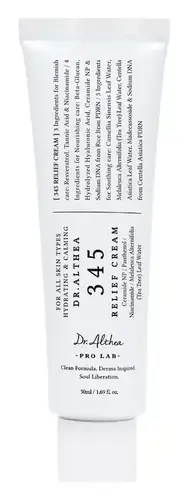
This brightening serum is formulated around Niacinamide and Papain to fade the look of dark spots and refine skin texture.
This barrier-repair treatment is formulated around Ectoin and Sphingolipids to strengthen the skin barrier and hydrate skin.


What's inside
What's inside
 Key Ingredients
Benefits
Concerns
Ingredients Side-by-side
Water
Skin ConditioningPropanediol
Solvent

Niacinamide
Smoothing










Pentylene Glycol
Skin Conditioning
Glycerin
Humectant
Saccharomyces/Xylinum/Black Tea Ferment
Skin Conditioning

Maltodextrin
Absorbent
Sodium Polyacrylate
Absorbent
Saccharide Isomerate
Humectant
Papain
Skin Conditioning
Sodium Benzoate
Masking
Sodium Phytate
ChelatingXanthan Gum
EmulsifyingPotassium Sorbate
Preservative
Citric Acid
Buffering
Sodium Citrate
BufferingWater
Skin ConditioningGlycerin
Humectant
Butylene Glycol
Humectant
Pentaerythrityl Tetraisostearate
Emollient
Butylene Glycol Dicaprylate/Dicaprate
EmollientDiisostearyl Malate
EmollientCetyl Ethylhexanoate
EmollientMethyl Trimethicone
Skin Conditioning
Butyrospermum Parkii Butter
Skin Conditioning


Phenyl Trimethicone
Skin Conditioning
Behenyl Alcohol
Emollient
Cetearyl Olivate
Cetearyl Alcohol
Emollient
Squalane
Emollient
Persea Gratissima Oil
Skin Conditioning
Sorbitan Olivate
Emulsifying
C14-22 Alcohols
Emulsion Stabilising
Ectoin
Skin Conditioning
Dipropylene Glycol
HumectantSimethicone
Emollient
Ethylhexylglycerin
Skin ConditioningSphingolipids
Emollient
Arachidyl Glucoside
Emulsifying1,2-Hexanediol
Skin Conditioning
Glucose
Humectant
Ceramide NP
Skin Conditioning
Polyacrylate-13
Hydroxyacetophenone
Antioxidant
Palmitic Acid
Emollient
Arachidyl Alcohol
Emollient
C11-13 Isoparaffin
Solvent
Stearic Acid
Cleansing
C12-20 Alkyl Glucoside
EmulsifyingHydrogenated Polyisobutene
EmollientIsohexadecane
EmollientCaprylyl Glycol
Emollient
Dimethiconol
Emollient
Allantoin
Skin Conditioning
Carbomer
Emulsion StabilisingAmmonium Acryloyldimethyltaurate/Vp Copolymer
Tromethamine
BufferingSodium Hyaluronate
Humectant
Polyglyceryl-10 Laurate
Skin Conditioning
Ethylhexyl Palmitate
Emollient
Sorbitan Isostearate
Emulsifying
Sodium Phytate
ChelatingCyanocobalamin
Skin ConditioningDipotassium Glycyrrhizate
Humectant
Tocopherol
Antioxidant
Water, Glycerin, Butylene Glycol, Pentaerythrityl Tetraisostearate, Butylene Glycol Dicaprylate/Dicaprate, Diisostearyl Malate, Cetyl Ethylhexanoate, Methyl Trimethicone, Butyrospermum Parkii Butter, Phenyl Trimethicone, Behenyl Alcohol, Cetearyl Olivate, Cetearyl Alcohol, Squalane, Persea Gratissima Oil, Sorbitan Olivate, C14-22 Alcohols, Ectoin, Dipropylene Glycol, Simethicone, Ethylhexylglycerin, Sphingolipids, Arachidyl Glucoside, 1,2-Hexanediol, Glucose, Ceramide NP, Polyacrylate-13, Hydroxyacetophenone, Palmitic Acid, Arachidyl Alcohol, C11-13 Isoparaffin, Stearic Acid, C12-20 Alkyl Glucoside, Hydrogenated Polyisobutene, Isohexadecane, Caprylyl Glycol, Dimethiconol, Allantoin, Carbomer, Ammonium Acryloyldimethyltaurate/Vp Copolymer, Tromethamine, Sodium Hyaluronate, Polyglyceryl-10 Laurate, Ethylhexyl Palmitate, Sorbitan Isostearate, Sodium Phytate, Cyanocobalamin, Dipotassium Glycyrrhizate, Tocopherol
Reviews
Ingredients Explained
These ingredients are found in both products.
Ingredients higher up in an ingredient list are typically present in a larger amount.
Glycerin (or glycerol) is a compound naturally found in your skin. It's a powerhouse humectant that pulls water into the stratum corneum.
Topically, glycerin does several things at once:
Your skin makes glycerin on its own (mostly from sebaceous oil breakdown) and shuttles it to your outermost layer of skin, or your epidermis, via aquaporin-3.
Aquaporin-3 is a transporter that is essential for normal skin hydration, elasticity, and repair. Interestingly, mice lacking in AQP3 have dry and less elastic skin that can be fully corrected with glycerin.
This ingredient is non-irritating, plays well with almost every ingredient, and works across all skin types. Typical use is anywhere between 3-10% but can go up to 79% in some leave-on products.
Just know very high concentrations (>40%) can feel tacky in low humidity.
Glycerin is the name for this ingredient in American English. British English uses Glycerol/Glycerine.
Learn more about GlycerinSodium Phytate is the sodium salt of Phytic acid, a compound that plants store phosphorus in. It's the plant-derived alternative to ingredients like Disodium EDTA.
In skincare, this ingredient is a chelator that grabs onto trace metal ions like iron and copper that sneak into formulas through water/raw materials.
Those metals speed up oxidation so binding them keeps oils, fragrance, and actives from going off, stops color changes, and helps the preservative system work harder.
Survey data shows usage levels range from 0.0099%-0.5% in leave-on products, 0.025%-0.3% in rinse-off, and up to 0.05% in eye-area products. Suppliers typically recommend a range between 0.05-0.5%.
Learn more about Sodium PhytateWater. It's the most common cosmetic ingredient of all. You'll usually see it at the top of ingredient lists, meaning that it makes up the largest part of the product.
So why is it so popular? Water most often acts as a solvent - this means that it helps dissolve other ingredients into the formulation.
You'll also recognize water as that liquid we all need to stay alive. If you see this, drink a glass of water. Remember to stay hydrated!
Learn more about Water