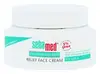
This barrier-repair moisturizer is formulated around Urea and Panthenol to strengthen the skin barrier and hydrate skin.
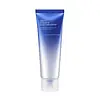
This barrier-repair moisturizer is formulated around Urea and Niacinamide to strengthen the skin barrier and hydrate skin.


What's inside
What's inside
 Key Ingredients
Benefits
Concerns
Ingredients Side-by-side
Water
Skin ConditioningCaprylic/Capric Triglyceride
Masking


Urea
Buffering

Propylene Glycol
Humectant

Tocopheryl Acetate
Antioxidant


Glyceryl Stearate Citrate
Emollient
Panthenol
Skin Conditioning


Cetearyl Alcohol
Emollient


Asiaticoside
Antioxidant
Asiatic Acid
Skin Conditioning
Madecassic Acid
Skin Conditioning
Bisabolol
Antioxidant
Citric Acid
Buffering
Sodium Carbomer
Emulsion StabilisingSodium Hydroxide
BufferingParfum
Masking


Benzyl Alcohol
Perfuming


Phenoxyethanol
Preservative
Sodium Benzoate
Masking
Water
Skin ConditioningUrea
Buffering
Methylpropanediol
SolventGlycerin
Humectant
Polyglyceryl-3 Methylglucose Distearate
Emulsifying
Pentaerythrityl Tetraethylhexanoate
Emollient
Niacinamide
Smoothing




Isononyl Isononanoate
EmollientDicaprylyl Carbonate
EmollientCetyl Ethylhexanoate
EmollientCetearyl Alcohol
Emollient
Vinyldimethicone

1,2-Hexanediol
Skin Conditioning
Saccharide Hydrolysate
HumectantPanthenol
Skin Conditioning
Glyceryl Stearate
Emollient
Stearic Acid
Cleansing
Hydroxypropyl Bispalmitamide Mea
Emollient
Carbomer
Emulsion StabilisingMannitol
Humectant
Tromethamine
BufferingSodium Stearoyl Glutamate
CleansingSodium Acrylate/Sodium Acryloyldimethyl Taurate Copolymer
Emulsion StabilisingPalmitic Acid
Emollient
Polyisobutene
Ethylhexylglycerin
Skin ConditioningDimethiconol
Emollient
Allantoin
Skin Conditioning
Dipotassium Glycyrrhizate
Humectant
Ceramide NP
Skin Conditioning
Adenosine
Skin Conditioning
Acrylates/Ammonium Methacrylate Copolymer
Sorbitan Oleate
Emulsifying
Caprylyl/Capryl Glucoside
CleansingCholesterol
Emollient
Silica
Abrasive
Tocopherol
Antioxidant
Simmondsia Chinensis Seed Oil
Emollient
Argania Spinosa Kernel Oil
Emollient
Camellia Japonica Seed Oil
Emollient
Madecassic Acid
Skin Conditioning
Asiaticoside
Antioxidant
Asiatic Acid
Skin Conditioning
Glycine Soja Oil
Emollient
Polyglyceryl-10 Oleate
Skin Conditioning
Hydrogenated Lecithin
Emulsifying
Cocos Nucifera Oil
Masking
Water, Urea, Methylpropanediol, Glycerin, Polyglyceryl-3 Methylglucose Distearate, Pentaerythrityl Tetraethylhexanoate, Niacinamide, Isononyl Isononanoate, Dicaprylyl Carbonate, Cetyl Ethylhexanoate, Cetearyl Alcohol, Vinyldimethicone, 1,2-Hexanediol, Saccharide Hydrolysate, Panthenol, Glyceryl Stearate, Stearic Acid, Hydroxypropyl Bispalmitamide Mea, Carbomer, Mannitol, Tromethamine, Sodium Stearoyl Glutamate, Sodium Acrylate/Sodium Acryloyldimethyl Taurate Copolymer, Palmitic Acid, Polyisobutene, Ethylhexylglycerin, Dimethiconol, Allantoin, Dipotassium Glycyrrhizate, Ceramide NP, Adenosine, Acrylates/Ammonium Methacrylate Copolymer, Sorbitan Oleate, Caprylyl/Capryl Glucoside, Cholesterol, Silica, Tocopherol, Simmondsia Chinensis Seed Oil, Argania Spinosa Kernel Oil, Camellia Japonica Seed Oil, Madecassic Acid, Asiaticoside, Asiatic Acid, Glycine Soja Oil, Polyglyceryl-10 Oleate, Hydrogenated Lecithin, Cocos Nucifera Oil
Reviews
Ingredients Explained
These ingredients are found in both products.
Ingredients higher up in an ingredient list are typically present in a larger amount.
Asiatic Acid is one of the four main actives found in Centella Asiatica. Its headline job is stimulating collagen.
Lab tests on human skin cells show Asiatic Acid tells your skin to make more collagen, the protein that keeps skin firm and bouncy.
It also calms inflammation and acts as an antioxidant so it can help skin heal faster, rebuild itself, and repair a damaged barrier.
And on naming, even though "acid" is in the name, it's nothing like an AHA or BHA exfoliant. It's a gentle firming and soothing ingredient that supports your skin barrier.
Concentration-wise, Asiatic Acid is potent at very low doses and usually shows up as a small fraction of a broader centella extract.
Analyses of centella material put Asiatic Acid reported in the range of 0.2-3% of the extract.
This ingredient is non-sensitizing and guinea pig sensitization testing also found it to be a weak sensitizer. That means the risk of acquiring contact sensitivty is quite low.
Allergic contact dermatitis does exist but is also very rare; documented cases tend to involve prolonged use on broken skin plus co-sensitization to fragrance ingredients.
Learn more about Asiatic AcidAsiaticoside comes from the super popular skin-soothing ingredient, Centella asiatica. It's the reason centella-based products have a strong reputation for repairing and calming skin, along with its sibling compound Madecassoside.
Research from 2016-2025 supports its role in:
You'll usually find this in concentrations between 0.2-5%.
Learn more about AsiaticosideCetearyl alcohol is a waxy mixture of two fatty alcohols: cetyl alcohol and stearyl alcohol. It is an emollient and emulsifier.
Despite having "alcohol" in its name, it has nothing to do with drying solvent alcohols; the FDA also allows "alcohol-free" products to contain fatty alcohols like this ingredient.
It plays several roles in a formula:
Typical use levels for this ingredient sit around 1-10% and the Cosmetic Ingredient Review Expert Panel has affirmed safety at concentrations up to 25% in leave-on products.
Multiple assessments have found it to be non-irritating and non-sensitizing to most people.
However, there have been some cases of allergic contact dermatitis in patients with chronically compromised skin barriers.
Cetearyl alcohol has a comedogenic rating of 2 and irritancy rating of 1. Both of these numbers come from the 1989 study that used rabbit ears; a "2" means mildly comedogenic and a "1" means low irritancy.
Here's the catch: rabbit skin is more sensitive than human skin and throws a lot of false positives. A 1996 reappraisal found that ingredients rated 1-2 in the rabbit ear tests are generally safe for humans.
Remember comedogenic ratings are unable to assess the entire formula of a product or how it will react on your skin. Just be sure to patch test if you are unsure about certain ingredients.
This ingredient is not fungal acne safe. Cetearyl alcohol is a fatty alcohol with chain lengths that fall within the range that Malassezia can metabolize.
A 2019 study has also observed Malassezia growth in the presence of this ingredient, confirming it to be not-fungal acne safe.
Learn more about Cetearyl AlcoholMadecassic Acid is one of the four star actives in Centella Asiatica. In skincare, it earns its keep as a calming and repairing ingredient.
It works through the same core pathways as the rest of the centella family.
First, it turns down inflammation so it helps with things like redness and general upset skin.
Second, it acts as an antioxidant which means it helps protect skin from daily stress and damage.
And third, it nudges the skin to make more collagen and rebuild its support structure.
That combination is why the whole Centella family is known for calming skin, strengthening the barrier, fading redness, and giving anti-aging benefits.
It's worth being honest about the evidence here; a lot of the strongest data is on the full extract or a Madecassoside/Asiaticoside rather than Madecassic Acid alone. Reviewers also note more long-term clinical trials are needed to confirm the full potential.
Concentration-wise, this ingredient is rarely used pure and usually shows up as part of a standardized centella extract where reported content ranges from 0.02-3.06%.
Finished products typically run somewhere in the 0.1-10% range depending on the format.
In real-world tolerance tests, a repeat-insult patch test on an eye lotion with 0.2% Centella extract showed no irritation or allergic contact dermatitis in 54 subjects. And a mascara with 0.5% Madecassoside caused neither irritation nor sensitization in 109 subjects.
Allergy risk is very low, but not zero. Centella and its constituents are classified as weak contact sensitizers and some rare cases of allergic contact dermatitis exist.
Learn more about Madecassic AcidPanthenol is a common ingredient that helps hydrate and soothe the skin. It is found naturally in our skin and hair.
There are two forms of panthenol: D and L.
D-panthenol is also known as dexpanthenol. Most cosmetics use dexpanthenol or a mixture of D and L-panthenol.
Panthenol is famous due to its ability to go deeper into the skin's layers. Using this ingredient has numerous pros (and no cons):
Like hyaluronic acid, panthenol is a humectant. Humectants are able to bind and hold large amounts of water to keep skin hydrated.
This ingredient works well for wound healing. It works by increasing tissue in the wound and helps close open wounds.
Once oxidized, panthenol converts to pantothenic acid. Panthothenic acid is found in all living cells.
This ingredient is also referred to as pro-vitamin B5.
Learn more about PanthenolUrea is also called carbamide and is the diamide of carbonic acid. In cosmetics, urea is used to hydrate the skin. It also provides exfoliation in higher concentrations.
As a humectant, urea helps draw moisture from the air and from deep within the skin. This helps hydrate your skin. Studies show urea is an effective moisturizer for dry skin conditions. 40% urea is typical in medications for treating eczema and other skin conditions.
Urea has the strongest exfoliation effect in concentrations higher than 10%. It is a keratolytic agent, meaning it breaks down the keratin protein in the top layer of skin. This helps remove dead skin cells and flaking skin.
In medicine, urea has been shown to help increase the potency of other ingredients, such as fungal treatments.
Humans and animals use urea to metabolize nitrogen-containing compounds. Urea is highly soluble in water. Once dissolved, it is neither acidic nor alkaline.
Urea is actually one of the more well-studied and well-supported ingredients out there if you have eczema.
Clinical trials have shown that urea creams in the 5 - 10% range can:
Higher concentrations (20 -30%) can also help with thickened, scaly patches but is also more likely to sting on active flares.
Skip urea if you have rosacea. The AAD (American Academy of Dermatology) lists it alongside alcohol, menthol, and fragrance as a potential irritant for rosacea-prone skin. Urea's keratolytic and penetration-enhancing properties can trigger stinging, burning, and redness.
As always, your skin is unique, so definitely check in with your dermatologist.
Learn more about UreaWater. It's the most common cosmetic ingredient of all. You'll usually see it at the top of ingredient lists, meaning that it makes up the largest part of the product.
So why is it so popular? Water most often acts as a solvent - this means that it helps dissolve other ingredients into the formulation.
You'll also recognize water as that liquid we all need to stay alive. If you see this, drink a glass of water. Remember to stay hydrated!
Learn more about Water

