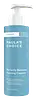
This mild cream cleanser is made to cleanse without leaving your skin tight or dry.


What's inside
What's inside
 Key Ingredients
Benefits
Concerns
Ingredients Side-by-side
Alcohol Denat.
Antimicrobial




Butylene Glycol
Humectant

Glycerin
Humectant
1,2-Hexanediol
Skin Conditioning
PEG-80 Hydrogenated Castor Oil
Emulsifying
Betaine
Humectant
Arginine
Masking
Polyquaternium-10
Sodium Hyaluronate
Humectant


Vinegar Extract
EmollientCentella Asiatica Extract
Cleansing
Aloe Barbadensis Extract
Skin Conditioning
Hydrogenated Lecithin
Emulsifying
Polyglyceryl-10 Stearate
Skin Conditioning
Glycine
Buffering
Glutamic Acid
Humectant
Glutamine
Skin ConditioningLysine Hcl
Skin Conditioning
Leucine
Skin ConditioningMethionine
Skin ConditioningValine
MaskingSerine
Masking
Cysteine Hcl
Antioxidant
Citrulline
Skin ConditioningAspartic Acid
Masking
Isoleucine
Skin ConditioningAlanine
Masking
Arginine Hcl
Skin ConditioningOrnithine
Skin ConditioningCarnitine
Cleansing

Tyrosine
MaskingThreonine
Tryptophan
MaskingPanthenol
Skin Conditioning
Phenylalanine
Masking
Proline
Skin Conditioning
Menthol
Masking
Hydrolyzed Roe
Skin ConditioningOryza Sativa Extract
Absorbent
Hydrolyzed Milk
EmollientHydrolyzed Keratin
Humectant
Hydrolyzed Collagen
Emollient
Histidine Hcl
Skin ConditioningDiospyros Kaki Fruit Extract
Skin ConditioningCamellia Japonica Leaf Extract
Skin ConditioningCeratonia Siliqua Fruit Extract
MaskingNiacinamide
Smoothing


Biotin
AntiseborrhoeicPyridoxine
Skin ConditioningCyanocobalamin
Skin ConditioningTocopherol
Antioxidant
Riboflavin
Cosmetic ColorantBeta-Carotene
Skin ConditioningThiamine Hcl
MaskingAllantoin
Skin Conditioning
Sodium Citrate
BufferingDisodium EDTA
ChelatingCocodimonium Hydroxypropyl Hydrolyzed Wheat Protein
CleansingParfum
Masking

Sodium PCA
Humectant
Trideceth-10
CleansingLactic Acid
Buffering
Sodium Ascorbyl Phosphate
Antioxidant
Salicylic Acid
Masking

Alcohol Denat., Butylene Glycol, Glycerin, 1,2-Hexanediol, PEG-80 Hydrogenated Castor Oil, Betaine, Arginine, Polyquaternium-10, Sodium Hyaluronate, Vinegar Extract, Centella Asiatica Extract, Aloe Barbadensis Extract, Hydrogenated Lecithin, Polyglyceryl-10 Stearate, Glycine, Glutamic Acid, Glutamine, Lysine Hcl, Leucine, Methionine, Valine, Serine, Cysteine Hcl, Citrulline, Aspartic Acid, Isoleucine, Alanine, Arginine Hcl, Ornithine, Carnitine, Tyrosine, Threonine, Tryptophan, Panthenol, Phenylalanine, Proline, Menthol, Hydrolyzed Roe, Oryza Sativa Extract, Hydrolyzed Milk, Hydrolyzed Keratin, Hydrolyzed Collagen, Histidine Hcl, Diospyros Kaki Fruit Extract, Camellia Japonica Leaf Extract, Ceratonia Siliqua Fruit Extract, Niacinamide, Biotin, Pyridoxine, Cyanocobalamin, Tocopherol, Riboflavin, Beta-Carotene, Thiamine Hcl, Allantoin, Sodium Citrate, Disodium EDTA, Cocodimonium Hydroxypropyl Hydrolyzed Wheat Protein, Parfum, Sodium PCA, Trideceth-10, Lactic Acid, Sodium Ascorbyl Phosphate, Salicylic Acid
Water
Skin ConditioningSodium Lauroamphoacetate
CleansingSodium Cocoyl Isethionate
Cleansing
Stearic Acid
Cleansing
Glycerin
Humectant
Glycol Distearate
Emollient
Helianthus Annuus Seed Oil
Emollient
Acrylates Copolymer
Cetearyl Alcohol
Emollient

Sodium Hyaluronate
Humectant
Ceramide NP
Skin Conditioning
Ceramide AP
Skin Conditioning
Ceramide EOP
Skin Conditioning
Phytosphingosine
Skin Conditioning
Phospholipids
Skin Conditioning
Sphingolipids
Emollient
Lecithin
Emollient
Arginine
Masking
Cholesterol
Emollient
Aloe Barbadensis Leaf Extract
Emollient
Disodium EDTA
ChelatingSodium Chloride
MaskingSodium Hydroxide
BufferingSodium Lauroyl Lactylate
EmulsifyingXanthan Gum
EmulsifyingCarbomer
Emulsion StabilisingHexylene Glycol
EmulsifyingPhenoxyethanol
Preservative
Caprylyl Glycol
Emollient
Water, Sodium Lauroamphoacetate, Sodium Cocoyl Isethionate, Stearic Acid, Glycerin, Glycol Distearate, Helianthus Annuus Seed Oil, Acrylates Copolymer, Cetearyl Alcohol, Sodium Hyaluronate, Ceramide NP, Ceramide AP, Ceramide EOP, Phytosphingosine, Phospholipids, Sphingolipids, Lecithin, Arginine, Cholesterol, Aloe Barbadensis Leaf Extract, Disodium EDTA, Sodium Chloride, Sodium Hydroxide, Sodium Lauroyl Lactylate, Xanthan Gum, Carbomer, Hexylene Glycol, Phenoxyethanol, Caprylyl Glycol
Reviews
Ingredients Explained
These ingredients are found in both products.
Ingredients higher up in an ingredient list are typically present in a larger amount.
Arginine is a semi-essential amino acid. This just means our bodies can product a bit on its own, but sometimes needs a little boost from food sources.
It is a part of your skin's natural moisturizing factor (NMF), or the water-loving molecules in your outermost layer of skin (stratum corneum) that keeps everything hydrated and happy.
Here's an interesting thing about Arginine: your skin converts it into urea through the Krebs-Henseleit urea cycle. Urea is one of the most effective humectants your skin naturally produces.
A clinical study showed applying 2.5% arginine hydrochloride to atopic dermatitis skin showed significant urea levels in the stratum corneum and improved moisture in just four weeks.
Arginine is also a precursor to nitric oxide; nitric oxide improves microcirculation and supports wound healing and collagen synthesis.
One study found that an amino acid complex containing Arginine reduced skin irritation, improved hydration, and accelerated skin repair in clinical / in-vivo studies.
Arginine itself is an amino acid and not a fatty acid, oil, or ester. On its own, it's not a direct food source for Malassezia, or the yeast that causes fungal acne.
Learn more about ArginineDisodium EDTA is a chelating agent. It grabs onto and deactivates metal ions that sneak into your products from water, packaging, or air.
This ingredient mainly works behind the scenes and helps with:
On top of that, this ingredient can counteract the effects of hard water by binding to the minerals in it.
One thing worth knowing is that Disodium EDTA has been shown to be a mild penetration enhancer. It can help other ingredients absorb into skin more effectively which can be a double-edged sword (great for actives, but can also make the active too strong if you have sensitive skin).
Clinical patch testing showed no significant skin irritation at typical use concentrations and minimal dermal absorption.
You'll most likely see this ingredient near the end of an ingredient list. It's typically found in concentrations less than 1%.
Learn more about Disodium EDTAGlycerin (or glycerol) is a compound naturally found in your skin. It's a powerhouse humectant that pulls water into the stratum corneum.
Topically, glycerin does several things at once:
Your skin makes glycerin on its own (mostly from sebaceous oil breakdown) and shuttles it to your outermost layer of skin, or your epidermis, via aquaporin-3.
Aquaporin-3 is a transporter that is essential for normal skin hydration, elasticity, and repair. Interestingly, mice lacking in AQP3 have dry and less elastic skin that can be fully corrected with glycerin.
This ingredient is non-irritating, plays well with almost every ingredient, and works across all skin types. Typical use is anywhere between 3-10% but can go up to 79% in some leave-on products.
Just know very high concentrations (>40%) can feel tacky in low humidity.
Glycerin is the name for this ingredient in American English. British English uses Glycerol/Glycerine.
Learn more about GlycerinSodium Hyaluronate is the salt form of hyaluronic acid. It is a long sugar chain that is naturally found in your skin, joints, and connective tissue that maintains hydration and elasticity.
In skincare, it works as a humectant. It pulls water from the environment and deeper layers of skin and binds it to the surface.
Interestingly, the size of the molecule affects its behavior:
Some clinical evidence links low molecular weight versions to improved wrinkle depth, elasticity, anti-inflammatory effects, and barrier repair.
Many serums use a blend of both weights so you can get surface hydration plus longer-lasting and deeper effects.
You'll typically see concentrations between 0.1-2% for this ingredient.
Learn more about Sodium Hyaluronate

