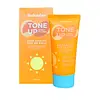
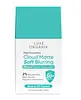
Schades Beauty Tone Up UV Block Day Cream SPF 50 PA++ Versus Luxe Organix High Protection Cloud Matte Soft Blurring Mineral Serum Sunscreen SPF 50+ PA++++
This brightening day moisturizer is formulated around Camellia Sinensis Leaf Extract and 3-O-Ethyl Ascorbic Acid to brighten dull-looking skin and hydrate skin.
This hybrid sunscreen covers the full UV range and blocks ~98% of UVB at SPF 50.

What's inside
What's inside
 Key Ingredients
Benefits
Concerns
Ingredients Side-by-side
Water
Skin ConditioningEthylhexyl Palmitate
Emollient




Ethylhexyl Stearate
Emollient
Cetyl Dimethicone
Emollient
Caprylic/Capric Triglyceride
Masking


Titanium Dioxide
Cosmetic Colorant

Magnesium Stearate
Cosmetic ColorantGlycerin
Humectant
Sodium Chloride
MaskingPolyglyceryl-3 Diisostearate
Emulsifying
Cetyl PEG/PPG-10/1 Dimethicone
Emulsifying
Cera Alba
Emollient
Iodopropynyl Butylcarbamate
Preservative
Pelargonium Graveolens Flower Oil
Masking




Hamamelis Virginiana Extract
Antiseborrhoeic
Aloe Barbadensis Extract
Skin Conditioning

Lavandula Angustifolia Extract
Skin Conditioning
Camellia Sinensis Leaf Extract
Antimicrobial




Calendula Officinalis Extract
Skin Conditioning
CI 77499
Cosmetic ColorantCI 77491
Cosmetic ColorantAllantoin
Skin Conditioning
3-O-Ethyl Ascorbic Acid
Skin Conditioning

Tocopherol
Antioxidant

Water, Ethylhexyl Palmitate, Ethylhexyl Stearate, Cetyl Dimethicone, Caprylic/Capric Triglyceride, Titanium Dioxide, Magnesium Stearate, Glycerin, Sodium Chloride, Polyglyceryl-3 Diisostearate, Cetyl PEG/PPG-10/1 Dimethicone, Cera Alba, Iodopropynyl Butylcarbamate, Pelargonium Graveolens Flower Oil, Hamamelis Virginiana Extract, Aloe Barbadensis Extract, Lavandula Angustifolia Extract, Camellia Sinensis Leaf Extract, Calendula Officinalis Extract, CI 77499, CI 77491, Allantoin, 3-O-Ethyl Ascorbic Acid, Tocopherol
Water
Skin ConditioningCyclopentasiloxane
Emollient
Zinc Oxide
Cosmetic Colorant
Butyloctyl Salicylate
Skin Conditioning
Dimethicone
Emollient
Dipropylene Glycol
HumectantTitanium Dioxide
Cosmetic Colorant
Isododecane
EmollientCetyl PEG/PPG-10/1 Dimethicone
Emulsifying
PEG-10 Dimethicone
Skin Conditioning
Niacinamide
Smoothing

Polymethyl Methacrylate
Cyclomethicone
Emollient
Hydrogenated Polydecene
EmollientSilica
Abrasive
Propanediol
Solvent
Hydrogen Dimethicone
Dimethicone/Vinyl Dimethicone Crosspolymer
Skin Conditioning
Vinyl Dimethicone/Methicone Silsesquioxane Crosspolymer
Sodium Chloride
MaskingSorbitan Sesquioleate
Emulsifying
Aluminum Hydroxide
EmollientDisteardimonium Hectorite
StabilisingPolyhydroxystearic Acid
Emulsifying
Stearic Acid
Cleansing
Polyglyceryl-2 Triisostearate
Emulsifying
CI 77492
Cosmetic ColorantCaprylyl Glycol
Emollient
Ethylhexylglycerin
Skin ConditioningAdenosine
Skin Conditioning
CI 77491
Cosmetic ColorantBisabolol
Antioxidant
Quartz
Abrasive
Pentaerythrityl Tetra-Di-T-Butyl Hydroxyhydrocinnamate
Antioxidant
Butylene Glycol
Humectant
CI 77499
Cosmetic ColorantGlycerin
Humectant
1,2-Hexanediol
Skin Conditioning
Centella Asiatica Extract
Cleansing
Camellia Sinensis Leaf Extract
Antimicrobial
Lactobacillus Ferment
Skin Conditioning
Prunus Mume Fruit Extract
Humectant
Prunus Persica Leaf Extract
Emollient
Salix Nigra Bark Extract
Skin ProtectingMorus Alba Root Extract
BleachingCornus Officinalis Fruit Extract
Skin ConditioningGlycyrrhiza Glabra Root Extract
Bleaching
Artemisia Princeps Leaf Extract
Skin ConditioningHouttuynia Cordata Extract
Skin Conditioning
Citrus Junos Fruit Extract
Skin ConditioningAngelica Gigas Root Extract
Skin ConditioningPueraria Lobata Root Extract
HumectantScutellaria Baicalensis Root Extract
Astringent
Astragalus Membranaceus Root Extract
Emollient
Sophora Japonica Root Extract
Skin ProtectingPhenoxyethanol
Preservative
Beta-Glucan
Skin Conditioning
Asiaticoside
Antioxidant
Madecassic Acid
Skin Conditioning
Asiatic Acid
Skin Conditioning
Madecassoside
Antioxidant
Water, Cyclopentasiloxane, Zinc Oxide, Butyloctyl Salicylate, Dimethicone, Dipropylene Glycol, Titanium Dioxide, Isododecane, Cetyl PEG/PPG-10/1 Dimethicone, PEG-10 Dimethicone, Niacinamide, Polymethyl Methacrylate, Cyclomethicone, Hydrogenated Polydecene, Silica, Propanediol, Hydrogen Dimethicone, Dimethicone/Vinyl Dimethicone Crosspolymer, Vinyl Dimethicone/Methicone Silsesquioxane Crosspolymer, Sodium Chloride, Sorbitan Sesquioleate, Aluminum Hydroxide, Disteardimonium Hectorite, Polyhydroxystearic Acid, Stearic Acid, Polyglyceryl-2 Triisostearate, CI 77492, Caprylyl Glycol, Ethylhexylglycerin, Adenosine, CI 77491, Bisabolol, Quartz, Pentaerythrityl Tetra-Di-T-Butyl Hydroxyhydrocinnamate, Butylene Glycol, CI 77499, Glycerin, 1,2-Hexanediol, Centella Asiatica Extract, Camellia Sinensis Leaf Extract, Lactobacillus Ferment, Prunus Mume Fruit Extract, Prunus Persica Leaf Extract, Salix Nigra Bark Extract, Morus Alba Root Extract, Cornus Officinalis Fruit Extract, Glycyrrhiza Glabra Root Extract, Artemisia Princeps Leaf Extract, Houttuynia Cordata Extract, Citrus Junos Fruit Extract, Angelica Gigas Root Extract, Pueraria Lobata Root Extract, Scutellaria Baicalensis Root Extract, Astragalus Membranaceus Root Extract, Sophora Japonica Root Extract, Phenoxyethanol, Beta-Glucan, Asiaticoside, Madecassic Acid, Asiatic Acid, Madecassoside
Reviews
Ingredients Explained
These ingredients are found in both products.
Ingredients higher up in an ingredient list are typically present in a larger amount.
Camellia Sinensis Leaf Extract (tea extract) is one of the most well-researched plant extracts in skincare with an impressive resume.
Black tea, green tea, and oolong tea are all harvested from the Camellia Sinensis plant.
Studies show green tea extract and its catechins (like epigallocatechin gallate (EGCG)) help your skin cells product energy more efficiently and reducing the number of free-radicals that can damage your skin from the inside.
In lab-grown skin models, this translated to younger, healthier, and stronger skin.
There's also good sun protection data; researchers saw less DNA damage and redness on human skin when green tea was applied before UVB exposure. And the more they applied, the better the protection.
Needless to say, this ingredient shouldn't replace your sunscreen. But it is a great supportive ingredient that you can already find in many sunscreens and antioxidant serums.
A 2009 study found a 2% green tea lotion was effective for mild-to-moderate acne thanks to its anti-inflammatory and mild antimicrobial activity.
The quality of the extract matters a lot here:
Good extracts contain 50-90% catechins while lower quality ones are mostly there for marketing. We recommend reaching out to the brand if you have questions about the quality or source of their ingredients.
Human Repeated Insult Patch Testing showed no irritation or sensitization at use concentrations (0.86% in leave-on products and up to 30% as leaf water).
Learn more about Camellia Sinensis Leaf ExtractThis ingredient is a silicone-based emulsifer that helps the water and oil phases play nicely together.
It's pretty effective because one end of the molecule loves oil and the other one loves water.
Besides holding formulas together, it also leaves a silky and lightweight feel on skin without the greasiness. A manufacturer also claims it can help with the controlled release of active ingredients.
The CIR Expert Panel found this ingredient to not be sensitizing in concentrations up to 15% in human maximazation testing and dimethicone-based compounds were not comedogenic.
It has a high molecular weight well above 1,000 g/mol which means it limits meaningful skin penetration.
A 2019 study specifically tested this ingredient and found no observable Malassezia growth in its presence.
Learn more about Cetyl PEG/PPG-10/1 DimethiconeCi 77491 is also hydrated iron III oxide. It's sole purpose is to give a red/pink hue to products.
Iron III oxides are classified as inorganic chemicals for coloring.
Synthetically created Ci 77491 is considered safer than those naturally found. This is because the synthetically created version may contain less impurities. Iron oxides are generally non-toxic and non-allergenic.
Learn more about CI 77491Ci 77499 is also hydrated iron III oxide. It is created from mixing red and black iron oxides. This helps give shades of darkness to a product.
Iron III oxides are classified as inorganic chemicals for coloring.
Glycerin (or glycerol) is a compound naturally found in your skin. It's a powerhouse humectant that pulls water into the stratum corneum.
Topically, glycerin does several things at once:
Your skin makes glycerin on its own (mostly from sebaceous oil breakdown) and shuttles it to your outermost layer of skin, or your epidermis, via aquaporin-3.
Aquaporin-3 is a transporter that is essential for normal skin hydration, elasticity, and repair. Interestingly, mice lacking in AQP3 have dry and less elastic skin that can be fully corrected with glycerin.
This ingredient is non-irritating, plays well with almost every ingredient, and works across all skin types. Typical use is anywhere between 3-10% but can go up to 79% in some leave-on products.
Just know very high concentrations (>40%) can feel tacky in low humidity.
Glycerin is the name for this ingredient in American English. British English uses Glycerol/Glycerine.
Learn more about GlycerinChances are, you eat sodium chloride every day. Sodium Chloride is also known as table salt. This ingredient has many purposes in skincare: thickener, emulsifier, and exfoliator.
You'll most likely find this ingredient in cleansers where it is used to create a gel-like texture. As an emulsifier, it also prevents ingredients from separating.
You might see people debate whether Sodium Chloride is comedogenic, but there actually haven't been any comedogenic tests done on it. Either way, the overall formulation of a product matters a lot more than any single ingredient.
You might see this ingredient used in scrubs as a primary exfoliating ingredient.
Learn more about Sodium ChlorideTitanium Dioxide (TD) is a mineral UV filter widely used in sunscreens and cosmetics.
It's one of only two UV filters officially classified as "mineral" by regulatory agencies (the other being Zinc Oxide).
A really common myth is that mineral filters work by reflecting UV light off your skin like tiny mirrors.
They don't only do that; modern research shows TD protects mostly by absorbing UV radiation, the same way chemical filters do.
When researchers measured this, reflection accounted for only about 4-5% of the protection (and less than SPF 2 on its own). The other ~95% comes from absorption: the UV photons hit the particle and their energy gets soaked up by its semiconductor band gap rather than bouncing off.
So "reflects vs. absorbs" was never really the right way to split mineral from chemical filters.
TD gives broad-spectrum protection that's strongest in the UVB and UVA-2 range and weaker in the UVA-1 range. Its UVA protection isn't quite as strong as Zinc Oxide's which is why you'll often see the two paired together.
Together, they make a solid broad-spectrum system.
TD is a great pick for sensitive, acne-prone, or redness-prone skin because it's non-irritating and chemically inert. Regulatory reviews classify it as a non-sensitizer and mild-to-non-irritant.
It's also unlikely to cause the "eye sting" some chemical filters are known for.
The main trade-off is cosmetic; TD can leave a white cast and has a thicker texture. This is why mineral sunscreens are often less cosmetically elegant than chemical or hybrid formulas (and harder to shade-match on deeper skin tones).
Formulators often use micronized or nano-sized TD to cut down on white case and improve spreadability. Smaller particles scatter less visible light so the formula looks less chalky while still filtering UV.
TD is almost always bundled with coatings like Alumina, Silica, Stearic Acid, or Dimethicone. These coatings do two important jobs:
TD can be used at up to 25% in a finished sunscreen; this is the regulatory ceiling in both the US and the EU.
In practice, the amount in any given product varies a lot depending on the target SPF and whether it's paired with other UV filters.
TD is one of the most heavily vetted sunscreen ingredients out there. It is approved as a UV filter in all major markets worldwide, including the US, EU, UK, Japan, Korea, China, Australia, and Canada.
The safety evidence is solid. There was an old worry that nano particles might absorb through skin into the body but multiple studies (including on damaged, sunburned, and UV-irradiated skin) have shown that TD stays on the surface and the layer of dead skin cells on top of everything else.
There's also no evidence of carcinogenicity, mutagenicity, or reproductive toxicity from dermal exposure of this ingredient.
For those who have seen the headline about a 2022 EU ban on TD, that was on TD as a food additive (a complete separate use from topical sunscreen).
There are ongoing questions about how nano-TD might affect marine ecosystems. As of now, there has been no conclusive evidence that any form of TD (or any other sunscreen filter) harms coral reefs or marine life.
The science is still developing and it's a space worth watching rather than packing over.
However, several destinations have reef-safety sunscreen rules that restrict certain chemical filters and steer visitors toward mineral, non-nano options. If you're traveling somewhere with these rules, a non-nano mineral sunscreen is the safe bet.
Learn more about Titanium DioxideWater. It's the most common cosmetic ingredient of all. You'll usually see it at the top of ingredient lists, meaning that it makes up the largest part of the product.
So why is it so popular? Water most often acts as a solvent - this means that it helps dissolve other ingredients into the formulation.
You'll also recognize water as that liquid we all need to stay alive. If you see this, drink a glass of water. Remember to stay hydrated!
Learn more about Water

