Saturday Skin Yuzu Vitamin C Sleep Mask Versus The Creme Shop Sanrio Kuromi Klean Beauty Intensive Overnight Moisture Gelee Mask
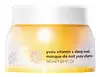
This brightening overnight mask is formulated around Niacinamide and Ascorbic Acid to brighten dull-looking skin.
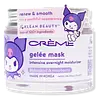
This hydrating overnight mask is formulated around Caprylic/Capric Triglyceride and Allantoin to hydrate skin and calm redness.


What's inside
What's inside
 Key Ingredients
Benefits
Concerns
Ingredients Side-by-side
Water
Skin ConditioningGlycerin
Humectant


Niacinamide
Smoothing









Caprylic/Capric Triglyceride
Masking
Glycereth-26
Humectant
Phenyl Trimethicone
Skin Conditioning
1,2-Hexanediol
Skin Conditioning
Behenyl Alcohol
Emollient
Polymethylsilsesquioxane
Chlorella Vulgaris Extract
Skin ConditioningGlucose
Humectant
Carbomer
Emulsion StabilisingButylene Glycol
Humectant
Caprylyl Glycol
Emollient
Fructooligosaccharides
Humectant
Fructose
Humectant
Hippophae Rhamnoides Oil
Emollient


Tromethamine
BufferingEthylhexylglycerin
Skin ConditioningAcrylates/C10-30 Alkyl Acrylate Crosspolymer
Emulsion StabilisingCitrus Junos Peel Oil
Astringent
Tocopheryl Acetate
Antioxidant

Disodium EDTA
Eclipta Prostrata Extract
Skin Conditioning
Eclipta Prostrata Leaf Extract
Skin ConditioningCitrus Junos Seed Oil
Emollient
Moringa Oleifera Seed Oil
Emollient

Hydrogenated Lecithin
Emulsifying
Cholesterol
Emollient
PEG-800
HumectantAscorbic Acid
Antioxidant
Tocopherol
Antioxidant
Polysorbate 20
Emulsifying
Ceramide NP
Skin Conditioning
Linoleic Acid
Cleansing
Retinol
Skin Conditioning

Citrus Junos Fruit Oil
Masking

Bioflavonoids
Skin ConditioningSh-Oligopeptide-1
Skin Conditioning
Sh-Polypeptide-1
Skin Conditioning
Sh-Oligopeptide-2
Skin Conditioning
Sh-Polypeptide-22
Skin Conditioning
Sh-Polypeptide-45
Skin Conditioning
Sh-Polypeptide-8
Humectant
Sh-Polypeptide-9
Skin Conditioning
Water, Glycerin, Niacinamide, Caprylic/Capric Triglyceride, Glycereth-26, Phenyl Trimethicone, 1,2-Hexanediol, Behenyl Alcohol, Polymethylsilsesquioxane, Chlorella Vulgaris Extract, Glucose, Carbomer, Butylene Glycol, Caprylyl Glycol, Fructooligosaccharides, Fructose, Hippophae Rhamnoides Oil, Tromethamine, Ethylhexylglycerin, Acrylates/C10-30 Alkyl Acrylate Crosspolymer, Citrus Junos Peel Oil, Tocopheryl Acetate, Disodium EDTA, Eclipta Prostrata Extract, Eclipta Prostrata Leaf Extract, Citrus Junos Seed Oil, Moringa Oleifera Seed Oil, Hydrogenated Lecithin, Cholesterol, PEG-800, Ascorbic Acid, Tocopherol, Polysorbate 20, Ceramide NP, Linoleic Acid, Retinol, Citrus Junos Fruit Oil, Bioflavonoids, Sh-Oligopeptide-1, Sh-Polypeptide-1, Sh-Oligopeptide-2, Sh-Polypeptide-22, Sh-Polypeptide-45, Sh-Polypeptide-8, Sh-Polypeptide-9
Water
Skin ConditioningButylene Glycol
Humectant
PEG-240/Hdi Copolymer Bis-Decyltetradeceth-20 Ether
StabilisingCaprylic/Capric Triglyceride
Masking
Dipropylene Glycol
HumectantHydroxyacetophenone
Antioxidant
PEG-100 Stearate
Surfactant
Dimethicone
Emollient
Glyceryl Stearate
Emollient
Glycerin
Humectant
Glycereth-26
Humectant
Macadamia Ternifolia Seed Oil
Emollient
Caprylyl Glycol
Emollient
Allantoin
Skin Conditioning
Coco-Caprylate/Caprate
Emollient
Tocopheryl Acetate
Antioxidant
Adenosine
Skin Conditioning
Disodium EDTA
1,2-Hexanediol
Skin Conditioning
Vitis Vinifera Fruit Extract
Skin ConditioningWine Extract
Antioxidant
Vaccinium Macrocarpon Fruit Extract
AstringentFragaria Vesca Leaf Extract
AstringentEuterpe Oleracea Fruit Extract
Punica Granatum Fruit Extract
Antioxidant
Morus Alba Fruit Extract
Antioxidant
Rubus Coreanus Fruit Extract
Skin ConditioningVaccinium Angustifolium Fruit Extract
Skin Protecting
Rubus Idaeus Fruit Extract
AstringentDipotassium Glycyrrhizate
Humectant
Sodium Hyaluronate
Humectant
Hydrolyzed Hyaluronic Acid
Humectant
Sodium Acetylated Hyaluronate
Humectant
Astragalus Membranaceus Root Extract
Emollient
Cnidium Officinale Root Extract
Skin ConditioningAngelica Gigas Root Extract
Skin ConditioningPaeonia Officinalis Root Extract
Skin ConditioningPanax Ginseng Root Extract
Emollient
Glycyrrhiza Glabra Root Extract
Bleaching
Atractylodes Japonica Rhizome Extract
Skin ConditioningPoria Cocos Extract
Skin ConditioningPrunus Mume Flower Extract
Skin ConditioningOenothera Biennis Seed Extract
Skin ConditioningPaeonia Lactiflora Root Extract
Skin ConditioningCinnamomum Cassia Bark Extract
Masking
Tocopherol
Antioxidant
Eclipta Prostrata Extract
Skin Conditioning
Lithospermum Erythrorhizon Root Oil
Skin Conditioning
Brassica Campestris Seed Oil
Skin Conditioning
Schisandra Chinensis Fruit Extract
Skin Conditioning
Lycium Chinense Fruit Extract
Antioxidant
Melia Azadirachta Leaf Extract
Skin ConditioningMoringa Oleifera Seed Oil
Emollient
Melia Azadirachta Flower Extract
Skin ConditioningCoccinia Indica Fruit Extract
Skin Conditioning
Solanum Melongena Fruit Extract
Skin ConditioningSimmondsia Chinensis Seed Oil
Emollient
Ocimum Sanctum Leaf Extract
Skin ConditioningCorallina Officinalis Extract
Skin Conditioning
Curcuma Longa Root Extract
Antioxidant
Guaiazulene
Antimicrobial
Parfum
Masking
Water, Butylene Glycol, PEG-240/Hdi Copolymer Bis-Decyltetradeceth-20 Ether, Caprylic/Capric Triglyceride, Dipropylene Glycol, Hydroxyacetophenone, PEG-100 Stearate, Dimethicone, Glyceryl Stearate, Glycerin, Glycereth-26, Macadamia Ternifolia Seed Oil, Caprylyl Glycol, Allantoin, Coco-Caprylate/Caprate, Tocopheryl Acetate, Adenosine, Disodium EDTA, 1,2-Hexanediol, Vitis Vinifera Fruit Extract, Wine Extract, Vaccinium Macrocarpon Fruit Extract, Fragaria Vesca Leaf Extract, Euterpe Oleracea Fruit Extract, Punica Granatum Fruit Extract, Morus Alba Fruit Extract, Rubus Coreanus Fruit Extract, Vaccinium Angustifolium Fruit Extract, Rubus Idaeus Fruit Extract, Dipotassium Glycyrrhizate, Sodium Hyaluronate, Hydrolyzed Hyaluronic Acid, Sodium Acetylated Hyaluronate, Astragalus Membranaceus Root Extract, Cnidium Officinale Root Extract, Angelica Gigas Root Extract, Paeonia Officinalis Root Extract, Panax Ginseng Root Extract, Glycyrrhiza Glabra Root Extract, Atractylodes Japonica Rhizome Extract, Poria Cocos Extract, Prunus Mume Flower Extract, Oenothera Biennis Seed Extract, Paeonia Lactiflora Root Extract, Cinnamomum Cassia Bark Extract, Tocopherol, Eclipta Prostrata Extract, Lithospermum Erythrorhizon Root Oil, Brassica Campestris Seed Oil, Schisandra Chinensis Fruit Extract, Lycium Chinense Fruit Extract, Melia Azadirachta Leaf Extract, Moringa Oleifera Seed Oil, Melia Azadirachta Flower Extract, Coccinia Indica Fruit Extract, Solanum Melongena Fruit Extract, Simmondsia Chinensis Seed Oil, Ocimum Sanctum Leaf Extract, Corallina Officinalis Extract, Curcuma Longa Root Extract, Guaiazulene, Parfum
Reviews
Ingredients Explained
These ingredients are found in both products.
Ingredients higher up in an ingredient list are typically present in a larger amount.
1,2-Hexanediol is a synthetic liquid and another multi-functional powerhouse.
It is a:
- Humectant, drawing moisture into the skin
- Emollient, helping to soften skin
- Solvent, dispersing and stabilizing formulas
- Preservative booster, enhancing the antimicrobial activity of other preservatives
Butylene Glycol (or BG) is used within cosmetic products for a few different reasons:
Overall, Butylene Glycol is a safe and well-rounded ingredient that works well with other ingredients.
Though this ingredient works well with most skin types, some people with sensitive skin may experience a reaction such as allergic rashes, closed comedones, or itchiness.
Learn more about Butylene GlycolCaprylic/Capric Triglyceride (aka MCT Oil) is a lightweight emollient, solvent, and texture enhancer. It is considered a skin-softener by helping to prevent moisture loss.
Though it behaves like an oil, it is not technically one due to its chemical composition. One perk of this ingredient is that it is very stable, resistant to oxidation, and unlikely to go rancid.
In practice, that translates to a long shelf life and a consistently elegant skin feel.
While there is an assumption Caprylic Triglyceride can clog pores due to it being derived from coconut oil, there is no research supporting this. Just patch test if you have concerns.
Fractionated coconut oil and MCT Oil are both listed as Caprylic/Capric Triglyceride according to INCI. This is because INCI names are based on the ingredient’s final chemical composition and not its marketing name or source.
This ingredient is treated as the gold standard fungal acne safe oil. Even though it is coconut derived, the problematic lauric acid is stripped out.
This leaves just caprylic (C8) and capric (C10) acid. These chain lengths actually trend antifungal; a 2020 study found caprylic acid was enough to disrupt Malassezia furfur cell membrane, with a caprylic acid derivative damaging membrane structures at concentrations as low as 0.2%.
Learn more about Caprylic/Capric TriglycerideCaprylyl Glycol is a humectant, skin conditioner, emollient, and preservative booster derived from either caprylic acid or synthetically created.
Typical use levels vary from 0.3-1% as a preservative booster and go up to 2% to condition skin.
Because it is not a free-fatty acid, this ingredient is fungal acne safe (there's nothing for Malassezia to feed on).
Learn more about Caprylyl GlycolDisodium EDTA is a chelating agent. It grabs onto and deactivates metal ions that sneak into your products from water, packaging, or air.
This ingredient mainly works behind the scenes and helps with:
On top of that, this ingredient can counteract the effects of hard water by binding to the minerals in it.
One thing worth knowing is that Disodium EDTA has been shown to be a mild penetration enhancer. It can help other ingredients absorb into skin more effectively which can be a double-edged sword (great for actives, but can also make the active too strong if you have sensitive skin).
Clinical patch testing showed no significant skin irritation at typical use concentrations and minimal dermal absorption.
You'll most likely see this ingredient near the end of an ingredient list. It's typically found in concentrations less than 1%.
Learn more about Disodium EDTAThis ingredient is also known as Bhringaraj extract or False Daisy. It is a skin conditioning ingredient that keeps skin soft and hydrated.
Research shows it has antioxidant properties; lab studies have found it can protect skin cells from UV-induced damage and help suppress inflammation.
There's also some interesting research on its potential to support hair growth by promoting the growth phase of the hair cycle.
Those with an allergy to plants in the daisy family may want to patch test this ingredient. This ingredient is generally well-tolerated otherwise.
Learn more about Eclipta Prostrata ExtractGlycereth-26 is a synthetic ingredient and polyethylene glycol ether of Glycerin. Glycerin is already naturally found in your skin and helps keep your skin moisturized.
It is a humectant and helps add texture to products. It can make your product thicker.
As a humectant, it helps draw moisture from the air to your skin. This helps your skin stay hydrated.
Learn more about Glycereth-26Glycerin (or glycerol) is a compound naturally found in your skin. It's a powerhouse humectant that pulls water into the stratum corneum.
Topically, glycerin does several things at once:
Your skin makes glycerin on its own (mostly from sebaceous oil breakdown) and shuttles it to your outermost layer of skin, or your epidermis, via aquaporin-3.
Aquaporin-3 is a transporter that is essential for normal skin hydration, elasticity, and repair. Interestingly, mice lacking in AQP3 have dry and less elastic skin that can be fully corrected with glycerin.
This ingredient is non-irritating, plays well with almost every ingredient, and works across all skin types. Typical use is anywhere between 3-10% but can go up to 79% in some leave-on products.
Just know very high concentrations (>40%) can feel tacky in low humidity.
Glycerin is the name for this ingredient in American English. British English uses Glycerol/Glycerine.
Learn more about GlycerinMoringa Oleifera Seed Oil is a lightweight oil from the seeds of the Moringa oleifera tree. In cosmetics, it's an emollient that forms a light film to slow water loss and soften skin.
Its fatty acid composition is dominated by oleic acid (70-78%), with smaller amounts of behenic, palmitic, and stearic acids (this profile is actually pretty similar to olive oil).
Notably, this ingredient is oxidatively stable for an oil and resists going rancid as fast as other oils.
A small, in vivo study on 32 participants found a cream with this ingredient increased skin hydration with no reported skin irritation. It also found the tocopherol content gave it some antioxidant activity as well.
One thing to flag for fungal acne:
Because this oil is so high in oleic acid, Malassezia can use it as a food source and this ingredient may not be fungal acne safe.
For everyone else, this ingredient is well-tolerated and nourishing with a good safety track record.
Learn more about Moringa Oleifera Seed OilTocopherol is a fat-soluble antioxidant known as Vitamin E.
You'll find this ingredient in the vast majority of skincare (for good reason). It works to neutralize free radicals, or unstable molecules generated by UV exposure, pollution, and other environmental stressors, before they can cause oxidative damage to your skin cells.
Topically applied tocopherol has been shown to protect against UV damage by ramping up the skin's own natural defense enzymes.
It also acts as a skin conditioning agent; some studies show that regular topical use can improve the skin's water-binding capacity over 2-4 weeks.
This ingredient is especially loved for being a team player. When combined with Vitamin C, the photoprotective effect of both ingredients roughly doubles and the combo also helps reduce UV-induced DNA damage.
This ingredient has some brightening potential but it's more of a prevention ingredient than spot-fader. Cell studies show it can slow down melanin production but it's worth noting that it's not the most powerful brightener out there.
In formulations, it also serves as a stabilizer that helps protect other oxidation-prone ingredients from degrading.
Concentrations usually range from 0.1-1% in most leave-on products.
Learn more about TocopherolTocopheryl Acetate is a stable, shelf-friendly form of vitamin E.
Formulators love it because plain vitamin E oxidizes quickly once it hits air. This acetate version stays stable and resists going off, helping to extend a product's shelf life.
It's actually inactive on its own and works like a slow-release "storage" form; the enzymes in your skin called esterases gradually convert it into active vitamin E over time.
One in vivo study showed 5% of the acetate in the living layer of the epidermis converted to vitamin E after 5 days of application. This study also found the skin gained protection against UV damage even though the conversion was slow and small.
Once converted, vitamin E acts as a skin's main fat-soluble antioxidant that fights free radicals to protect skin from damage.
Topical vitamin E generally boosts the skin's photoprotection, and it reduced UV-damage in animal models.
This ingredient has some brightening potential but it's more of a prevention ingredient than spot-fader. Cell studies show it can slow down melanin production but it's worth noting that it's not the most powerful brightener out there.
Overall, it has a pretty solid safety profile and has been found to be non-irritating and non-comedogenic. Allergic reactions may happen but stay rare due to how widely the ingredient gets used.
The concentration will vary depending on the formula; industry data shows 0.1% in baby lotions, 3% in lipsticks, and 5% in foot powders. You can also find this ingredient at 100% in a pure vitamin E oil.
Most leave-on skincare keeps it at the lower end, often between 0.5-1%.
Learn more about Tocopheryl AcetateWater. It's the most common cosmetic ingredient of all. You'll usually see it at the top of ingredient lists, meaning that it makes up the largest part of the product.
So why is it so popular? Water most often acts as a solvent - this means that it helps dissolve other ingredients into the formulation.
You'll also recognize water as that liquid we all need to stay alive. If you see this, drink a glass of water. Remember to stay hydrated!
Learn more about Water

