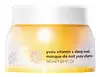
This brightening overnight mask is formulated around Niacinamide and Ascorbic Acid to brighten dull-looking skin.
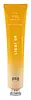
This wash off mask is made with Ascorbic Acid and Tocopheryl Acetate for a rinse-off brightening boost.


What's inside
What's inside
 Key Ingredients
Benefits
Concerns
Ingredients Side-by-side
Water
Skin ConditioningGlycerin
Humectant


Niacinamide
Smoothing









Caprylic/Capric Triglyceride
Masking
Glycereth-26
Humectant
Phenyl Trimethicone
Skin Conditioning
1,2-Hexanediol
Skin Conditioning
Behenyl Alcohol
Emollient
Polymethylsilsesquioxane
Chlorella Vulgaris Extract
Skin ConditioningGlucose
Humectant
Carbomer
Emulsion StabilisingButylene Glycol
Humectant
Caprylyl Glycol
Emollient
Fructooligosaccharides
Humectant
Fructose
Humectant
Hippophae Rhamnoides Oil
Emollient


Tromethamine
BufferingEthylhexylglycerin
Skin ConditioningAcrylates/C10-30 Alkyl Acrylate Crosspolymer
Emulsion StabilisingCitrus Junos Peel Oil
Astringent
Tocopheryl Acetate
Antioxidant

Disodium EDTA
ChelatingEclipta Prostrata Extract
Skin Conditioning
Eclipta Prostrata Leaf Extract
Skin ConditioningCitrus Junos Seed Oil
Emollient
Moringa Oleifera Seed Oil
Emollient

Hydrogenated Lecithin
Emulsifying
Cholesterol
Emollient
PEG-800
HumectantAscorbic Acid
Antioxidant
Tocopherol
Antioxidant
Polysorbate 20
Emulsifying
Ceramide NP
Skin Conditioning
Linoleic Acid
Cleansing
Retinol
Skin Conditioning

Citrus Junos Fruit Oil
Masking

Bioflavonoids
Skin ConditioningSh-Oligopeptide-1
Skin Conditioning
Sh-Polypeptide-1
Skin Conditioning
Sh-Oligopeptide-2
Skin Conditioning
Sh-Polypeptide-22
Skin Conditioning
Sh-Polypeptide-45
Skin Conditioning
Sh-Polypeptide-8
Humectant
Sh-Polypeptide-9
Skin Conditioning
Water, Glycerin, Niacinamide, Caprylic/Capric Triglyceride, Glycereth-26, Phenyl Trimethicone, 1,2-Hexanediol, Behenyl Alcohol, Polymethylsilsesquioxane, Chlorella Vulgaris Extract, Glucose, Carbomer, Butylene Glycol, Caprylyl Glycol, Fructooligosaccharides, Fructose, Hippophae Rhamnoides Oil, Tromethamine, Ethylhexylglycerin, Acrylates/C10-30 Alkyl Acrylate Crosspolymer, Citrus Junos Peel Oil, Tocopheryl Acetate, Disodium EDTA, Eclipta Prostrata Extract, Eclipta Prostrata Leaf Extract, Citrus Junos Seed Oil, Moringa Oleifera Seed Oil, Hydrogenated Lecithin, Cholesterol, PEG-800, Ascorbic Acid, Tocopherol, Polysorbate 20, Ceramide NP, Linoleic Acid, Retinol, Citrus Junos Fruit Oil, Bioflavonoids, Sh-Oligopeptide-1, Sh-Polypeptide-1, Sh-Oligopeptide-2, Sh-Polypeptide-22, Sh-Polypeptide-45, Sh-Polypeptide-8, Sh-Polypeptide-9
Glycerin
Humectant
Ascorbic Acid
Antioxidant
Helianthus Annuus Seed Wax
Skin Conditioning
Polyglyceryl-10 Tristearate
Skin Conditioning
Tocopheryl Acetate
Antioxidant
Dimethyl Isosorbide
SolventVitis Vinifera Seed Oil
Emollient
Leuconostoc/Radish Root Ferment Filtrate
Antimicrobial
Astaxanthin
Skin Conditioning
Hyaluronic Acid
Humectant
Sodium Hyaluronate Crosspolymer-3
HumectantCaprylyl Glycol
Emollient
Polysorbate 20
Emulsifying
Water
Skin ConditioningIngredients Explained
These ingredients are found in both products.
Ingredients higher up in an ingredient list are typically present in a larger amount.
Ascorbic Acid is is pure Vitamin C and is the biologically active form used directly by skin.
Not only is vitamin C great for your overall health and immune system, but it also has plenty of benefits for your skin. It is best supported by academic literature for:
Topical vitamin C has been shown to help neutralize oxidative stress from UV and pollution, helping to improve photoaging and hyperpigmentation when used consistently.
One clinical study found that using 5% topical vitamin C for six months improved signs of photodamaged skin, both on the surface and in the deeper structural layers of the skin.
While vitamin C doesn’t replace sunscreen, studies show it can boost photoprotection when combined with Vitamin E and ferulic acid. These two ingredients help improve stability and protective effects.
The big downside of this ingredient is formulation difficulty. Vitamin C is prone to oxidation and doesn't penetrate the skin unless formulated correctly. Research found that vitamin C absorbs into the skin best at a low pH (< 3.5) with about 20% being the upper limit for effective absorption.
Skin levels can saturate after repeated application; this means your skin won’t keep absorbing more once it’s full of vitamin C. This is why more isn’t always better with vitamin C and why very high concentrations don’t necessarily give extra benefits.
Ascorbic acid generally works well with many skincare ingredients but can be irritating when combined with other active ingredients. Strong oxidizing acne treatments like benzoyl peroxide can reduce the effectiveness of vitamin C if they are used at the same time; they are often recommended for use at different times of day.
Read more about other types of Vitamin C:
Foods rich with vitamin C include oranges, strawberries, broccoli, bell peppers, and more. When consuming Vitamin C, your skin receives a portion of the nutrients.
Learn more about Ascorbic AcidCaprylyl Glycol is a humectant, skin conditioner, emollient, and preservative booster derived from either caprylic acid or synthetically created.
Typical use levels vary from 0.3-1% as a preservative booster and go up to 2% to condition skin.
Because it is not a free-fatty acid, this ingredient is fungal acne safe (there's nothing for Malassezia to feed on).
Learn more about Caprylyl GlycolGlycerin (or glycerol) is a compound naturally found in your skin. It's a powerhouse humectant that pulls water into the stratum corneum.
Topically, glycerin does several things at once:
Your skin makes glycerin on its own (mostly from sebaceous oil breakdown) and shuttles it to your outermost layer of skin, or your epidermis, via aquaporin-3.
Aquaporin-3 is a transporter that is essential for normal skin hydration, elasticity, and repair. Interestingly, mice lacking in AQP3 have dry and less elastic skin that can be fully corrected with glycerin.
This ingredient is non-irritating, plays well with almost every ingredient, and works across all skin types. Typical use is anywhere between 3-10% but can go up to 79% in some leave-on products.
Just know very high concentrations (>40%) can feel tacky in low humidity.
Glycerin is the name for this ingredient in American English. British English uses Glycerol/Glycerine.
Learn more about GlycerinPolysorbate 20 is a gentle, water-soluble emulsifier and mild surfactant. It stops oil and water from separating to keep your formulas blended and stable.
It also acts as a mild penetration enhancer by helping active ingredients absorb slightly better.
The common safety discussion around this ingredient involves a manufacturing byproduct called 1,4-dioxane.
Trace amounts can form during production but the EU's Scientific Committee on Consumer Safety has concluded that levels at/below 10 ppm in finished products are safe (commercial products consistently fall within acceptable margins).
True allergic reactions are uncommon and the CIR Expert Panel has confirmed this ingredient to be safe as used in cosmetics.
Because it is derived from lauric acid, it may not be fungal acne safe.
Learn more about Polysorbate 20Tocopheryl Acetate is a stable, shelf-friendly form of vitamin E.
Formulators love it because plain vitamin E oxidizes quickly once it hits air. This acetate version stays stable and resists going off, helping to extend a product's shelf life.
It's actually inactive on its own and works like a slow-release "storage" form; the enzymes in your skin called esterases gradually convert it into active vitamin E over time.
One in vivo study showed 5% of the acetate in the living layer of the epidermis converted to vitamin E after 5 days of application. This study also found the skin gained protection against UV damage even though the conversion was slow and small.
Once converted, vitamin E acts as a skin's main fat-soluble antioxidant that fights free radicals to protect skin from damage.
Topical vitamin E generally boosts the skin's photoprotection, and it reduced UV-damage in animal models.
This ingredient has some brightening potential but it's more of a prevention ingredient than spot-fader. Cell studies show it can slow down melanin production but it's worth noting that it's not the most powerful brightener out there.
Overall, it has a pretty solid safety profile and has been found to be non-irritating and non-comedogenic. Allergic reactions may happen but stay rare due to how widely the ingredient gets used.
The concentration will vary depending on the formula; industry data shows 0.1% in baby lotions, 3% in lipsticks, and 5% in foot powders. You can also find this ingredient at 100% in a pure vitamin E oil.
Most leave-on skincare keeps it at the lower end, often between 0.5-1%.
Learn more about Tocopheryl AcetateWater. It's the most common cosmetic ingredient of all. You'll usually see it at the top of ingredient lists, meaning that it makes up the largest part of the product.
So why is it so popular? Water most often acts as a solvent - this means that it helps dissolve other ingredients into the formulation.
You'll also recognize water as that liquid we all need to stay alive. If you see this, drink a glass of water. Remember to stay hydrated!
Learn more about Water

