
What's inside
What's inside
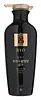 Key Ingredients
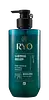
Benefits
Concerns
Ingredients Side-by-side
Water
Skin ConditioningSodium Laureth Sulfate
Cleansing



Ammonium Lauryl Sulfate
Cleansing
Dimethicone
Emollient

Parfum
Masking

Sodium Benzoate
Masking
Lauric Acid
Cleansing


Cetyl Alcohol
Emollient

Cocamide Mea
Emulsifying
Guar Hydroxypropyltrimonium Chloride
Skin ConditioningPhenoxyethanol
Preservative
Sodium Salicylate
Preservative
Sodium Chloride
MaskingTrihydroxystearin
Skin Conditioning
Amodimethicone
Menthol
Masking
Malt Extract
Skin ProtectingMicrocrystalline Cellulose
AbsorbentZea Mays Starch
Absorbent
Linalool
Perfuming
Panax Ginseng Root Extract
Emollient


Di-C12-13 Alkyl Malate
EmollientSodium Citrate
BufferingMannitol
Humectant
Citric Acid
Buffering

Disodium EDTA
Hexyl Cinnamal
Perfuming
Citronellol
Perfuming
Eugenol
Perfuming
Polyquaternium-11
Cocamidopropyl Betaine
Cleansing
C12-15 Pareth-3
EmulsifyingHydrogenated Lecithin
Emulsifying
Steartrimonium Chloride
Preservative
Butylene Glycol
Humectant
Alcohol
Antimicrobial
Salicylic Acid
Masking


Sodium Hydroxide
BufferingLactic Acid
Buffering

Zingiber Officinale Root Extract
Masking
Caprylyl Glycol
Emollient
Ganoderma Lucidum Extract
Skin Protecting
Ethylhexylglycerin
Skin ConditioningAdenophora Stricta Root Extract
HumectantCyclodextrin
AbsorbentScutellaria Baicalensis Root Extract
Astringent
Aspergillus Ferment
Skin ConditioningPueraria Lobata Root Extract
HumectantCodonopsis Tangshen Root Extract
Skin ConditioningSophora Angustifolia Root Extract
Skin ConditioningScrophularia Nodosa Extract
Skin ConditioningAlcohol Denat.
Antimicrobial
Water, Sodium Laureth Sulfate, Ammonium Lauryl Sulfate, Dimethicone, Parfum, Sodium Benzoate, Lauric Acid, Cetyl Alcohol, Cocamide Mea, Guar Hydroxypropyltrimonium Chloride, Phenoxyethanol, Sodium Salicylate, Sodium Chloride, Trihydroxystearin, Amodimethicone, Menthol, Malt Extract, Microcrystalline Cellulose, Zea Mays Starch, Linalool, Panax Ginseng Root Extract, Di-C12-13 Alkyl Malate, Sodium Citrate, Mannitol, Citric Acid, Disodium EDTA, Hexyl Cinnamal, Citronellol, Eugenol, Polyquaternium-11, Cocamidopropyl Betaine, C12-15 Pareth-3, Hydrogenated Lecithin, Steartrimonium Chloride, Butylene Glycol, Alcohol, Salicylic Acid, Sodium Hydroxide, Lactic Acid, Zingiber Officinale Root Extract, Caprylyl Glycol, Ganoderma Lucidum Extract, Ethylhexylglycerin, Adenophora Stricta Root Extract, Cyclodextrin, Scutellaria Baicalensis Root Extract, Aspergillus Ferment, Pueraria Lobata Root Extract, Codonopsis Tangshen Root Extract, Sophora Angustifolia Root Extract, Scrophularia Nodosa Extract, Alcohol Denat.
Water
Skin ConditioningSodium Laureth Sulfate
Cleansing
Acrylates Copolymer
Cocamidopropyl Betaine
Cleansing
Sodium Lauroyl Sarcosinate
CleansingParfum
Masking
Caffeine
Skin Conditioning
Sodium Salicylate
Preservative
Sodium Benzoate
Masking
Hydroxypropyl Guar Hydroxypropyltrimonium Chloride
Disodium EDTA
Menthol
Masking
Sodium Chloride
MaskingPPG-3 Caprylyl Ether
SolventCaprylyl Glycol
Emollient
Cetrimonium Chloride
Antimicrobial
Sodium Hydroxide
BufferingPhenoxyethanol
Preservative
Di-C12-13 Alkyl Malate
EmollientDipropylene Glycol
HumectantLinalool
Perfuming
Citric Acid
Buffering
Climbazole
Antimicrobial
Butylene Glycol
Humectant
Mentha Arvensis Leaf Extract
MaskingGeraniol
Perfuming
Microcrystalline Cellulose
AbsorbentLimonene
Perfuming
Glycerin
Humectant
Malt Extract
Skin ProtectingSorbitol
Humectant
Zea Mays Starch
Absorbent
1,2-Hexanediol
Skin Conditioning
Tetrasodium EDTA
Sucrose
Humectant
Hydrolyzed Extensin
Skin ConditioningCI 77289
Cosmetic ColorantDextrin
AbsorbentPanax Ginseng Root Extract
Emollient
Tocopheryl Acetate
Antioxidant

Rosa Damascena Flower Extract
Masking
Hydrogenated Lecithin
Emulsifying
Ethylhexylglycerin
Skin ConditioningSea Salt
Abrasive
Camellia Sinensis Leaf Water
Masking
Camellia Japonica Seed Oil
Emollient
Melaleuca Alternifolia Leaf Oil
Antioxidant
Camellia Sinensis Seed Oil
Humectant
Nelumbo Nucifera Flower Extract
Skin ConditioningGlycyrrhiza Glabra Root Extract
Bleaching
Xylitylglucoside
Humectant
Anhydroxylitol
Humectant
Prunus Mume Fruit Extract
Humectant
Xylitol
Humectant
Phyllostachys Bambusoides Juice
Skin ConditioningLactobacillus Ferment Lysate
Skin Conditioning
Water, Sodium Laureth Sulfate, Acrylates Copolymer, Cocamidopropyl Betaine, Sodium Lauroyl Sarcosinate, Parfum, Caffeine, Sodium Salicylate, Sodium Benzoate, Hydroxypropyl Guar Hydroxypropyltrimonium Chloride, Disodium EDTA, Menthol, Sodium Chloride, PPG-3 Caprylyl Ether, Caprylyl Glycol, Cetrimonium Chloride, Sodium Hydroxide, Phenoxyethanol, Di-C12-13 Alkyl Malate, Dipropylene Glycol, Linalool, Citric Acid, Climbazole, Butylene Glycol, Mentha Arvensis Leaf Extract, Geraniol, Microcrystalline Cellulose, Limonene, Glycerin, Malt Extract, Sorbitol, Zea Mays Starch, 1,2-Hexanediol, Tetrasodium EDTA, Sucrose, Hydrolyzed Extensin, CI 77289, Dextrin, Panax Ginseng Root Extract, Tocopheryl Acetate, Rosa Damascena Flower Extract, Hydrogenated Lecithin, Ethylhexylglycerin, Sea Salt, Camellia Sinensis Leaf Water, Camellia Japonica Seed Oil, Melaleuca Alternifolia Leaf Oil, Camellia Sinensis Seed Oil, Nelumbo Nucifera Flower Extract, Glycyrrhiza Glabra Root Extract, Xylitylglucoside, Anhydroxylitol, Prunus Mume Fruit Extract, Xylitol, Phyllostachys Bambusoides Juice, Lactobacillus Ferment Lysate
Reviews
Ingredients Explained
These ingredients are found in both products.
Ingredients higher up in an ingredient list are typically present in a larger amount.
Butylene Glycol (or BG) is used within cosmetic products for a few different reasons:
Overall, Butylene Glycol is a safe and well-rounded ingredient that works well with other ingredients.
Though this ingredient works well with most skin types, some people with sensitive skin may experience a reaction such as allergic rashes, closed comedones, or itchiness.
Learn more about Butylene GlycolCaprylyl Glycol is a humectant, skin conditioner, emollient, and preservative booster derived from either caprylic acid or synthetically created.
Typical use levels vary from 0.3-1% as a preservative booster and go up to 2% to condition skin.
Because it is not a free-fatty acid, this ingredient is fungal acne safe (there's nothing for Malassezia to feed on).
Learn more about Caprylyl GlycolCitric Acid is an alpha hydroxy acid (AHA) naturally found in citrus fruits like oranges, lemons, and limes.
Like other AHAs, citric acid can exfoliate skin by breaking down the bonds that hold dead skin cells together. This helps reveal smoother and brighter skin underneath.
However, this exfoliating effect only happens at high concentrations (20%) which can be hard to find in cosmetic products.
Due to this, citric acid is usually included in small amounts as a pH adjuster. This helps keep products slightly more acidic and compatible with skin's natural pH.
In skincare formulas, citric acid can:
While it can provide some skin benefits, research shows lactic acid and glycolic acid are generally more effective and less irritating exfoliants.
Most citric acid used in skincare today is made by fermenting sugars (usually from molasses). This synthetic version is identical to the natural citrus form but easier to stabilize and use in formulations.
Rosacea skin has a lower threshold for acids generally, with 62.5% of rosacea subjects in one study reacting to lactic acid in a sting test. This is why we mark citric acid as a potential rosacea trigger.
However, this ingredient shows up as a pH adjuster or chelator at roughly 0.1-1% in many products. These low levels are unlikely to be an issue for rosacea skin and becomes a potential trigger at exfoliating concentrations (20%). Because everybody's skin is unique, we recommend a patch test if you are unsure.
Learn more about Citric AcidCocamidopropyl Betaine is a fatty acid created by mixing similar compounds in coconut oil and dimethylaminopropylamine, a compound with two amino groups.
This ingredient is a surfactant and cleanser. It helps gather the dirt, pollutants, and other impurities in your skin to be washed away. It also helps thicken a product and make the texture more creamy.
Being created from coconut oil means Cocamidopropyl Betaine is hydrating for the skin.
While Cocamidopropyl Betaine was believed to be an allergen, a study from 2012 disproved this. It found two compounds in unpure Cocamidopropyl Betaine to be the irritants: aminoamide and 3-dimethylaminopropylamine. High-grade and pure Cocamidopropyl Betaine did not induce allergic reactions during this study.
Learn more about Cocamidopropyl BetaineWe don't have a description for Di-C12-13 Alkyl Malate yet.
Disodium EDTA is a chelating agent. It grabs onto and deactivates metal ions that sneak into your products from water, packaging, or air.
This ingredient mainly works behind the scenes and helps with:
On top of that, this ingredient can counteract the effects of hard water by binding to the minerals in it.
One thing worth knowing is that Disodium EDTA has been shown to be a mild penetration enhancer. It can help other ingredients absorb into skin more effectively which can be a double-edged sword (great for actives, but can also make the active too strong if you have sensitive skin).
Clinical patch testing showed no significant skin irritation at typical use concentrations and minimal dermal absorption.
You'll most likely see this ingredient near the end of an ingredient list. It's typically found in concentrations less than 1%.
Learn more about Disodium EDTAEthylhexylglycerin is created from glycerin. It is a multitasker ingredient that:
The CIR Expert Panel found minimal skin absorption or sensitization of any kind in a safety assessment. Though this ingredient is considered well-tolerated, a small number of cases of allergic dermatitis have been published since 2002. Just be sure to patch test if you are unsure.
Industry-reported use ranges from 8% in rinse-off products and 2% in leave-on formulations.
Learn more about EthylhexylglycerinHydrogenated Lecithin is a more stable version of lecithin.
It's made by taking lecithin (a phospholipid commonly found in soybeans and egg yolks) and hydrogenating it. This just means the unsaturated fatty acids are turned into saturated ones so they don't go bad as easily.
This ingredient is an emollient, emulsifier, and penetration enhancer. As an emollient, it helps soften and hydrate skin by trapping moisture within. As an emulsifier, it prevents oil and water ingredients from separating.
Hydrogenated Lecithin can form tiny spherical structures made of phospholipid bilayers called liposomes. These liposomes are able to capture compounds inside their structure and deliver them through the skin barrier.
Because phospholipids are a natural component of our cell membranes, this ingredient is inherently compatible with skin.
A 2021 study found lecithin-based surfactants were less harsh and more tolerable comared to Sodium Lauryl Sulfate (SLS).
Learn more about Hydrogenated LecithinLinalool is a fragrance and helps add scent to products. It's derived from common plants such as cinnamon, mint, citrus, and lavender.
Like Limonene, this ingredient oxidizes when exposed to air. Oxidized linalool can cause allergies and skin sensitivity.
This ingredient has a scent that is floral, spicy tropical, and citrus-like.
Learn more about LinaloolWe don't have a description for Malt Extract yet.
Menthol is a compound found in mint plants, such as peppermint. In its pure form, it is a clear crystalline substance.
Menthol is known for its cooling sensation; however, the cooling is actually from your skin being sensitized. Menthol can worsen rosacea. We recommend speaking with a professional if you have concerns.
Menthol also has antimicrobial properties.
Learn more about MentholMicrocrystalline Cellulose is another name for refined wood pulp. It is used as an emulsifier and mattifying ingredient. As an emulsifier, it helps keep ingredients together.
Ginseng root is a well-loved ingredient in Asian skincare for good reason. It hydrates the skin, soothes irritation, and helps even out skin tone.
In traditional East Asian medicine, ginseng has been used for centuries both as food and as a healing remedy, and modern research continues to confirm its skin benefits.
One of the standout features of ginseng is its ability to improve blood circulation and oxygen delivery to the skin, bringing a fresh supply of nutrients to support overall skin health. It also has antioxidant and anti-inflammatory properties. This helps to protect your skin against damage from UV exposure, pollution, and daily stress.
Additionally, studies suggest that ginseng may help reduce hyperpigmentation by inhibiting tyrosinase, the enzyme involved in melanin production.
There are different types of ginseng used in skincare, and while they all share core benefits, their potency can vary.
Most products use fresh or white ginseng because it’s more affordable. However, red ginseng, produced by steaming the root, contains higher levels of ginsenosides, which are compounds with proven anti-aging effects. These ginsenosides help reduce the appearance of wrinkles and improve skin elasticity.
Note: All forms of ginseng are listed simply as “Panax ginseng” in ingredient lists. We recommend reaching out to the brand if you have questions about which type of ginseng is used in their ingredients.
For general antioxidant benefits, any ginseng extract will do, but for wrinkle care or firmer skin, red or fermented ginseng is often more effective.
In short, ginseng is a powerhouse ingredient that supports hydration, radiance, and resilience.
Learn more about Panax Ginseng Root ExtractParfum is a catch-all term for an ingredient or more that is used to give a scent to products.
Also called "fragrance", this ingredient can be a blend of hundreds of chemicals or plant oils. This means every product with "fragrance" or "parfum" in the ingredients list is a different mixture.
For instance, Habanolide is a proprietary trade name for a specific aroma chemical. When used as a fragrance ingredient in cosmetics, most aroma chemicals fall under the broad labeling category of “FRAGRANCE” or “PARFUM” according to EU and US regulations.
The term 'parfum' or 'fragrance' is not regulated in many countries. In many cases, it is up to the brand to define this term.
For instance, many brands choose to label themselves as "fragrance-free" because they are not using synthetic fragrances. However, their products may still contain ingredients such as essential oils that are considered a fragrance by INCI standards.
One example is Calendula flower extract. Calendula is an essential oil that still imparts a scent or 'fragrance'.
Depending on the blend, the ingredients in the mixture can cause allergies and sensitivities on the skin. Some ingredients that are known EU allergens include linalool and citronellol.
Parfum can also be used to mask or cover an unpleasant scent.
The bottom line is: not all fragrances/parfum/ingredients are created equally. If you are worried about fragrances, we recommend taking a closer look at an ingredient. And of course, we always recommend speaking with a professional.
Learn more about ParfumPhenoxyethanol is one of the most widely used preservatives in skincare (and for good reason!).
It has a large spectrum of antimicrobial activity and especially effective bacteria, yeast, and mold while only having a weak effect on your skin's natural microbiome.
On a cellular level, it disrupts the cell membranes of microbes by poking holes that make the cell leak. This shuts down the chemical reactions the microbe needs to make energy so it can no longer survive.
Another perk of this ingredient is that it stays functional across a wide pH range (3-10).
You'll often see it paired with boosters like Ethylhexylglycerin; one study showed that a 1:9 ratio of Ethylhexylglycerin to Phenoxyethanol damages bacterial membranes as effectively as doubling the Phenoxyethanol concentration on its own.
Typical use concentrations range from 0.3-1% depending on the formula, and this ingredient is capped at 1% int the EU.
Safety-wise, the fear mongering does not hold up to the evidence. The EU's Scientific Committee on Consumer Safety and FDA consider it safe as a preservative at up to 1%, including for children of all ages.
Adverse systemic effects only showed up in animal studies at exposures roughly 200x higher than what people get from cosmetics. And despite its very widespread use, this ingredient is a rare sensitizer and allergic reactions are uncommon.
Learn more about PhenoxyethanolSodium Benzoate is a preservative. It's used in both cosmetic and food products to inhibit the growth of mold and bacteria. It is typically produced synthetically.
Both the US FDA and EU Health Committee have approved the use of sodium benzoate. In the US, levels of 0.1% (of the total product) are allowed.
Sodium benzoate works as a preservative by inhibiting the growth of bacteria inside of cells. It prevents the cell from fermenting a type of sugar using an enzyme called phosphofructokinase.
It is the salt of benzoic acid. Foods containing sodium benzoate include soda, salad dressings, condiments, fruit juices, wines, and snack foods.
Studies for using ascorbic acid and sodium benzoate in cosmetics are lacking, especially in skincare routines with multiple steps.
We always recommend speaking with a professional, such as a dermatologist, if you have any concerns.
Learn more about Sodium BenzoateChances are, you eat sodium chloride every day. Sodium Chloride is also known as table salt. This ingredient has many purposes in skincare: thickener, emulsifier, and exfoliator.
You'll most likely find this ingredient in cleansers where it is used to create a gel-like texture. As an emulsifier, it also prevents ingredients from separating.
You might see people debate whether Sodium Chloride is comedogenic, but there actually haven't been any comedogenic tests done on it. Either way, the overall formulation of a product matters a lot more than any single ingredient.
You might see this ingredient used in scrubs as a primary exfoliating ingredient.
Learn more about Sodium ChlorideSodium Hydroxide is also known as lye or caustic soda. It is used to adjust the pH of products; many ingredients require a specific pH to be effective.
In small amounts, sodium hydroxide is considered safe to use. However, large amounts may cause chemical burns due to its high alkaline.
Your skin has a natural pH and acid mantle. This acid mantle helps prevent harmful bacteria from breaking through. The acid mantle also helps keep your skin hydrated.
"Alkaline" refers to a high pH level. A low pH level would be considered acidic.
Learn more about Sodium HydroxideSodium Laureth Sulfate (SLES) is a foaming, cleansing, and emulsifying ingredient. It is created from palm kernel oil or coconut oil. SLES is not the same as sodium lauryl sulfate. It is much milder and less likely to irritate.
SLES helps create foam in personal products. It also prevents ingredients from separating, helping to elongate the shelf life.
Sodium Laureth Sulfate is a type of sulfate. It can be drying. We recommend speaking with a professional about using this ingredient if you have concerns.
Learn more about Sodium Laureth SulfateThis ingredient is the sodium salt of salicylic acid, the famous anti-acne ingredient.
Officially, this ingredient is used as a preservative. However, some studies found Sodium Salicylate to have exfoliating properties. Further studies are needed.
Water. It's the most common cosmetic ingredient of all. You'll usually see it at the top of ingredient lists, meaning that it makes up the largest part of the product.
So why is it so popular? Water most often acts as a solvent - this means that it helps dissolve other ingredients into the formulation.
You'll also recognize water as that liquid we all need to stay alive. If you see this, drink a glass of water. Remember to stay hydrated!
Learn more about WaterZea Mays Starch is starch made from corn. You might know this as cornstarch . It is used to thicken a product. It can replace talc as an absorbent.
The pH of cornstarch is 5.92.
Cornstarch is a common food ingredient used to thicken soups or to make corn syrup.
Learn more about Zea Mays Starch

