
What's inside
What's inside
 Key Ingredients
Benefits
Concerns
Ingredients Side-by-side
Water
Skin ConditioningSodium Laureth Sulfate
Cleansing



Ammonium Lauryl Sulfate
Cleansing
Cocamide Methyl Mea
Foam Boosting
Disodium Laureth Sulfosuccinate
CleansingParfum
Masking

Caffeine
Skin Conditioning

Sodium Benzoate
Masking
Sodium Salicylate
Preservative
Dimethicone
Emollient

Sodium Chloride
MaskingMenthol
Masking
Glycerin
Humectant

Phenoxyethanol
Preservative
Cetyl Alcohol
Emollient

Guar Hydroxypropyltrimonium Chloride
Skin ConditioningCaprylyl Glycol
Emollient
Sodium Citrate
BufferingCitric Acid
Buffering

Caprylic/Capric Triglyceride
Masking
Trihydroxystearin
Skin Conditioning
Sodium Metaphosphate
BufferingPEG-150 Pentaerythrityl Tetrastearate
Emulsifying
Dicaprylyl Ether
Emollient
Amyl Cinnamal
Perfuming
Hexyl Cinnamal
Perfuming
Benzyl Salicylate
Perfuming
Climbazole
Antimicrobial
PPG-2 Hydroxyethyl Cocamide
Emulsifying
Polyquaternium-11
Alpha-Isomethyl Ionone
Perfuming
Disodium EDTA
ChelatingGlyceryl Stearate
Emollient
Linalool
Perfuming
Limonene
Perfuming
Laureth-23
Cleansing
Laureth-3
Emulsifying1,2-Hexanediol
Skin Conditioning
Dehydroacetic Acid
Preservative
Tetrasodium EDTA
ChelatingCarbomer
Emulsion StabilisingDextrin
AbsorbentHydrolyzed Extensin
Skin ConditioningButylene Glycol
Humectant
Panax Ginseng Root Extract
Emollient
Rosa Damascena Flower Extract
Masking
Saccharomyces Cerevisiae Extract
Skin Conditioning
Lactic Acid
Buffering


Tocopherol
Antioxidant

Ethylhexylglycerin
Skin ConditioningThuja Orientalis Seed Extract
Skin ConditioningCamellia Japonica Seed Oil
Emollient
Melaleuca Alternifolia Leaf Oil
Antioxidant

Camellia Sinensis Seed Oil
Humectant
Panax Ginseng Root Water
Masking
Glycyrrhiza Glabra Root Extract
Bleaching
Xylitylglucoside
Humectant
Propanediol
Solvent
Anhydroxylitol
Humectant
Xylitol
Humectant
Hydroxypropyl Cyclodextrin
MaskingGlycine Max Seed Extract
Skin ConditioningBacillus/Soybean Ferment Extract
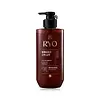
Skin ConditioningWater, Sodium Laureth Sulfate, Ammonium Lauryl Sulfate, Cocamide Methyl Mea, Disodium Laureth Sulfosuccinate, Parfum, Caffeine, Sodium Benzoate, Sodium Salicylate, Dimethicone, Sodium Chloride, Menthol, Glycerin, Phenoxyethanol, Cetyl Alcohol, Guar Hydroxypropyltrimonium Chloride, Caprylyl Glycol, Sodium Citrate, Citric Acid, Caprylic/Capric Triglyceride, Trihydroxystearin, Sodium Metaphosphate, PEG-150 Pentaerythrityl Tetrastearate, Dicaprylyl Ether, Amyl Cinnamal, Hexyl Cinnamal, Benzyl Salicylate, Climbazole, PPG-2 Hydroxyethyl Cocamide, Polyquaternium-11, Alpha-Isomethyl Ionone, Disodium EDTA, Glyceryl Stearate, Linalool, Limonene, Laureth-23, Laureth-3, 1,2-Hexanediol, Dehydroacetic Acid, Tetrasodium EDTA, Carbomer, Dextrin, Hydrolyzed Extensin, Butylene Glycol, Panax Ginseng Root Extract, Rosa Damascena Flower Extract, Saccharomyces Cerevisiae Extract, Lactic Acid, Tocopherol, Ethylhexylglycerin, Thuja Orientalis Seed Extract, Camellia Japonica Seed Oil, Melaleuca Alternifolia Leaf Oil, Camellia Sinensis Seed Oil, Panax Ginseng Root Water, Glycyrrhiza Glabra Root Extract, Xylitylglucoside, Propanediol, Anhydroxylitol, Xylitol, Hydroxypropyl Cyclodextrin, Glycine Max Seed Extract, Bacillus/Soybean Ferment Extract
Water
Skin ConditioningSodium C14-16 Olefin Sulfonate
Cleansing
Lauryl Betaine
CleansingCocamide Mipa
Emulsifying
Sodium Cocoyl Isethionate
Cleansing
Sodium Chloride
MaskingGlycerin
Humectant
Acetyl Hexapeptide-8
Humectant
Sh-Tripeptide-1
Skin Conditioning
Palmitoyl Pentapeptide-4
Skin Conditioning
Tripeptide-1
Skin Conditioning
Hexapeptide-9
Skin Conditioning
Nonapeptide-1
Skin Conditioning
Corchorus Olitorius Leaf Extract
Skin ConditioningGlycine Soja Seed Extract
Skin Conditioning
Macrocystis Pyrifera Extract
Skin Conditioning
Sus Extract
Skin ConditioningCamellia Sinensis Leaf Extract
Antimicrobial
Lactobacillus/Soybean Ferment Extract
Skin ConditioningLactobacillus/Punica Granatum Fruit Ferment Extract
Antioxidant
Butylene Glycol
Humectant
Panthenol
Skin Conditioning
Niacinamide
Smoothing
Salicylic Acid
Masking
Citric Acid
Buffering
Menthol
Masking
Caprylyl Glycol
Emollient
1,2-Hexanediol
Skin Conditioning
Sodium Benzoate
Masking
Polyquaternium-10
Disodium EDTA
ChelatingParfum
Masking
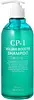
Water, Sodium C14-16 Olefin Sulfonate, Lauryl Betaine, Cocamide Mipa, Sodium Cocoyl Isethionate, Sodium Chloride, Glycerin, Acetyl Hexapeptide-8, Sh-Tripeptide-1, Palmitoyl Pentapeptide-4, Tripeptide-1, Hexapeptide-9, Nonapeptide-1, Corchorus Olitorius Leaf Extract, Glycine Soja Seed Extract, Macrocystis Pyrifera Extract, Sus Extract, Camellia Sinensis Leaf Extract, Lactobacillus/Soybean Ferment Extract, Lactobacillus/Punica Granatum Fruit Ferment Extract, Butylene Glycol, Panthenol, Niacinamide, Salicylic Acid, Citric Acid, Menthol, Caprylyl Glycol, 1,2-Hexanediol, Sodium Benzoate, Polyquaternium-10, Disodium EDTA, Parfum
Reviews
Ingredients Explained
These ingredients are found in both products.
Ingredients higher up in an ingredient list are typically present in a larger amount.
1,2-Hexanediol is a synthetic liquid and another multi-functional powerhouse.
It is a:
- Humectant, drawing moisture into the skin
- Emollient, helping to soften skin
- Solvent, dispersing and stabilizing formulas
- Preservative booster, enhancing the antimicrobial activity of other preservatives
Butylene Glycol (or BG) is used within cosmetic products for a few different reasons:
Overall, Butylene Glycol is a safe and well-rounded ingredient that works well with other ingredients.
Though this ingredient works well with most skin types, some people with sensitive skin may experience a reaction such as allergic rashes, closed comedones, or itchiness.
Learn more about Butylene GlycolCaprylyl Glycol is a humectant, skin conditioner, emollient, and preservative booster derived from either caprylic acid or synthetically created.
Typical use levels vary from 0.3-1% as a preservative booster and go up to 2% to condition skin.
Because it is not a free-fatty acid, this ingredient is fungal acne safe (there's nothing for Malassezia to feed on).
Learn more about Caprylyl GlycolCitric Acid is an alpha hydroxy acid (AHA) naturally found in citrus fruits like oranges, lemons, and limes.
Like other AHAs, citric acid can exfoliate skin by breaking down the bonds that hold dead skin cells together. This helps reveal smoother and brighter skin underneath.
However, this exfoliating effect only happens at high concentrations (20%) which can be hard to find in cosmetic products.
Due to this, citric acid is usually included in small amounts as a pH adjuster. This helps keep products slightly more acidic and compatible with skin's natural pH.
In skincare formulas, citric acid can:
While it can provide some skin benefits, research shows lactic acid and glycolic acid are generally more effective and less irritating exfoliants.
Most citric acid used in skincare today is made by fermenting sugars (usually from molasses). This synthetic version is identical to the natural citrus form but easier to stabilize and use in formulations.
Rosacea skin has a lower threshold for acids generally, with 62.5% of rosacea subjects in one study reacting to lactic acid in a sting test. This is why we mark citric acid as a potential rosacea trigger.
However, this ingredient shows up as a pH adjuster or chelator at roughly 0.1-1% in many products. These low levels are unlikely to be an issue for rosacea skin and becomes a potential trigger at exfoliating concentrations (20%). Because everybody's skin is unique, we recommend a patch test if you are unsure.
Learn more about Citric AcidDisodium EDTA is a chelating agent. It grabs onto and deactivates metal ions that sneak into your products from water, packaging, or air.
This ingredient mainly works behind the scenes and helps with:
On top of that, this ingredient can counteract the effects of hard water by binding to the minerals in it.
One thing worth knowing is that Disodium EDTA has been shown to be a mild penetration enhancer. It can help other ingredients absorb into skin more effectively which can be a double-edged sword (great for actives, but can also make the active too strong if you have sensitive skin).
Clinical patch testing showed no significant skin irritation at typical use concentrations and minimal dermal absorption.
You'll most likely see this ingredient near the end of an ingredient list. It's typically found in concentrations less than 1%.
Learn more about Disodium EDTAGlycerin (or glycerol) is a compound naturally found in your skin. It's a powerhouse humectant that pulls water into the stratum corneum.
Topically, glycerin does several things at once:
Your skin makes glycerin on its own (mostly from sebaceous oil breakdown) and shuttles it to your outermost layer of skin, or your epidermis, via aquaporin-3.
Aquaporin-3 is a transporter that is essential for normal skin hydration, elasticity, and repair. Interestingly, mice lacking in AQP3 have dry and less elastic skin that can be fully corrected with glycerin.
This ingredient is non-irritating, plays well with almost every ingredient, and works across all skin types. Typical use is anywhere between 3-10% but can go up to 79% in some leave-on products.
Just know very high concentrations (>40%) can feel tacky in low humidity.
Glycerin is the name for this ingredient in American English. British English uses Glycerol/Glycerine.
Learn more about GlycerinMenthol is a compound found in mint plants, such as peppermint. In its pure form, it is a clear crystalline substance.
Menthol is known for its cooling sensation; however, the cooling is actually from your skin being sensitized. Menthol can worsen rosacea. We recommend speaking with a professional if you have concerns.
Menthol also has antimicrobial properties.
Learn more about MentholParfum is a catch-all term for an ingredient or more that is used to give a scent to products.
Also called "fragrance", this ingredient can be a blend of hundreds of chemicals or plant oils. This means every product with "fragrance" or "parfum" in the ingredients list is a different mixture.
For instance, Habanolide is a proprietary trade name for a specific aroma chemical. When used as a fragrance ingredient in cosmetics, most aroma chemicals fall under the broad labeling category of “FRAGRANCE” or “PARFUM” according to EU and US regulations.
The term 'parfum' or 'fragrance' is not regulated in many countries. In many cases, it is up to the brand to define this term.
For instance, many brands choose to label themselves as "fragrance-free" because they are not using synthetic fragrances. However, their products may still contain ingredients such as essential oils that are considered a fragrance by INCI standards.
One example is Calendula flower extract. Calendula is an essential oil that still imparts a scent or 'fragrance'.
Depending on the blend, the ingredients in the mixture can cause allergies and sensitivities on the skin. Some ingredients that are known EU allergens include linalool and citronellol.
Parfum can also be used to mask or cover an unpleasant scent.
The bottom line is: not all fragrances/parfum/ingredients are created equally. If you are worried about fragrances, we recommend taking a closer look at an ingredient. And of course, we always recommend speaking with a professional.
Learn more about ParfumSodium Benzoate is a preservative. It's used in both cosmetic and food products to inhibit the growth of mold and bacteria. It is typically produced synthetically.
Both the US FDA and EU Health Committee have approved the use of sodium benzoate. In the US, levels of 0.1% (of the total product) are allowed.
Sodium benzoate works as a preservative by inhibiting the growth of bacteria inside of cells. It prevents the cell from fermenting a type of sugar using an enzyme called phosphofructokinase.
It is the salt of benzoic acid. Foods containing sodium benzoate include soda, salad dressings, condiments, fruit juices, wines, and snack foods.
Studies for using ascorbic acid and sodium benzoate in cosmetics are lacking, especially in skincare routines with multiple steps.
We always recommend speaking with a professional, such as a dermatologist, if you have any concerns.
Learn more about Sodium BenzoateChances are, you eat sodium chloride every day. Sodium Chloride is also known as table salt. This ingredient has many purposes in skincare: thickener, emulsifier, and exfoliator.
You'll most likely find this ingredient in cleansers where it is used to create a gel-like texture. As an emulsifier, it also prevents ingredients from separating.
You might see people debate whether Sodium Chloride is comedogenic, but there actually haven't been any comedogenic tests done on it. Either way, the overall formulation of a product matters a lot more than any single ingredient.
You might see this ingredient used in scrubs as a primary exfoliating ingredient.
Learn more about Sodium ChlorideWater. It's the most common cosmetic ingredient of all. You'll usually see it at the top of ingredient lists, meaning that it makes up the largest part of the product.
So why is it so popular? Water most often acts as a solvent - this means that it helps dissolve other ingredients into the formulation.
You'll also recognize water as that liquid we all need to stay alive. If you see this, drink a glass of water. Remember to stay hydrated!
Learn more about Water

