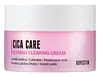
This calming moisturizer is formulated around Niacinamide and Centella Asiatica Extract to calm redness and strengthen the skin barrier.
This calming moisturizer is formulated around Niacinamide and Panthenol to calm redness and strengthen the skin barrier.

What's inside
What's inside
 Key Ingredients
Benefits
Concerns
Ingredients Side-by-side
Water
Skin ConditioningGlycerin
Humectant


2,3-Butanediol
HumectantHydrogenated Polydecene
EmollientHydrogenated Poly(C6-14 Olefin)
EmollientNiacinamide
Smoothing









Pentylene Glycol
Skin Conditioning
Betaine
Humectant
Caprylic/Capric Triglyceride
Masking
Cyclohexasiloxane
Emollient
Vinyldimethicone
Butylene Glycol
Humectant
1,2-Hexanediol
Skin Conditioning
Centella Asiatica Extract
Cleansing
Jojoba Esters
Emollient

Macadamia Integrifolia Seed Oil
Skin Conditioning
Calamine
AbsorbentRosa Damascena Flower Water
Masking
Humulus Lupulus Extract
AntimicrobialCentella Asiatica Flower/Leaf/Stem Extract
Skin Conditioning
Dipropylene Glycol
HumectantPolymethylsilsesquioxane
Glyceryl Stearate
Emollient
Cetearyl Olivate
Ammonium Acryloyldimethyltaurate/Vp Copolymer
Hydroxyethyl Acrylate/Sodium Acryloyldimethyl Taurate Copolymer
Emulsion StabilisingSorbitan Olivate
Emulsifying
Hydrogenated Lecithin
Emulsifying
Cetearyl Glucoside
Emulsifying
C12-20 Alkyl Glucoside
EmulsifyingTromethamine
BufferingPanthenol
Skin Conditioning
Ethylhexylglycerin
Skin ConditioningAdenosine
Skin Conditioning
Madecassic Acid
Skin Conditioning
Asiatic Acid
Skin Conditioning
Asiaticoside
Antioxidant
Sorbitan Isostearate
Emulsifying
Dipotassium Glycyrrhizate
Humectant
Sodium Phytate
ChelatingTocopherol
Antioxidant
Cyanocobalamin
Skin ConditioningPropanediol
Solvent
Madecassoside
Antioxidant
Citric Acid
Buffering
Cetearyl Alcohol
Emollient



C14-22 Alcohols
Emulsion Stabilising
Carbomer
Emulsion StabilisingWater, Glycerin, 2,3-Butanediol, Hydrogenated Polydecene, Hydrogenated Poly(C6-14 Olefin), Niacinamide, Pentylene Glycol, Betaine, Caprylic/Capric Triglyceride, Cyclohexasiloxane, Vinyldimethicone, Butylene Glycol, 1,2-Hexanediol, Centella Asiatica Extract, Jojoba Esters, Macadamia Integrifolia Seed Oil, Calamine, Rosa Damascena Flower Water, Humulus Lupulus Extract, Centella Asiatica Flower/Leaf/Stem Extract, Dipropylene Glycol, Polymethylsilsesquioxane, Glyceryl Stearate, Cetearyl Olivate, Ammonium Acryloyldimethyltaurate/Vp Copolymer, Hydroxyethyl Acrylate/Sodium Acryloyldimethyl Taurate Copolymer, Sorbitan Olivate, Hydrogenated Lecithin, Cetearyl Glucoside, C12-20 Alkyl Glucoside, Tromethamine, Panthenol, Ethylhexylglycerin, Adenosine, Madecassic Acid, Asiatic Acid, Asiaticoside, Sorbitan Isostearate, Dipotassium Glycyrrhizate, Sodium Phytate, Tocopherol, Cyanocobalamin, Propanediol, Madecassoside, Citric Acid, Cetearyl Alcohol, C14-22 Alcohols, Carbomer
Water
Skin ConditioningPropanediol
Solvent
Glycerin
Humectant
Cyclohexasiloxane
Emollient
1,2-Hexanediol
Skin Conditioning
Niacinamide
Smoothing
Caprylic/Capric Triglyceride
Masking
Polyglycerin-3
Humectant
Panthenol
Skin Conditioning
Polyglyceryl-10 Stearate
Skin Conditioning
Hydrogenated Polydecene
EmollientHydrogenated Poly(C6-14 Olefin)
EmollientDicaprylyl Carbonate
EmollientAmmonium Acryloyldimethyltaurate/Vp Copolymer
C14-22 Alcohols
Emulsion Stabilising
Polymethylsilsesquioxane
C12-20 Alkyl Glucoside
EmulsifyingButylene Glycol
Humectant
Acrylates/C10-30 Alkyl Acrylate Crosspolymer
Emulsion StabilisingEthylhexylglycerin
Skin ConditioningPolyquaternium-51
Skin Conditioning
Tromethamine
BufferingSodium Hyaluronate
Humectant
Coptis Japonica Root Extract
Skin ConditioningHouttuynia Cordata Extract
Skin Conditioning
Oenothera Biennis Flower Extract
AstringentBeta-Glucan
Skin Conditioning
Resveratrol
Antioxidant
Gardenia Florida Fruit Extract
Skin ConditioningLavandula Angustifolia Flower Extract
Cleansing

Opuntia Ficus-Indica Stem Extract
Skin Conditioning
Hydrolyzed Hyaluronic Acid
Humectant
Centella Asiatica Leaf Extract
Skin Conditioning
Phenoxyethanol
Preservative
Hibiscus Sabdariffa Flower Extract
Skin ConditioningTocopherol
Antioxidant
Corallina Officinalis Extract
Skin Conditioning
Ceramide NP
Skin Conditioning
Water, Propanediol, Glycerin, Cyclohexasiloxane, 1,2-Hexanediol, Niacinamide, Caprylic/Capric Triglyceride, Polyglycerin-3, Panthenol, Polyglyceryl-10 Stearate, Hydrogenated Polydecene, Hydrogenated Poly(C6-14 Olefin), Dicaprylyl Carbonate, Ammonium Acryloyldimethyltaurate/Vp Copolymer, C14-22 Alcohols, Polymethylsilsesquioxane, C12-20 Alkyl Glucoside, Butylene Glycol, Acrylates/C10-30 Alkyl Acrylate Crosspolymer, Ethylhexylglycerin, Polyquaternium-51, Tromethamine, Sodium Hyaluronate, Coptis Japonica Root Extract, Houttuynia Cordata Extract, Oenothera Biennis Flower Extract, Beta-Glucan, Resveratrol, Gardenia Florida Fruit Extract, Lavandula Angustifolia Flower Extract, Opuntia Ficus-Indica Stem Extract, Hydrolyzed Hyaluronic Acid, Centella Asiatica Leaf Extract, Phenoxyethanol, Hibiscus Sabdariffa Flower Extract, Tocopherol, Corallina Officinalis Extract, Ceramide NP
Reviews
Ingredients Explained
These ingredients are found in both products.
Ingredients higher up in an ingredient list are typically present in a larger amount.
1,2-Hexanediol is a synthetic liquid and another multi-functional powerhouse.
It is a:
- Humectant, drawing moisture into the skin
- Emollient, helping to soften skin
- Solvent, dispersing and stabilizing formulas
- Preservative booster, enhancing the antimicrobial activity of other preservatives
Ammonium Acryloyldimethyltaurate/Vp Copolymer is a synthetically created polymer. It's used as a film-forming agent and used to thicken the consistency of products.
Think of it as a supportive ingredient that helps your gel-creams feel silky, "cloud cream-like", and spread evenly without being greasy.
The Cosmetic Ingredient Review (CIR) Expert Panel evaluated it (along with 22 other acryloyldimethyltaurate polymers) and concluded it's:
Due to its large molecular size, it sits on the surface of skin rather than penetrating it.
Learn more about Ammonium Acryloyldimethyltaurate/Vp CopolymerButylene Glycol (or BG) is used within cosmetic products for a few different reasons:
Overall, Butylene Glycol is a safe and well-rounded ingredient that works well with other ingredients.
Though this ingredient works well with most skin types, some people with sensitive skin may experience a reaction such as allergic rashes, closed comedones, or itchiness.
Learn more about Butylene GlycolWe don't have a description for C12-20 Alkyl Glucoside yet.
This ingredient is a blend of long-chain fatty alcohols (myristyl, cetyl, stearyl, arachidyl, and behenyl). It is an emulsion stabilizer with emollient properties.
Don't let the word "alcohol" scare you: fatty alcohols are nothing like the drying solvents. This ingredient actually helps soften and smooth the skin.
By the way, the FDA allows products to be labeled "alcohol-free" even when they contain fatty alcohols like this one.
In a formula, it prevents the water and oil phases from separating over time while also contributing to a pleasant, non-greasy slip.
Interestingly, this ingredient can organize into the structures that mimic the skin's own lipid architecture to help support barrier function and reduce transepidermal water loss (TEWL).
The CIR Expert Panel has thoroughly assess the individual fatty alcohols that make up this blend and found no significant toxicity or dermal irritation.
Learn more about C14-22 AlcoholsCaprylic/Capric Triglyceride (aka MCT Oil) is a lightweight emollient, solvent, and texture enhancer. It is considered a skin-softener by helping to prevent moisture loss.
Though it behaves like an oil, it is not technically one due to its chemical composition. One perk of this ingredient is that it is very stable, resistant to oxidation, and unlikely to go rancid.
In practice, that translates to a long shelf life and a consistently elegant skin feel.
While there is an assumption Caprylic Triglyceride can clog pores due to it being derived from coconut oil, there is no research supporting this. Just patch test if you have concerns.
Fractionated coconut oil and MCT Oil are both listed as Caprylic/Capric Triglyceride according to INCI. This is because INCI names are based on the ingredient’s final chemical composition and not its marketing name or source.
This ingredient is treated as the gold standard fungal acne safe oil. Even though it is coconut derived, the problematic lauric acid is stripped out.
This leaves just caprylic (C8) and capric (C10) acid. These chain lengths actually trend antifungal; a 2020 study found caprylic acid was enough to disrupt Malassezia furfur cell membrane, with a caprylic acid derivative damaging membrane structures at concentrations as low as 0.2%.
Learn more about Caprylic/Capric TriglycerideCyclohexasiloxane is a type of silicone more commonly known as D6. It is an emollient and solvent.
Cyclohexasiloxane is used to evenly distribute ingredients throughout the product. When applied to the skin, Cyclohexasiloxane evaporates and leaves behind a silky feel.
As an emollient, it can help the skin feel soft and hydrated. It is also used to reduce frizz in hair products.
Learn more about CyclohexasiloxaneEthylhexylglycerin is created from glycerin. It is a multitasker ingredient that:
The CIR Expert Panel found minimal skin absorption or sensitization of any kind in a safety assessment. Though this ingredient is considered well-tolerated, a small number of cases of allergic dermatitis have been published since 2002. Just be sure to patch test if you are unsure.
Industry-reported use ranges from 8% in rinse-off products and 2% in leave-on formulations.
Learn more about EthylhexylglycerinGlycerin (or glycerol) is a compound naturally found in your skin. It's a powerhouse humectant that pulls water into the stratum corneum.
Topically, glycerin does several things at once:
Your skin makes glycerin on its own (mostly from sebaceous oil breakdown) and shuttles it to your outermost layer of skin, or your epidermis, via aquaporin-3.
Aquaporin-3 is a transporter that is essential for normal skin hydration, elasticity, and repair. Interestingly, mice lacking in AQP3 have dry and less elastic skin that can be fully corrected with glycerin.
This ingredient is non-irritating, plays well with almost every ingredient, and works across all skin types. Typical use is anywhere between 3-10% but can go up to 79% in some leave-on products.
Just know very high concentrations (>40%) can feel tacky in low humidity.
Glycerin is the name for this ingredient in American English. British English uses Glycerol/Glycerine.
Learn more about GlycerinThis ingredient is a synthetic ingredient with emollient and skin conditioner used to make skincare products feel more lightweight on the skin. It helps improve slip and spreadability without feeling greasy.
Because it is high molecular weight and lipophilic (oil loving), it remains on the surface of skin.
Hydrogenated Polydecene is a synthetic emollient. It forms a non-occlusive film on the skin's surface to provide a silky feel without being greasy.
In vivo studies in volunteers with atopic and dry skin showed no irritation or intolerance. The volunteers also saw a positive effect in dryness, scaling, and roughness after 28 days of use.
Concentrations up to 100% in guinea pig tests found it to be non-sensitizing and completely safe for use in cosmetics.
Learn more about Hydrogenated PolydeceneNiacinamide is a multitasking form of vitamin B3 that strengthens the skin barrier, reduces pores and dark spots, regulates oil, and improves signs of aging.
And the best part? It's gentle and well-tolerated by most skin types, including sensitive and reactive skin.
You might have heard of "niacin flush", or the reddening of skin that causes itchiness. Niacinamide has not been found to cause this.
In very rare cases, some individuals may not be able to tolerate niacinamide at all or experience an allergic reaction to it.
If you are experiencing flaking, irritation, and dryness with this ingredient, be sure to double check all your products as this ingredient can be found in all categories of skincare.
When incorporating niacinamide into your routine, look out for concentration amounts. Typically, 5% niacinamide provides benefits such as fading dark spots. However, if you have sensitive skin, it is better to begin with a smaller concentration.
When you apply niacinamide to your skin, your body converts it into nicotinamide adenine dinucleotide (NAD). NAD is an essential coenzyme that is already found in your cells as "fuel" and powers countless biological processes.
In your skin, NAD helps repair cell damage, produce new healthy cells, support collagen production, strengthen the skin barrier, and fight environmental stressors (like UV and pollution).
Our natural NAD levels start to decline with age, leading to slower skin repair, visible aging, and a weaker skin barrier. By providing your skin niacinamide, you're recharging your skin's NAD levels. This leads to stronger, healthier, and younger looking skin.
Another name for vitamin B3 is nicotinamide. This vitamin is water-soluble and our bodies don't store it. We obtain Vitamin B3 from either food or skincare. Meat, fish, wheat, yeast, and leafy greens contain vitamin B3.
The type of niacinamide used in skincare is synthetically created.
Learn more about NiacinamidePanthenol is a common ingredient that helps hydrate and soothe the skin. It is found naturally in our skin and hair.
There are two forms of panthenol: D and L.
D-panthenol is also known as dexpanthenol. Most cosmetics use dexpanthenol or a mixture of D and L-panthenol.
Panthenol is famous due to its ability to go deeper into the skin's layers. Using this ingredient has numerous pros (and no cons):
Like hyaluronic acid, panthenol is a humectant. Humectants are able to bind and hold large amounts of water to keep skin hydrated.
This ingredient works well for wound healing. It works by increasing tissue in the wound and helps close open wounds.
Once oxidized, panthenol converts to pantothenic acid. Panthothenic acid is found in all living cells.
This ingredient is also referred to as pro-vitamin B5.
Learn more about PanthenolPolymethylsilsesquioxane is a silicone used as a film forming agent.
When applied to the skin, this ingredient creates an invisible film on the surface. This film still allows oxygen to pass through, but prevents moisture from escaping. This can help condition and hydrate the skin. It also leaves a silky feel when applied.
Polymethylsilsesquioxane has not been shown to clog pores. It has been deemed safe to use up to 55%, but most cosmetics use much less.
If you have concerns about using this ingredient, we recommend speaking with a professional.
Learn more about PolymethylsilsesquioxanePropanediol is an all-star ingredient. It softens, hydrates, and smooths the skin.
It’s often used to:
Propanediol is not likely to cause sensitivity and considered safe to use. It is derived from corn or petroleum with a clear color and no scent.
Learn more about PropanediolTocopherol is a fat-soluble antioxidant known as Vitamin E.
You'll find this ingredient in the vast majority of skincare (for good reason). It works to neutralize free radicals, or unstable molecules generated by UV exposure, pollution, and other environmental stressors, before they can cause oxidative damage to your skin cells.
Topically applied tocopherol has been shown to protect against UV damage by ramping up the skin's own natural defense enzymes.
It also acts as a skin conditioning agent; some studies show that regular topical use can improve the skin's water-binding capacity over 2-4 weeks.
This ingredient is especially loved for being a team player. When combined with Vitamin C, the photoprotective effect of both ingredients roughly doubles and the combo also helps reduce UV-induced DNA damage.
This ingredient has some brightening potential but it's more of a prevention ingredient than spot-fader. Cell studies show it can slow down melanin production but it's worth noting that it's not the most powerful brightener out there.
In formulations, it also serves as a stabilizer that helps protect other oxidation-prone ingredients from degrading.
Concentrations usually range from 0.1-1% in most leave-on products.
Learn more about TocopherolTromethamine (aka THAM) is a synthetic amino acid that shows up in skincare as a helper ingredient.
It functions as a pH adjuster to help neutralize acidic ingredients and set a formula's pH to the right spot.
This matters a lot because a lot of actives (like vitamin C) needs a specific pH to work well and feel comfortable on skin.
Concentration use ranges from 0.1-1.0% depending on the formula.
Learn more about TromethamineWater. It's the most common cosmetic ingredient of all. You'll usually see it at the top of ingredient lists, meaning that it makes up the largest part of the product.
So why is it so popular? Water most often acts as a solvent - this means that it helps dissolve other ingredients into the formulation.
You'll also recognize water as that liquid we all need to stay alive. If you see this, drink a glass of water. Remember to stay hydrated!
Learn more about Water

