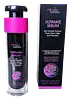
This anti-aging serum is formulated around Alpha-Arbutin and Palmitoyl Tripeptide-5 to soften the look of wrinkles and fade the look of dark spots.
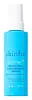
This barrier-repair serum is formulated around Jojoba Oil/Macadamia Seed Oil Esters and Squalene to strengthen the skin barrier and hydrate skin.


What's inside
What's inside
 Key Ingredients
Benefits
Concerns
Ingredients Side-by-side
Water
Skin ConditioningPentylene Glycol
Skin Conditioning
Hamamelis Virginiana Extract
Antiseborrhoeic



Glycerin
Humectant

Dimethyl Sulfone
SolventHuman Umbilical Mesenchymal Stem Cell Exosomes
Alpha-Arbutin
Antioxidant



Palmitoyl Tripeptide-5
Skin Conditioning


Ergothioneine
Antioxidant

Dipalmitoyl Hydroxyproline
Skin Conditioning
Ubiquinone
Antioxidant
Saccharomyces Ferment Lysate Filtrate
Skin Conditioning
Tetrahexyldecyl Ascorbate
Antioxidant

Sh-Oligopeptide-1
Skin Conditioning
Rh-Polypeptide-3
Skin Conditioning
Sh-Polypeptide-9
Skin Conditioning
Sh-Polypeptide-1
Skin Conditioning
Sh-Polypeptide-11
Human Urine Derived Stem Cell Conditioned Media
EmollientGlycereth-7 Triacetate
EmollientEthoxydiglycol
HumectantLactococcus Ferment Lysate
Skin Conditioning
Chlorella Vulgaris Extract
Skin ConditioningSaccharide Isomerate
Humectant
Tripeptide-2
Skin Conditioning
Dimer Tripeptide-43
Vitis Vinifera Flower Cell Extract
MaskingPyrus Malus Fruit Extract
Skin Conditioning
Hydroxyacetophenone
Antioxidant
Tocopheryl Acetate
Antioxidant
Propanediol
Solvent
Xanthan Gum
EmulsifyingLecithin
Emollient
Pullulan
Butylene Glycol
Humectant
Sodium Citrate
BufferingPolysorbate 20
Emulsifying
Tetradecyl Aminobutyroylvalylaminobutyric Urea Trifluoroacetate
Skin ConditioningPalmitoyl Dipeptide-5 Diaminobutyroyl Hydroxythreonine
Skin Conditioning
Palmitoyl Tripeptide-1
Skin Conditioning
Palmitoyl Tetrapeptide-7
Skin Conditioning
Acetyl Hexapeptide-51 Amide
Skin Conditioning
Nannochloropsis Oculata Extract
HumectantCentella Asiatica Extract
Cleansing
Chondrus Crispus Extract
Skin Conditioning
Equisetum Arvense Extract
AstringentGeranium Maculatum Extract
TonicTaraxacum Officinale Root Extract
Skin ConditioningAchillea Millefolium Flower Extract
Antioxidant
Curcuma Longa Rhizome Extract
Skin ConditioningSpirulina Platensis Extract
Skin ProtectingAloe Barbadensis Leaf Juice
Skin Conditioning
Cassia Angustifolia Seed Polysaccharide
Skin ConditioningSimmondsia Chinensis Seed Oil
Emollient
Arginine
Masking
Aspartic Acid
Masking
Glycine
Buffering
Alanine
Masking
Serine
Masking
Valine
MaskingIsoleucine
Skin ConditioningProline
Skin Conditioning
Threonine
Histidine
Humectant
Phenylalanine
Masking
PCA
Humectant
Sodium PCA
Humectant
Sodium Lactate
Buffering
Sodium Chloride
MaskingCarbomer
Emulsion StabilisingAlcohol
Antimicrobial
Hydroxyethylcellulose
Emulsion StabilisingAcrylates/C10-30 Alkyl Acrylate Crosspolymer
Emulsion StabilisingSodium Hydroxide
BufferingPotassium Sorbate
Preservative
Sodium Benzoate
Masking
Dextran
Disodium EDTA
ChelatingPhenoxyethanol
Preservative
Ethylhexylglycerin
Skin ConditioningWater, Pentylene Glycol, Hamamelis Virginiana Extract, Glycerin, Dimethyl Sulfone, Human Umbilical Mesenchymal Stem Cell Exosomes, Alpha-Arbutin, Palmitoyl Tripeptide-5, Ergothioneine, Dipalmitoyl Hydroxyproline, Ubiquinone, Saccharomyces Ferment Lysate Filtrate, Tetrahexyldecyl Ascorbate, Sh-Oligopeptide-1, Rh-Polypeptide-3, Sh-Polypeptide-9, Sh-Polypeptide-1, Sh-Polypeptide-11, Human Urine Derived Stem Cell Conditioned Media, Glycereth-7 Triacetate, Ethoxydiglycol, Lactococcus Ferment Lysate, Chlorella Vulgaris Extract, Saccharide Isomerate, Tripeptide-2, Dimer Tripeptide-43, Vitis Vinifera Flower Cell Extract, Pyrus Malus Fruit Extract, Hydroxyacetophenone, Tocopheryl Acetate, Propanediol, Xanthan Gum, Lecithin, Pullulan, Butylene Glycol, Sodium Citrate, Polysorbate 20, Tetradecyl Aminobutyroylvalylaminobutyric Urea Trifluoroacetate, Palmitoyl Dipeptide-5 Diaminobutyroyl Hydroxythreonine, Palmitoyl Tripeptide-1, Palmitoyl Tetrapeptide-7, Acetyl Hexapeptide-51 Amide, Nannochloropsis Oculata Extract, Centella Asiatica Extract, Chondrus Crispus Extract, Equisetum Arvense Extract, Geranium Maculatum Extract, Taraxacum Officinale Root Extract, Achillea Millefolium Flower Extract, Curcuma Longa Rhizome Extract, Spirulina Platensis Extract, Aloe Barbadensis Leaf Juice, Cassia Angustifolia Seed Polysaccharide, Simmondsia Chinensis Seed Oil, Arginine, Aspartic Acid, Glycine, Alanine, Serine, Valine, Isoleucine, Proline, Threonine, Histidine, Phenylalanine, PCA, Sodium PCA, Sodium Lactate, Sodium Chloride, Carbomer, Alcohol, Hydroxyethylcellulose, Acrylates/C10-30 Alkyl Acrylate Crosspolymer, Sodium Hydroxide, Potassium Sorbate, Sodium Benzoate, Dextran, Disodium EDTA, Phenoxyethanol, Ethylhexylglycerin
Water
Skin ConditioningPropanediol
Solvent
Jojoba Oil/Macadamia Seed Oil Esters
Skin Conditioning
Caprylyl Caprylate/Caprate
Emollient
Glycerin
Humectant
Polyacrylate Crosspolymer-11
Emulsion StabilisingGlycine Soja Seed Extract
Skin Conditioning
Oryza Sativa Bran Extract
Skin Conditioning
Squalene
Emollient
Sodium Hyaluronate
Humectant
Tocopherol
Antioxidant
Phytosteryl Macadamiate
Skin Conditioning
Paeonia Albiflora Root Extract
Skin ConditioningGluconolactone
Chelating


Trisodium Ethylenediamine Disuccinate
ChelatingPhytosterols
Skin Conditioning
Rosmarinus Officinalis Leaf Extract
AntimicrobialHelianthus Annuus Extract
Emollient
Aloe Barbadensis Leaf Juice
Skin Conditioning
Chondrus Crispus Extract
Skin Conditioning
Xanthan Gum
EmulsifyingEthylhexylglycerin
Skin ConditioningPotassium Sorbate
Preservative
Sodium Benzoate
Masking
Citric Acid
Buffering
Phenoxyethanol
Preservative
Water, Propanediol, Jojoba Oil/Macadamia Seed Oil Esters, Caprylyl Caprylate/Caprate, Glycerin, Polyacrylate Crosspolymer-11, Glycine Soja Seed Extract, Oryza Sativa Bran Extract, Squalene, Sodium Hyaluronate, Tocopherol, Phytosteryl Macadamiate, Paeonia Albiflora Root Extract, Gluconolactone, Trisodium Ethylenediamine Disuccinate, Phytosterols, Rosmarinus Officinalis Leaf Extract, Helianthus Annuus Extract, Aloe Barbadensis Leaf Juice, Chondrus Crispus Extract, Xanthan Gum, Ethylhexylglycerin, Potassium Sorbate, Sodium Benzoate, Citric Acid, Phenoxyethanol
Reviews
Ingredients Explained
These ingredients are found in both products.
Ingredients higher up in an ingredient list are typically present in a larger amount.
Aloe Barbadensis Leaf Juice is the filtered, stabilized liquid pressed from the inner gel of the aloe vera leaf.
In cosmetics, it shows up as either soothing active or a water-replacement base. It is roughly 98-99% water and the last 1-2% is an interesting mix of polysaccharides, amino acids, vitamins, minerals, and enzymes.
The polysaccharides do most of the work: they bind water at the skin surface for a light, non-greasy hydration boost. And one of the polysaccharides, glycomannan, is linked to fibroblast stimulation + collagen synthesis. This is also why aloe has such a long track record in wound and burn healing.
This ingredient is also calming with anti-inflammatory and mild antimicrobial activity, making it a great pick for sensitive, irritated, or post-sun skin.
Realistic expectations matter though; the solid evidence is mostly limited to hydration, soothing, and wound support. Deeper claims about anti-aging or sun protection are not well backed, and science reviews note it does not prevent radiation-induced skin injury.
Because it plays well with almost everything, it's commonly used as a base alongside other actives like niacinamide or vitamin C.
Typical usage concentrations range from 0.5% (where hydration benefits already show up) all the way to 90%+ (where it replaces water as the main base).
The safety for this ingredient is well-establish as well. Overall, this is a great supporting ingredient for those who want a boost in hydration.
Learn more about Aloe Barbadensis Leaf JuiceThis ingredient comes from the red seaweed that grows along the North Atlantic. It's the same alga that gives us carrageenan, the thickener in your oat milk.
The extract is mostly big sulfated sugar molecules (polysaccharides) plus some minerals and protein.
What those sugars do is simple and useful: they hold onto water and form a light film on the skin. That means they boost hydration, add a bit of slip, and leave a soft, cushiony feel.
It also helps with texture and thickness.
You'll see claims about anti-aging and "second skin" effects but those come mostly from supplier marketing.
The real research is cell-culture stuff and there's no human trial on this ingredient specifically (yet). So for now, treat it as a nice hydrator and texture helper, not an active.
Safety-wise, it's pretty solid. The Cosmetic Ingredient Review panel rated it safe as used, human sensitization tests came back negative, and it wasn't irritating in skin or eye tests.
Typical use levels are 0.5% or lower.
You'll see algae listed as a 5/5 on a lot of pore-clogging charts and that number doesn't come from anywhere; it's not in the original rabbit-ear studies that most comedogenic ratings trace back to.
The reasoning behind the reputation is that seaweed is high in iodine and iodine can trigger acne-like breakouts when eaten. This traces back to a 1976 letter in Archives of Dermatology describing two women whose breakouts cleared after they stopped taking high-dose kelp supplements orally.
And the reaction of these two women wasn't clogged pores at all: it was an iodine-triggered pustular rash. Later research found normal dietary iodine doesn't meaningfully affect acne either and nobody has shown topical algae delivers enough iodine to matter.
What we do have is dozens of brown and red algae ingredients found to be non-irritating and non-sensitizing, and a handful of studies that found algae compounds may actually help acne.
However, plenty of people do report breaking out from algae-containing products. Skin is individual and it's worth avoiding if yours has reacted to algae before.
Learn more about Chondrus Crispus ExtractEthylhexylglycerin is created from glycerin. It is a multitasker ingredient that:
The CIR Expert Panel found minimal skin absorption or sensitization of any kind in a safety assessment. Though this ingredient is considered well-tolerated, a small number of cases of allergic dermatitis have been published since 2002. Just be sure to patch test if you are unsure.
Industry-reported use ranges from 8% in rinse-off products and 2% in leave-on formulations.
Learn more about EthylhexylglycerinGlycerin (or glycerol) is a compound naturally found in your skin. It's a powerhouse humectant that pulls water into the stratum corneum.
Topically, glycerin does several things at once:
Your skin makes glycerin on its own (mostly from sebaceous oil breakdown) and shuttles it to your outermost layer of skin, or your epidermis, via aquaporin-3.
Aquaporin-3 is a transporter that is essential for normal skin hydration, elasticity, and repair. Interestingly, mice lacking in AQP3 have dry and less elastic skin that can be fully corrected with glycerin.
This ingredient is non-irritating, plays well with almost every ingredient, and works across all skin types. Typical use is anywhere between 3-10% but can go up to 79% in some leave-on products.
Just know very high concentrations (>40%) can feel tacky in low humidity.
Glycerin is the name for this ingredient in American English. British English uses Glycerol/Glycerine.
Learn more about GlycerinPhenoxyethanol is one of the most widely used preservatives in skincare (and for good reason!).
It has a large spectrum of antimicrobial activity and especially effective bacteria, yeast, and mold while only having a weak effect on your skin's natural microbiome.
On a cellular level, it disrupts the cell membranes of microbes by poking holes that make the cell leak. This shuts down the chemical reactions the microbe needs to make energy so it can no longer survive.
Another perk of this ingredient is that it stays functional across a wide pH range (3-10).
You'll often see it paired with boosters like Ethylhexylglycerin; one study showed that a 1:9 ratio of Ethylhexylglycerin to Phenoxyethanol damages bacterial membranes as effectively as doubling the Phenoxyethanol concentration on its own.
Typical use concentrations range from 0.3-1% depending on the formula, and this ingredient is capped at 1% int the EU.
Safety-wise, the fear mongering does not hold up to the evidence. The EU's Scientific Committee on Consumer Safety and FDA consider it safe as a preservative at up to 1%, including for children of all ages.
Adverse systemic effects only showed up in animal studies at exposures roughly 200x higher than what people get from cosmetics. And despite its very widespread use, this ingredient is a rare sensitizer and allergic reactions are uncommon.
Learn more about PhenoxyethanolPotassium Sorbate is a preservative used to prevent yeast and mold in products. It is commonly found in both cosmetic and food products.
This ingredient comes from potassium salt derived from sorbic acid. Sorbic acid is a natural antibiotic and effective against fungus.
Both potassium sorbate and sorbic acid can be found in baked goods, cheeses, dried meats, dried fruit, ice cream, pickles, wine, yogurt, and more.
You'll often find this ingredient used with other preservatives.
Learn more about Potassium SorbatePropanediol is an all-star ingredient. It softens, hydrates, and smooths the skin.
It’s often used to:
Propanediol is not likely to cause sensitivity and considered safe to use. It is derived from corn or petroleum with a clear color and no scent.
Learn more about PropanediolSodium Benzoate is a preservative. It's used in both cosmetic and food products to inhibit the growth of mold and bacteria. It is typically produced synthetically.
Both the US FDA and EU Health Committee have approved the use of sodium benzoate. In the US, levels of 0.1% (of the total product) are allowed.
Sodium benzoate works as a preservative by inhibiting the growth of bacteria inside of cells. It prevents the cell from fermenting a type of sugar using an enzyme called phosphofructokinase.
It is the salt of benzoic acid. Foods containing sodium benzoate include soda, salad dressings, condiments, fruit juices, wines, and snack foods.
Studies for using ascorbic acid and sodium benzoate in cosmetics are lacking, especially in skincare routines with multiple steps.
We always recommend speaking with a professional, such as a dermatologist, if you have any concerns.
Learn more about Sodium BenzoateWater. It's the most common cosmetic ingredient of all. You'll usually see it at the top of ingredient lists, meaning that it makes up the largest part of the product.
So why is it so popular? Water most often acts as a solvent - this means that it helps dissolve other ingredients into the formulation.
You'll also recognize water as that liquid we all need to stay alive. If you see this, drink a glass of water. Remember to stay hydrated!
Learn more about WaterXanthan gum is used as a stabilizer and thickener within cosmetic products. It helps give products a sticky, thick feeling - preventing them from being too runny.
On the technical side of things, xanthan gum is a polysaccharide - a combination consisting of multiple sugar molecules bonded together.
Xanthan gum is a pretty common and great ingredient. It is a natural, non-toxic, non-irritating ingredient that is also commonly used in food products.
Learn more about Xanthan Gum

