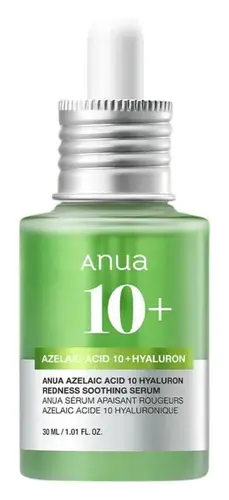
This barrier-repair day moisturizer is formulated around Niacinamide and Panthenol to strengthen the skin barrier and hydrate skin.
This anti-aging moisturizer is formulated around Squalane to soften the look of wrinkles and hydrate skin.


What's inside
What's inside
 Key Ingredients
Benefits
Concerns
Ingredients Side-by-side
Water
Skin ConditioningGlycerin
Humectant


Pentylene Glycol
Skin Conditioning
Ethylhexyl Palmitate
Emollient




Niacinamide
Smoothing









Propanediol
Solvent
Betaine
Humectant
Sodium Polyacrylate Starch
AbsorbentPanthenol
Skin Conditioning
1,2-Hexanediol
Skin Conditioning
Glyceryl Stearate Citrate
Emollient
Cetearyl Alcohol
Emollient

Cetyl Alcohol
Emollient
Mica
Cosmetic ColorantHibbertia Scandens Leaf Extract
Antioxidant
Hydrogenated Lecithin
Emulsifying
Pyridoxine Hcl
Skin ConditioningSodium Hyaluronate
Humectant
Acacia Melanoxylon Leaf Extract
EmollientButylene Glycol
Humectant
Allantoin
Skin Conditioning
Caprylhydroxamic Acid
ChelatingDisodium EDTA
ChelatingGlycyrrhetinic Acid
Skin Conditioning
Honey Extract
Humectant
Pyridoxine Tris-Hexyldecanoate
HumectantSantalum Spicatum Seed Oil
Skin Conditioning
Tocopherol
Antioxidant
Glyceryl Caprylate
EmollientCitrus Aurantium Dulcis Oil
Masking
Ceteareth-25
CleansingHelianthus Annuus Seed Oil
Emollient
Magnesium Aspartate
Skin ConditioningZinc Gluconate
Skin Conditioning
Citrus Aurantium Bergamia Fruit Oil
Masking


Citrus Grandis Peel Oil
Masking
Citrus Limon Peel Oil
Masking
Litsea Cubeba Fruit Oil
Masking
Tin Oxide
Abrasive
Citrus Aurantium Bergamia Leaf Oil
Astringent
Juniperus Mexicana Oil
Masking
Pelargonium Graveolens Oil
Masking
Citrus Aurantium Amara Flower Oil
Masking
Eugenia Caryophyllus Leaf Oil
Masking
Maltodextrin
Absorbent
Sodium Benzoate
Masking
Citric Acid
Buffering
Behenic Acid
Cleansing
Ceramide NP
Skin Conditioning
Cholesterol
Emollient
Copper Gluconate
Skin Conditioning
Potassium Sorbate
Preservative
Ceramide Ns
Skin Conditioning
Glycine
Buffering
Serine
Masking
Glutamic Acid
Humectant
Ceramide AP
Skin Conditioning
Ceramide EOP
Skin Conditioning
Ceramide Eos
Skin Conditioning
Aspartic Acid
Masking
Leucine
Skin ConditioningSodium Citrate
BufferingCaprooyl Phytosphingosine
Skin Conditioning
Caprooyl Sphingosine
Skin ConditioningAlanine
Masking
Lysine
Skin ConditioningArginine
Masking
Tyrosine
MaskingPhenylalanine
Masking
Proline
Skin Conditioning
Threonine
Valine
MaskingIsoleucine
Skin ConditioningHistidine
Humectant
Cyanocobalamin
Skin ConditioningLimonene
Perfuming
Citral
Perfuming
Linalool
Perfuming
CI 77891
Cosmetic ColorantCI 77491
Cosmetic ColorantWater, Glycerin, Pentylene Glycol, Ethylhexyl Palmitate, Niacinamide, Propanediol, Betaine, Sodium Polyacrylate Starch, Panthenol, 1,2-Hexanediol, Glyceryl Stearate Citrate, Cetearyl Alcohol, Cetyl Alcohol, Mica, Hibbertia Scandens Leaf Extract, Hydrogenated Lecithin, Pyridoxine Hcl, Sodium Hyaluronate, Acacia Melanoxylon Leaf Extract, Butylene Glycol, Allantoin, Caprylhydroxamic Acid, Disodium EDTA, Glycyrrhetinic Acid, Honey Extract, Pyridoxine Tris-Hexyldecanoate, Santalum Spicatum Seed Oil, Tocopherol, Glyceryl Caprylate, Citrus Aurantium Dulcis Oil, Ceteareth-25, Helianthus Annuus Seed Oil, Magnesium Aspartate, Zinc Gluconate, Citrus Aurantium Bergamia Fruit Oil, Citrus Grandis Peel Oil, Citrus Limon Peel Oil, Litsea Cubeba Fruit Oil, Tin Oxide, Citrus Aurantium Bergamia Leaf Oil, Juniperus Mexicana Oil, Pelargonium Graveolens Oil, Citrus Aurantium Amara Flower Oil, Eugenia Caryophyllus Leaf Oil, Maltodextrin, Sodium Benzoate, Citric Acid, Behenic Acid, Ceramide NP, Cholesterol, Copper Gluconate, Potassium Sorbate, Ceramide Ns, Glycine, Serine, Glutamic Acid, Ceramide AP, Ceramide EOP, Ceramide Eos, Aspartic Acid, Leucine, Sodium Citrate, Caprooyl Phytosphingosine, Caprooyl Sphingosine, Alanine, Lysine, Arginine, Tyrosine, Phenylalanine, Proline, Threonine, Valine, Isoleucine, Histidine, Cyanocobalamin, Limonene, Citral, Linalool, CI 77891, CI 77491
Water
Skin ConditioningDimethicone
Emollient
Squalane
Emollient
Glycerin
Humectant
Pyrus Malus Fruit Extract
Skin Conditioning
Pentylene Glycol
Skin Conditioning
1,2-Hexanediol
Skin Conditioning
Ammonium Acryloyldimethyltaurate/Vp Copolymer
Butylene Glycol
Humectant
Hydroxyacetophenone
Antioxidant
Sodium Acrylates Copolymer
Acrylates/C10-30 Alkyl Acrylate Crosspolymer
Emulsion StabilisingGigartina Stellata Extract
Skin Protecting
Acetyl Sh-Hexapeptide-5 Amide Acetate
Skin Conditioning
Tridecapeptide-1
Skin Conditioning
Oligopeptide-1
Skin Conditioning
Sodium Phytate
ChelatingPropanediol
Solvent
Lecithin
Emollient
Hydroxypropyltrimonium Hyaluronate
Cyanocobalamin
Skin ConditioningPhenoxyethanol
Preservative
Water, Dimethicone, Squalane, Glycerin, Pyrus Malus Fruit Extract, Pentylene Glycol, 1,2-Hexanediol, Ammonium Acryloyldimethyltaurate/Vp Copolymer, Butylene Glycol, Hydroxyacetophenone, Sodium Acrylates Copolymer, Acrylates/C10-30 Alkyl Acrylate Crosspolymer, Gigartina Stellata Extract, Acetyl Sh-Hexapeptide-5 Amide Acetate, Tridecapeptide-1, Oligopeptide-1, Sodium Phytate, Propanediol, Lecithin, Hydroxypropyltrimonium Hyaluronate, Cyanocobalamin, Phenoxyethanol
Reviews
Ingredients Explained
These ingredients are found in both products.
Ingredients higher up in an ingredient list are typically present in a larger amount.
1,2-Hexanediol is a synthetic liquid and another multi-functional powerhouse.
It is a:
- Humectant, drawing moisture into the skin
- Emollient, helping to soften skin
- Solvent, dispersing and stabilizing formulas
- Preservative booster, enhancing the antimicrobial activity of other preservatives
Butylene Glycol (or BG) is used within cosmetic products for a few different reasons:
Overall, Butylene Glycol is a safe and well-rounded ingredient that works well with other ingredients.
Though this ingredient works well with most skin types, some people with sensitive skin may experience a reaction such as allergic rashes, closed comedones, or itchiness.
Learn more about Butylene GlycolCyanocobalamin is the manufactured version of vitamin B12. It has skin soothing, antioxidant, and barrier protecting properties. Topical cyanocobalamin is used to treat skin irritation and atopic dermatitis.
Glycerin (or glycerol) is a compound naturally found in your skin. It's a powerhouse humectant that pulls water into the stratum corneum.
Topically, glycerin does several things at once:
Your skin makes glycerin on its own (mostly from sebaceous oil breakdown) and shuttles it to your outermost layer of skin, or your epidermis, via aquaporin-3.
Aquaporin-3 is a transporter that is essential for normal skin hydration, elasticity, and repair. Interestingly, mice lacking in AQP3 have dry and less elastic skin that can be fully corrected with glycerin.
This ingredient is non-irritating, plays well with almost every ingredient, and works across all skin types. Typical use is anywhere between 3-10% but can go up to 79% in some leave-on products.
Just know very high concentrations (>40%) can feel tacky in low humidity.
Glycerin is the name for this ingredient in American English. British English uses Glycerol/Glycerine.
Learn more about GlycerinPentylene Glycol (1,2-pentanediol) is a multitasking little diol with three main roles in a formula:
Research on alkanediols (the family pentylene glycol belongs to) show they work by disrupting microbial cell membranes. This disruption helps the primary preservative system in a product work more effectively at lower doses.
On the safety side, the Cosmetic Ingredient Review Expert Panel has concluded this ingredient to be safe as used in current cosmetic practices + concentrations.
Typical use levels in a formula run about 1-5%.
Learn more about Pentylene GlycolPropanediol is an all-star ingredient. It softens, hydrates, and smooths the skin.
It’s often used to:
Propanediol is not likely to cause sensitivity and considered safe to use. It is derived from corn or petroleum with a clear color and no scent.
Learn more about PropanediolWater. It's the most common cosmetic ingredient of all. You'll usually see it at the top of ingredient lists, meaning that it makes up the largest part of the product.
So why is it so popular? Water most often acts as a solvent - this means that it helps dissolve other ingredients into the formulation.
You'll also recognize water as that liquid we all need to stay alive. If you see this, drink a glass of water. Remember to stay hydrated!
Learn more about Water