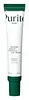
This calming eye moisturizer is formulated around Centella Asiatica Extract and Palmitoyl Tetrapeptide-7 to calm redness and soften the look of wrinkles.
This anti-aging eye moisturizer is formulated around Niacinamide and Alpha-Arbutin to soften the look of wrinkles and fade the look of dark spots.

What's inside
What's inside
 Key Ingredients
Benefits
Concerns
Ingredients Side-by-side
Water
Skin ConditioningHydrogenated Poly(C6-14 Olefin)
EmollientGlycerin
Humectant


Cetyl Ethylhexanoate
EmollientCaprylic/Capric Triglyceride
Masking
Cetyl Alcohol
Emollient


1,2-Hexanediol
Skin Conditioning
Butylene Glycol
Humectant
Dipropylene Glycol
HumectantCentella Asiatica Extract
Cleansing



Methyl Trimethicone
Skin Conditioning
Dipentaerythrityl Hexa C5-9 Acid Esters
Skin ConditioningPentaerythrityl Tetraisostearate
Emollient
Potassium Cetyl Phosphate
EmulsifyingPalmitoyl Dipeptide-10
Skin Conditioning
Palmitoyl Tetrapeptide-7
Skin Conditioning
Palmitoyl Tripeptide-1
Skin Conditioning
Palmitoyl Hexapeptide-12
Skin Conditioning
Sodium Hyaluronate
Humectant
Asiaticoside
Antioxidant
Madecassic Acid
Skin Conditioning
Asiatic Acid
Skin Conditioning
Polyglyceryl-2 Stearate
Emulsifying
Butyrospermum Parkii Butter
Skin Conditioning


Cetearyl Olivate
Glyceryl Stearate
Emollient
Stearyl Alcohol
Emollient
Limnanthes Alba Seed Oil
Skin Conditioning
Argania Spinosa Kernel Oil
Emollient

Macadamia Ternifolia Seed Oil
Emollient
Sorbitan Olivate
Emulsifying
Caprylyl Glycol
Emollient
Palmitic Acid
Emollient
Panthenol
Skin Conditioning
Stearic Acid
Cleansing
Acetyl Glucosamine
Skin Conditioning
Ceramide NP
Skin Conditioning
Tromethamine
BufferingCarbomer
Emulsion StabilisingAcrylates/C10-30 Alkyl Acrylate Crosspolymer
Emulsion StabilisingAdenosine
Skin Conditioning
Disodium EDTA
ChelatingMyristic Acid
Cleansing
Arachidic Acid
Cleansing
Camellia Sinensis Leaf Extract
Antimicrobial
Pancratium Maritimum Extract
BleachingCitrus Aurantium Bergamia Fruit Oil
Masking


Lavandula Angustifolia Oil
Masking
Limonene
Perfuming
Linalool
Perfuming
Water, Hydrogenated Poly(C6-14 Olefin), Glycerin, Cetyl Ethylhexanoate, Caprylic/Capric Triglyceride, Cetyl Alcohol, 1,2-Hexanediol, Butylene Glycol, Dipropylene Glycol, Centella Asiatica Extract, Methyl Trimethicone, Dipentaerythrityl Hexa C5-9 Acid Esters, Pentaerythrityl Tetraisostearate, Potassium Cetyl Phosphate, Palmitoyl Dipeptide-10, Palmitoyl Tetrapeptide-7, Palmitoyl Tripeptide-1, Palmitoyl Hexapeptide-12, Sodium Hyaluronate, Asiaticoside, Madecassic Acid, Asiatic Acid, Polyglyceryl-2 Stearate, Butyrospermum Parkii Butter, Cetearyl Olivate, Glyceryl Stearate, Stearyl Alcohol, Limnanthes Alba Seed Oil, Argania Spinosa Kernel Oil, Macadamia Ternifolia Seed Oil, Sorbitan Olivate, Caprylyl Glycol, Palmitic Acid, Panthenol, Stearic Acid, Acetyl Glucosamine, Ceramide NP, Tromethamine, Carbomer, Acrylates/C10-30 Alkyl Acrylate Crosspolymer, Adenosine, Disodium EDTA, Myristic Acid, Arachidic Acid, Camellia Sinensis Leaf Extract, Pancratium Maritimum Extract, Citrus Aurantium Bergamia Fruit Oil, Lavandula Angustifolia Oil, Limonene, Linalool
Water
Skin ConditioningGlycerin
Humectant
1,2-Hexanediol
Skin Conditioning
Niacinamide
Smoothing

Alpha-Arbutin
Antioxidant
Panthenol
Skin Conditioning
Glycereth-25 PCA Isostearate
Emulsifying
Ammonium Acryloyldimethyltaurate/Vp Copolymer
Bakuchiol 0.2%
Antimicrobial
Polyglyceryl-10 Laurate
Skin Conditioning
Hydrogenated Lecithin
Emulsifying
Adenosine
Skin Conditioning
Olea Europaea Fruit Oil
Masking
Macadamia Ternifolia Seed Oil
Emollient
Vitis Vinifera Seed Oil
Emollient
Simmondsia Chinensis Seed Oil
Emollient
Caffeine
Skin Conditioning
Sh-Oligopeptide-1
Skin Conditioning
Sh-Polypeptide-1
Skin Conditioning
Sh-Oligopeptide-2
Skin Conditioning
Sh-Polypeptide-19
Skin Conditioning
Caprylyl Glycol
Emollient
Acetyl Hexapeptide-8
Humectant
Biotin
AntiseborrhoeicWater, Glycerin, 1,2-Hexanediol, Niacinamide, Alpha-Arbutin, Panthenol, Glycereth-25 PCA Isostearate, Ammonium Acryloyldimethyltaurate/Vp Copolymer, Bakuchiol 0.2%, Polyglyceryl-10 Laurate, Hydrogenated Lecithin, Adenosine, Olea Europaea Fruit Oil, Macadamia Ternifolia Seed Oil, Vitis Vinifera Seed Oil, Simmondsia Chinensis Seed Oil, Caffeine, Sh-Oligopeptide-1, Sh-Polypeptide-1, Sh-Oligopeptide-2, Sh-Polypeptide-19, Caprylyl Glycol, Acetyl Hexapeptide-8, Biotin
Reviews
Ingredients Explained
These ingredients are found in both products.
Ingredients higher up in an ingredient list are typically present in a larger amount.
1,2-Hexanediol is a synthetic liquid and another multi-functional powerhouse.
It is a:
- Humectant, drawing moisture into the skin
- Emollient, helping to soften skin
- Solvent, dispersing and stabilizing formulas
- Preservative booster, enhancing the antimicrobial activity of other preservatives
Adenosine is a purine nucleoside that your body already makes in every cell. In skincare, it acts mainly as a skin conditioning and anti-aging agent.
The way it works is fairly well mapped out:
Your skin has cells called fibroblasts that build collagen (the stuff that keeps skin firm and smooth). Adenosine basically flips a switch on these cells that tells them to get to work making more collagen and other proteins. These cells slow down on their own as skin ages, so Adenosine helps give them a little nudge to keep going.
The clinical backing is pretty solid too.
A blind, randomized, placebo-controlled trial of 126 women aged 45-65 tested a 0.1% cream twice daily and found real improvements in crow's feet and frown lines using a precise 3D skin-mapping technique; these changes showed up by week 3 and held at 2 months.
A later study using Adenosine-loaded dissolving microneedle patches reported gains in wrinkle depth, dermal density, elasticity, and hydration.
On concentrations, South Korea's Ministry of Food and Drug Safety has set 0.04% as the approved functional anti-wrinkle level. You'll typically see this ingredient used somewhere in the 0.04-0.1% range since it works at low doses.
This ingredient has been found safe for cosmetics with the data showing no irritation or sensitization.
Overall, this is a great ingredient for any anti-aging routine and has no photosensitizing effect, so it suits both AM and PM use.
Learn more about AdenosineCaprylyl Glycol is a humectant, skin conditioner, emollient, and preservative booster derived from either caprylic acid or synthetically created.
Typical use levels vary from 0.3-1% as a preservative booster and go up to 2% to condition skin.
Because it is not a free-fatty acid, this ingredient is fungal acne safe (there's nothing for Malassezia to feed on).
Learn more about Caprylyl GlycolGlycerin (or glycerol) is a compound naturally found in your skin. It's a powerhouse humectant that pulls water into the stratum corneum.
Topically, glycerin does several things at once:
Your skin makes glycerin on its own (mostly from sebaceous oil breakdown) and shuttles it to your outermost layer of skin, or your epidermis, via aquaporin-3.
Aquaporin-3 is a transporter that is essential for normal skin hydration, elasticity, and repair. Interestingly, mice lacking in AQP3 have dry and less elastic skin that can be fully corrected with glycerin.
This ingredient is non-irritating, plays well with almost every ingredient, and works across all skin types. Typical use is anywhere between 3-10% but can go up to 79% in some leave-on products.
Just know very high concentrations (>40%) can feel tacky in low humidity.
Glycerin is the name for this ingredient in American English. British English uses Glycerol/Glycerine.
Learn more about GlycerinThis ingredient is also known as Macadamia Seed Oil. It's an emollient with a fatty acid profile that closely mirrors the skin's own lipid makeup.
The palmitoleic acid content is especially notable as it's somewhat rare in plant oils. Palmitoleic acid is something your skin already makes naturally. It helps keep cell membranes structured and plays a role in fighting off harmful microbes.
This palmitoleic content is also part of why macademia seed oil absorbs quickly and doesn't leave much of a greasy residue.
It also contains oleic acid, linoleic acid, and phytosterols that can help reduce redness.
In vitro research has shown the oil to have meaningful antioxidant activity, protect fats in the skin from oxidative damage, and slow down the enzyme that breaks down hyaluronic acid.
A 2024 clinical study found it effective at improving skin hydratino and reducing wrinkle appearance when formulated into nanoemulsions.
Because it carries oleic acid (C18) and palmitic acid (C16), this ingredient may not be fungal acne safe. This is because the Malassezia yeast metabolizes in the C11-24 chain length range.
You'll also see this ingredient listed as: Macadamia Integrifolia Seed Oil .
These two oils are identical in composition and M. ternifolia is an older INCI naming convention for the edible macadamia nut while M. integrifolia is the species actually cultivated for oil production. Both names refer to the same oil.
Learn more about Macadamia Ternifolia Seed OilPanthenol is a common ingredient that helps hydrate and soothe the skin. It is found naturally in our skin and hair.
There are two forms of panthenol: D and L.
D-panthenol is also known as dexpanthenol. Most cosmetics use dexpanthenol or a mixture of D and L-panthenol.
Panthenol is famous due to its ability to go deeper into the skin's layers. Using this ingredient has numerous pros (and no cons):
Like hyaluronic acid, panthenol is a humectant. Humectants are able to bind and hold large amounts of water to keep skin hydrated.
This ingredient works well for wound healing. It works by increasing tissue in the wound and helps close open wounds.
Once oxidized, panthenol converts to pantothenic acid. Panthothenic acid is found in all living cells.
This ingredient is also referred to as pro-vitamin B5.
Learn more about PanthenolWater. It's the most common cosmetic ingredient of all. You'll usually see it at the top of ingredient lists, meaning that it makes up the largest part of the product.
So why is it so popular? Water most often acts as a solvent - this means that it helps dissolve other ingredients into the formulation.
You'll also recognize water as that liquid we all need to stay alive. If you see this, drink a glass of water. Remember to stay hydrated!
Learn more about Water

