PURITO Dermide Cica Barrier Sleeping Pack Versus Andalou Naturals Age Defying Rejuvenating Sleeping Mask
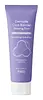
This barrier-repair overnight mask is formulated around Centella Asiatica Extract and Madecassoside to strengthen the skin barrier and calm redness.
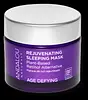
This anti-aging overnight mask is formulated around Butyrospermum Parkii Butter and Aloe Barbadensis Leaf Juice to soften the look of wrinkles and hydrate skin.


What's inside
What's inside
 Key Ingredients
Benefits
Concerns
Ingredients Side-by-side
Water
Skin ConditioningCentella Asiatica Extract
Cleansing





Caprylic/Capric Triglyceride
Masking

Glycerin
Humectant
Squalane
Emollient
Simmondsia Chinensis Seed Oil
Emollient


Cetearyl Alcohol
Emollient



Potassium Cetyl Phosphate
EmulsifyingHelianthus Annuus Seed Oil
Emollient
Butylene Glycol
Humectant
Polyglyceryl-3 Diisostearate
Emulsifying
1,2-Hexanediol
Skin Conditioning
Madecassoside
Antioxidant
Asiaticoside
Antioxidant
Madecassic Acid
Skin Conditioning
Asiatic Acid
Skin Conditioning
Panthenol
Skin Conditioning
Ceramide NP
Skin Conditioning
Sodium Hyaluronate
Humectant
Hydroxyacetophenone
Antioxidant
Sodium Carbomer
Emulsion StabilisingHydrogenated Lecithin
Emulsifying
Hydroxyethylcellulose
Emulsion StabilisingCamellia Sinensis Leaf Extract
Antimicrobial


Water, Centella Asiatica Extract, Caprylic/Capric Triglyceride, Glycerin, Squalane, Simmondsia Chinensis Seed Oil, Cetearyl Alcohol, Potassium Cetyl Phosphate, Helianthus Annuus Seed Oil, Butylene Glycol, Polyglyceryl-3 Diisostearate, 1,2-Hexanediol, Madecassoside, Asiaticoside, Madecassic Acid, Asiatic Acid, Panthenol, Ceramide NP, Sodium Hyaluronate, Hydroxyacetophenone, Sodium Carbomer, Hydrogenated Lecithin, Hydroxyethylcellulose, Camellia Sinensis Leaf Extract
Water
Skin ConditioningGlycerin
Humectant
Glyceryl Stearate Se
Emulsifying
Helianthus Annuus Seed Oil
Emollient
Butyrospermum Parkii Butter
Skin Conditioning
Hydrogenated Ethylhexyl Olivate
EmollientSodium Phytate
ChelatingAloe Barbadensis Leaf Juice
Skin Conditioning
Prunus Armeniaca Kernel Oil
Masking
Sodium Stearoyl Lactylate
EmulsifyingBakuchiol
Antimicrobial

Malus Domestica Fruit Cell Culture Extract
Skin ConditioningVitis Vinifera Fruit Cell Extract
Skin ConditioningHydrogenated Olive Oil Unsaponifiables
Emollient
Euterpe Oleracea Fruit Extract
Lycium Barbarum Fruit Extract
Astringent
Aronia Melanocarpa Fruit Extract
Skin ConditioningCyamopsis Tetragonoloba Gum
Emulsion StabilisingHydrolyzed Gardenia Florida Extract
Antioxidant
Melia Azadirachta Leaf Extract
Skin ConditioningMelia Azadirachta Flower Extract
Skin ConditioningCorallina Officinalis Extract
Skin Conditioning
Coccinia Indica Fruit Extract
Skin Conditioning
Solanum Melongena Fruit Extract
Skin ConditioningAloe Barbadensis Flower Extract
EmollientSimmondsia Chinensis Seed Oil
Emollient
Curcuma Longa Root Extract
Antioxidant
Ocimum Sanctum Leaf Extract
Skin ConditioningOcimum Basilicum Flower/Leaf Extract
TonicVaccinium Myrtillus Fruit/Leaf Extract
AstringentSaccharum Officinarum Extract
MoisturisingCitric Acid
Buffering
Citrus Limon Fruit Extract
Masking
Citrus Aurantium Dulcis Fruit Extract
MaskingAcer Saccharum Extract
Skin ConditioningMalic Acid
Buffering
Tartaric Acid
Buffering
Xanthan Gum
EmulsifyingMaltodextrin
Absorbent
Benzyl Alcohol
Perfuming



Dehydroacetic Acid
Preservative
Potassium Sorbate
Preservative
Sodium Benzoate
Masking
Camellia Sinensis Leaf Extract
Antimicrobial
Hydroxypropyl Starch Phosphate
Isomalt
HumectantLecithin
Emollient
Lactic Acid
Buffering
Glycolic Acid
Buffering
Parfum
Masking
Water, Glycerin, Glyceryl Stearate Se, Helianthus Annuus Seed Oil, Butyrospermum Parkii Butter, Hydrogenated Ethylhexyl Olivate, Sodium Phytate, Aloe Barbadensis Leaf Juice, Prunus Armeniaca Kernel Oil, Sodium Stearoyl Lactylate, Bakuchiol, Malus Domestica Fruit Cell Culture Extract, Vitis Vinifera Fruit Cell Extract, Hydrogenated Olive Oil Unsaponifiables, Euterpe Oleracea Fruit Extract, Lycium Barbarum Fruit Extract, Aronia Melanocarpa Fruit Extract, Cyamopsis Tetragonoloba Gum, Hydrolyzed Gardenia Florida Extract, Melia Azadirachta Leaf Extract, Melia Azadirachta Flower Extract, Corallina Officinalis Extract, Coccinia Indica Fruit Extract, Solanum Melongena Fruit Extract, Aloe Barbadensis Flower Extract, Simmondsia Chinensis Seed Oil, Curcuma Longa Root Extract, Ocimum Sanctum Leaf Extract, Ocimum Basilicum Flower/Leaf Extract, Vaccinium Myrtillus Fruit/Leaf Extract, Saccharum Officinarum Extract, Citric Acid, Citrus Limon Fruit Extract, Citrus Aurantium Dulcis Fruit Extract, Acer Saccharum Extract, Malic Acid, Tartaric Acid, Xanthan Gum, Maltodextrin, Benzyl Alcohol, Dehydroacetic Acid, Potassium Sorbate, Sodium Benzoate, Camellia Sinensis Leaf Extract, Hydroxypropyl Starch Phosphate, Isomalt, Lecithin, Lactic Acid, Glycolic Acid, Parfum
Reviews
Ingredients Explained
These ingredients are found in both products.
Ingredients higher up in an ingredient list are typically present in a larger amount.
Camellia Sinensis Leaf Extract (tea extract) is one of the most well-researched plant extracts in skincare with an impressive resume.
Black tea, green tea, and oolong tea are all harvested from the Camellia Sinensis plant.
Studies show green tea extract and its catechins (like epigallocatechin gallate (EGCG)) help your skin cells product energy more efficiently and reducing the number of free-radicals that can damage your skin from the inside.
In lab-grown skin models, this translated to younger, healthier, and stronger skin.
There's also good sun protection data; researchers saw less DNA damage and redness on human skin when green tea was applied before UVB exposure. And the more they applied, the better the protection.
Needless to say, this ingredient shouldn't replace your sunscreen. But it is a great supportive ingredient that you can already find in many sunscreens and antioxidant serums.
A 2009 study found a 2% green tea lotion was effective for mild-to-moderate acne thanks to its anti-inflammatory and mild antimicrobial activity.
The quality of the extract matters a lot here:
Good extracts contain 50-90% catechins while lower quality ones are mostly there for marketing. We recommend reaching out to the brand if you have questions about the quality or source of their ingredients.
Human Repeated Insult Patch Testing showed no irritation or sensitization at use concentrations (0.86% in leave-on products and up to 30% as leaf water).
Learn more about Camellia Sinensis Leaf ExtractGlycerin (or glycerol) is a compound naturally found in your skin. It's a powerhouse humectant that pulls water into the stratum corneum.
Topically, glycerin does several things at once:
Your skin makes glycerin on its own (mostly from sebaceous oil breakdown) and shuttles it to your outermost layer of skin, or your epidermis, via aquaporin-3.
Aquaporin-3 is a transporter that is essential for normal skin hydration, elasticity, and repair. Interestingly, mice lacking in AQP3 have dry and less elastic skin that can be fully corrected with glycerin.
This ingredient is non-irritating, plays well with almost every ingredient, and works across all skin types. Typical use is anywhere between 3-10% but can go up to 79% in some leave-on products.
Just know very high concentrations (>40%) can feel tacky in low humidity.
Glycerin is the name for this ingredient in American English. British English uses Glycerol/Glycerine.
Learn more about GlycerinHelianthus Annuus Seed Oil is a plant oil derived from the seeds of a sunflower.
It is rich in fatty acids, primarily linoleic acid and oleic acid. This gives it emollient and skin conditioning properties.
The reason this ingredient is so effective is because it forms a thin film on the skin that reduces transepidermal water loss (TEWL) while supplying linoleic acid to the stratum corneum to improve barrier strength.
The high linoleic acid content is particularly noteworthy for acne-prone skin.
Research suggests that acne-prone skin tends to be deficient in linoleic acid in sebum. Topical application may help replenish this to support a healthier follicular environment and less comedone-promoting sebum.
One randomized study found sunflower seed oil preserved skin barrier integrity in adult volunteers with and without atopic dermatitis (outperforming olive oil).
This ingredient is well-studied, gentle, and an effective emollient suitable for most skin types.
On fungal acne: This ingredient may not be Fungal acne (Malassezia folliculitis) safe. This is because it contains fatty acids with carbon chain lengths in the C11-C24 range.
Learn more about Helianthus Annuus Seed OilJojoba oil is one of the most well-studied plant-derived ingredients in cosmetics. It is an emollient with a special structure.
Because it is made up of 97-98% wax esters, it closely mirrors the linear monoesters found in human sebum. This makes it skin compatible, non-greasy, and lightweight.
Unlike other plant oils, jojoba wax doesn't easily penetrate skin. It mostly works in the uppermost layers as an emollient. This just means it forms a light barrier on the skin to help retain moisture.
Formulations with jojoba esters up to 90% reduced transepidermal water loss (TEWL) and increased barrier recovery by 81% (outperforming bisabolol at 47%).
Besides barrier support, the science also suggests jojoba to have anti-inflammatory effects and potential applications for skin infections, aging, and wound healing.
Fun fact: Indigenous cultures have used jojoba as a moisturizer and to help treat burns for centuries.
Fungal acne: The Malassezia yeast is known to metabolize fatty acids in the C11-24 range and jojoba's dominant fatty acid components fall into this range. This ingredient may not be fungal acne safe.
Learn more about Simmondsia Chinensis Seed OilWater. It's the most common cosmetic ingredient of all. You'll usually see it at the top of ingredient lists, meaning that it makes up the largest part of the product.
So why is it so popular? Water most often acts as a solvent - this means that it helps dissolve other ingredients into the formulation.
You'll also recognize water as that liquid we all need to stay alive. If you see this, drink a glass of water. Remember to stay hydrated!
Learn more about Water

