Pigeon Teens Facial Foam Daily Mild Cleansing Versus Gmeelan Orange Enzymes Exfoliating Brightening Gel
This brightening exfoliator is formulated around Niacinamide and 3-O-Ethyl Ascorbic Acid to brighten dull-looking skin and refine skin texture.


What's inside
What's inside
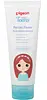 Key Ingredients
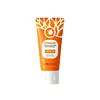
Benefits
Concerns
Ingredients Side-by-side
Water
Skin ConditioningSodium Laureth Sulfate
Cleansing



Cocamidopropyl Betaine
Cleansing

Sodium Cocoyl Isethionate
Cleansing
Sodium Stearate
CleansingSodium Chloride
MaskingButylene Glycol
Humectant

Hydroxyacetophenone
Antioxidant
Glycol Distearate
Emollient
Phenoxyethanol
Preservative
Citric Acid
Buffering

Parfum
Masking

Aroma
Sodium Benzoate
Masking
Tetrasodium EDTA
ChelatingPropylene Glycol
Humectant
O-Cymen-5-Ol
Antimicrobial
Sodium Citrate
BufferingMethylpropanediol
SolventPEG-40 Hydrogenated Castor Oil
Emulsifying
Chamomilla Recutita Extract
Skin Conditioning

1,2-Hexanediol
Skin Conditioning
Caprylyl Glycol
Emollient
Simmondsia Chinensis Seed Oil
Emollient
Water, Sodium Laureth Sulfate, Cocamidopropyl Betaine, Sodium Cocoyl Isethionate, Sodium Stearate, Sodium Chloride, Butylene Glycol, Hydroxyacetophenone, Glycol Distearate, Phenoxyethanol, Citric Acid, Parfum, Aroma, Sodium Benzoate, Tetrasodium EDTA, Propylene Glycol, O-Cymen-5-Ol, Sodium Citrate, Methylpropanediol, PEG-40 Hydrogenated Castor Oil, Chamomilla Recutita Extract, 1,2-Hexanediol, Caprylyl Glycol, Simmondsia Chinensis Seed Oil
Water
Skin ConditioningCarbomer
Emulsion StabilisingDipropylene Glycol
HumectantDodecylbenzyltrimonium Chloride
AntimicrobialPEG-40 Hydrogenated Castor Oil
Emulsifying
Parfum
Masking
Ethylhexylglycerin
Skin ConditioningLactose
HumectantCitrus Aurantium Dulcis Peel Oil
Masking
Lactobacillus/Soymilk Ferment Filtrate
Skin ConditioningPseudoalteromonas Ferment Extract
Humectant
Bacillus/Soybean Ferment Extract
Skin ConditioningNiacinamide
Smoothing






3-O-Ethyl Ascorbic Acid
Skin Conditioning
Glutathione
Pearl Extract
Antioxidant
Salicylic Acid
Masking
Hamamelis Virginiana Water
Astringent
Glycolic Acid
Buffering
Lactic Acid
Buffering
Sea Salt
Abrasive
Jojoba Esters
Emollient
Titanium Dioxide
Cosmetic Colorant

Tocopheryl Acetate
Antioxidant
Ascorbyl Palmitate
Antioxidant
Carnosine
Skin Conditioning
Glycyrrhiza Glabra Root
Skin ConditioningFolic Acid
Skin ConditioningCynanchum Atratum Extract
Skin ConditioningCeramide As
Skin Conditioning
Ceramide Ns
Skin Conditioning
Ceramide Ng
Skin Conditioning
Ceramide AP
Skin Conditioning
Ceramide EOP
Skin Conditioning
Sodium Hyaluronate
Humectant
Cellulose
Absorbent
Microcrystalline Cellulose
AbsorbentCI 77891
Cosmetic ColorantCI 77499
Cosmetic ColorantMannitol
Humectant
Hydroxypropyl Methylcellulose
Emulsion StabilisingHydrogenated Lecithin
Emulsifying
Zea Mays Starch
Absorbent
Disodium EDTA
ChelatingMica
Cosmetic ColorantEthylcellulose
PEG-150
HumectantCI 77492
Cosmetic ColorantAcrylates/C10-30 Alkyl Acrylate Crosspolymer
Emulsion StabilisingPhenoxyethanol
Preservative
Butylene Glycol
Humectant
1,2-Hexanediol
Skin Conditioning
Methylparaben
Preservative
Caprylyl Glycol
Emollient
Glycerin
Humectant
Pentylene Glycol
Skin Conditioning
Water, Carbomer, Dipropylene Glycol, Dodecylbenzyltrimonium Chloride, PEG-40 Hydrogenated Castor Oil, Parfum, Ethylhexylglycerin, Lactose, Citrus Aurantium Dulcis Peel Oil, Lactobacillus/Soymilk Ferment Filtrate, Pseudoalteromonas Ferment Extract, Bacillus/Soybean Ferment Extract, Niacinamide, 3-O-Ethyl Ascorbic Acid, Glutathione, Pearl Extract, Salicylic Acid, Hamamelis Virginiana Water, Glycolic Acid, Lactic Acid, Sea Salt, Jojoba Esters, Titanium Dioxide, Tocopheryl Acetate, Ascorbyl Palmitate, Carnosine, Glycyrrhiza Glabra Root, Folic Acid, Cynanchum Atratum Extract, Ceramide As, Ceramide Ns, Ceramide Ng, Ceramide AP, Ceramide EOP, Sodium Hyaluronate, Cellulose, Microcrystalline Cellulose, CI 77891, CI 77499, Mannitol, Hydroxypropyl Methylcellulose, Hydrogenated Lecithin, Zea Mays Starch, Disodium EDTA, Mica, Ethylcellulose, PEG-150, CI 77492, Acrylates/C10-30 Alkyl Acrylate Crosspolymer, Phenoxyethanol, Butylene Glycol, 1,2-Hexanediol, Methylparaben, Caprylyl Glycol, Glycerin, Pentylene Glycol
Reviews
Ingredients Explained
These ingredients are found in both products.
Ingredients higher up in an ingredient list are typically present in a larger amount.
1,2-Hexanediol is a synthetic liquid and another multi-functional powerhouse.
It is a:
- Humectant, drawing moisture into the skin
- Emollient, helping to soften skin
- Solvent, dispersing and stabilizing formulas
- Preservative booster, enhancing the antimicrobial activity of other preservatives
Butylene Glycol (or BG) is used within cosmetic products for a few different reasons:
Overall, Butylene Glycol is a safe and well-rounded ingredient that works well with other ingredients.
Though this ingredient works well with most skin types, some people with sensitive skin may experience a reaction such as allergic rashes, closed comedones, or itchiness.
Learn more about Butylene GlycolCaprylyl Glycol is a humectant, skin conditioner, emollient, and preservative booster derived from either caprylic acid or synthetically created.
Typical use levels vary from 0.3-1% as a preservative booster and go up to 2% to condition skin.
Because it is not a free-fatty acid, this ingredient is fungal acne safe (there's nothing for Malassezia to feed on).
Learn more about Caprylyl GlycolParfum is a catch-all term for an ingredient or more that is used to give a scent to products.
Also called "fragrance", this ingredient can be a blend of hundreds of chemicals or plant oils. This means every product with "fragrance" or "parfum" in the ingredients list is a different mixture.
For instance, Habanolide is a proprietary trade name for a specific aroma chemical. When used as a fragrance ingredient in cosmetics, most aroma chemicals fall under the broad labeling category of “FRAGRANCE” or “PARFUM” according to EU and US regulations.
The term 'parfum' or 'fragrance' is not regulated in many countries. In many cases, it is up to the brand to define this term.
For instance, many brands choose to label themselves as "fragrance-free" because they are not using synthetic fragrances. However, their products may still contain ingredients such as essential oils that are considered a fragrance by INCI standards.
One example is Calendula flower extract. Calendula is an essential oil that still imparts a scent or 'fragrance'.
Depending on the blend, the ingredients in the mixture can cause allergies and sensitivities on the skin. Some ingredients that are known EU allergens include linalool and citronellol.
Parfum can also be used to mask or cover an unpleasant scent.
The bottom line is: not all fragrances/parfum/ingredients are created equally. If you are worried about fragrances, we recommend taking a closer look at an ingredient. And of course, we always recommend speaking with a professional.
Learn more about ParfumPEG-40 Hydrogenated Castor Oil is an emulsifier derived from castor oil.
As an emulsifying agent, it helps other ingredients like fragrances and fat-soluble vitamins dissolve cohesively.
Due to its large molecule size, it doesn't penetrate beyond the skin's surface.
This ingredient has a solid regulatory track record; the CIR Expert Panel first concluded it was safe for use in cosmetics at concentrations up to 100% in 1997. A 2012 reassessment reaffirmed that finding. Safety studies have also found no irritation or evidence of toxicity.
A 2019 study did find this ingredient to grow Malassezia, so this ingredient may not be fungal acne safe.
Learn more about PEG-40 Hydrogenated Castor OilPhenoxyethanol is one of the most widely used preservatives in skincare (and for good reason!).
It has a large spectrum of antimicrobial activity and especially effective bacteria, yeast, and mold while only having a weak effect on your skin's natural microbiome.
On a cellular level, it disrupts the cell membranes of microbes by poking holes that make the cell leak. This shuts down the chemical reactions the microbe needs to make energy so it can no longer survive.
Another perk of this ingredient is that it stays functional across a wide pH range (3-10).
You'll often see it paired with boosters like Ethylhexylglycerin; one study showed that a 1:9 ratio of Ethylhexylglycerin to Phenoxyethanol damages bacterial membranes as effectively as doubling the Phenoxyethanol concentration on its own.
Typical use concentrations range from 0.3-1% depending on the formula, and this ingredient is capped at 1% int the EU.
Safety-wise, the fear mongering does not hold up to the evidence. The EU's Scientific Committee on Consumer Safety and FDA consider it safe as a preservative at up to 1%, including for children of all ages.
Adverse systemic effects only showed up in animal studies at exposures roughly 200x higher than what people get from cosmetics. And despite its very widespread use, this ingredient is a rare sensitizer and allergic reactions are uncommon.
Learn more about PhenoxyethanolWater. It's the most common cosmetic ingredient of all. You'll usually see it at the top of ingredient lists, meaning that it makes up the largest part of the product.
So why is it so popular? Water most often acts as a solvent - this means that it helps dissolve other ingredients into the formulation.
You'll also recognize water as that liquid we all need to stay alive. If you see this, drink a glass of water. Remember to stay hydrated!
Learn more about Water

