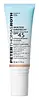
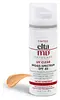
Peter Thomas Roth Water Drench Broad Spectrum SPF 45 Hyaluronic Cloud Sheer Tint Moisturizer Versus EltaMD, Inc UV Clear Tinted SPF 46
This hybrid sunscreen covers the full UV range and blocks ~98% of UVB at SPF 45.
This hybrid sunscreen covers the full UV range and blocks ~98% of UVB at SPF 46.

What's inside
What's inside
 Key Ingredients
Benefits
Concerns
Ingredients Side-by-side
Butyl Methoxydibenzoylmethane 3%
UV Absorber
Homosalate 5%
Skin Conditioning
Ethylhexyl Salicylate 5%
UV Absorber
Octocrylene 10%
UV Absorber

Water
Skin ConditioningDimethicone
Emollient

Glycerin
Humectant

Dipropylene Glycol
HumectantPolymethylsilsesquioxane
Argania Spinosa Kernel Oil
Emollient





Tocopheryl Acetate
Antioxidant


Dimethicone/PEG-10/15 Crosspolymer
Phenoxyethanol
Preservative
Titanium Dioxide
Cosmetic Colorant
Lauryl PEG-9 Polydimethylsiloxyethyl Dimethicone
Skin Conditioning
Saccharide Isomerate
Humectant
Isododecane
EmollientMethyl Gluceth-20
Humectant
Coco-Caprylate/Caprate
Emollient
Bisabolol
Antioxidant
Sodium Chloride
MaskingSodium Hyaluronate
Humectant

PEG-15/Lauryl Dimethicone Crosspolymer
Stabilising
Sodium PCA
Humectant
Polyglyceryl-6 Polyricinoleate
Emulsifying
Polyhydroxystearic Acid
Emulsifying
Iron Oxides
CI 77492
Cosmetic ColorantCI 77491
Cosmetic ColorantYeast Extract
Skin ConditioningDilinoleic Acid/Butanediol Copolymer
Disodium Stearoyl Glutamate
CleansingTrisiloxane
Skin Conditioning
Propylene Glycol
Humectant
Ceteareth-25
CleansingPotassium Sorbate
Preservative
Sodium Benzoate
Masking
Castor Oil/Ipdi Copolymer
Sodium Citrate
BufferingCitric Acid
Buffering
Cetyl Alcohol
Emollient
Ethylhexylglycerin
Skin ConditioningSaccharomyces/Magnesium Ferment
Sambucus Nigra Fruit Extract
AstringentBehenic Acid
Cleansing
Ceramide NP
Skin Conditioning
Cholesterol
Emollient
Mica
Cosmetic ColorantCeramide Ns
Skin Conditioning
Saccharomyces/Iron Ferment
Skin Conditioning
Saccharomyces/Copper Ferment
Skin Conditioning
Saccharomyces/Silicon Ferment
Skin Conditioning
Saccharomyces/Zinc Ferment
Skin Conditioning
Butylene Glycol
Humectant
Ceramide AP
Skin Conditioning
Ceramide EOP
Skin Conditioning
Ceramide Eos
Skin Conditioning
Tocopherol
Antioxidant
Olea Europaea Leaf Extract
Perfuming
Caprooyl Phytosphingosine
Skin Conditioning
Caprooyl Sphingosine
Skin ConditioningButyl Methoxydibenzoylmethane 3%, Homosalate 5%, Ethylhexyl Salicylate 5%, Octocrylene 10%, Water, Dimethicone, Glycerin, Dipropylene Glycol, Polymethylsilsesquioxane, Argania Spinosa Kernel Oil, Tocopheryl Acetate, Dimethicone/PEG-10/15 Crosspolymer, Phenoxyethanol, Titanium Dioxide, Lauryl PEG-9 Polydimethylsiloxyethyl Dimethicone, Saccharide Isomerate, Isododecane, Methyl Gluceth-20, Coco-Caprylate/Caprate, Bisabolol, Sodium Chloride, Sodium Hyaluronate, PEG-15/Lauryl Dimethicone Crosspolymer, Sodium PCA, Polyglyceryl-6 Polyricinoleate, Polyhydroxystearic Acid, Iron Oxides, CI 77492, CI 77491, Yeast Extract, Dilinoleic Acid/Butanediol Copolymer, Disodium Stearoyl Glutamate, Trisiloxane, Propylene Glycol, Ceteareth-25, Potassium Sorbate, Sodium Benzoate, Castor Oil/Ipdi Copolymer, Sodium Citrate, Citric Acid, Cetyl Alcohol, Ethylhexylglycerin, Saccharomyces/Magnesium Ferment, Sambucus Nigra Fruit Extract, Behenic Acid, Ceramide NP, Cholesterol, Mica, Ceramide Ns, Saccharomyces/Iron Ferment, Saccharomyces/Copper Ferment, Saccharomyces/Silicon Ferment, Saccharomyces/Zinc Ferment, Butylene Glycol, Ceramide AP, Ceramide EOP, Ceramide Eos, Tocopherol, Olea Europaea Leaf Extract, Caprooyl Phytosphingosine, Caprooyl Sphingosine
Zinc Oxide 9%
Cosmetic Colorant
Ethylhexyl Methoxycinnamate 7.5%
UV Absorber
Water
Skin ConditioningCyclopentasiloxane
Emollient
Niacinamide
Smoothing



Octyldodecyl Neopentanoate
EmollientButylene Glycol
Humectant
Hydroxyethyl Acrylate/Sodium Acryloyldimethyl Taurate Copolymer
Emulsion StabilisingPolyisobutene
PEG-7 Trimethylolpropane Coconut Ether
Emulsifying
Sodium Hyaluronate
Humectant
Tocopheryl Acetate
Antioxidant
Lactic Acid
Buffering
Oleth-3 Phosphate
SurfactantPhenoxyethanol
Preservative
Iodopropynyl Butylcarbamate
Preservative
Isopropyl Palmitate
Emollient

Ethylhexyl Stearate
Emollient
Iron Oxides
Triethoxycaprylylsilane
Zinc Oxide 9%, Ethylhexyl Methoxycinnamate 7.5%, Water, Cyclopentasiloxane, Niacinamide, Octyldodecyl Neopentanoate, Butylene Glycol, Hydroxyethyl Acrylate/Sodium Acryloyldimethyl Taurate Copolymer, Polyisobutene, PEG-7 Trimethylolpropane Coconut Ether, Sodium Hyaluronate, Tocopheryl Acetate, Lactic Acid, Oleth-3 Phosphate, Phenoxyethanol, Iodopropynyl Butylcarbamate, Isopropyl Palmitate, Ethylhexyl Stearate, Iron Oxides, Triethoxycaprylylsilane
Reviews
Ingredients Explained
These ingredients are found in both products.
Ingredients higher up in an ingredient list are typically present in a larger amount.
Butylene Glycol (or BG) is used within cosmetic products for a few different reasons:
Overall, Butylene Glycol is a safe and well-rounded ingredient that works well with other ingredients.
Though this ingredient works well with most skin types, some people with sensitive skin may experience a reaction such as allergic rashes, closed comedones, or itchiness.
Learn more about Butylene GlycolPhenoxyethanol is one of the most widely used preservatives in skincare (and for good reason!).
It has a large spectrum of antimicrobial activity and especially effective bacteria, yeast, and mold while only having a weak effect on your skin's natural microbiome.
On a cellular level, it disrupts the cell membranes of microbes by poking holes that make the cell leak. This shuts down the chemical reactions the microbe needs to make energy so it can no longer survive.
Another perk of this ingredient is that it stays functional across a wide pH range (3-10).
You'll often see it paired with boosters like Ethylhexylglycerin; one study showed that a 1:9 ratio of Ethylhexylglycerin to Phenoxyethanol damages bacterial membranes as effectively as doubling the Phenoxyethanol concentration on its own.
Typical use concentrations range from 0.3-1% depending on the formula, and this ingredient is capped at 1% int the EU.
Safety-wise, the fear mongering does not hold up to the evidence. The EU's Scientific Committee on Consumer Safety and FDA consider it safe as a preservative at up to 1%, including for children of all ages.
Adverse systemic effects only showed up in animal studies at exposures roughly 200x higher than what people get from cosmetics. And despite its very widespread use, this ingredient is a rare sensitizer and allergic reactions are uncommon.
Learn more about PhenoxyethanolSodium Hyaluronate is the salt form of hyaluronic acid. It is a long sugar chain that is naturally found in your skin, joints, and connective tissue that maintains hydration and elasticity.
In skincare, it works as a humectant. It pulls water from the environment and deeper layers of skin and binds it to the surface.
Interestingly, the size of the molecule affects its behavior:
Some clinical evidence links low molecular weight versions to improved wrinkle depth, elasticity, anti-inflammatory effects, and barrier repair.
Many serums use a blend of both weights so you can get surface hydration plus longer-lasting and deeper effects.
You'll typically see concentrations between 0.1-2% for this ingredient.
Learn more about Sodium HyaluronateTocopheryl Acetate is a stable, shelf-friendly form of vitamin E.
Formulators love it because plain vitamin E oxidizes quickly once it hits air. This acetate version stays stable and resists going off, helping to extend a product's shelf life.
It's actually inactive on its own and works like a slow-release "storage" form; the enzymes in your skin called esterases gradually convert it into active vitamin E over time.
One in vivo study showed 5% of the acetate in the living layer of the epidermis converted to vitamin E after 5 days of application. This study also found the skin gained protection against UV damage even though the conversion was slow and small.
Once converted, vitamin E acts as a skin's main fat-soluble antioxidant that fights free radicals to protect skin from damage.
Topical vitamin E generally boosts the skin's photoprotection, and it reduced UV-damage in animal models.
This ingredient has some brightening potential but it's more of a prevention ingredient than spot-fader. Cell studies show it can slow down melanin production but it's worth noting that it's not the most powerful brightener out there.
Overall, it has a pretty solid safety profile and has been found to be non-irritating and non-comedogenic. Allergic reactions may happen but stay rare due to how widely the ingredient gets used.
The concentration will vary depending on the formula; industry data shows 0.1% in baby lotions, 3% in lipsticks, and 5% in foot powders. You can also find this ingredient at 100% in a pure vitamin E oil.
Most leave-on skincare keeps it at the lower end, often between 0.5-1%.
Learn more about Tocopheryl AcetateWater. It's the most common cosmetic ingredient of all. You'll usually see it at the top of ingredient lists, meaning that it makes up the largest part of the product.
So why is it so popular? Water most often acts as a solvent - this means that it helps dissolve other ingredients into the formulation.
You'll also recognize water as that liquid we all need to stay alive. If you see this, drink a glass of water. Remember to stay hydrated!
Learn more about WaterThis ingredient is a combination of red, black, and yellow iron oxide pigments. This combination of colors is usually found in foundation, because it results in a "skin" color.
The EU typically uses CI numbers for colorants when applicable, such as CI 77489. In the US, iron oxides are regulated as color additives and "iron oxides" is the most commonly used name in US cosmetic practice.
A 2021 paper looked at skincare formulations containing iron oxides and found that they reduced transmission of blue light when measured optically. In simple terms, the pigment particles helped block or scatter part of the visible light spectrum in lab testing and the authors suggest this could translate into better protection against blue-light-related skin effects.
There is also clinical and experimental research showing that tinted products containing iron oxides can reduce visible light-induced pigmentation:
Please note, whether a product reduces visible or blue light depends on things like:
In the EU's CosIng database, iron oxides are only listed as a colorant. CosIng groups ingredients by their main cosmetic role, such as colorant, preservative, or UV filter.
Though studies say iron oxides can "attenuate blue light", they're describing an optical property and not an officially recognized cosmetic function.
So CosIng isn’t contradicting the research. It’s just classifying iron oxides by what they officially are: pigments that add color.
Learn more about Iron Oxides

