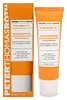
This brightening treatment is formulated around Niacinamide and Tranexamic Acid to fade the look of dark spots and brighten dull-looking skin.
This brightening treatment is formulated around Azelaic Acid and Tranexamic Acid to fade the look of dark spots and clear breakouts.

What's inside
What's inside
 Key Ingredients
Benefits
Concerns
Ingredients Side-by-side
Water
Skin ConditioningNiacinamide
Smoothing











Dimethyl Isosorbide
SolventIsononyl Isononanoate
EmollientTranexamic Acid
Astringent
Dimethicone
Emollient
Caprylic/Capric Triglyceride
Masking

Alpha-Arbutin
Antioxidant

Cetyl Alcohol
Emollient


Glyceryl Stearate
Emollient
Pentylene Glycol
Skin Conditioning
Propanediol
Solvent
C9-12 Alkane
SolventCitric Acid
Buffering
Glyceryl Stearate Se
Emulsifying


Butyrospermum Parkii Butter
Skin Conditioning
Tetrahexyldecyl Ascorbate
Antioxidant
Kojic Acid
Antioxidant
Resveratrol
Antioxidant
Tocopheryl Acetate
Antioxidant
Diethylhexyl Syringylidenemalonate
Skin Protecting
Hydrangea Arborescens Root Extract
Skin ConditioningMorus Alba Root Extract
BleachingScutellaria Lateriflora Extract
Skin ConditioningHydrolyzed Vegetable Protein
Skin ConditioningSilica
Abrasive
Sodium Stearoyl Glutamate
CleansingCoco-Caprylate/Caprate
Emollient
Dimethiconol
Emollient
Glycerin
Humectant
Sodium Phytate
Potassium Sorbate
Preservative
Sodium Benzoate
Masking
Caprylyl Glycol
Emollient
Hexylene Glycol
EmulsifyingPolysorbate 20
Emulsifying
Ceteth-20
CleansingSteareth-20
CleansingPolyacrylate Crosspolymer-6
Emulsion StabilisingPEG-75 Stearate
Surfactant
Titanium Dioxide
Cosmetic Colorant
Phenoxyethanol
Preservative
Water, Niacinamide, Dimethyl Isosorbide, Isononyl Isononanoate, Tranexamic Acid, Dimethicone, Caprylic/Capric Triglyceride, Alpha-Arbutin, Cetyl Alcohol, Glyceryl Stearate, Pentylene Glycol, Propanediol, C9-12 Alkane, Citric Acid, Glyceryl Stearate Se, Butyrospermum Parkii Butter, Tetrahexyldecyl Ascorbate, Kojic Acid, Resveratrol, Tocopheryl Acetate, Diethylhexyl Syringylidenemalonate, Hydrangea Arborescens Root Extract, Morus Alba Root Extract, Scutellaria Lateriflora Extract, Hydrolyzed Vegetable Protein, Silica, Sodium Stearoyl Glutamate, Coco-Caprylate/Caprate, Dimethiconol, Glycerin, Sodium Phytate, Potassium Sorbate, Sodium Benzoate, Caprylyl Glycol, Hexylene Glycol, Polysorbate 20, Ceteth-20, Steareth-20, Polyacrylate Crosspolymer-6, PEG-75 Stearate, Titanium Dioxide, Phenoxyethanol
Azelaic Acid 17%
Buffering
Tranexamic Acid 4%
Astringent
Niacinamide 1%
Smoothing
Glycerin
Humectant
Alcohol Denat.
Antimicrobial


Sodium Bisulfate
BufferingBHT
Antioxidant
Acrylates/C12-22 Alkyl Methacrylate Copolymer
Aluminum Starch Octenylsuccinate
Absorbent
Bis-Vinyldimethicone/Bis-Isobutyl PPG-20 Crosspolymer
Emollient
Caprylic/Capric Triglyceride
Masking
Carthamus Tinctorius Seed Oil
Masking
Ceteth-20
CleansingCetyl Alcohol
Emollient
Cyclohexasiloxane
Emollient
Cyclopentasiloxane
Emollient
Dicaprylyl Ether
Emollient
Dimethicone
Emollient
Dimethyl Isosorbide
SolventDisteardimonium Hectorite
StabilisingGlyceryl Stearate
Emollient
Isodecyl Neopentanoate
EmollientIsododecane
EmollientIsopropyl Palmitate
Emollient
Laureth-12
EmulsifyingLecithin
Emollient
Ozokerite
Emulsion StabilisingPEG-75 Stearate
Surfactant
Petrolatum
Emollient
Polysilicone-11
Potassium Sorbate
Preservative
Propylene Carbonate
SolventSilica
Abrasive
Silica Silylate
Emollient
Sodium Lauryl Sulfoacetate
CleansingSorbic Acid
Preservative
Steareth-20
CleansingTitanium Dioxide
Cosmetic Colorant
Triethoxycaprylylsilane
Azelaic Acid 17%, Tranexamic Acid 4%, Niacinamide 1%, Glycerin, Alcohol Denat., Sodium Bisulfate, BHT, Acrylates/C12-22 Alkyl Methacrylate Copolymer, Aluminum Starch Octenylsuccinate, Bis-Vinyldimethicone/Bis-Isobutyl PPG-20 Crosspolymer, Caprylic/Capric Triglyceride, Carthamus Tinctorius Seed Oil, Ceteth-20, Cetyl Alcohol, Cyclohexasiloxane, Cyclopentasiloxane, Dicaprylyl Ether, Dimethicone, Dimethyl Isosorbide, Disteardimonium Hectorite, Glyceryl Stearate, Isodecyl Neopentanoate, Isododecane, Isopropyl Palmitate, Laureth-12, Lecithin, Ozokerite, PEG-75 Stearate, Petrolatum, Polysilicone-11, Potassium Sorbate, Propylene Carbonate, Silica, Silica Silylate, Sodium Lauryl Sulfoacetate, Sorbic Acid, Steareth-20, Titanium Dioxide, Triethoxycaprylylsilane
Reviews
Alternatives
Ingredients Explained
These ingredients are found in both products.
Ingredients higher up in an ingredient list are typically present in a larger amount.
Caprylic/Capric Triglyceride (aka MCT Oil) is a lightweight emollient, solvent, and texture enhancer. It is considered a skin-softener by helping to prevent moisture loss.
Though it behaves like an oil, it is not technically one due to its chemical composition. One perk of this ingredient is that it is very stable, resistant to oxidation, and unlikely to go rancid.
In practice, that translates to a long shelf life and a consistently elegant skin feel.
While there is an assumption Caprylic Triglyceride can clog pores due to it being derived from coconut oil, there is no research supporting this. Just patch test if you have concerns.
Fractionated coconut oil and MCT Oil are both listed as Caprylic/Capric Triglyceride according to INCI. This is because INCI names are based on the ingredient’s final chemical composition and not its marketing name or source.
This ingredient is treated as the gold standard fungal acne safe oil. Even though it is coconut derived, the problematic lauric acid is stripped out.
This leaves just caprylic (C8) and capric (C10) acid. These chain lengths actually trend antifungal; a 2020 study found caprylic acid was enough to disrupt Malassezia furfur cell membrane, with a caprylic acid derivative damaging membrane structures at concentrations as low as 0.2%.
Learn more about Caprylic/Capric TriglycerideThis ingredient is a surfactant and emulsifier. It is used to mix water and oil, stabilize emulsions, and aid in cleansing.
Cetyl Alcohol is a fatty alcohol. Fatty Alcohols are most often used as an emollient or to thicken a product.
Its main roles are:
Though it has "alcohol" in the name, it is not related to denatured alcohol or ethyl alcohol.
The FDA allows products labeled "alcohol-free" to have fatty alcohols.
This ingredient may not be fungal acne safe. It is a primary fatty alcohol with a chain length above 12 carbons. A study from 2019 show Malassezia can feed on fatty alcohols in this range, so it may trigger fungal acne in those prone to it.
Learn more about Cetyl AlcoholDimethicone is a type of synthetic silicone created from natural materials such as quartz. It is also known as polydimethylsiloxane.
What it does:
Dimethicone comes in different viscosities:
Depending on the viscosity, dimethicone has different properties.
Ingredients lists don't always show which type is used, so we recommend reaching out to the brand if you have questions about the viscosity.
This ingredient is unlikely to cause irritation because it does not get absorbed into skin. However, people with silicone allergies should be careful about using this ingredient.
Note: Dimethicone may contribute to pilling. This is because it is not oil or water soluble, so pilling may occur when layered with products. When mixed with heavy oils in a formula, the outcome is also quite greasy.
Learn more about DimethiconeDimethyl Isosorbide (often shortened to DMI) is a sugar-derived solvent made from sorbitol. It's used to dissolve tricky ingredients and help them mix smoothly into a formula.
Many actives sit as gritty crystals when undissolved, so DMI swoops in to full dissolve them. This helps improve texture, stability, and how evenly an active is distributed.
It does have a penetration-enhancing reputation that is a bit more nuanced than marketing suggests; a cell study on human skin found that 10% DMI didn't significantly boost the permeation of Hydroquinone, Salicylic Acid, or Octadecenedioic Acid compared to controls (though it did improve their solubility in the formula itself).
Typical usage concentrations usually range from 1-10% depending on the formula's needs; this ingredient is also well tolerated at these levels.
Learn more about Dimethyl IsosorbideGlycerin (or glycerol) is a compound naturally found in your skin. It's a powerhouse humectant that pulls water into the stratum corneum.
Topically, glycerin does several things at once:
Your skin makes glycerin on its own (mostly from sebaceous oil breakdown) and shuttles it to your outermost layer of skin, or your epidermis, via aquaporin-3.
Aquaporin-3 is a transporter that is essential for normal skin hydration, elasticity, and repair. Interestingly, mice lacking in AQP3 have dry and less elastic skin that can be fully corrected with glycerin.
This ingredient is non-irritating, plays well with almost every ingredient, and works across all skin types. Typical use is anywhere between 3-10% but can go up to 79% in some leave-on products.
Just know very high concentrations (>40%) can feel tacky in low humidity.
Glycerin is the name for this ingredient in American English. British English uses Glycerol/Glycerine.
Learn more about GlycerinGlyceryl Stearate is made by reacting glycerin with stearic acid (typically sourced from plant oils like palm or coconut). It's an emulsifier, emollient, and mild occlusive.
Emulsifiers help ingredients like oil and water stay mixed so your formula stays nicely blended and uniform in texture.
This ingredient is typically used in concentrations between 1-10%. Studies have found it to be non-sensitizing, non-phototoxic, and non-photoallergenic.
A close cousin of this ingredient is Glyceryl Stearate SE ("self-emulsifying"). This just has a small amount of sodium or potassium stearate added so it can emulsify without a co-emulsifier.
Since this ingredient is an ester of a C18 fatty acid, it may not be fungal acne safe. The Malassezia yeast can potentially metabolize within the C11-C24 range.
Fun fact: The human body also creates Glyceryl Stearate naturally.
Learn more about Glyceryl StearateNiacinamide is a multitasking form of vitamin B3 that strengthens the skin barrier, reduces pores and dark spots, regulates oil, and improves signs of aging.
And the best part? It's gentle and well-tolerated by most skin types, including sensitive and reactive skin.
You might have heard of "niacin flush", or the reddening of skin that causes itchiness. Niacinamide has not been found to cause this.
In very rare cases, some individuals may not be able to tolerate niacinamide at all or experience an allergic reaction to it.
If you are experiencing flaking, irritation, and dryness with this ingredient, be sure to double check all your products as this ingredient can be found in all categories of skincare.
When incorporating niacinamide into your routine, look out for concentration amounts. Typically, 5% niacinamide provides benefits such as fading dark spots. However, if you have sensitive skin, it is better to begin with a smaller concentration.
When you apply niacinamide to your skin, your body converts it into nicotinamide adenine dinucleotide (NAD). NAD is an essential coenzyme that is already found in your cells as "fuel" and powers countless biological processes.
In your skin, NAD helps repair cell damage, produce new healthy cells, support collagen production, strengthen the skin barrier, and fight environmental stressors (like UV and pollution).
Our natural NAD levels start to decline with age, leading to slower skin repair, visible aging, and a weaker skin barrier. By providing your skin niacinamide, you're recharging your skin's NAD levels. This leads to stronger, healthier, and younger looking skin.
Another name for vitamin B3 is nicotinamide. This vitamin is water-soluble and our bodies don't store it. We obtain Vitamin B3 from either food or skincare. Meat, fish, wheat, yeast, and leafy greens contain vitamin B3.
The type of niacinamide used in skincare is synthetically created.
Learn more about NiacinamidePEG-75 Stearate isn't fungal acne safe.
Potassium Sorbate is a preservative used to prevent yeast and mold in products. It is commonly found in both cosmetic and food products.
This ingredient comes from potassium salt derived from sorbic acid. Sorbic acid is a natural antibiotic and effective against fungus.
Both potassium sorbate and sorbic acid can be found in baked goods, cheeses, dried meats, dried fruit, ice cream, pickles, wine, yogurt, and more.
You'll often find this ingredient used with other preservatives.
Learn more about Potassium SorbateSilica, also known as silicon dioxide, is a naturally occurring mineral. It is used as a fine, spherical, and porous powder in cosmetics.
Though it has exfoliant properties, the function of silica varies depending on the product.
The unique structure of silica enhances the spreadability and adds smoothness, making it a great texture enhancer.
It is also used as an active carrier, emulsifier, and mattifier due to its ability to absorb excess oil.
In some products, tiny microneedles called spicules are made from silica or hydrolyzed sponge. When you rub them in, they lightly polish away dead skin layers and enhance the penetration of active ingredients.
Learn more about SilicaSteareth-20 is an emulsifier and solubilizer. It is created from stearyl alcohol with ~20 units of ethylene oxide to give it a strong preference for water.
As an emulsifier, it helps oil-in-water emulsions like lotions, creams, and cleansers stay stable. It also solubilizes small amounts of oil-loving ingredients (like fragrance) into water-based formulas.
You'll likely find this ingredient with steareth-2 (it's oil-loving sister) where the two work together to give products a cushiony feel.
Typical use levels sit at around 1-5% and this ingredient has been found to be non-irritating by the CIR Expert Panel.
Learn more about Steareth-20Titanium Dioxide (TD) is a mineral UV filter widely used in sunscreens and cosmetics.
It's one of only two UV filters officially classified as "mineral" by regulatory agencies (the other being Zinc Oxide).
A really common myth is that mineral filters work by reflecting UV light off your skin like tiny mirrors.
They don't only do that; modern research shows TD protects mostly by absorbing UV radiation, the same way chemical filters do.
When researchers measured this, reflection accounted for only about 4-5% of the protection (and less than SPF 2 on its own). The other ~95% comes from absorption: the UV photons hit the particle and their energy gets soaked up by its semiconductor band gap rather than bouncing off.
So "reflects vs. absorbs" was never really the right way to split mineral from chemical filters.
TD gives broad-spectrum protection that's strongest in the UVB and UVA-2 range and weaker in the UVA-1 range. Its UVA protection isn't quite as strong as Zinc Oxide's which is why you'll often see the two paired together.
Together, they make a solid broad-spectrum system.
TD is a great pick for sensitive, acne-prone, or redness-prone skin because it's non-irritating and chemically inert. Regulatory reviews classify it as a non-sensitizer and mild-to-non-irritant.
It's also unlikely to cause the "eye sting" some chemical filters are known for.
The main trade-off is cosmetic; TD can leave a white cast and has a thicker texture. This is why mineral sunscreens are often less cosmetically elegant than chemical or hybrid formulas (and harder to shade-match on deeper skin tones).
Formulators often use micronized or nano-sized TD to cut down on white case and improve spreadability. Smaller particles scatter less visible light so the formula looks less chalky while still filtering UV.
TD is almost always bundled with coatings like Alumina, Silica, Stearic Acid, or Dimethicone. These coatings do two important jobs:
TD can be used at up to 25% in a finished sunscreen; this is the regulatory ceiling in both the US and the EU.
In practice, the amount in any given product varies a lot depending on the target SPF and whether it's paired with other UV filters.
TD is one of the most heavily vetted sunscreen ingredients out there. It is approved as a UV filter in all major markets worldwide, including the US, EU, UK, Japan, Korea, China, Australia, and Canada.
The safety evidence is solid. There was an old worry that nano particles might absorb through skin into the body but multiple studies (including on damaged, sunburned, and UV-irradiated skin) have shown that TD stays on the surface and the layer of dead skin cells on top of everything else.
There's also no evidence of carcinogenicity, mutagenicity, or reproductive toxicity from dermal exposure of this ingredient.
For those who have seen the headline about a 2022 EU ban on TD, that was on TD as a food additive (a complete separate use from topical sunscreen).
There are ongoing questions about how nano-TD might affect marine ecosystems. As of now, there has been no conclusive evidence that any form of TD (or any other sunscreen filter) harms coral reefs or marine life.
The science is still developing and it's a space worth watching rather than packing over.
However, several destinations have reef-safety sunscreen rules that restrict certain chemical filters and steer visitors toward mineral, non-nano options. If you're traveling somewhere with these rules, a non-nano mineral sunscreen is the safe bet.
Learn more about Titanium DioxideTranexamic Acid (TXA) is a synthetic lysine derivative that is becoming one of the most exciting brightening ingredients in skincare.
Originally used in medicine as an anti-hemorrhagic agent, its skin brightening potential was discovered by accident; patients taking it orally started noticing their melasma was fading.
Unlike most brighteners that target tyrosinase (the enzyme that synthesizes melanin), TXA works further upstream. It basically blocks your cells from receiving the signal to produce pigment.
This makes it one of the rare actives that works on three pathways at once:
This makes it effective for treating melasma, post-inflammatory hyperpigmentation (PIH), and sun-induced dark spots.
The most effective cosmetic concentration sits between 2-5% and going higher doesn't boost results.
Side effects are generally mild; occasional irritation, flaking, or dryness have been reported at the start of use. Overall, this ingredient is pretty well tolerated, even by sensitive skin types.
Another perk of this ingredient is that it does not cause photosensitivity, so it's safe to use in the AM and PM.
Learn more about Tranexamic Acid

