
What's inside
What's inside
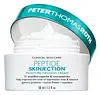 Key Ingredients
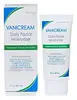
Benefits
Concerns
Ingredients Side-by-side
Water
Skin ConditioningGlycerin
Humectant


Dimethicone
Emollient
Olive Oil Decyl Esters



Glycereth-26
Humectant
Squalane
Emollient
Butylene Glycol
Humectant
Behenyl Alcohol
Emollient
Polysilicone-11

Batyl Alcohol
EmollientSimmondsia Chinensis Seed Oil
Emollient
Hexapeptide-11
Skin Conditioning
Dipeptide Diaminobutyroyl Benzylamide Diacetate
Skin Conditioning
Palmitoyl Tripeptide-5
Skin Conditioning
Tripeptide-10 Citrulline
Skin Conditioning
Acetyl Hexapeptide-1
Skin Conditioning
Acetyl Tetrapeptide-11
Skin Conditioning
Acetyl Hexapeptide-8
Humectant
Palmitoyl Hexapeptide-12
Skin Conditioning
Acetyl Tetrapeptide-9
Skin Conditioning
Palmitoyl Tetrapeptide-7
Skin Conditioning
Acetyl Tetrapeptide-2
Skin Conditioning
Acetyl Octapeptide-3
Humectant
Palmitoyl Hexapeptide-19
Skin Conditioning
Trifluoroacetyl Tripeptide-2
Skin Conditioning
Tripeptide-1
Skin Conditioning
Palmitoyl Oligopeptide
Cleansing
Palmitoyl Tripeptide-1
Skin Conditioning
Natto Gum
Sodium Polyglutamate
HumectantSqualene
Emollient
Mica
Cosmetic ColorantSodium Hyaluronate
Humectant

Sorbic Acid
Preservative
Tocopherol
Antioxidant



Cereus Grandiflorus Flower Extract
Skin ConditioningPseudoalteromonas Ferment Extract
Humectant
Leuconostoc/Radish Root Ferment Filtrate
Antimicrobial
Magnesium Chloride
Phenoxyethanol
Preservative
Cetyl Alcohol
Emollient
Stearyl Alcohol
Emollient
Trehalose
Humectant
Glyceryl Stearate
Emollient
Silanetriol Trehalose Ether
EmollientMannitol
Humectant
Phytosterols
Skin Conditioning
Acrylates/C10-30 Alkyl Acrylate Crosspolymer
Emulsion StabilisingCaprylic/Capric Triglyceride
Masking
Hydrogenated Lecithin
Emulsifying
Polyglyceryl-10 Myristate
Skin Conditioning
Polysorbate 20
Emulsifying
Dimethyl Isosorbide
SolventSodium Benzoate
Masking
Potassium Sorbate
Preservative
Caprylyl Glycol
Emollient
Sodium Hydroxide
BufferingLaureth-12
EmulsifyingHydrolyzed Wheat Protein
Skin ConditioningLecithin
Emollient
Disodium Phosphate
BufferingHydrolyzed Soy Protein
Humectant
Carbomer
Emulsion StabilisingDextran
Ethylhexylglycerin
Skin ConditioningSodium Lactate
Buffering
Tetradecyl Aminobutyroylvalylaminobutyric Urea Trifluoroacetate
Skin ConditioningSodium Phosphate
BufferingXanthan Gum
EmulsifyingTriethanolamine
BufferingAcrylates Copolymer
Water, Glycerin, Dimethicone, Olive Oil Decyl Esters, Glycereth-26, Squalane, Butylene Glycol, Behenyl Alcohol, Polysilicone-11, Batyl Alcohol, Simmondsia Chinensis Seed Oil, Hexapeptide-11, Dipeptide Diaminobutyroyl Benzylamide Diacetate, Palmitoyl Tripeptide-5, Tripeptide-10 Citrulline, Acetyl Hexapeptide-1, Acetyl Tetrapeptide-11, Acetyl Hexapeptide-8, Palmitoyl Hexapeptide-12, Acetyl Tetrapeptide-9, Palmitoyl Tetrapeptide-7, Acetyl Tetrapeptide-2, Acetyl Octapeptide-3, Palmitoyl Hexapeptide-19, Trifluoroacetyl Tripeptide-2, Tripeptide-1, Palmitoyl Oligopeptide, Palmitoyl Tripeptide-1, Natto Gum, Sodium Polyglutamate, Squalene, Mica, Sodium Hyaluronate, Sorbic Acid, Tocopherol, Cereus Grandiflorus Flower Extract, Pseudoalteromonas Ferment Extract, Leuconostoc/Radish Root Ferment Filtrate, Magnesium Chloride, Phenoxyethanol, Cetyl Alcohol, Stearyl Alcohol, Trehalose, Glyceryl Stearate, Silanetriol Trehalose Ether, Mannitol, Phytosterols, Acrylates/C10-30 Alkyl Acrylate Crosspolymer, Caprylic/Capric Triglyceride, Hydrogenated Lecithin, Polyglyceryl-10 Myristate, Polysorbate 20, Dimethyl Isosorbide, Sodium Benzoate, Potassium Sorbate, Caprylyl Glycol, Sodium Hydroxide, Laureth-12, Hydrolyzed Wheat Protein, Lecithin, Disodium Phosphate, Hydrolyzed Soy Protein, Carbomer, Dextran, Ethylhexylglycerin, Sodium Lactate, Tetradecyl Aminobutyroylvalylaminobutyric Urea Trifluoroacetate, Sodium Phosphate, Xanthan Gum, Triethanolamine, Acrylates Copolymer
Water
Skin ConditioningSqualane
Emollient
Glycerin
Humectant
Pentylene Glycol
Skin Conditioning
Polyglyceryl-2 Stearate
Emulsifying
Glyceryl Stearate
Emollient
Stearyl Alcohol
Emollient
Hyaluronic Acid
Humectant
Ceramide EOP
Skin Conditioning
Ceramide Ng
Skin Conditioning
Ceramide NP
Skin Conditioning
Ceramide As
Skin Conditioning
Ceramide AP
Skin Conditioning
Carnosine
Skin Conditioning
Hydrogenated Lecithin
Emulsifying
Phytosterols
Skin Conditioning
Caprylyl Glycol
Emollient
Polyacrylate Crosspolymer-11
Emulsion Stabilising1,2-Hexanediol
Skin Conditioning
Reviews
Ingredients Explained
These ingredients are found in both products.
Ingredients higher up in an ingredient list are typically present in a larger amount.
Caprylyl Glycol is a humectant, skin conditioner, emollient, and preservative booster derived from either caprylic acid or synthetically created.
Typical use levels vary from 0.3-1% as a preservative booster and go up to 2% to condition skin.
Because it is not a free-fatty acid, this ingredient is fungal acne safe (there's nothing for Malassezia to feed on).
Learn more about Caprylyl GlycolGlycerin (or glycerol) is a compound naturally found in your skin. It's a powerhouse humectant that pulls water into the stratum corneum.
Topically, glycerin does several things at once:
Your skin makes glycerin on its own (mostly from sebaceous oil breakdown) and shuttles it to your outermost layer of skin, or your epidermis, via aquaporin-3.
Aquaporin-3 is a transporter that is essential for normal skin hydration, elasticity, and repair. Interestingly, mice lacking in AQP3 have dry and less elastic skin that can be fully corrected with glycerin.
This ingredient is non-irritating, plays well with almost every ingredient, and works across all skin types. Typical use is anywhere between 3-10% but can go up to 79% in some leave-on products.
Just know very high concentrations (>40%) can feel tacky in low humidity.
Glycerin is the name for this ingredient in American English. British English uses Glycerol/Glycerine.
Learn more about GlycerinGlyceryl Stearate is made by reacting glycerin with stearic acid (typically sourced from plant oils like palm or coconut). It's an emulsifier, emollient, and mild occlusive.
Emulsifiers help ingredients like oil and water stay mixed so your formula stays nicely blended and uniform in texture.
This ingredient is typically used in concentrations between 1-10%. Studies have found it to be non-sensitizing, non-phototoxic, and non-photoallergenic.
A close cousin of this ingredient is Glyceryl Stearate SE ("self-emulsifying"). This just has a small amount of sodium or potassium stearate added so it can emulsify without a co-emulsifier.
Since this ingredient is an ester of a C18 fatty acid, it may not be fungal acne safe. The Malassezia yeast can potentially metabolize within the C11-C24 range.
Fun fact: The human body also creates Glyceryl Stearate naturally.
Learn more about Glyceryl StearateHydrogenated Lecithin is a more stable version of lecithin.
It's made by taking lecithin (a phospholipid commonly found in soybeans and egg yolks) and hydrogenating it. This just means the unsaturated fatty acids are turned into saturated ones so they don't go bad as easily.
This ingredient is an emollient, emulsifier, and penetration enhancer. As an emollient, it helps soften and hydrate skin by trapping moisture within. As an emulsifier, it prevents oil and water ingredients from separating.
Hydrogenated Lecithin can form tiny spherical structures made of phospholipid bilayers called liposomes. These liposomes are able to capture compounds inside their structure and deliver them through the skin barrier.
Because phospholipids are a natural component of our cell membranes, this ingredient is inherently compatible with skin.
A 2021 study found lecithin-based surfactants were less harsh and more tolerable comared to Sodium Lauryl Sulfate (SLS).
Learn more about Hydrogenated LecithinPhytosterols are plant-derived sterols (you can think of them as the plant world's version of cholesterol). In cosmetics, this ingredient is usually sourced from soybean, rice bran, shea, sunflower, and other seed oils.
The main actors in this group are β-sitosterol, campesterol, and stigmasterol (the CIR covers 27 phytosterols).
They work by fitting perfectly into your stratum corneum's lipid matrix since they're structurally similar to cholesterol. Here, they reinforce your skin's barrier.
One small in vivo human study showed topical soybean phytosterols sped up barrier recovery within three days on tape-stripped skin.
Broader research credits them with:
Formulation use typically sit under 5%.
Testing in soy-allergic subjects found no sensitization signals, but be sure to patch test if you are unsure or have existing allergies.
Learn more about PhytosterolsSqualane is the hydrogenated and shelf-stable form of squalene (a lipid that naturally occurs in human sebum).
It is an emollient and skin conditioning agent that is able to integrate seamlessly into the skin's lipid barrier without clogging pores.
This is due to how structurally similar it is to what your skin already produces.
Though it is mostly an emollient that helps soften and hydrate skin, it also has some humectant and occlusive action. Humectants help the skin retain moisture while occlusives seal it in, making squalane a triple-threat moisturizer.
Research shows it has antioxidant capabilities that help protect against stressors like UV exposure, specifically UVA induced oxidative stress. This study also found that it supports collagen biosynthesis in human dermal fibroblasts.
No clinical study has reported significant adverse effects and irritation reactions are very rare from this ingredient (even at 100% concentration).
Overall, it's a fantastic ingredient for hydration and is suitable for all skin types.
This depends on the source. Squalane can be derived from both plants and animals. Most squalane used in skincare comes from plants.
Please note: the source of squalane is only known if disclosed by the brand. We recommend reaching out to the brand if you have any questions about their squalane.
Read more about squalene with an "e".
Though squalane is often called an oil, it’s technically not one. It is a hydrocarbon, meaning it is only made of carbon and hydrogen. True oils are triglycerides and made of fatty acids and glycerol.
The term “oil-free” isn’t regulated so companies can define it however they want. Some exclude all oils, while others just avoid mineral oil or comedogenic oils.
Squalane has a comedogenic rating of 1 from the original 1972 study that tested raw ingredients under occlusion on rabbit ears. This system is not standardized or peer-reviewed, and using the raw ingredients is very different from how diluted cosmetic formulations are used on human skin.
A comedogenic rating of 1 means it is "unlikely to clog pores" according to the original rating system.
The overall formula of a product matters more than the individual ingredients on whether or not it will cause clogged pores.
Learn more about SqualaneStearyl Alcohol is a type of fatty alcohol from stearic acid. It is a white, waxy compound used to emulsify ingredients used as an emollient or to thicken a product.
Emollients help soothe and hydrate the skin by trapping moisture.
Fatty alcohols are usually derived from natural fats and oils and therefore do not have the same drying or irritating effect as solvent (ethanol) alcohols.
The FDA allows products labeled "alcohol-free" to have fatty alcohols.
This ingredient may not be fungal acne safe. It is a primary fatty alcohol with a chain length above 12 carbons. A study from 2019 show Malassezia can feed on fatty alcohols in this range, so it may trigger fungal acne in those prone to it.
Learn more about Stearyl AlcoholWater. It's the most common cosmetic ingredient of all. You'll usually see it at the top of ingredient lists, meaning that it makes up the largest part of the product.
So why is it so popular? Water most often acts as a solvent - this means that it helps dissolve other ingredients into the formulation.
You'll also recognize water as that liquid we all need to stay alive. If you see this, drink a glass of water. Remember to stay hydrated!
Learn more about Water

