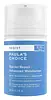
This barrier-repair moisturizer is formulated around Squalane and Ceramide NP to strengthen the skin barrier and hydrate skin.
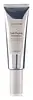
This anti-aging moisturizer is formulated around Palmitoyl Tripeptide-5 and Palmitoyl Tripeptide-1 to soften the look of wrinkles.

What's inside
What's inside
 Key Ingredients
Benefits
Concerns
Ingredients Side-by-side
Water
Skin ConditioningDicaprylyl Carbonate
EmollientEthylhexyl Stearate
Emollient




Glycerin
Humectant


Cocoglycerides
Emollient
Squalane
Emollient
Sodium Polyacrylate
Absorbent
Butyrospermum Parkii Butter
Skin Conditioning
Ceramide NP
Skin Conditioning


Ceramide AP
Skin Conditioning
Ceramide As
Skin Conditioning
Ceramide Ns
Skin Conditioning
Ceramide EOP
Skin Conditioning
Sodium Hyaluronate
Humectant
Adenosine
Skin Conditioning
Palmitoyl Tripeptide-5
Skin Conditioning

Citrullus Lanatus Seed Oil
Emollient
Glyceryl Stearate
Emollient
Caprylyl Glycol
Emollient
Hydroxyacetophenone
Antioxidant
Sodium Stearoyl Glutamate
CleansingHexylene Glycol
EmulsifyingTocopherol
Antioxidant


2,3-Butanediol
HumectantXanthan Gum
EmulsifyingEthylhexylglycerin
Skin ConditioningSodium Phytate
Sodium PCA
Humectant
Urea
Buffering
Hydrogenated Lecithin
Emulsifying
Trehalose
Humectant
Polyquaternium-51
Skin Conditioning
Triacetin
AntimicrobialCholesterol
Emollient
Phenoxyethanol
Preservative
Water, Dicaprylyl Carbonate, Ethylhexyl Stearate, Glycerin, Cocoglycerides, Squalane, Sodium Polyacrylate, Butyrospermum Parkii Butter, Ceramide NP, Ceramide AP, Ceramide As, Ceramide Ns, Ceramide EOP, Sodium Hyaluronate, Adenosine, Palmitoyl Tripeptide-5, Citrullus Lanatus Seed Oil, Glyceryl Stearate, Caprylyl Glycol, Hydroxyacetophenone, Sodium Stearoyl Glutamate, Hexylene Glycol, Tocopherol, 2,3-Butanediol, Xanthan Gum, Ethylhexylglycerin, Sodium Phytate, Sodium PCA, Urea, Hydrogenated Lecithin, Trehalose, Polyquaternium-51, Triacetin, Cholesterol, Phenoxyethanol
Water
Skin ConditioningGlycerin
Humectant
Dimethicone
Emollient
Simmondsia Chinensis Seed Oil
Emollient
Squalane
Emollient
Glyceryl Stearate
Emollient
Cetyl Alcohol
Emollient
Niacinamide
Smoothing



Stearyl Alcohol
Emollient
Palmitoyl Tripeptide-5
Skin Conditioning
Pantolactone
Humectant
Palmitoyl Tripeptide-1
Skin Conditioning
Palmitoyl Tetrapeptide-7
Skin Conditioning
Hydrolyzed Plukenetia Volubilis Seed Extract
Emulsion StabilisingDunaliella Salina Extract
Skin ConditioningSodium Hyaluronate
Humectant
3-O-Ethyl Ascorbic Acid
Skin Conditioning
Panthenol
Skin Conditioning
Caryodendron Orinocense Seed Oil
Emollient
Honokiol
Antioxidant
Magnolol
Antioxidant
Palmitic Acid
Emollient
Sorbitan Oleate
Emulsifying
Aluminum Starch Octenylsuccinate
Absorbent
Hydroxyacetophenone
Antioxidant
Stearic Acid
Cleansing
Acrylamide/Sodium Acryloyldimethyltaurate Copolymer
Emulsion StabilisingPolyglyceryl-6 Laurate
Emulsifying
1,2-Hexanediol
Skin Conditioning
Boron Nitride
Absorbent
Caprylyl Glycol
Emollient
Polyglyceryl-10 Oleate
Skin Conditioning
Isohexadecane
EmollientButylene Glycol
Humectant
Chlorphenesin
Antimicrobial
Acrylates/C10-30 Alkyl Acrylate Crosspolymer
Emulsion StabilisingTocopheryl Acetate
Antioxidant
Polysorbate 80
Emulsifying
Sorbitan Palmitate
Emulsifying
Sodium Hydroxide
BufferingSodium Benzoate
Masking
Carbomer
Emulsion StabilisingSodium Lactate
Buffering
Phenoxyethanol
Preservative
Polysorbate 20
Emulsifying
Citric Acid
Buffering
Ethylhexylglycerin
Skin ConditioningPotassium Sorbate
Preservative
Water, Glycerin, Dimethicone, Simmondsia Chinensis Seed Oil, Squalane, Glyceryl Stearate, Cetyl Alcohol, Niacinamide, Stearyl Alcohol, Palmitoyl Tripeptide-5, Pantolactone, Palmitoyl Tripeptide-1, Palmitoyl Tetrapeptide-7, Hydrolyzed Plukenetia Volubilis Seed Extract, Dunaliella Salina Extract, Sodium Hyaluronate, 3-O-Ethyl Ascorbic Acid, Panthenol, Caryodendron Orinocense Seed Oil, Honokiol, Magnolol, Palmitic Acid, Sorbitan Oleate, Aluminum Starch Octenylsuccinate, Hydroxyacetophenone, Stearic Acid, Acrylamide/Sodium Acryloyldimethyltaurate Copolymer, Polyglyceryl-6 Laurate, 1,2-Hexanediol, Boron Nitride, Caprylyl Glycol, Polyglyceryl-10 Oleate, Isohexadecane, Butylene Glycol, Chlorphenesin, Acrylates/C10-30 Alkyl Acrylate Crosspolymer, Tocopheryl Acetate, Polysorbate 80, Sorbitan Palmitate, Sodium Hydroxide, Sodium Benzoate, Carbomer, Sodium Lactate, Phenoxyethanol, Polysorbate 20, Citric Acid, Ethylhexylglycerin, Potassium Sorbate
Reviews
Ingredients Explained
These ingredients are found in both products.
Ingredients higher up in an ingredient list are typically present in a larger amount.
Caprylyl Glycol is a humectant, skin conditioner, emollient, and preservative booster derived from either caprylic acid or synthetically created.
Typical use levels vary from 0.3-1% as a preservative booster and go up to 2% to condition skin.
Because it is not a free-fatty acid, this ingredient is fungal acne safe (there's nothing for Malassezia to feed on).
Learn more about Caprylyl GlycolEthylhexylglycerin is created from glycerin. It is a multitasker ingredient that:
The CIR Expert Panel found minimal skin absorption or sensitization of any kind in a safety assessment. Though this ingredient is considered well-tolerated, a small number of cases of allergic dermatitis have been published since 2002. Just be sure to patch test if you are unsure.
Industry-reported use ranges from 8% in rinse-off products and 2% in leave-on formulations.
Learn more about EthylhexylglycerinGlycerin (or glycerol) is a compound naturally found in your skin. It's a powerhouse humectant that pulls water into the stratum corneum.
Topically, glycerin does several things at once:
Your skin makes glycerin on its own (mostly from sebaceous oil breakdown) and shuttles it to your outermost layer of skin, or your epidermis, via aquaporin-3.
Aquaporin-3 is a transporter that is essential for normal skin hydration, elasticity, and repair. Interestingly, mice lacking in AQP3 have dry and less elastic skin that can be fully corrected with glycerin.
This ingredient is non-irritating, plays well with almost every ingredient, and works across all skin types. Typical use is anywhere between 3-10% but can go up to 79% in some leave-on products.
Just know very high concentrations (>40%) can feel tacky in low humidity.
Glycerin is the name for this ingredient in American English. British English uses Glycerol/Glycerine.
Learn more about GlycerinGlyceryl Stearate is made by reacting glycerin with stearic acid (typically sourced from plant oils like palm or coconut). It's an emulsifier, emollient, and mild occlusive.
Emulsifiers help ingredients like oil and water stay mixed so your formula stays nicely blended and uniform in texture.
This ingredient is typically used in concentrations between 1-10%. Studies have found it to be non-sensitizing, non-phototoxic, and non-photoallergenic.
A close cousin of this ingredient is Glyceryl Stearate SE ("self-emulsifying"). This just has a small amount of sodium or potassium stearate added so it can emulsify without a co-emulsifier.
Since this ingredient is an ester of a C18 fatty acid, it may not be fungal acne safe. The Malassezia yeast can potentially metabolize within the C11-C24 range.
Fun fact: The human body also creates Glyceryl Stearate naturally.
Learn more about Glyceryl StearateHydroxyacetophenone is a small phenolic molecule that earns its place in a formulas as an antioxidant and preservative booster.
As a phenol, it is able to neutralize free radicals to protect both the product and the skin from oxidative stress.
Though it can't kill microbes on its own, it works as a good supporting agent when combined with other preservatives like Phenoxyethanol or 1,2-Hexanediol.
This ingredient naturally occurs as piceol in Norwegian spruce needles (~0.4-1.1% dry weight and in cloudberries). Though the cosmetic-grade material is synthesized for purity and consistency.
You'll usually see it used at low levels and suppliers recommend up to 1% added to a water phase.
Safety testing was done at concentrations like 0.05% in SPF products and 0.5% in a Human Repeated Insult Patch Test. The safety evidence is assuring; this ingredient is safe for cosmetics in current use and also holds safety status as a food flavoring as well.
An honest caveat: the "soothing" and "anti-inflammatory" claims come mostly from supplier marketing rather than published clinical trials. The Cosmetic Ingredient Review's own literature search found no useful efficacy studies on this ingredient.
So the antioxidant and preservative-boosting roles are the well supported ones while the calming benefit is plausible but thinly evidenced.
Overall, this is a well-tolerated, low-irritation multitasker that quietly helps a formula stay fresh and stable.
Learn more about HydroxyacetophenonePalmitoyl Tripeptide-5 is a synthetic signal lipopeptide. This just means it is a three amino acid chain bolted onto a palmitic acid tail so it can slip through the skin's lipid barrier.
This peptide has a "build more, lose less" approach.
It's designed to mimic the collagen-stimulating activity in your skin by copying a snippet of one of your skin's own matrix proteins. This nudges fibroblasts into making more collagen while inhibiting the enzyme that breaks down skin protein.
The manufacturer's in vivo study of 45 volunteers found 1% and 2.5% reduced the appearance of wrinkles by 7% and 12% respectively, after using it twice daily for 84 days.
This is in the expected range for peptides; they're slow and cumulative actives and not overnight fixers.
Typical use levels range from 1-3% and this ingredient gets along with pretty much everything.
On the fungal acne front:
Although palmitic acid sits in the chain length that Malassezia can feed on, this ingredient has it locked in an amine bond. This makes it hard for Malassezia to access as a source of food, and therefore fungal acne safe.
Phenoxyethanol is one of the most widely used preservatives in skincare (and for good reason!).
It has a large spectrum of antimicrobial activity and especially effective bacteria, yeast, and mold while only having a weak effect on your skin's natural microbiome.
On a cellular level, it disrupts the cell membranes of microbes by poking holes that make the cell leak. This shuts down the chemical reactions the microbe needs to make energy so it can no longer survive.
Another perk of this ingredient is that it stays functional across a wide pH range (3-10).
You'll often see it paired with boosters like Ethylhexylglycerin; one study showed that a 1:9 ratio of Ethylhexylglycerin to Phenoxyethanol damages bacterial membranes as effectively as doubling the Phenoxyethanol concentration on its own.
Typical use concentrations range from 0.3-1% depending on the formula, and this ingredient is capped at 1% int the EU.
Safety-wise, the fear mongering does not hold up to the evidence. The EU's Scientific Committee on Consumer Safety and FDA consider it safe as a preservative at up to 1%, including for children of all ages.
Adverse systemic effects only showed up in animal studies at exposures roughly 200x higher than what people get from cosmetics. And despite its very widespread use, this ingredient is a rare sensitizer and allergic reactions are uncommon.
Learn more about PhenoxyethanolSodium Hyaluronate is the salt form of hyaluronic acid. It is a long sugar chain that is naturally found in your skin, joints, and connective tissue that maintains hydration and elasticity.
In skincare, it works as a humectant. It pulls water from the environment and deeper layers of skin and binds it to the surface.
Interestingly, the size of the molecule affects its behavior:
Some clinical evidence links low molecular weight versions to improved wrinkle depth, elasticity, anti-inflammatory effects, and barrier repair.
Many serums use a blend of both weights so you can get surface hydration plus longer-lasting and deeper effects.
You'll typically see concentrations between 0.1-2% for this ingredient.
Learn more about Sodium HyaluronateSqualane is the hydrogenated and shelf-stable form of squalene (a lipid that naturally occurs in human sebum).
It is an emollient and skin conditioning agent that is able to integrate seamlessly into the skin's lipid barrier without clogging pores.
This is due to how structurally similar it is to what your skin already produces.
Though it is mostly an emollient that helps soften and hydrate skin, it also has some humectant and occlusive action. Humectants help the skin retain moisture while occlusives seal it in, making squalane a triple-threat moisturizer.
Research shows it has antioxidant capabilities that help protect against stressors like UV exposure, specifically UVA induced oxidative stress. This study also found that it supports collagen biosynthesis in human dermal fibroblasts.
No clinical study has reported significant adverse effects and irritation reactions are very rare from this ingredient (even at 100% concentration).
Overall, it's a fantastic ingredient for hydration and is suitable for all skin types.
This depends on the source. Squalane can be derived from both plants and animals. Most squalane used in skincare comes from plants.
Please note: the source of squalane is only known if disclosed by the brand. We recommend reaching out to the brand if you have any questions about their squalane.
Read more about squalene with an "e".
Though squalane is often called an oil, it’s technically not one. It is a hydrocarbon, meaning it is only made of carbon and hydrogen. True oils are triglycerides and made of fatty acids and glycerol.
The term “oil-free” isn’t regulated so companies can define it however they want. Some exclude all oils, while others just avoid mineral oil or comedogenic oils.
Squalane has a comedogenic rating of 1 from the original 1972 study that tested raw ingredients under occlusion on rabbit ears. This system is not standardized or peer-reviewed, and using the raw ingredients is very different from how diluted cosmetic formulations are used on human skin.
A comedogenic rating of 1 means it is "unlikely to clog pores" according to the original rating system.
The overall formula of a product matters more than the individual ingredients on whether or not it will cause clogged pores.
Learn more about SqualaneWater. It's the most common cosmetic ingredient of all. You'll usually see it at the top of ingredient lists, meaning that it makes up the largest part of the product.
So why is it so popular? Water most often acts as a solvent - this means that it helps dissolve other ingredients into the formulation.
You'll also recognize water as that liquid we all need to stay alive. If you see this, drink a glass of water. Remember to stay hydrated!
Learn more about Water

