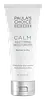
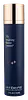
Paula's Choice Calm Redness Relief Moisturizer for Normal to Dry Skin Versus SkinBetter Science Trio Rebalancing Moisture Treatment
This calming moisturizer is formulated around Simmondsia Chinensis Seed Oil and Ceramide NP to calm redness and hydrate skin.
This barrier-repair moisturizer is formulated around Cholesterol and Squalane to strengthen the skin barrier and hydrate skin.

What's inside
What's inside
 Key Ingredients
Benefits
Concerns
Ingredients Side-by-side
Water
Skin ConditioningEthylhexyl Stearate
Emollient




Simmondsia Chinensis Seed Oil
Emollient



Butylene Glycol
Humectant
Glycerin
Humectant
Petrolatum
Emollient
Cetearyl Alcohol
Emollient

Dipentaerythrityl Hexacaprylate/Hexacaprate
EmulsifyingTridecyl Trimellitate
EmollientPhenyl Trimethicone
Skin Conditioning
Sodium Hyaluronate
Humectant


Ceramide NP
Skin Conditioning

Cholesterol
Emollient
Tocopherol
Antioxidant



Squalane
Emollient
Magnesium Ascorbyl Phosphate
Antioxidant


Dimethicone
Emollient
Polysorbate 60
Emulsifying
Hydrolyzed Jojoba Protein
Skin ConditioningHydrolyzed Wheat Protein
Skin ConditioningAvena Sativa Kernel Extract
Abrasive
Hydrogenated Lecithin
Emulsifying
Whey Protein
Skin ConditioningTridecyl Stearate
Emollient
Neopentyl Glycol Dicaprylate/Dicaprate
EmollientMyristyl Myristate
Emollient
Linoleic Acid
Cleansing
Linolenic Acid
Cleansing

Decarboxy Carnosine Hcl
Skin ConditioningHydroxyethyl Acrylate/Sodium Acryloyldimethyl Taurate Copolymer
Emulsion StabilisingAcrylates/C10-30 Alkyl Acrylate Crosspolymer
Emulsion StabilisingCetearyl Glucoside
Emulsifying
Cetyl Alcohol
Emollient
Polyglyceryl-3 Beeswax
Emulsifying
Aminomethyl Propanol
BufferingDisodium EDTA
ChelatingPhenoxyethanol
Preservative
Benzoic Acid
Masking
Chlorphenesin
Antimicrobial
Sorbic Acid
Preservative
Water, Ethylhexyl Stearate, Simmondsia Chinensis Seed Oil, Butylene Glycol, Glycerin, Petrolatum, Cetearyl Alcohol, Dipentaerythrityl Hexacaprylate/Hexacaprate, Tridecyl Trimellitate, Phenyl Trimethicone, Sodium Hyaluronate, Ceramide NP, Cholesterol, Tocopherol, Squalane, Magnesium Ascorbyl Phosphate, Dimethicone, Polysorbate 60, Hydrolyzed Jojoba Protein, Hydrolyzed Wheat Protein, Avena Sativa Kernel Extract, Hydrogenated Lecithin, Whey Protein, Tridecyl Stearate, Neopentyl Glycol Dicaprylate/Dicaprate, Myristyl Myristate, Linoleic Acid, Linolenic Acid, Decarboxy Carnosine Hcl, Hydroxyethyl Acrylate/Sodium Acryloyldimethyl Taurate Copolymer, Acrylates/C10-30 Alkyl Acrylate Crosspolymer, Cetearyl Glucoside, Cetyl Alcohol, Polyglyceryl-3 Beeswax, Aminomethyl Propanol, Disodium EDTA, Phenoxyethanol, Benzoic Acid, Chlorphenesin, Sorbic Acid
Water
Skin ConditioningCaprylic/Capric Triglyceride
Masking
Glyceryl Stearate
Emollient
Cholesterol
Emollient
Glycerin
Humectant
Hydroxyethyl Urea
Humectant
Butylene Glycol
Humectant
Sodium Lactate
Buffering
Polyglyceryl-6 Palmitate/Succinate
Emulsifying
Sodium PCA
Humectant
Squalane
Emollient
Isocetyl Stearoyl Stearate
Emollient
Ethyl Macadamiate
Skin Conditioning
N-Capryloyl Lysine
EmollientJojoba Esters
Emollient
Carnitine
Cleansing
Dimethicone
Emollient
Sodium Hyaluronate
Humectant
Urea
Buffering
Aminopropyl Ascorbyl Phosphate
Antioxidant
Salicornia Herbacea Extract
Skin ConditioningCeramide EOP
Skin Conditioning
Ceramide NP
Skin Conditioning
Linoleic Acid
Cleansing
Linolenic Acid
Cleansing
Carnosine
Skin Conditioning
Caffeine
Skin Conditioning
Salicylic Acid
Masking


Tocopherol
Antioxidant
Pullulan
Caprylyl Methicone
Skin Conditioning
Sclerotium Gum
Emulsion StabilisingXanthan Gum
EmulsifyingCetearyl Alcohol
Emollient
Ethylhexylglycerin
Skin ConditioningTriethyl Citrate
Masking
Silica
Abrasive
Lecithin
Emollient
Phytic Acid
Chelating
Pentaerythrityl Tetra-Di-T-Butyl Hydroxyhydrocinnamate
Antioxidant
Triacetin
AntimicrobialSodium Hydroxide
BufferingPhenoxyethanol
Preservative
Lactic Acid
Buffering
Water, Caprylic/Capric Triglyceride, Glyceryl Stearate, Cholesterol, Glycerin, Hydroxyethyl Urea, Butylene Glycol, Sodium Lactate, Polyglyceryl-6 Palmitate/Succinate, Sodium PCA, Squalane, Isocetyl Stearoyl Stearate, Ethyl Macadamiate, N-Capryloyl Lysine, Jojoba Esters, Carnitine, Dimethicone, Sodium Hyaluronate, Urea, Aminopropyl Ascorbyl Phosphate, Salicornia Herbacea Extract, Ceramide EOP, Ceramide NP, Linoleic Acid, Linolenic Acid, Carnosine, Caffeine, Salicylic Acid, Tocopherol, Pullulan, Caprylyl Methicone, Sclerotium Gum, Xanthan Gum, Cetearyl Alcohol, Ethylhexylglycerin, Triethyl Citrate, Silica, Lecithin, Phytic Acid, Pentaerythrityl Tetra-Di-T-Butyl Hydroxyhydrocinnamate, Triacetin, Sodium Hydroxide, Phenoxyethanol, Lactic Acid
Reviews
Ingredients Explained
These ingredients are found in both products.
Ingredients higher up in an ingredient list are typically present in a larger amount.
Butylene Glycol (or BG) is used within cosmetic products for a few different reasons:
Overall, Butylene Glycol is a safe and well-rounded ingredient that works well with other ingredients.
Though this ingredient works well with most skin types, some people with sensitive skin may experience a reaction such as allergic rashes, closed comedones, or itchiness.
Learn more about Butylene GlycolCeramide NP (formerly known as Ceramide 3) is one of the skin's naturally occurring lipids.
Since ceramides are the major lipid components of the skin, they are crucial for maintaining skin barrier and hydration. Ceramide NP most closely mirrors the dominant kind in human skin amongst ceramide subtypes.
This ceramide works by slotting into gaps within the stratum corneum's lipid matrix to limit trans-epidermal water loss (TEWL) and shield the skin against external irritants.
A study with 312 patients found that using a ceramide-containing routine for 4 weeks reduced the severity of atopic dermatitis by over 61%.
Another clinical study in subjects aged 60 and older found that a ceramide body wash and moisturizer improved skin dryness and itchy skin in 15 days.
Overall, ceramides are considered non-irritating and safety tests have found little to no observable adverse effects from using this ingredient.
Ceramide NP is usually sourced from plants (like soybean or rice bran), or produced synthetically.
Learn more about Ceramide NPCetearyl alcohol is a waxy mixture of two fatty alcohols: cetyl alcohol and stearyl alcohol. It is an emollient and emulsifier.
Despite having "alcohol" in its name, it has nothing to do with drying solvent alcohols; the FDA also allows "alcohol-free" products to contain fatty alcohols like this ingredient.
It plays several roles in a formula:
Typical use levels for this ingredient sit around 1-10% and the Cosmetic Ingredient Review Expert Panel has affirmed safety at concentrations up to 25% in leave-on products.
Multiple assessments have found it to be non-irritating and non-sensitizing to most people.
However, there have been some cases of allergic contact dermatitis in patients with chronically compromised skin barriers.
Cetearyl alcohol has a comedogenic rating of 2 and irritancy rating of 1. Both of these numbers come from the 1989 study that used rabbit ears; a "2" means mildly comedogenic and a "1" means low irritancy.
Here's the catch: rabbit skin is more sensitive than human skin and throws a lot of false positives. A 1996 reappraisal found that ingredients rated 1-2 in the rabbit ear tests are generally safe for humans.
Remember comedogenic ratings are unable to assess the entire formula of a product or how it will react on your skin. Just be sure to patch test if you are unsure about certain ingredients.
This ingredient is not fungal acne safe. Cetearyl alcohol is a fatty alcohol with chain lengths that fall within the range that Malassezia can metabolize.
A 2019 study has also observed Malassezia growth in the presence of this ingredient, confirming it to be not-fungal acne safe.
Learn more about Cetearyl AlcoholCholesterol is a lipid that is naturally found in human skin and is one of the three key components of your skin barrier. In skincare, it is an emollient and barrier-repairing ingredient.
It works by fitting directly into the lipid layers of skin to help restore structure and reduce transepidermal water loss (TEWL).
This is a great ingredient for dry, compromised, or aging skin; our skin starts to produce less cholesterol with age.
Research shows cholesterol works best in combination with ceramides and fatty acids, the other two major components in your skin barrier.
Cholesterol is also a well-establish penetration enhancer and can help other actives absorb more effectively.
Cosmetic-grade cholesterol is usually derived from lanolin but plant and synthetic options also exist. We recommend reaching out to the brand if you have questions about their source of cholesterol.
Learn more about CholesterolDimethicone is a type of synthetic silicone created from natural materials such as quartz. It is also known as polydimethylsiloxane.
What it does:
Dimethicone comes in different viscosities:
Depending on the viscosity, dimethicone has different properties.
Ingredients lists don't always show which type is used, so we recommend reaching out to the brand if you have questions about the viscosity.
This ingredient is unlikely to cause irritation because it does not get absorbed into skin. However, people with silicone allergies should be careful about using this ingredient.
Note: Dimethicone may contribute to pilling. This is because it is not oil or water soluble, so pilling may occur when layered with products. When mixed with heavy oils in a formula, the outcome is also quite greasy.
Learn more about DimethiconeGlycerin (or glycerol) is a compound naturally found in your skin. It's a powerhouse humectant that pulls water into the stratum corneum.
Topically, glycerin does several things at once:
Your skin makes glycerin on its own (mostly from sebaceous oil breakdown) and shuttles it to your outermost layer of skin, or your epidermis, via aquaporin-3.
Aquaporin-3 is a transporter that is essential for normal skin hydration, elasticity, and repair. Interestingly, mice lacking in AQP3 have dry and less elastic skin that can be fully corrected with glycerin.
This ingredient is non-irritating, plays well with almost every ingredient, and works across all skin types. Typical use is anywhere between 3-10% but can go up to 79% in some leave-on products.
Just know very high concentrations (>40%) can feel tacky in low humidity.
Glycerin is the name for this ingredient in American English. British English uses Glycerol/Glycerine.
Learn more about GlycerinLinoleic Acid is also known as Vitamin F. It is a fatty acid with emollient and skin conditioning properties.
Our top layer of skin, or epidermis, naturally contains high amounts of linoleic acid.
Your body uses linoleic acid to build ceramides and prostaglandins. Ceramides keep your skin's barrier hydrated and strong while prosaglandins help control inflammation and healing.
Needless to say, linoleic acid is crucial for having a strong skin barrier.
One study found applying linoleic acid rich sunflower oil to be more effective at repairing the skin barrier than olive oil.
This ingredient can also help treat acne by softening sebum to prevent clogged pores. Another study found using 2.5% linoleic acid gel for 4 weeks showed a 25% reduction in small comedones.
Studies show it can also help lighten hyperpigmentation or sun spots by disrupting the melanin production process. It also helps your skin shed melanin pigment from your skin caused by UV exposure.
Due to its role in the production of the fatty acid prostaglandin, linoleic acid can also help reduce inflammation and support wound healing.
Fun fact: Linoleic acid is an essential fatty acid. This means our bodies cannot create it on its own and we need to get it through foods such as nuts and vegetable oils.
Just know this ingredient is not always fungal-acne safe because it is a long-chain fatty acid (with 18 carbon atoms) that directly feeds the Malassezia yeast responsible for fungal acne.
Learn more about Linoleic AcidLinolenic Acid is also known as "ALA" or alpha-linolenic acid. It is a key fatty acid.
Our skin uses this ingredient for maintaining a healthy skin barrier, regulating inflammation, and supporting keratinocyte function.
ALA is a great skin hydrator because it has the ability to restore lipids in our stratum corneum, or outermost layer of our skin; it also helps prevent transepidermal water loss.
This ingredient also helps soothe irritated skin by downregulating inflammation.
Chia seed oil is one of the highest natural sources of ALA. Research shows topical chia seed oil significantly improves skin hydration, reduces itch, and strengthens the barrier in both healthy and extremely dry skin.
Additionally, in-vivo and in-vitro studies show ALA exhibits antioxidant properties, reduces UV-induced inflammation, and supports wound healing.
Early research showed a fatty-acid deficiency in animals leads to abnormal skin barrier function. It is believed a deficiency in linolenic acid may be linked to skin disorders like eczema.
Fun fact: This ingredient is considered an essential fatty acid for humans. This means our bodies cannot naturally produce it and we must get it from food. Some foods rich in linolenic acid include walnuts, fish oils, soy, and canola.
Learn more about Linolenic AcidPhenoxyethanol is one of the most widely used preservatives in skincare (and for good reason!).
It has a large spectrum of antimicrobial activity and especially effective bacteria, yeast, and mold while only having a weak effect on your skin's natural microbiome.
On a cellular level, it disrupts the cell membranes of microbes by poking holes that make the cell leak. This shuts down the chemical reactions the microbe needs to make energy so it can no longer survive.
Another perk of this ingredient is that it stays functional across a wide pH range (3-10).
You'll often see it paired with boosters like Ethylhexylglycerin; one study showed that a 1:9 ratio of Ethylhexylglycerin to Phenoxyethanol damages bacterial membranes as effectively as doubling the Phenoxyethanol concentration on its own.
Typical use concentrations range from 0.3-1% depending on the formula, and this ingredient is capped at 1% int the EU.
Safety-wise, the fear mongering does not hold up to the evidence. The EU's Scientific Committee on Consumer Safety and FDA consider it safe as a preservative at up to 1%, including for children of all ages.
Adverse systemic effects only showed up in animal studies at exposures roughly 200x higher than what people get from cosmetics. And despite its very widespread use, this ingredient is a rare sensitizer and allergic reactions are uncommon.
Learn more about PhenoxyethanolSodium Hyaluronate is the salt form of hyaluronic acid. It is a long sugar chain that is naturally found in your skin, joints, and connective tissue that maintains hydration and elasticity.
In skincare, it works as a humectant. It pulls water from the environment and deeper layers of skin and binds it to the surface.
Interestingly, the size of the molecule affects its behavior:
Some clinical evidence links low molecular weight versions to improved wrinkle depth, elasticity, anti-inflammatory effects, and barrier repair.
Many serums use a blend of both weights so you can get surface hydration plus longer-lasting and deeper effects.
You'll typically see concentrations between 0.1-2% for this ingredient.
Learn more about Sodium HyaluronateSqualane is the hydrogenated and shelf-stable form of squalene (a lipid that naturally occurs in human sebum).
It is an emollient and skin conditioning agent that is able to integrate seamlessly into the skin's lipid barrier without clogging pores.
This is due to how structurally similar it is to what your skin already produces.
Though it is mostly an emollient that helps soften and hydrate skin, it also has some humectant and occlusive action. Humectants help the skin retain moisture while occlusives seal it in, making squalane a triple-threat moisturizer.
Research shows it has antioxidant capabilities that help protect against stressors like UV exposure, specifically UVA induced oxidative stress. This study also found that it supports collagen biosynthesis in human dermal fibroblasts.
No clinical study has reported significant adverse effects and irritation reactions are very rare from this ingredient (even at 100% concentration).
Overall, it's a fantastic ingredient for hydration and is suitable for all skin types.
This depends on the source. Squalane can be derived from both plants and animals. Most squalane used in skincare comes from plants.
Please note: the source of squalane is only known if disclosed by the brand. We recommend reaching out to the brand if you have any questions about their squalane.
Read more about squalene with an "e".
Though squalane is often called an oil, it’s technically not one. It is a hydrocarbon, meaning it is only made of carbon and hydrogen. True oils are triglycerides and made of fatty acids and glycerol.
The term “oil-free” isn’t regulated so companies can define it however they want. Some exclude all oils, while others just avoid mineral oil or comedogenic oils.
Squalane has a comedogenic rating of 1 from the original 1972 study that tested raw ingredients under occlusion on rabbit ears. This system is not standardized or peer-reviewed, and using the raw ingredients is very different from how diluted cosmetic formulations are used on human skin.
A comedogenic rating of 1 means it is "unlikely to clog pores" according to the original rating system.
The overall formula of a product matters more than the individual ingredients on whether or not it will cause clogged pores.
Learn more about SqualaneTocopherol is a fat-soluble antioxidant known as Vitamin E.
You'll find this ingredient in the vast majority of skincare (for good reason). It works to neutralize free radicals, or unstable molecules generated by UV exposure, pollution, and other environmental stressors, before they can cause oxidative damage to your skin cells.
Topically applied tocopherol has been shown to protect against UV damage by ramping up the skin's own natural defense enzymes.
It also acts as a skin conditioning agent; some studies show that regular topical use can improve the skin's water-binding capacity over 2-4 weeks.
This ingredient is especially loved for being a team player. When combined with Vitamin C, the photoprotective effect of both ingredients roughly doubles and the combo also helps reduce UV-induced DNA damage.
This ingredient has some brightening potential but it's more of a prevention ingredient than spot-fader. Cell studies show it can slow down melanin production but it's worth noting that it's not the most powerful brightener out there.
In formulations, it also serves as a stabilizer that helps protect other oxidation-prone ingredients from degrading.
Concentrations usually range from 0.1-1% in most leave-on products.
Learn more about TocopherolWater. It's the most common cosmetic ingredient of all. You'll usually see it at the top of ingredient lists, meaning that it makes up the largest part of the product.
So why is it so popular? Water most often acts as a solvent - this means that it helps dissolve other ingredients into the formulation.
You'll also recognize water as that liquid we all need to stay alive. If you see this, drink a glass of water. Remember to stay hydrated!
Learn more about Water

