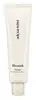
This brightening moisturizer is formulated around Galactomyces Ferment Filtrate and Panthenol to fade the look of dark spots and strengthen the skin barrier.
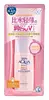
This hybrid sunscreen covers the full UV range and blocks ~98% of UVB at SPF 50.


What's inside
What's inside
 Key Ingredients
Benefits
Concerns
Ingredients Side-by-side
Galactomyces Ferment Filtrate
Humectant







Dipropylene Glycol
HumectantCaprylic/Capric Triglyceride
Masking
Glycerin
Humectant
Panthenol
Skin Conditioning
Hydrogenated Polydecene
EmollientHydrogenated Polyisobutene
Emollient1,2-Hexanediol
Skin Conditioning
Butylene Glycol
Humectant
Niacinamide
Smoothing





Cyclopentasiloxane
Emollient
Cyclohexasiloxane
Emollient
C12-16 Alcohols
EmollientDimethicone
Emollient
Hydrogenated Lecithin
Emulsifying
Dimethicone/Vinyl Dimethicone Crosspolymer
Skin Conditioning
Palmitic Acid
Emollient


Acrylates/C10-30 Alkyl Acrylate Crosspolymer
Emulsion StabilisingWater
Skin ConditioningTromethamine
BufferingGlyceryl Stearate
Emollient
Cetearyl Olivate
C14-22 Alcohols
Emulsion Stabilising
Stearic Acid
Cleansing
Sorbitan Olivate
Emulsifying
Dimethiconol
Emollient
C12-20 Alkyl Glucoside
EmulsifyingAdenosine
Skin Conditioning
C12-14 Sec-Pareth-7
EmulsifyingDisodium EDTA
ChelatingMyristic Acid
Cleansing
Ethylhexylglycerin
Skin ConditioningXanthan Gum
EmulsifyingGlucose
Humectant
Camellia Japonica Seed Oil
Emollient
Ceramide NP
Skin Conditioning
Propylene Glycol
Humectant
Saccharomyces/Xylinum/Black Tea Ferment
Skin Conditioning
Linoleic Acid
Cleansing
Lactobacillus/Soybean Ferment Extract
Skin ConditioningLactobacillus/Acerola Cherry Ferment
Skin ProtectingLactobacillus/Punica Granatum Fruit Ferment Extract
Antioxidant
Lactobacillus/Wasabia Japonica Root Ferment Extract
Antioxidant
Lactobacillus/Hibiscus Sabdariffa Flower Ferment Filtrate
Skin ConditioningSh-Oligopeptide-1
Skin Conditioning
Galactomyces Ferment Filtrate, Dipropylene Glycol, Caprylic/Capric Triglyceride, Glycerin, Panthenol, Hydrogenated Polydecene, Hydrogenated Polyisobutene, 1,2-Hexanediol, Butylene Glycol, Niacinamide, Cyclopentasiloxane, Cyclohexasiloxane, C12-16 Alcohols, Dimethicone, Hydrogenated Lecithin, Dimethicone/Vinyl Dimethicone Crosspolymer, Palmitic Acid, Acrylates/C10-30 Alkyl Acrylate Crosspolymer, Water, Tromethamine, Glyceryl Stearate, Cetearyl Olivate, C14-22 Alcohols, Stearic Acid, Sorbitan Olivate, Dimethiconol, C12-20 Alkyl Glucoside, Adenosine, C12-14 Sec-Pareth-7, Disodium EDTA, Myristic Acid, Ethylhexylglycerin, Xanthan Gum, Glucose, Camellia Japonica Seed Oil, Ceramide NP, Propylene Glycol, Saccharomyces/Xylinum/Black Tea Ferment, Linoleic Acid, Lactobacillus/Soybean Ferment Extract, Lactobacillus/Acerola Cherry Ferment, Lactobacillus/Punica Granatum Fruit Ferment Extract, Lactobacillus/Wasabia Japonica Root Ferment Extract, Lactobacillus/Hibiscus Sabdariffa Flower Ferment Filtrate, Sh-Oligopeptide-1
Water
Skin ConditioningEthylhexyl Methoxycinnamate
UV Absorber


Cyclopentasiloxane
Emollient
Talc
Abrasive
Isododecane
EmollientAlcohol
Antimicrobial

Zinc Oxide
Cosmetic Colorant
Titanium Dioxide
Cosmetic Colorant
Ethylhexyl Salicylate
UV Absorber
Isononyl Isononanoate
EmollientGlycerin
Humectant
Lauryl PEG-10 Tris(Trimethylsiloxy)Silylethyl Dimethicone
Emulsifying
Polymethyl Methacrylate
Diethylamino Hydroxybenzoyl Hexyl Benzoate
UV Filter
Trimethylsiloxysilicate
Emollient
Bis-Ethylhexyloxyphenol Methoxyphenyl Triazine
UV Absorber
CI 77163
Cosmetic Colorant
Ethylhexyl Hydroxystearate
Emollient
Triethoxycaprylylsilane
Stearic Acid
Cleansing
Aluminum Hydroxide
EmollientDiisostearyl Malate
EmollientCI 77492
Cosmetic ColorantDimethicone
Emollient
Tocopheryl Acetate
Antioxidant
Polymethylsilsesquioxane
Methylparaben
Preservative

Disodium EDTA
ChelatingAcrylates Crosspolymer
AbsorbentParfum
Masking

CI 77891
Cosmetic ColorantPEG/PPG-18/18 Dimethicone
Emulsifying
CI 77491
Cosmetic ColorantSodium Hyaluronate
Humectant
Caprylic/Capric Triglyceride
Masking
CI 15850
Cosmetic ColorantPPG-3 Benzyl Ether Myristate
EmollientJuglans Regia Seed Extract
Skin ConditioningMagnesium Ascorbyl Phosphate
Antioxidant
Ectoin
Skin Conditioning
Laminaria Ochroleuca Extract
Skin Conditioning
Phenoxyethanol
Preservative
Sodium Metabisulfite
Antioxidant
Water, Ethylhexyl Methoxycinnamate, Cyclopentasiloxane, Talc, Isododecane, Alcohol, Zinc Oxide, Titanium Dioxide, Ethylhexyl Salicylate, Isononyl Isononanoate, Glycerin, Lauryl PEG-10 Tris(Trimethylsiloxy)Silylethyl Dimethicone, Polymethyl Methacrylate, Diethylamino Hydroxybenzoyl Hexyl Benzoate, Trimethylsiloxysilicate, Bis-Ethylhexyloxyphenol Methoxyphenyl Triazine, CI 77163, Ethylhexyl Hydroxystearate, Triethoxycaprylylsilane, Stearic Acid, Aluminum Hydroxide, Diisostearyl Malate, CI 77492, Dimethicone, Tocopheryl Acetate, Polymethylsilsesquioxane, Methylparaben, Disodium EDTA, Acrylates Crosspolymer, Parfum, CI 77891, PEG/PPG-18/18 Dimethicone, CI 77491, Sodium Hyaluronate, Caprylic/Capric Triglyceride, CI 15850, PPG-3 Benzyl Ether Myristate, Juglans Regia Seed Extract, Magnesium Ascorbyl Phosphate, Ectoin, Laminaria Ochroleuca Extract, Phenoxyethanol, Sodium Metabisulfite
Reviews
Ingredients Explained
These ingredients are found in both products.
Ingredients higher up in an ingredient list are typically present in a larger amount.
Caprylic/Capric Triglyceride (aka MCT Oil) is a lightweight emollient, solvent, and texture enhancer. It is considered a skin-softener by helping to prevent moisture loss.
Though it behaves like an oil, it is not technically one due to its chemical composition. One perk of this ingredient is that it is very stable, resistant to oxidation, and unlikely to go rancid.
In practice, that translates to a long shelf life and a consistently elegant skin feel.
While there is an assumption Caprylic Triglyceride can clog pores due to it being derived from coconut oil, there is no research supporting this. Just patch test if you have concerns.
Fractionated coconut oil and MCT Oil are both listed as Caprylic/Capric Triglyceride according to INCI. This is because INCI names are based on the ingredient’s final chemical composition and not its marketing name or source.
This ingredient is treated as the gold standard fungal acne safe oil. Even though it is coconut derived, the problematic lauric acid is stripped out.
This leaves just caprylic (C8) and capric (C10) acid. These chain lengths actually trend antifungal; a 2020 study found caprylic acid was enough to disrupt Malassezia furfur cell membrane, with a caprylic acid derivative damaging membrane structures at concentrations as low as 0.2%.
Learn more about Caprylic/Capric TriglycerideCyclopentasiloxane (D5) is a lightweight silicone that mostly acts as an emollient and solvent in cosmetics. Its the reason your products feel silky, fast-spreading, and non-greasy.
Since D5 is volatile, it does its thing and then evaporates off the skin quickly.
The safety profile of this ingredient is reassuring; the US CIR Expert Panel concluded D5 is safe as used in cosmetics and Health Canada concluded that D5 is not harmful to human health or the environment as currently used in cosmetics
There's a study that people mention about D5 in a rat study showing tumors. This study is related to long-term inhalation of high D5 levels.
Regulatory bodies have judged this study to be not applicable in topical skincare since skin absorption of D5 is very low and we're not really inhaling huge amounts of D5.
The only restriction for this ingredient is environmental. The European Chemicals Agency (ECHA) restricted D5 in wash-off cosmetics at or above 0.1% due to their persistence in water.
Learn more about CyclopentasiloxaneDimethicone is a type of synthetic silicone created from natural materials such as quartz. It is also known as polydimethylsiloxane.
What it does:
Dimethicone comes in different viscosities:
Depending on the viscosity, dimethicone has different properties.
Ingredients lists don't always show which type is used, so we recommend reaching out to the brand if you have questions about the viscosity.
This ingredient is unlikely to cause irritation because it does not get absorbed into skin. However, people with silicone allergies should be careful about using this ingredient.
Note: Dimethicone may contribute to pilling. This is because it is not oil or water soluble, so pilling may occur when layered with products. When mixed with heavy oils in a formula, the outcome is also quite greasy.
Learn more about DimethiconeDisodium EDTA is a chelating agent. It grabs onto and deactivates metal ions that sneak into your products from water, packaging, or air.
This ingredient mainly works behind the scenes and helps with:
On top of that, this ingredient can counteract the effects of hard water by binding to the minerals in it.
One thing worth knowing is that Disodium EDTA has been shown to be a mild penetration enhancer. It can help other ingredients absorb into skin more effectively which can be a double-edged sword (great for actives, but can also make the active too strong if you have sensitive skin).
Clinical patch testing showed no significant skin irritation at typical use concentrations and minimal dermal absorption.
You'll most likely see this ingredient near the end of an ingredient list. It's typically found in concentrations less than 1%.
Learn more about Disodium EDTAGlycerin (or glycerol) is a compound naturally found in your skin. It's a powerhouse humectant that pulls water into the stratum corneum.
Topically, glycerin does several things at once:
Your skin makes glycerin on its own (mostly from sebaceous oil breakdown) and shuttles it to your outermost layer of skin, or your epidermis, via aquaporin-3.
Aquaporin-3 is a transporter that is essential for normal skin hydration, elasticity, and repair. Interestingly, mice lacking in AQP3 have dry and less elastic skin that can be fully corrected with glycerin.
This ingredient is non-irritating, plays well with almost every ingredient, and works across all skin types. Typical use is anywhere between 3-10% but can go up to 79% in some leave-on products.
Just know very high concentrations (>40%) can feel tacky in low humidity.
Glycerin is the name for this ingredient in American English. British English uses Glycerol/Glycerine.
Learn more about GlycerinStearic Acid is a fatty acid that is already found in your skin. It's one of the free fatty acids that works alongside ceramides and cholesterols to maintain your barrier.
In cosmetics, it is a multitasker:
Safety-wise, the CIR Expert Panel has concluded it to be safe in cosmetics when formulated to be non-irritating and non-sensitizing.
Free stearic acid is a C18 fatty acid that the Malassezia yeast can substrate, so this ingredient may not be fungal acne safe.
This ingredient does have a comedogenic rating of 2-3, but this doesn't mean a formula with this ingredient will clog pores.
Human testing has proved that any finished product with this ingredient won't automatically make you break out; it really comes down to concentration, formula, and your skin.
Learn more about Stearic AcidWater. It's the most common cosmetic ingredient of all. You'll usually see it at the top of ingredient lists, meaning that it makes up the largest part of the product.
So why is it so popular? Water most often acts as a solvent - this means that it helps dissolve other ingredients into the formulation.
You'll also recognize water as that liquid we all need to stay alive. If you see this, drink a glass of water. Remember to stay hydrated!
Learn more about Water

