

What's inside
What's inside
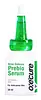 Key Ingredients
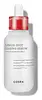
Benefits
Concerns
Ingredients Side-by-side
Water
Skin ConditioningPolysorbate 20
Emulsifying
Propanediol
Solvent

Sclerotium Gum
Emulsion StabilisingCeramide AP
Skin Conditioning



1,2-Hexanediol
Skin Conditioning
Caprylhydroxamic Acid
Croton Lechleri Resin Extract
Skin ConditioningAloe Barbadensis Leaf Juice
Skin Conditioning
Mannitol
Humectant
Cellulose
Absorbent
Hydroxypropyl Methylcellulose
Emulsion StabilisingInulin
Skin Conditioning
Yeast Beta-Glucan
Skin ConditioningUndaria Pinnatifida Extract
Skin ConditioningSodium Hyaluronate
Humectant
PEG-40 Hydrogenated Castor Oil
Emulsifying
Melaleuca Alternifolia Leaf Oil
Antioxidant




Butylene Glycol
Humectant
Dipotassium Glycyrrhizate
Humectant
Lactobacillus/Rye Flour Ferment
Skin ConditioningSaccharide Isomerate
Humectant
Xanthan Gum
EmulsifyingGlucose
Humectant
Chondrus Crispus Extract
Skin Conditioning
Hydroxypropyltrimonium Hyaluronate
Hydrolyzed Hyaluronic Acid
Humectant
Sodium Acetylated Hyaluronate
Humectant
Hyaluronic Acid
Humectant
Sodium Hyaluronate Crosspolymer
Humectant
Hydrolyzed Sodium Hyaluronate
Skin Conditioning
Potassium Hyaluronate
Skin ConditioningCaprylyl Glycol
Emollient
Houttuynia Cordata Extract
Skin Conditioning
Glycyrrhiza Glabra Root Extract
Bleaching

Scutellaria Baicalensis Root Extract
Astringent
Pistacia Lentiscus Gum
MaskingLecithin
Emollient
Glycerin
Humectant
Alcohol
Antimicrobial



Morus Alba Root Extract
BleachingArtemisia Capillaris Flower Extract
Skin ConditioningZizyphus Jujuba Fruit Extract
Taraktogenos Kurzii Seed Oil
Skin Conditioning
Nigella Sativa Seed Oil
Emollient
Leptospermum Scoparium Branch/Leaf Oil
Tonic
Potassium Lauroyl Wheat Amino Acids
CleansingPalm Glycerides
Emollient
Capryloyl Glycine
CleansingMagnolia Grandiflora Bark Extract
Antimicrobial
Centella Asiatica Extract
Cleansing
Polygonum Cuspidatum Root Extract
Antioxidant
Camellia Sinensis Leaf Extract
Antimicrobial
Chamomilla Recutita Flower Extract
Masking
Rosmarinus Officinalis Leaf Extract
AntimicrobialPhenoxyethanol
Preservative
Sodium Benzoate
Masking
Potassium Sorbate
Preservative
Citric Acid
Buffering
Sodium Citrate
BufferingWater, Polysorbate 20, Propanediol, Sclerotium Gum, Ceramide AP, 1,2-Hexanediol, Caprylhydroxamic Acid, Croton Lechleri Resin Extract, Aloe Barbadensis Leaf Juice, Mannitol, Cellulose, Hydroxypropyl Methylcellulose, Inulin, Yeast Beta-Glucan, Undaria Pinnatifida Extract, Sodium Hyaluronate, PEG-40 Hydrogenated Castor Oil, Melaleuca Alternifolia Leaf Oil, Butylene Glycol, Dipotassium Glycyrrhizate, Lactobacillus/Rye Flour Ferment, Saccharide Isomerate, Xanthan Gum, Glucose, Chondrus Crispus Extract, Hydroxypropyltrimonium Hyaluronate, Hydrolyzed Hyaluronic Acid, Sodium Acetylated Hyaluronate, Hyaluronic Acid, Sodium Hyaluronate Crosspolymer, Hydrolyzed Sodium Hyaluronate, Potassium Hyaluronate, Caprylyl Glycol, Houttuynia Cordata Extract, Glycyrrhiza Glabra Root Extract, Scutellaria Baicalensis Root Extract, Pistacia Lentiscus Gum, Lecithin, Glycerin, Alcohol, Morus Alba Root Extract, Artemisia Capillaris Flower Extract, Zizyphus Jujuba Fruit Extract, Taraktogenos Kurzii Seed Oil, Nigella Sativa Seed Oil, Leptospermum Scoparium Branch/Leaf Oil, Potassium Lauroyl Wheat Amino Acids, Palm Glycerides, Capryloyl Glycine, Magnolia Grandiflora Bark Extract, Centella Asiatica Extract, Polygonum Cuspidatum Root Extract, Camellia Sinensis Leaf Extract, Chamomilla Recutita Flower Extract, Rosmarinus Officinalis Leaf Extract, Phenoxyethanol, Sodium Benzoate, Potassium Sorbate, Citric Acid, Sodium Citrate
Propolis Extract
Skin Conditioning
Butylene Glycol
Humectant
Niacinamide
Smoothing
Panthenol
Skin Conditioning
1,2-Hexanediol
Skin Conditioning
Hydroxyethyl Acrylate/Sodium Acryloyldimethyl Taurate Copolymer
Emulsion StabilisingEctoin
Skin Conditioning
Ethylhexylglycerin
Skin ConditioningGlycerin
Humectant
Polyglyceryl-10 Laurate
Skin Conditioning
Polyglyceryl-10 Myristate
Skin Conditioning
Allantoin
Skin Conditioning
Sodium Hyaluronate
Humectant
Asiaticoside
Antioxidant
Asiatic Acid
Skin Conditioning
Madecassic Acid
Skin Conditioning
Helianthus Annuus Seed Oil
Emollient
Macadamia Ternifolia Seed Oil
Emollient
Melaleuca Alternifolia Leaf Oil
Antioxidant
Sucrose Distearate
Emollient
Glyceryl Stearate
Emollient
Hydrogenated Lecithin
Emulsifying
Dipropylene Glycol
HumectantCeramide NP
Skin Conditioning
Propolis Extract, Butylene Glycol, Niacinamide, Panthenol, 1,2-Hexanediol, Hydroxyethyl Acrylate/Sodium Acryloyldimethyl Taurate Copolymer, Ectoin, Ethylhexylglycerin, Glycerin, Polyglyceryl-10 Laurate, Polyglyceryl-10 Myristate, Allantoin, Sodium Hyaluronate, Asiaticoside, Asiatic Acid, Madecassic Acid, Helianthus Annuus Seed Oil, Macadamia Ternifolia Seed Oil, Melaleuca Alternifolia Leaf Oil, Sucrose Distearate, Glyceryl Stearate, Hydrogenated Lecithin, Dipropylene Glycol, Ceramide NP
Reviews
Ingredients Explained
These ingredients are found in both products.
Ingredients higher up in an ingredient list are typically present in a larger amount.
1,2-Hexanediol is a synthetic liquid and another multi-functional powerhouse.
It is a:
- Humectant, drawing moisture into the skin
- Emollient, helping to soften skin
- Solvent, dispersing and stabilizing formulas
- Preservative booster, enhancing the antimicrobial activity of other preservatives
Butylene Glycol (or BG) is used within cosmetic products for a few different reasons:
Overall, Butylene Glycol is a safe and well-rounded ingredient that works well with other ingredients.
Though this ingredient works well with most skin types, some people with sensitive skin may experience a reaction such as allergic rashes, closed comedones, or itchiness.
Learn more about Butylene GlycolGlycerin (or glycerol) is a compound naturally found in your skin. It's a powerhouse humectant that pulls water into the stratum corneum.
Topically, glycerin does several things at once:
Your skin makes glycerin on its own (mostly from sebaceous oil breakdown) and shuttles it to your outermost layer of skin, or your epidermis, via aquaporin-3.
Aquaporin-3 is a transporter that is essential for normal skin hydration, elasticity, and repair. Interestingly, mice lacking in AQP3 have dry and less elastic skin that can be fully corrected with glycerin.
This ingredient is non-irritating, plays well with almost every ingredient, and works across all skin types. Typical use is anywhere between 3-10% but can go up to 79% in some leave-on products.
Just know very high concentrations (>40%) can feel tacky in low humidity.
Glycerin is the name for this ingredient in American English. British English uses Glycerol/Glycerine.
Learn more about GlycerinThis ingredient is also known as tea tree oil. It has antioxidant, anti-inflammatory, and antimicrobial properties.
Tea tree oil is a complex lipophilic (fat-loving) oil that contains around 100 compounds with terpinen-4-ol being the most abundant (~40%).
Terpinen-4-ol is responsible for tea tree oil's broad-spectrum antimicrobial activity and makes it a well-researched option for acne.
Clinical studies support 5% tea tree oil as an effective topical treatment for mild to moderate acne. A study with 124 patients compared 5% tea tree oil gel to 5% benzoyl peroxide and both reduced acne (though tea tree oil worked more slowly).
Besides acne, it is also seen in anti-dandruff shampoos and scalp treatments for it's antimicrobial and anti-seborrheic properties.
Safety-wise, the allergic potential of low concentrations on healthy skin is considered low. However, oxidized (old or improperly stored) tea tree oil is a stronger sensitizer.
Irritation can also occur if using the undiluted oil on skin; it's best to use this ingredient as part of a carefully crafted cosmetic formula. This is because regulations require tea tree oil in cosmetics to be stabilized to prevent degradation.
This ingredient has been deemed safe up to 2% in shampoo, 1% in cleansers, and 0.1% in face cream by the EU's Scientific Committee on Consumer Safety (SCCS).
There is some lab evidence that tea tree oil is antifungal against Malassezia, but it is a supportive option at best and not a replacement for proven antifungal treatments.
Learn more about Melaleuca Alternifolia Leaf OilSodium Hyaluronate is the salt form of hyaluronic acid. It is a long sugar chain that is naturally found in your skin, joints, and connective tissue that maintains hydration and elasticity.
In skincare, it works as a humectant. It pulls water from the environment and deeper layers of skin and binds it to the surface.
Interestingly, the size of the molecule affects its behavior:
Some clinical evidence links low molecular weight versions to improved wrinkle depth, elasticity, anti-inflammatory effects, and barrier repair.
Many serums use a blend of both weights so you can get surface hydration plus longer-lasting and deeper effects.
You'll typically see concentrations between 0.1-2% for this ingredient.
Learn more about Sodium Hyaluronate
