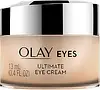
This anti-aging eye moisturizer is formulated around Niacinamide and Palmitoyl Pentapeptide-4 to soften the look of wrinkles and refine skin texture.
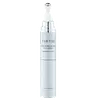
This anti-aging eye moisturizer is formulated around Niacinamide and Palmitoyl Tripeptide-5 to soften the look of wrinkles.


What's inside
What's inside
 Key Ingredients
Benefits
Concerns
Ingredients Side-by-side
Water
Skin ConditioningVinyl Dimethicone/Methicone Silsesquioxane Crosspolymer


Glycerin
Humectant


Niacinamide
Smoothing








Isohexadecane
EmollientIsopropyl Isostearate
Emollient




Stearyl Alcohol
Emollient
Palmitoyl Pentapeptide-4
Skin Conditioning
Dimethicone
Emollient
C13-14 Isoparaffin
Emollient
Dimethiconol
Emollient
Cetearyl Glucoside
Emulsifying
Cetearyl Alcohol
Emollient
Laureth-7
EmulsifyingStearic Acid
Cleansing
Palmitic Acid
Emollient
Cetyl Alcohol
Emollient
Behenyl Alcohol
Emollient
Disodium EDTA
ChelatingPolyacrylamide
PEG-100 Stearate
Surfactant
Titanium Dioxide
Cosmetic Colorant

Benzyl Alcohol
Perfuming





Methylparaben
Preservative
Propylparaben
Preservative
Ethylparaben
Preservative
Iron Oxides
Water, Vinyl Dimethicone/Methicone Silsesquioxane Crosspolymer, Glycerin, Niacinamide, Isohexadecane, Isopropyl Isostearate, Stearyl Alcohol, Palmitoyl Pentapeptide-4, Dimethicone, C13-14 Isoparaffin, Dimethiconol, Cetearyl Glucoside, Cetearyl Alcohol, Laureth-7, Stearic Acid, Palmitic Acid, Cetyl Alcohol, Behenyl Alcohol, Disodium EDTA, Polyacrylamide, PEG-100 Stearate, Titanium Dioxide, Benzyl Alcohol, Methylparaben, Propylparaben, Ethylparaben, Iron Oxides
Water
Skin ConditioningGlycerin
Humectant
Butylene Glycol
Humectant
1,2-Hexanediol
Skin Conditioning
Caprylic/Capric Triglyceride
Masking
Dipropylene Glycol
HumectantHydrogenated Poly(C6-14 Olefin)
EmollientNiacinamide
Smoothing
Methyl Trimethicone
Skin Conditioning
C12-16 Alcohols
EmollientCaprylic/Capric/Myristic/Stearic Triglyceride
EmollientSqualane
Emollient
Cetearyl Alcohol
Emollient
Persea Gratissima Oil
Skin Conditioning
Palmitic Acid
Emollient
Hydrogenated Lecithin
Emulsifying
Chlorella Vulgaris Extract
Skin ConditioningGlucose
Humectant
Stearyl Alcohol
Emollient
Cetyl Alcohol
Emollient
Sodium Acrylate/Sodium Acryloyldimethyl Taurate Copolymer
Emulsion StabilisingHydroxyacetophenone
Antioxidant
Polyisobutene
Fructooligosaccharides
Humectant
Fructose
Humectant
Glyceryl Stearate
Emollient
Panthenol
Skin Conditioning
Pentaerythrityl Distearate
Emulsifying
Sodium Polyacrylate
Absorbent
Hydroxyethyl Acrylate/Sodium Acryloyldimethyl Taurate Copolymer
Emulsion StabilisingEthylhexylglycerin
Skin ConditioningDipotassium Glycyrrhizate
Humectant
Parfum
Masking
Xanthan Gum
EmulsifyingCollagen
Moisturising
Adenosine
Skin Conditioning
Sodium Phytate
ChelatingCaprylyl/Capryl Glucoside
CleansingSorbitan Oleate
Emulsifying
Hydrolyzed Corn Starch
HumectantLeuconostoc/Radish Root Ferment Filtrate
Antimicrobial
Sucrose
Humectant
Dextrin
AbsorbentTheobroma Cacao Seed Extract
Antioxidant
Myristyl Alcohol
Emollient
Ascorbic Acid Polypeptide
Antioxidant
Rosmarinus Officinalis Leaf Water
MaskingLauryl Alcohol
Emollient
Aspalathus Linearis Leaf Extract
Skin ConditioningHibiscus Sabdariffa Flower Extract
Skin ConditioningMethylpropanediol
SolventTocopherol
Antioxidant
Carbomer
Emulsion StabilisingDipeptide Diaminobutyroyl Benzylamide Diacetate
Skin Conditioning
Palmitoyl Tripeptide-5
Skin Conditioning
Polysorbate 20
Emulsifying
Palmitoyl Tripeptide-1
Skin Conditioning
Palmitoyl Tetrapeptide-7
Skin Conditioning
Water, Glycerin, Butylene Glycol, 1,2-Hexanediol, Caprylic/Capric Triglyceride, Dipropylene Glycol, Hydrogenated Poly(C6-14 Olefin), Niacinamide, Methyl Trimethicone, C12-16 Alcohols, Caprylic/Capric/Myristic/Stearic Triglyceride, Squalane, Cetearyl Alcohol, Persea Gratissima Oil, Palmitic Acid, Hydrogenated Lecithin, Chlorella Vulgaris Extract, Glucose, Stearyl Alcohol, Cetyl Alcohol, Sodium Acrylate/Sodium Acryloyldimethyl Taurate Copolymer, Hydroxyacetophenone, Polyisobutene, Fructooligosaccharides, Fructose, Glyceryl Stearate, Panthenol, Pentaerythrityl Distearate, Sodium Polyacrylate, Hydroxyethyl Acrylate/Sodium Acryloyldimethyl Taurate Copolymer, Ethylhexylglycerin, Dipotassium Glycyrrhizate, Parfum, Xanthan Gum, Collagen, Adenosine, Sodium Phytate, Caprylyl/Capryl Glucoside, Sorbitan Oleate, Hydrolyzed Corn Starch, Leuconostoc/Radish Root Ferment Filtrate, Sucrose, Dextrin, Theobroma Cacao Seed Extract, Myristyl Alcohol, Ascorbic Acid Polypeptide, Rosmarinus Officinalis Leaf Water, Lauryl Alcohol, Aspalathus Linearis Leaf Extract, Hibiscus Sabdariffa Flower Extract, Methylpropanediol, Tocopherol, Carbomer, Dipeptide Diaminobutyroyl Benzylamide Diacetate, Palmitoyl Tripeptide-5, Polysorbate 20, Palmitoyl Tripeptide-1, Palmitoyl Tetrapeptide-7
Reviews
Ingredients Explained
These ingredients are found in both products.
Ingredients higher up in an ingredient list are typically present in a larger amount.
Cetearyl alcohol is a waxy mixture of two fatty alcohols: cetyl alcohol and stearyl alcohol. It is an emollient and emulsifier.
Despite having "alcohol" in its name, it has nothing to do with drying solvent alcohols; the FDA also allows "alcohol-free" products to contain fatty alcohols like this ingredient.
It plays several roles in a formula:
Typical use levels for this ingredient sit around 1-10% and the Cosmetic Ingredient Review Expert Panel has affirmed safety at concentrations up to 25% in leave-on products.
Multiple assessments have found it to be non-irritating and non-sensitizing to most people.
However, there have been some cases of allergic contact dermatitis in patients with chronically compromised skin barriers.
Cetearyl alcohol has a comedogenic rating of 2 and irritancy rating of 1. Both of these numbers come from the 1989 study that used rabbit ears; a "2" means mildly comedogenic and a "1" means low irritancy.
Here's the catch: rabbit skin is more sensitive than human skin and throws a lot of false positives. A 1996 reappraisal found that ingredients rated 1-2 in the rabbit ear tests are generally safe for humans.
Remember comedogenic ratings are unable to assess the entire formula of a product or how it will react on your skin. Just be sure to patch test if you are unsure about certain ingredients.
This ingredient is not fungal acne safe. Cetearyl alcohol is a fatty alcohol with chain lengths that fall within the range that Malassezia can metabolize.
A 2019 study has also observed Malassezia growth in the presence of this ingredient, confirming it to be not-fungal acne safe.
Learn more about Cetearyl AlcoholCetyl Alcohol is a fatty alcohol. Fatty Alcohols are most often used as an emollient or to thicken a product.
Its main roles are:
Though it has "alcohol" in the name, it is not related to denatured alcohol or ethyl alcohol.
The FDA allows products labeled "alcohol-free" to have fatty alcohols.
This ingredient may not be fungal acne safe. It is a primary fatty alcohol with a chain length above 12 carbons. A study from 2019 show Malassezia can feed on fatty alcohols in this range, so it may trigger fungal acne in those prone to it.
Learn more about Cetyl AlcoholGlycerin (or glycerol) is a compound naturally found in your skin. It's a powerhouse humectant that pulls water into the stratum corneum.
Topically, glycerin does several things at once:
Your skin makes glycerin on its own (mostly from sebaceous oil breakdown) and shuttles it to your outermost layer of skin, or your epidermis, via aquaporin-3.
Aquaporin-3 is a transporter that is essential for normal skin hydration, elasticity, and repair. Interestingly, mice lacking in AQP3 have dry and less elastic skin that can be fully corrected with glycerin.
This ingredient is non-irritating, plays well with almost every ingredient, and works across all skin types. Typical use is anywhere between 3-10% but can go up to 79% in some leave-on products.
Just know very high concentrations (>40%) can feel tacky in low humidity.
Glycerin is the name for this ingredient in American English. British English uses Glycerol/Glycerine.
Learn more about GlycerinNiacinamide is a multitasking form of vitamin B3 that strengthens the skin barrier, reduces pores and dark spots, regulates oil, and improves signs of aging.
And the best part? It's gentle and well-tolerated by most skin types, including sensitive and reactive skin.
You might have heard of "niacin flush", or the reddening of skin that causes itchiness. Niacinamide has not been found to cause this.
In very rare cases, some individuals may not be able to tolerate niacinamide at all or experience an allergic reaction to it.
If you are experiencing flaking, irritation, and dryness with this ingredient, be sure to double check all your products as this ingredient can be found in all categories of skincare.
When incorporating niacinamide into your routine, look out for concentration amounts. Typically, 5% niacinamide provides benefits such as fading dark spots. However, if you have sensitive skin, it is better to begin with a smaller concentration.
When you apply niacinamide to your skin, your body converts it into nicotinamide adenine dinucleotide (NAD). NAD is an essential coenzyme that is already found in your cells as "fuel" and powers countless biological processes.
In your skin, NAD helps repair cell damage, produce new healthy cells, support collagen production, strengthen the skin barrier, and fight environmental stressors (like UV and pollution).
Our natural NAD levels start to decline with age, leading to slower skin repair, visible aging, and a weaker skin barrier. By providing your skin niacinamide, you're recharging your skin's NAD levels. This leads to stronger, healthier, and younger looking skin.
Another name for vitamin B3 is nicotinamide. This vitamin is water-soluble and our bodies don't store it. We obtain Vitamin B3 from either food or skincare. Meat, fish, wheat, yeast, and leafy greens contain vitamin B3.
The type of niacinamide used in skincare is synthetically created.
Learn more about NiacinamidePalmitic Acid is a fatty acid naturally found in our skin and in many plant and animal sources.
In cosmetics, it is usually derived from palm oil. It serves many purposes in skincare, acting as a cleanser, emollient, and emulsifier.
Interestingly, topically applied Palmitic Acid can be elongated into longer chain fatty acids and ceramides. A 2019 study found low levels of Palmitic Acid lead to slower development of cells, suggesting it plays a role in keeping your skin's renewal process on track.
The CIR (Cosmetic Ingredient Review) panel determined it safe as used in cosmetics at concentrations up to 13%. It is non-irritating and non-sensitizing in clinical studies.
The culprit behind fungal acne, the Malassezia yeast, feeds on fatty acids with carbon chain lengths between C11-C24. Palmitic Acid, at C16, falls right into that sweet spot.
In vitro studies have shown that Palmitic Acid is one of the fatty acids that induce rapid Malassezia growth in lab settings.
It's worth noting that what feeds yeast in a lab doesn't necessarily feed it on your face since formulation and your skin's chemistry play a bigger role.
This ingredient does have a comedogenic rating of 2, but this doesn't mean a formula with this ingredient will clog pores.
Human testing has proved that any finished product with a comedogenic ingredient won't automatically make you break out; it really comes down to concentration, formula, and your skin.
Learn more about Palmitic AcidStearyl Alcohol is a type of fatty alcohol from stearic acid. It is a white, waxy compound used to emulsify ingredients used as an emollient or to thicken a product.
Emollients help soothe and hydrate the skin by trapping moisture.
Fatty alcohols are usually derived from natural fats and oils and therefore do not have the same drying or irritating effect as solvent (ethanol) alcohols.
The FDA allows products labeled "alcohol-free" to have fatty alcohols.
This ingredient may not be fungal acne safe. It is a primary fatty alcohol with a chain length above 12 carbons. A study from 2019 show Malassezia can feed on fatty alcohols in this range, so it may trigger fungal acne in those prone to it.
Learn more about Stearyl AlcoholWater. It's the most common cosmetic ingredient of all. You'll usually see it at the top of ingredient lists, meaning that it makes up the largest part of the product.
So why is it so popular? Water most often acts as a solvent - this means that it helps dissolve other ingredients into the formulation.
You'll also recognize water as that liquid we all need to stay alive. If you see this, drink a glass of water. Remember to stay hydrated!
Learn more about Water

