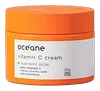
This brightening moisturizer is formulated around Niacinamide and Ascorbic Acid to brighten dull-looking skin and fade the look of dark spots.
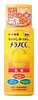
This brightening toner is formulated around Ascorbyl Glucoside and Dipotassium Glycyrrhizate to brighten dull-looking skin and fade the look of dark spots.


What's inside
What's inside
 Key Ingredients
Benefits
Concerns
Ingredients Side-by-side
Water
Skin ConditioningCoco-Caprylate/Caprate
Emollient
C10-18 Triglycerides
Emollient

Dimethicone
Emollient

Hydrogenated Polyisobutene
EmollientAluminum Starch Octenylsuccinate
Absorbent
Cetyl Alcohol
Emollient
Glyceryl Stearate
Emollient
Niacinamide
Smoothing









Methylpropanediol
SolventAscorbic Acid
Antioxidant

Sodium Hyaluronate
Humectant

Hydrolyzed Hyaluronic Acid
Humectant
Sodium Acetylated Hyaluronate
Humectant
Melaleuca Alternifolia Leaf Extract
Perfuming
Ceramide NP
Skin Conditioning
Cholesterol
Emollient
Stearic Acid
Cleansing
Caprylic/Capric Triglyceride
Masking
Phytosphingosine
Skin Conditioning
Oleic Acid
Emollient

Lactic Acid
Buffering

Hydrogenated Lecithin
Emulsifying
Sorbitan Isostearate
Emulsifying
Polysorbate 60
Emulsifying
Hydroxyethyl Acrylate/Sodium Acryloyldimethyl Taurate Copolymer
Emulsion StabilisingPEG-75 Stearate
Surfactant
Ceteth-20
CleansingSteareth-20
CleansingDimethiconol
Emollient
Carrageenan
Sucrose
Humectant
Betaine
Humectant
Allantoin
Skin Conditioning
Tromethamine
Buffering1,2-Hexanediol
Skin Conditioning
Hydroxyacetophenone
Antioxidant
CI 19140
Cosmetic ColorantWater, Coco-Caprylate/Caprate, C10-18 Triglycerides, Dimethicone, Hydrogenated Polyisobutene, Aluminum Starch Octenylsuccinate, Cetyl Alcohol, Glyceryl Stearate, Niacinamide, Methylpropanediol, Ascorbic Acid, Sodium Hyaluronate, Hydrolyzed Hyaluronic Acid, Sodium Acetylated Hyaluronate, Melaleuca Alternifolia Leaf Extract, Ceramide NP, Cholesterol, Stearic Acid, Caprylic/Capric Triglyceride, Phytosphingosine, Oleic Acid, Lactic Acid, Hydrogenated Lecithin, Sorbitan Isostearate, Polysorbate 60, Hydroxyethyl Acrylate/Sodium Acryloyldimethyl Taurate Copolymer, PEG-75 Stearate, Ceteth-20, Steareth-20, Dimethiconol, Carrageenan, Sucrose, Betaine, Allantoin, Tromethamine, 1,2-Hexanediol, Hydroxyacetophenone, CI 19140
Ascorbyl Glucoside
Antioxidant
Dipotassium Glycyrrhizate
Humectant
Ascorbic Acid
Antioxidant
Citrus Limon Fruit Extract
Masking
Citrus Grandis Fruit Extract
Astringent
Alpinia Zerumbet Seed Extract
Antimicrobial
Glycerin
Humectant
Butylene Glycol
Humectant
Pentylene Glycol
Skin Conditioning
Isopentyldiol
Humectant
Tricaprylin
Perfuming
Sorbitan Stearate
Emulsifying
Cetearyl Alcohol
Emollient
Polysorbate 60
Emulsifying
Beheneth-5
EmulsifyingParaffinum Liquidum
Emollient
Dimethicone
Emollient
Potassium Hydroxide
BufferingPhenoxyethanol
Preservative
Behenyl Alcohol
Emollient
Sodium Citrate
BufferingAcrylates/C10-30 Alkyl Acrylate Crosspolymer
Emulsion StabilisingXanthan Gum
EmulsifyingEDTA
ChelatingHydroxyethylcellulose
Emulsion StabilisingCitric Acid
Buffering
Water
Skin ConditioningParfum
Masking
Ascorbyl Glucoside, Dipotassium Glycyrrhizate, Ascorbic Acid, Citrus Limon Fruit Extract, Citrus Grandis Fruit Extract, Alpinia Zerumbet Seed Extract, Glycerin, Butylene Glycol, Pentylene Glycol, Isopentyldiol, Tricaprylin, Sorbitan Stearate, Cetearyl Alcohol, Polysorbate 60, Beheneth-5, Paraffinum Liquidum, Dimethicone, Potassium Hydroxide, Phenoxyethanol, Behenyl Alcohol, Sodium Citrate, Acrylates/C10-30 Alkyl Acrylate Crosspolymer, Xanthan Gum, EDTA, Hydroxyethylcellulose, Citric Acid, Water, Parfum
Reviews
Ingredients Explained
These ingredients are found in both products.
Ingredients higher up in an ingredient list are typically present in a larger amount.
Ascorbic Acid is is pure Vitamin C and is the biologically active form used directly by skin.
Not only is vitamin C great for your overall health and immune system, but it also has plenty of benefits for your skin. It is best supported by academic literature for:
Topical vitamin C has been shown to help neutralize oxidative stress from UV and pollution, helping to improve photoaging and hyperpigmentation when used consistently.
One clinical study found that using 5% topical vitamin C for six months improved signs of photodamaged skin, both on the surface and in the deeper structural layers of the skin.
While vitamin C doesn’t replace sunscreen, studies show it can boost photoprotection when combined with Vitamin E and ferulic acid. These two ingredients help improve stability and protective effects.
The big downside of this ingredient is formulation difficulty. Vitamin C is prone to oxidation and doesn't penetrate the skin unless formulated correctly. Research found that vitamin C absorbs into the skin best at a low pH (< 3.5) with about 20% being the upper limit for effective absorption.
Skin levels can saturate after repeated application; this means your skin won’t keep absorbing more once it’s full of vitamin C. This is why more isn’t always better with vitamin C and why very high concentrations don’t necessarily give extra benefits.
Ascorbic acid generally works well with many skincare ingredients but can be irritating when combined with other active ingredients. Strong oxidizing acne treatments like benzoyl peroxide can reduce the effectiveness of vitamin C if they are used at the same time; they are often recommended for use at different times of day.
Read more about other types of Vitamin C:
Foods rich with vitamin C include oranges, strawberries, broccoli, bell peppers, and more. When consuming Vitamin C, your skin receives a portion of the nutrients.
Learn more about Ascorbic AcidDimethicone is a type of synthetic silicone created from natural materials such as quartz. It is also known as polydimethylsiloxane.
What it does:
Dimethicone comes in different viscosities:
Depending on the viscosity, dimethicone has different properties.
Ingredients lists don't always show which type is used, so we recommend reaching out to the brand if you have questions about the viscosity.
This ingredient is unlikely to cause irritation because it does not get absorbed into skin. However, people with silicone allergies should be careful about using this ingredient.
Note: Dimethicone may contribute to pilling. This is because it is not oil or water soluble, so pilling may occur when layered with products. When mixed with heavy oils in a formula, the outcome is also quite greasy.
Learn more about DimethiconePolysorbate 60 is used to help stabilize products. It is a surfactant and emulsifier. These properties help keep ingredients together in a product. Surfactants help reduce surface tension between ingredients with different states, such as liquids and solids. Emulsifiers help prevent oils and waters from separating.
Polysorbate 60 is sorbitol-based and created from the ethoxylation of sorbitan. Ethoxylation is a chemical reaction used to add ethylene oxide. Sorbitan is a the dehydrated version of sorbitol, a sugar found in fruits.
In this case, the 60 comes from reacting 60 units of ethylene oxide with sorbitan.
Polysorbates are commonly used in medicine and foods.
Learn more about Polysorbate 60Water. It's the most common cosmetic ingredient of all. You'll usually see it at the top of ingredient lists, meaning that it makes up the largest part of the product.
So why is it so popular? Water most often acts as a solvent - this means that it helps dissolve other ingredients into the formulation.
You'll also recognize water as that liquid we all need to stay alive. If you see this, drink a glass of water. Remember to stay hydrated!
Learn more about Water

