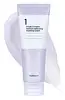
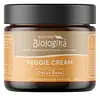
Numbuzin No.1 Purple Complex Moisture Balancing Soothing Cream Versus Biolage Biologika Citrus Rose Veggie Cream
This calming moisturizer is formulated around Anthemis Nobilis Flower Extract and Azulene to calm redness.
This barrier-repair moisturizer is formulated around Butyrospermum Parkii Butter and Aloe Barbadensis Leaf Extract to strengthen the skin barrier and hydrate skin.


What's inside
What's inside
 Key Ingredients
Benefits
Concerns
Ingredients Side-by-side
Anthemis Nobilis Flower Extract
Masking


Water
Skin ConditioningGlycereth-26
Humectant
Glycerin
Humectant

Pentaerythrityl Tetraethylhexanoate
Emollient
Cyclopentasiloxane
Emollient
Polyglyceryl-3 Distearate
Emulsifying

1,2-Hexanediol
Skin Conditioning
Ammonium Acryloyldimethyltaurate/Vp Copolymer
Hydrogenated Polyisobutene
EmollientPhytosteryl/Isostearyl/Cetyl/Stearyl/Behenyl Dimer Dilinoleate
Skin Conditioning
Dimethicone
Emollient
Azulene
Skin Conditioning
Hydrolyzed Hyaluronic Acid
Humectant

Sodium Acetylated Hyaluronate
Humectant
Sodium Hyaluronate
Humectant
Trehalose
Humectant
Butylene Glycol
Humectant
Dimethicone/Vinyl Dimethicone Crosspolymer
Skin Conditioning
Ethylhexylglycerin
Skin ConditioningGlyceryl Stearate Citrate
Emollient
Eclipta Prostrata Extract
Skin Conditioning
Melia Azadirachta Leaf Extract
Skin ConditioningMelia Azadirachta Flower Extract
Skin ConditioningCoccinia Indica Fruit Extract
Skin Conditioning
Disodium EDTA
ChelatingSolanum Melongena Fruit Extract
Skin ConditioningAloe Barbadensis Flower Extract
EmollientMoringa Oleifera Seed Oil
Emollient


Ocimum Sanctum Leaf Extract
Skin ConditioningCitric Acid
Buffering

Curcuma Longa Root Extract
Antioxidant
Corallina Officinalis Extract
Skin Conditioning
Glyceryl Glucoside
Humectant
Beta Vulgaris Root Extract
Skin ConditioningBrassica Oleracea Capitata Leaf Extract
Skin ConditioningDaucus Carota Sativa Root Extract
Skin Conditioning
Vaccinium Angustifolium Fruit Extract
Skin Protecting
Aloe Barbadensis Leaf Extract
Emollient
Dioscorea Japonica Root Extract
Skin Conditioning
Laminaria Japonica Extract
Skin Protecting
Ulmus Davidiana Root Extract
Skin Conditioning
Viola Mandshurica Flower Extract
Antioxidant
Centella Asiatica Extract
Cleansing
Polygonum Cuspidatum Root Extract
Antioxidant
Scutellaria Baicalensis Root Extract
Astringent
Camellia Sinensis Leaf Extract
Antimicrobial

Glycyrrhiza Glabra Root Extract
Bleaching
Chamomilla Recutita Flower Extract
Masking
Rosmarinus Officinalis Leaf Extract
AntimicrobialAnthemis Nobilis Flower Extract, Water, Glycereth-26, Glycerin, Pentaerythrityl Tetraethylhexanoate, Cyclopentasiloxane, Polyglyceryl-3 Distearate, 1,2-Hexanediol, Ammonium Acryloyldimethyltaurate/Vp Copolymer, Hydrogenated Polyisobutene, Phytosteryl/Isostearyl/Cetyl/Stearyl/Behenyl Dimer Dilinoleate, Dimethicone, Azulene, Hydrolyzed Hyaluronic Acid, Sodium Acetylated Hyaluronate, Sodium Hyaluronate, Trehalose, Butylene Glycol, Dimethicone/Vinyl Dimethicone Crosspolymer, Ethylhexylglycerin, Glyceryl Stearate Citrate, Eclipta Prostrata Extract, Melia Azadirachta Leaf Extract, Melia Azadirachta Flower Extract, Coccinia Indica Fruit Extract, Disodium EDTA, Solanum Melongena Fruit Extract, Aloe Barbadensis Flower Extract, Moringa Oleifera Seed Oil, Ocimum Sanctum Leaf Extract, Citric Acid, Curcuma Longa Root Extract, Corallina Officinalis Extract, Glyceryl Glucoside, Beta Vulgaris Root Extract, Brassica Oleracea Capitata Leaf Extract, Daucus Carota Sativa Root Extract, Vaccinium Angustifolium Fruit Extract, Aloe Barbadensis Leaf Extract, Dioscorea Japonica Root Extract, Laminaria Japonica Extract, Ulmus Davidiana Root Extract, Viola Mandshurica Flower Extract, Centella Asiatica Extract, Polygonum Cuspidatum Root Extract, Scutellaria Baicalensis Root Extract, Camellia Sinensis Leaf Extract, Glycyrrhiza Glabra Root Extract, Chamomilla Recutita Flower Extract, Rosmarinus Officinalis Leaf Extract
Ceratonia Siliqua Gum
EmollientGlycerin
Humectant
Cetearyl Alcohol
Emollient


Ceteareth-20
Cleansing
Glyceryl Stearate
Emollient
Butyrospermum Parkii Butter
Skin Conditioning
Aloe Barbadensis Leaf Extract
Emollient
Olea Europaea Leaf Extract
Perfuming
Rosa Canina Fruit Extract
Astringent
Citric Acid
Buffering
Potassium Sorbate
Preservative
Cocos Nucifera Oil
Masking
Cucurbita Pepo Seed Oil
Emollient
Daucus Carota Sativa Seed Oil
Emollient
Zea Mays Oil
Emulsifying
Solanum Lycopersicum Seed Oil
Emollient
Corylus Avellana Seed Oil
Emollient
Cucumis Sativus Oil
Emollient
Prunus Amygdalus Dulcis Oil
Skin Conditioning
Macadamia Ternifolia Seed Oil
Emollient
Persea Gratissima Oil
Skin Conditioning
Rosmarinus Officinalis Leaf Extract
AntimicrobialTocopherol
Antioxidant
Helianthus Annuus Seed Oil
Emollient
Ceratonia Siliqua Gum, Glycerin, Cetearyl Alcohol, Ceteareth-20, Glyceryl Stearate, Butyrospermum Parkii Butter, Aloe Barbadensis Leaf Extract, Olea Europaea Leaf Extract, Rosa Canina Fruit Extract, Citric Acid, Potassium Sorbate, Cocos Nucifera Oil, Cucurbita Pepo Seed Oil, Daucus Carota Sativa Seed Oil, Zea Mays Oil, Solanum Lycopersicum Seed Oil, Corylus Avellana Seed Oil, Cucumis Sativus Oil, Prunus Amygdalus Dulcis Oil, Macadamia Ternifolia Seed Oil, Persea Gratissima Oil, Rosmarinus Officinalis Leaf Extract, Tocopherol, Helianthus Annuus Seed Oil
Reviews
Ingredients Explained
These ingredients are found in both products.
Ingredients higher up in an ingredient list are typically present in a larger amount.
Aloe Barbadensis Leaf Extract is a botanical extract pulled from the leaves of aloe vera and one of the most studied plant ingredients in cosmetics.
The inner leaf gel it comes from is mostly water (~99-99.5%) and the remaining fraction is made up of pretty good stuff: polysaccharides, vitamins, phenolics, and enzymes.
Its headline job is hydration.
The star polysaccharide in aloe, acemannan, is a humectant that retains moisture and helps reduce trans-epidermal water loss.
Aloe also has real soothing credentials; it contains anti-inflammatory compounds like bradykinase and C-glucosyl chromone that help calm irritation and redness.
On the repair side, lab work shows that acemannan wakes up your skin's repair cells (fibroblasts), prompting them to multiply and speed up healing.
There's some human data for cosmetic benefit too: a cream containing 10% Aloe Barbadensis leaf extract improved skin hydration and elasticity in a real-use study.
Safety-wise, this ingredient is well-regarded with just one rare downside; there have been some case reports of acute eczema, contact urticaria, and dermatitis in people who applied aloe-derived ingredients topically. Those with a known aloe or Liliaceae sensitivity should patch test.
Typical use levels range widely, from under 1% up to 90%+ depending on the format and the effect you are after.
Learn more about Aloe Barbadensis Leaf ExtractCitric Acid is an alpha hydroxy acid (AHA) naturally found in citrus fruits like oranges, lemons, and limes.
Like other AHAs, citric acid can exfoliate skin by breaking down the bonds that hold dead skin cells together. This helps reveal smoother and brighter skin underneath.
However, this exfoliating effect only happens at high concentrations (20%) which can be hard to find in cosmetic products.
Due to this, citric acid is usually included in small amounts as a pH adjuster. This helps keep products slightly more acidic and compatible with skin's natural pH.
In skincare formulas, citric acid can:
While it can provide some skin benefits, research shows lactic acid and glycolic acid are generally more effective and less irritating exfoliants.
Most citric acid used in skincare today is made by fermenting sugars (usually from molasses). This synthetic version is identical to the natural citrus form but easier to stabilize and use in formulations.
Rosacea skin has a lower threshold for acids generally, with 62.5% of rosacea subjects in one study reacting to lactic acid in a sting test. This is why we mark citric acid as a potential rosacea trigger.
However, this ingredient shows up as a pH adjuster or chelator at roughly 0.1-1% in many products. These low levels are unlikely to be an issue for rosacea skin and becomes a potential trigger at exfoliating concentrations (20%). Because everybody's skin is unique, we recommend a patch test if you are unsure.
Learn more about Citric AcidGlycerin (or glycerol) is a compound naturally found in your skin. It's a powerhouse humectant that pulls water into the stratum corneum.
Topically, glycerin does several things at once:
Your skin makes glycerin on its own (mostly from sebaceous oil breakdown) and shuttles it to your outermost layer of skin, or your epidermis, via aquaporin-3.
Aquaporin-3 is a transporter that is essential for normal skin hydration, elasticity, and repair. Interestingly, mice lacking in AQP3 have dry and less elastic skin that can be fully corrected with glycerin.
This ingredient is non-irritating, plays well with almost every ingredient, and works across all skin types. Typical use is anywhere between 3-10% but can go up to 79% in some leave-on products.
Just know very high concentrations (>40%) can feel tacky in low humidity.
Glycerin is the name for this ingredient in American English. British English uses Glycerol/Glycerine.
Learn more about GlycerinThis is a botanical extract from the rosemary plant (the same one you cook with). In skincare, it mostly works as a skin conditioning agent.
Its activity comes from a handful of polyphenols, carnosic acid, carnosol, and rosmarinic acid. Almost 90% of the antioxidant activity of this ingredient can be attributed to canosol and carnosic acid.
These compounds protect your skin two ways:
1) They fight off free radicals, or the unstable molecules from things like sun and pollution that age and damage skin.
2) They help calm inflammation by switching off the chemical signals that tell skin to get red and irritated.
Lab studies also suggest that rosmarinic acid may help protect collagen and slow sugar-related damage to it.
The Cosmetic Ingredient Review has concluded rosemary-derived ingredients to be safe when formulated to be non-sensitizing.
Rosemary can occasionally cause allergic contact dermatitis (due to carnosol), so be sure to patch test if you have reactive or fragrance-sensitive skin.
Learn more about Rosmarinus Officinalis Leaf Extract

