Nobody's Nobody Barrier Boost Milk Toner Versus Prequel Half & Half Peptides & Ceramides Fluid Moisturizer
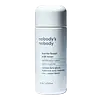
This barrier-repair toner is formulated around Beta-Glucan and Squalane to strengthen the skin barrier and hydrate skin.
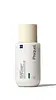
This barrier-repair moisturizer is formulated around Ceramide NP and Hexapeptide-11 to strengthen the skin barrier and soften the look of wrinkles.


What's inside
What's inside
 Key Ingredients
Benefits
Concerns
Ingredients Side-by-side
Water
Skin ConditioningCaprylic/Capric Triglyceride
Masking


Glycerin
Humectant
Propanediol
Solvent
Cetearyl Alcohol
Emollient





Beta-Glucan
Skin Conditioning

Coco-Caprylate/Caprate
Emollient
Isoamyl Laurate
Emollient
Isopropyl Myristate
Emollient
Sodium Hyaluronate
Humectant

Squalane
Emollient
Cetearyl Glucoside
Emulsifying
Copper Gluconate
Skin Conditioning
Magnesium Aspartate
Skin ConditioningZinc Gluconate
Skin Conditioning



Butyrospermum Parkii Butter
Skin Conditioning
Ceramide NP
Skin Conditioning
Ceramide AP
Skin Conditioning
Pentylene Glycol
Skin Conditioning
Trisodium Ethylenediamine Disuccinate
ChelatingPhenoxyethanol
Preservative
Xanthan Gum
EmulsifyingCaprylyl Glycol
Emollient
Polyglyceryl-10 Stearate
Skin Conditioning
Triethyl Citrate
Masking

Polyglyceryl-6 Behenate
Emulsion Stabilising
Ceramide EOP
Skin Conditioning
Cholesterol
Emollient
Phytosphingosine
Skin Conditioning
Behenic Acid
Cleansing
Glyceryl Stearate
Emollient
Sodium Levulinate
Skin ConditioningPotassium Sorbate
Preservative
Citric Acid
Buffering

Sodium Cetearyl Sulfate
Cleansing
Water, Caprylic/Capric Triglyceride, Glycerin, Propanediol, Cetearyl Alcohol, Beta-Glucan, Coco-Caprylate/Caprate, Isoamyl Laurate, Isopropyl Myristate, Sodium Hyaluronate, Squalane, Cetearyl Glucoside, Copper Gluconate, Magnesium Aspartate, Zinc Gluconate, Butyrospermum Parkii Butter, Ceramide NP, Ceramide AP, Pentylene Glycol, Trisodium Ethylenediamine Disuccinate, Phenoxyethanol, Xanthan Gum, Caprylyl Glycol, Polyglyceryl-10 Stearate, Triethyl Citrate, Polyglyceryl-6 Behenate, Ceramide EOP, Cholesterol, Phytosphingosine, Behenic Acid, Glyceryl Stearate, Sodium Levulinate, Potassium Sorbate, Citric Acid, Sodium Cetearyl Sulfate
Water
Skin ConditioningGlycerin
Humectant
Propanediol
Solvent
Isopropyl Myristate
Emollient
Ethylhexyl Olivate
Skin Conditioning
Squalane
Emollient
Hydrolyzed Rice Protein
Skin ConditioningCeramide NP
Skin Conditioning
Ceramide As
Skin Conditioning
Ceramide Ns
Skin Conditioning
Ceramide EOP
Skin Conditioning
Ceramide AP
Skin Conditioning
Hexapeptide-11
Skin Conditioning
Matrixyl 3000
Polyglyceryl-10 Stearate
Skin Conditioning
Triolein
Skin Conditioning
Ammonium Acryloyldimethyltaurate/Vp Copolymer
Glyceryl Oleate
Emollient
Undecane
EmollientHydroxyacetophenone
Antioxidant
Glyceryl Dioleate
Emollient
Caprylyl Glycol
Emollient
Xanthan Gum
EmulsifyingTridecane
Perfuming
Betaine
Humectant
Sodium Stearoyl Glutamate
CleansingCitric Acid
Buffering
Sodium Phytate
ChelatingSodium PCA
Humectant
Sodium Hydroxide
BufferingSodium Lactate
Buffering
PCA
Humectant
Sodium Benzoate
Masking
Serine
Masking
Alanine
Masking
Palmitic Acid
Emollient
Glycine
Buffering
Hydrogenated Lecithin
Emulsifying
Ethylhexyl Palmitate
Emollient
Butylene Glycol
Humectant
Phenoxyethanol
Preservative
Ethylhexylglycerin
Skin ConditioningGlutamic Acid
Humectant
Lysine Hcl
Skin Conditioning
Threonine
Arginine
Masking
Proline
Skin Conditioning
Tocopherol
Antioxidant

Carbomer
Emulsion StabilisingPolysorbate 20
Emulsifying
Water, Glycerin, Propanediol, Isopropyl Myristate, Ethylhexyl Olivate, Squalane, Hydrolyzed Rice Protein, Ceramide NP, Ceramide As, Ceramide Ns, Ceramide EOP, Ceramide AP, Hexapeptide-11, Matrixyl 3000, Polyglyceryl-10 Stearate, Triolein, Ammonium Acryloyldimethyltaurate/Vp Copolymer, Glyceryl Oleate, Undecane, Hydroxyacetophenone, Glyceryl Dioleate, Caprylyl Glycol, Xanthan Gum, Tridecane, Betaine, Sodium Stearoyl Glutamate, Citric Acid, Sodium Phytate, Sodium PCA, Sodium Hydroxide, Sodium Lactate, PCA, Sodium Benzoate, Serine, Alanine, Palmitic Acid, Glycine, Hydrogenated Lecithin, Ethylhexyl Palmitate, Butylene Glycol, Phenoxyethanol, Ethylhexylglycerin, Glutamic Acid, Lysine Hcl, Threonine, Arginine, Proline, Tocopherol, Carbomer, Polysorbate 20
Reviews
Ingredients Explained
These ingredients are found in both products.
Ingredients higher up in an ingredient list are typically present in a larger amount.
Caprylyl Glycol is a humectant, skin conditioner, emollient, and preservative booster derived from either caprylic acid or synthetically created.
Typical use levels vary from 0.3-1% as a preservative booster and go up to 2% to condition skin.
Because it is not a free-fatty acid, this ingredient is fungal acne safe (there's nothing for Malassezia to feed on).
Learn more about Caprylyl GlycolCeramide AP is is a skin-identical lipid that mimics what your skin already makes naturally. Ceramides help maintain epidermal integrity and barrier function.
You'll often see this ingredient paired with other ceramides (like ceramide NP), cholesterol, or fatty acids because this combination best mimics the natural lipid mix your skin already has.
The skin's ability to produce ceramides gets disrupted in skin conditions like eczema. This in turn weakens the skin barrier and applying ceramides topically has been shown to replenish what's been lost to restore barrier function.
Most of the studies with Ceramide AP test it as part of a multi-ceramide complex; studies reinforce ceramide AP's role in rebalancing ceramides in skin and improving skin hydration.
Learn more about Ceramide APCeramide EOP is formally known as Ceramide 1.
It is naturally found in skin and part of the intercellular "mortar" holding everything together in your outermost layer.
EOP stands for a linked Ester fatty acid, a linked Omega hydroxy fatty acid, and the Phytosphingosine base.
What makes Ceramide EOP special is its ultra-long fatty acid chain; this unique structure allows it to bridge the lipid layers in your skin barrier to prevent water loss (something no other ceramide can do).
Low levels of Ceramide EOP have been found in people with eczema and psoriasis.
Using it together with other ceramides, cholesterol, and linoleic acid have been shown to meaningfully improve hydration and reduce water loss.
In one clinical study, a regimen using Ceramide EOP, NP, and AP led to significant symptom improvements in patients with eczema, psoriasis, and dry skin in just 4 weeks.
You'll usually see concentrations between 0.1-0.5% in formulations. Overall, this is a well-tolerated and safe ingredient for cosmetic use.
Learn more about Ceramide EOPCeramide NP (formerly known as Ceramide 3) is one of the skin's naturally occurring lipids.
Since ceramides are the major lipid components of the skin, they are crucial for maintaining skin barrier and hydration. Ceramide NP most closely mirrors the dominant kind in human skin amongst ceramide subtypes.
This ceramide works by slotting into gaps within the stratum corneum's lipid matrix to limit trans-epidermal water loss (TEWL) and shield the skin against external irritants.
A study with 312 patients found that using a ceramide-containing routine for 4 weeks reduced the severity of atopic dermatitis by over 61%.
Another clinical study in subjects aged 60 and older found that a ceramide body wash and moisturizer improved skin dryness and itchy skin in 15 days.
Overall, ceramides are considered non-irritating and safety tests have found little to no observable adverse effects from using this ingredient.
Ceramide NP is usually sourced from plants (like soybean or rice bran), or produced synthetically.
Learn more about Ceramide NPCitric Acid is an alpha hydroxy acid (AHA) naturally found in citrus fruits like oranges, lemons, and limes.
Like other AHAs, citric acid can exfoliate skin by breaking down the bonds that hold dead skin cells together. This helps reveal smoother and brighter skin underneath.
However, this exfoliating effect only happens at high concentrations (20%) which can be hard to find in cosmetic products.
Due to this, citric acid is usually included in small amounts as a pH adjuster. This helps keep products slightly more acidic and compatible with skin's natural pH.
In skincare formulas, citric acid can:
While it can provide some skin benefits, research shows lactic acid and glycolic acid are generally more effective and less irritating exfoliants.
Most citric acid used in skincare today is made by fermenting sugars (usually from molasses). This synthetic version is identical to the natural citrus form but easier to stabilize and use in formulations.
Rosacea skin has a lower threshold for acids generally, with 62.5% of rosacea subjects in one study reacting to lactic acid in a sting test. This is why we mark citric acid as a potential rosacea trigger.
However, this ingredient shows up as a pH adjuster or chelator at roughly 0.1-1% in many products. These low levels are unlikely to be an issue for rosacea skin and becomes a potential trigger at exfoliating concentrations (20%). Because everybody's skin is unique, we recommend a patch test if you are unsure.
Learn more about Citric AcidGlycerin (or glycerol) is a compound naturally found in your skin. It's a powerhouse humectant that pulls water into the stratum corneum.
Topically, glycerin does several things at once:
Your skin makes glycerin on its own (mostly from sebaceous oil breakdown) and shuttles it to your outermost layer of skin, or your epidermis, via aquaporin-3.
Aquaporin-3 is a transporter that is essential for normal skin hydration, elasticity, and repair. Interestingly, mice lacking in AQP3 have dry and less elastic skin that can be fully corrected with glycerin.
This ingredient is non-irritating, plays well with almost every ingredient, and works across all skin types. Typical use is anywhere between 3-10% but can go up to 79% in some leave-on products.
Just know very high concentrations (>40%) can feel tacky in low humidity.
Glycerin is the name for this ingredient in American English. British English uses Glycerol/Glycerine.
Learn more about GlycerinIsopropyl Myristate is an ester made by combining isopropyl alcohol with myristic acid.
It is primarily an emollient and penetration enhancer that gives products a lightweight, silky feel without the heaviness of oils.
This ingredient is generally considered non-toxic, non-irritating, and has low absorption potential.
This ingredient does have a comedogenic rating of 3-5, but this doesn't mean a formula with this ingredient will clog pores.
Dermatologist Dr. Zoe Draelos has also confirmed in a peer-reviewed paper that products containing comedogenic ingredients are not necessarily comedogenic themselves.
A small subset of people (~2%) may experience contact sensitivity so patch testing is a reasonable idea if you have reactive skin.
Since this ingredient is an ester of myristic acid (a C14 fatty acid), it falls within the carbon chain range that is known to feed Malassezia. This ingredient may not be fungal acne safe.
Learn more about Isopropyl MyristatePhenoxyethanol is one of the most widely used preservatives in skincare (and for good reason!).
It has a large spectrum of antimicrobial activity and especially effective bacteria, yeast, and mold while only having a weak effect on your skin's natural microbiome.
On a cellular level, it disrupts the cell membranes of microbes by poking holes that make the cell leak. This shuts down the chemical reactions the microbe needs to make energy so it can no longer survive.
Another perk of this ingredient is that it stays functional across a wide pH range (3-10).
You'll often see it paired with boosters like Ethylhexylglycerin; one study showed that a 1:9 ratio of Ethylhexylglycerin to Phenoxyethanol damages bacterial membranes as effectively as doubling the Phenoxyethanol concentration on its own.
Typical use concentrations range from 0.3-1% depending on the formula, and this ingredient is capped at 1% int the EU.
Safety-wise, the fear mongering does not hold up to the evidence. The EU's Scientific Committee on Consumer Safety and FDA consider it safe as a preservative at up to 1%, including for children of all ages.
Adverse systemic effects only showed up in animal studies at exposures roughly 200x higher than what people get from cosmetics. And despite its very widespread use, this ingredient is a rare sensitizer and allergic reactions are uncommon.
Learn more about PhenoxyethanolPolyglyceryl-10 Stearate is a skin conditioner that is basically a fatty acid (stearic acid) hooked up to a chain of glycerin units.
It is a skin conditioning agent that helps skin feel soft, smooth, and hydrated.
Beyond that, it also helps emulsify and cleanse: it helps oil and water phases stay blended in moisturizers, serums, and cleansers.
This ingredient has been found to be safe in cosmetics at present concentrations and practices of use.
Research on Malassezia shows the yeast can metabolize stearic acid as a growth substrate; this ingredient is not fungal acne safe.
Learn more about Polyglyceryl-10 StearatePropanediol is an all-star ingredient. It softens, hydrates, and smooths the skin.
It’s often used to:
Propanediol is not likely to cause sensitivity and considered safe to use. It is derived from corn or petroleum with a clear color and no scent.
Learn more about PropanediolSqualane is the hydrogenated and shelf-stable form of squalene (a lipid that naturally occurs in human sebum).
It is an emollient and skin conditioning agent that is able to integrate seamlessly into the skin's lipid barrier without clogging pores.
This is due to how structurally similar it is to what your skin already produces.
Though it is mostly an emollient that helps soften and hydrate skin, it also has some humectant and occlusive action. Humectants help the skin retain moisture while occlusives seal it in, making squalane a triple-threat moisturizer.
Research shows it has antioxidant capabilities that help protect against stressors like UV exposure, specifically UVA induced oxidative stress. This study also found that it supports collagen biosynthesis in human dermal fibroblasts.
No clinical study has reported significant adverse effects and irritation reactions are very rare from this ingredient (even at 100% concentration).
Overall, it's a fantastic ingredient for hydration and is suitable for all skin types.
This depends on the source. Squalane can be derived from both plants and animals. Most squalane used in skincare comes from plants.
Please note: the source of squalane is only known if disclosed by the brand. We recommend reaching out to the brand if you have any questions about their squalane.
Read more about squalene with an "e".
Though squalane is often called an oil, it’s technically not one. It is a hydrocarbon, meaning it is only made of carbon and hydrogen. True oils are triglycerides and made of fatty acids and glycerol.
The term “oil-free” isn’t regulated so companies can define it however they want. Some exclude all oils, while others just avoid mineral oil or comedogenic oils.
Squalane has a comedogenic rating of 1 from the original 1972 study that tested raw ingredients under occlusion on rabbit ears. This system is not standardized or peer-reviewed, and using the raw ingredients is very different from how diluted cosmetic formulations are used on human skin.
A comedogenic rating of 1 means it is "unlikely to clog pores" according to the original rating system.
The overall formula of a product matters more than the individual ingredients on whether or not it will cause clogged pores.
Learn more about SqualaneWater. It's the most common cosmetic ingredient of all. You'll usually see it at the top of ingredient lists, meaning that it makes up the largest part of the product.
So why is it so popular? Water most often acts as a solvent - this means that it helps dissolve other ingredients into the formulation.
You'll also recognize water as that liquid we all need to stay alive. If you see this, drink a glass of water. Remember to stay hydrated!
Learn more about WaterXanthan gum is used as a stabilizer and thickener within cosmetic products. It helps give products a sticky, thick feeling - preventing them from being too runny.
On the technical side of things, xanthan gum is a polysaccharide - a combination consisting of multiple sugar molecules bonded together.
Xanthan gum is a pretty common and great ingredient. It is a natural, non-toxic, non-irritating ingredient that is also commonly used in food products.
Learn more about Xanthan Gum

