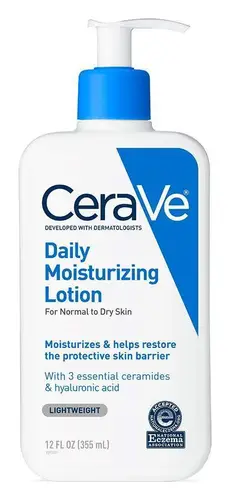
This chemical sunscreen covers the full UV range and blocks ~97% of UVB at SPF 30.
This chemical sunscreen covers the full UV range and blocks ~98% of UVB at SPF 50.

What's inside
What's inside
 Key Ingredients
Benefits
Concerns
Ingredients Side-by-side
Water
Skin ConditioningEthylhexyl Methoxycinnamate
UV Absorber


Dipropylene Glycol
HumectantEthylhexyl Salicylate
UV Absorber
Dimethicone
Emollient

Diethylamino Hydroxybenzoyl Hexyl Benzoate
UV Filter
C14-22 Alcohols
Emulsion Stabilising
Isoamyl P-Methoxycinnamate
UV Absorber
Bis-Ethylhexyloxyphenol Methoxyphenyl Triazine
UV Absorber
Tapioca Starch
Vp/Eicosene Copolymer
Silica
Abrasive


Dibutyl Adipate
EmollientPhenoxyethanol
Preservative
C12-20 Alkyl Glucoside
EmulsifyingNiacinamide
Smoothing








Acrylates/C12-22 Alkyl Methacrylate Copolymer
Potassium Cetyl Phosphate
EmulsifyingAmmonium Acryloyldimethyltaurate/Vp Copolymer
PEG-100 Stearate
Surfactant

Glyceryl Stearate
Emollient
Allantoin
Skin Conditioning
Bisabolol
Antioxidant
Aloe Barbadensis Leaf Juice
Skin Conditioning
Xanthan Gum
EmulsifyingSodium Hyaluronate
Humectant
Ethylhexylglycerin
Skin ConditioningCaprylyl Glycol
Emollient
Arginine
Masking
Coco-Glucoside
Cleansing
Disodium EDTA
ChelatingDipotassium Glycyrrhizate
Humectant
Tocopherol
Antioxidant
Glycerin
Humectant
Polymethylsilsesquioxane
Disodium Lauryl Sulfosuccinate
CleansingOctyldodecanol
Emollient
1,2-Hexanediol
Skin Conditioning
Carnosine
Skin Conditioning
Hydroxyacetophenone
Antioxidant
Hydrogenated Lecithin
Emulsifying
BHT
Antioxidant
Ceramide NP
Skin Conditioning
Polyglyceryl-10 Stearate
Skin Conditioning
Sucrose Stearate
EmollientLinoleic Acid
Cleansing
Phytosphingosine
Skin Conditioning
Cholesterol
Emollient
Phospholipids
Skin Conditioning
Ceramide Ng
Skin Conditioning
Ceramide As
Skin Conditioning
Ceramide AP
Skin Conditioning
Ceramide EOP
Skin Conditioning
Water, Ethylhexyl Methoxycinnamate, Dipropylene Glycol, Ethylhexyl Salicylate, Dimethicone, Diethylamino Hydroxybenzoyl Hexyl Benzoate, C14-22 Alcohols, Isoamyl P-Methoxycinnamate, Bis-Ethylhexyloxyphenol Methoxyphenyl Triazine, Tapioca Starch, Vp/Eicosene Copolymer, Silica, Dibutyl Adipate, Phenoxyethanol, C12-20 Alkyl Glucoside, Niacinamide, Acrylates/C12-22 Alkyl Methacrylate Copolymer, Potassium Cetyl Phosphate, Ammonium Acryloyldimethyltaurate/Vp Copolymer, PEG-100 Stearate, Glyceryl Stearate, Allantoin, Bisabolol, Aloe Barbadensis Leaf Juice, Xanthan Gum, Sodium Hyaluronate, Ethylhexylglycerin, Caprylyl Glycol, Arginine, Coco-Glucoside, Disodium EDTA, Dipotassium Glycyrrhizate, Tocopherol, Glycerin, Polymethylsilsesquioxane, Disodium Lauryl Sulfosuccinate, Octyldodecanol, 1,2-Hexanediol, Carnosine, Hydroxyacetophenone, Hydrogenated Lecithin, BHT, Ceramide NP, Polyglyceryl-10 Stearate, Sucrose Stearate, Linoleic Acid, Phytosphingosine, Cholesterol, Phospholipids, Ceramide Ng, Ceramide As, Ceramide AP, Ceramide EOP
Water
Skin ConditioningDibutyl Adipate
EmollientDiethylamino Hydroxybenzoyl Hexyl Benzoate
UV Filter
Ethylhexyl Salicylate
UV Absorber
Bis-Ethylhexyloxyphenol Methoxyphenyl Triazine
UV Absorber
Phenoxyethyl Caprylate
Ethylhexyl Triazone
UV Absorber
C12-13 Alkyl Lactate
EmollientGlycerin
Humectant
Phenylbenzimidazole Sulfonic Acid
UV Absorber
Diethylhexyl Butamido Triazone
UV Absorber
Cetearyl Alcohol
Emollient


Propanediol
Solvent
Butyrospermum Parkii Butter
Skin Conditioning
Squalane
Emollient
Tocopheryl Acetate
Antioxidant
Sodium Hyaluronate
Humectant
Ammonium Acryloyldimethyltaurate/Vp Copolymer
Dimethicone
Emollient
Vp/Eicosene Copolymer
Caprylyl Glycol
Emollient
Potassium Cetyl Phosphate
EmulsifyingXanthan Gum
EmulsifyingAcrylates/C12-22 Alkyl Methacrylate Copolymer
PEG-100 Stearate
Surfactant
Arginine
Masking
Coco-Glucoside
Cleansing
Disodium Lauryl Sulfosuccinate
CleansingSodium Hydroxide
BufferingPhenoxyethanol
Preservative
Water, Dibutyl Adipate, Diethylamino Hydroxybenzoyl Hexyl Benzoate, Ethylhexyl Salicylate, Bis-Ethylhexyloxyphenol Methoxyphenyl Triazine, Phenoxyethyl Caprylate, Ethylhexyl Triazone, C12-13 Alkyl Lactate, Glycerin, Phenylbenzimidazole Sulfonic Acid, Diethylhexyl Butamido Triazone, Cetearyl Alcohol, Propanediol, Butyrospermum Parkii Butter, Squalane, Tocopheryl Acetate, Sodium Hyaluronate, Ammonium Acryloyldimethyltaurate/Vp Copolymer, Dimethicone, Vp/Eicosene Copolymer, Caprylyl Glycol, Potassium Cetyl Phosphate, Xanthan Gum, Acrylates/C12-22 Alkyl Methacrylate Copolymer, PEG-100 Stearate, Arginine, Coco-Glucoside, Disodium Lauryl Sulfosuccinate, Sodium Hydroxide, Phenoxyethanol
Reviews
Ingredients Explained
These ingredients are found in both products.
Ingredients higher up in an ingredient list are typically present in a larger amount.
We don't have a description for Acrylates/C12-22 Alkyl Methacrylate Copolymer yet.
Ammonium Acryloyldimethyltaurate/Vp Copolymer is a synthetically created polymer. It's used as a film-forming agent and used to thicken the consistency of products.
Think of it as a supportive ingredient that helps your gel-creams feel silky, "cloud cream-like", and spread evenly without being greasy.
The Cosmetic Ingredient Review (CIR) Expert Panel evaluated it (along with 22 other acryloyldimethyltaurate polymers) and concluded it's:
Due to its large molecular size, it sits on the surface of skin rather than penetrating it.
Learn more about Ammonium Acryloyldimethyltaurate/Vp CopolymerArginine is a semi-essential amino acid. This just means our bodies can product a bit on its own, but sometimes needs a little boost from food sources.
It is a part of your skin's natural moisturizing factor (NMF), or the water-loving molecules in your outermost layer of skin (stratum corneum) that keeps everything hydrated and happy.
Here's an interesting thing about Arginine: your skin converts it into urea through the Krebs-Henseleit urea cycle. Urea is one of the most effective humectants your skin naturally produces.
A clinical study showed applying 2.5% arginine hydrochloride to atopic dermatitis skin showed significant urea levels in the stratum corneum and improved moisture in just four weeks.
Arginine is also a precursor to nitric oxide; nitric oxide improves microcirculation and supports wound healing and collagen synthesis.
One study found that an amino acid complex containing Arginine reduced skin irritation, improved hydration, and accelerated skin repair in clinical / in-vivo studies.
Arginine itself is an amino acid and not a fatty acid, oil, or ester. On its own, it's not a direct food source for Malassezia, or the yeast that causes fungal acne.
Learn more about ArginineThis ingredient is better known as bemotrizinol or Tinosorb S and is one of the best broad-spectrum UV filters in modern sunscreen.
It works by absorbing UV light across a whole range (280-400 nm) with peaks around 310 nm (UVB) and 340-345 nm (UVA). This means it covers UVB plus the deeper UVA wavelengths that drive photoaging and pigmentation.
Another pro?
It's exceptionally photostable, barely degrades in sunlight, and acts as a "bodyguard" for less stable filters.
That's why you'll see it paired with avobenzone or octinoxate; this team up ensures they keep working through sun exposure.
Safety reviews have been reassuring across the board. This ingredient shows low absorption through the skin, rarely irritates, and lab studies found it doesn't act like a hormone in the body (a concern that's been raised about some older sunscreen filters).
On maximum concentrations:
In 2026, the US F.D.A finally added it as an OTC sunscreen ingredient at concentrations up to 6% for adults / children 6 months and older
Learn more about Bis-Ethylhexyloxyphenol Methoxyphenyl TriazineCaprylyl Glycol is a humectant, skin conditioner, emollient, and preservative booster derived from either caprylic acid or synthetically created.
Typical use levels vary from 0.3-1% as a preservative booster and go up to 2% to condition skin.
Because it is not a free-fatty acid, this ingredient is fungal acne safe (there's nothing for Malassezia to feed on).
Learn more about Caprylyl GlycolCoco-Glucoside is a surfactant, or a cleansing ingredient. It is made from glucose and coconut oil.
Surfactants help gather dirt, oil, and other pollutants from your skin to be rinsed away.
This ingredient is considered gentle and non-comedogenic. However, it may still be irritating for some.
Learn more about Coco-GlucosideDibutyl Adipate is a lightweight, oil-soluble ester that acts as an emollient and solvent. It helps products spread more easily and leaves a soft, silky, dry-touch finish without being greasy.
You'll likely see this ingredient in sunscreens because it does a nice job dissolving UV filters and keeping them evenly distributed.
This ingredient has been found to be safe as used in cosmetics, wasn't a skin or eye irritant in clinical patch testing, and wasn't phototoxic.
In a clinical comedogenicity test, this ingredient tested negative so it isn't likely to clog pores.
Typical use levels are about 5-8% for sunscreens + nail products, but can range from 0.005%-8% depending on the product.
Learn more about Dibutyl AdipateDiethylamino Hydroxybenzoyl Hexyl Benzoate (DHHB) is a chemical UV-A absorber. It is formulated for high UVA protection (320-400 nm).
DHHB is well-liked for:
DHHB has been approved by the EU, Japan, Taiwan, and South America for use up to 10%. Unfortunately, it has not been approved for use in the US or Canada due to slow regulatory processes.
This ingredient is soluble in oils, fats, and lipids.
Learn more about Diethylamino Hydroxybenzoyl Hexyl BenzoateDimethicone is a type of synthetic silicone created from natural materials such as quartz. It is also known as polydimethylsiloxane.
What it does:
Dimethicone comes in different viscosities:
Depending on the viscosity, dimethicone has different properties.
Ingredients lists don't always show which type is used, so we recommend reaching out to the brand if you have questions about the viscosity.
This ingredient is unlikely to cause irritation because it does not get absorbed into skin. However, people with silicone allergies should be careful about using this ingredient.
Note: Dimethicone may contribute to pilling. This is because it is not oil or water soluble, so pilling may occur when layered with products. When mixed with heavy oils in a formula, the outcome is also quite greasy.
Learn more about DimethiconeWe don't have a description for Disodium Lauryl Sulfosuccinate yet.
Ethylhexyl Salicylate (also called Octisalate or Octyl Salicylate) is an oil-soluble organic UV filter that's been used in sunscreen since the 1950's.
It absorbs UVB light in the 280-320 nm range with a peak absorbance around 306 nm.
You'll often see it paired with other UV filters to boost overall SPF because octisalate is a fairly week filter on its own.
The reason you'll see it so often is because it can help solubilize and stabilize the trickier filters like oxybenzone and avobenzone.
Unlike these filters, octisalate has pretty good photostability and doesn't create skin-damaging free radicals when exposed to sunlight.
The fatty-alcohol part of the molecule also gives it a light, emollient feel so it doubles as a nice texture enhancer.
Usage levels vary around the world:
Safety-wise, this ingredient has a pretty reassuring track record. The EU's Scientific Committee on Consumer Products (SCCP) found very low skin penetration in human skin tests and negative results for irritation, phototoxicity, and photoallergy.
The real-world allergy risk is pretty low too; a 2012 European study of 1,031 people recorded only 2 reactions to it (a rate of 0.19%).
You might have seen scary headlines about sunscreen getting into your blood.
In 2019, the FDA found that several chemical filters can absorb through the skin and show up in the bloodstream at small but measurable levels.
Here's the important part: these tiny levels are just a cutoff the FDA uses to decide which ingredients need more testing and doesn't mean anything harmful was found.
The researchers were clear that the results are no reason to stop wearing sunscreen.
Learn more about Ethylhexyl SalicylateGlycerin (or glycerol) is a compound naturally found in your skin. It's a powerhouse humectant that pulls water into the stratum corneum.
Topically, glycerin does several things at once:
Your skin makes glycerin on its own (mostly from sebaceous oil breakdown) and shuttles it to your outermost layer of skin, or your epidermis, via aquaporin-3.
Aquaporin-3 is a transporter that is essential for normal skin hydration, elasticity, and repair. Interestingly, mice lacking in AQP3 have dry and less elastic skin that can be fully corrected with glycerin.
This ingredient is non-irritating, plays well with almost every ingredient, and works across all skin types. Typical use is anywhere between 3-10% but can go up to 79% in some leave-on products.
Just know very high concentrations (>40%) can feel tacky in low humidity.
Glycerin is the name for this ingredient in American English. British English uses Glycerol/Glycerine.
Learn more about GlycerinPeg-100 Stearate is an emollient and emulsifier. As an emollient, it helps keep skin soft by trapping moisture in. On the other hand, emulsifiers help prevent oil and water from separating in a product.
PEGS are a hydrophilic polyether compound . There are 100 ethylene oxide monomers in Peg-100 Stearate. Peg-100 Stearate is polyethylene glycol ester of stearic acid.
Phenoxyethanol is one of the most widely used preservatives in skincare (and for good reason!).
It has a large spectrum of antimicrobial activity and especially effective bacteria, yeast, and mold while only having a weak effect on your skin's natural microbiome.
On a cellular level, it disrupts the cell membranes of microbes by poking holes that make the cell leak. This shuts down the chemical reactions the microbe needs to make energy so it can no longer survive.
Another perk of this ingredient is that it stays functional across a wide pH range (3-10).
You'll often see it paired with boosters like Ethylhexylglycerin; one study showed that a 1:9 ratio of Ethylhexylglycerin to Phenoxyethanol damages bacterial membranes as effectively as doubling the Phenoxyethanol concentration on its own.
Typical use concentrations range from 0.3-1% depending on the formula, and this ingredient is capped at 1% int the EU.
Safety-wise, the fear mongering does not hold up to the evidence. The EU's Scientific Committee on Consumer Safety and FDA consider it safe as a preservative at up to 1%, including for children of all ages.
Adverse systemic effects only showed up in animal studies at exposures roughly 200x higher than what people get from cosmetics. And despite its very widespread use, this ingredient is a rare sensitizer and allergic reactions are uncommon.
Learn more about PhenoxyethanolPotassium Cetyl Phosphate is the potassium salt of a mixture. This mixture consists of the esters from phosphoricacid and cetyl alcohol.
Potassium Cetyl Phosphate is an emulsifier and cleansing agent. Emulsifiers help stabilize a product. It does this by preventing certain ingredients from separating.
As a cleansing agent, Potassium Cetyl Phosphate helps gather oils, dirts, and pollutants from your skin. This makes it easier to rinse them away with water.
Learn more about Potassium Cetyl PhosphateSodium Hyaluronate is the salt form of hyaluronic acid. It is a long sugar chain that is naturally found in your skin, joints, and connective tissue that maintains hydration and elasticity.
In skincare, it works as a humectant. It pulls water from the environment and deeper layers of skin and binds it to the surface.
Interestingly, the size of the molecule affects its behavior:
Some clinical evidence links low molecular weight versions to improved wrinkle depth, elasticity, anti-inflammatory effects, and barrier repair.
Many serums use a blend of both weights so you can get surface hydration plus longer-lasting and deeper effects.
You'll typically see concentrations between 0.1-2% for this ingredient.
Learn more about Sodium HyaluronateWe don't have a description for Vp/Eicosene Copolymer yet.
Water. It's the most common cosmetic ingredient of all. You'll usually see it at the top of ingredient lists, meaning that it makes up the largest part of the product.
So why is it so popular? Water most often acts as a solvent - this means that it helps dissolve other ingredients into the formulation.
You'll also recognize water as that liquid we all need to stay alive. If you see this, drink a glass of water. Remember to stay hydrated!
Learn more about WaterXanthan gum is used as a stabilizer and thickener within cosmetic products. It helps give products a sticky, thick feeling - preventing them from being too runny.
On the technical side of things, xanthan gum is a polysaccharide - a combination consisting of multiple sugar molecules bonded together.
Xanthan gum is a pretty common and great ingredient. It is a natural, non-toxic, non-irritating ingredient that is also commonly used in food products.
Learn more about Xanthan Gum