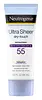
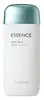
Neutrogena Ultra Sheer® Dry-Touch Sunscreen Broad Spectrum SPF 55 Versus Missha All Around Safe Block Essence Sun Milk SPF50+/PA+++
This chemical sunscreen covers most of the UV range, lighter on the deep UVA that drives aging.
This chemical sunscreen covers the full UV range and blocks ~98% of UVB at SPF 50.


What's inside
What's inside
 Key Ingredients
Benefits
Concerns
Ingredients Side-by-side
Butyl Methoxydibenzoylmethane 3%
UV Absorber
Homosalate 10%
Skin Conditioning
Ethylhexyl Salicylate 5%
UV Absorber
Octocrylene 10%
UV Absorber

Water
Skin ConditioningStyrene/Acrylates Copolymer
Silica
Abrasive


Dimethicone
Emollient

Potassium Cetyl Phosphate
EmulsifyingBenzyl Alcohol
Perfuming




Beeswax
Emulsion Stabilising



Caprylyl Methicone
Skin Conditioning
Glyceryl Stearate
Emollient
PEG-100 Stearate
Surfactant
Cetyl Dimethicone
Emollient
Caprylyl Glycol
Emollient
Ethylhexylglycerin
Skin ConditioningAluminum Starch Octenylsuccinate
Absorbent
Behenyl Alcohol
Emollient
Acrylates/Dimethicone Copolymer
Skin Conditioning
Xanthan Gum
EmulsifyingSodium Polyacrylate
Absorbent
Chlorphenesin
Antimicrobial
Dimethicone/PEG-10/15 Crosspolymer
Hydrolyzed Jojoba Esters
Skin Conditioning
Parfum
Masking
Disodium EDTA
Ethylhexyl Stearate
Emollient
Tocopheryl Acetate
Antioxidant


BHT
Antioxidant
Trideceth-6
EmulsifyingJojoba Esters
Emollient
Butyl Methoxydibenzoylmethane 3%, Homosalate 10%, Ethylhexyl Salicylate 5%, Octocrylene 10%, Water, Styrene/Acrylates Copolymer, Silica, Dimethicone, Potassium Cetyl Phosphate, Benzyl Alcohol, Beeswax, Caprylyl Methicone, Glyceryl Stearate, PEG-100 Stearate, Cetyl Dimethicone, Caprylyl Glycol, Ethylhexylglycerin, Aluminum Starch Octenylsuccinate, Behenyl Alcohol, Acrylates/Dimethicone Copolymer, Xanthan Gum, Sodium Polyacrylate, Chlorphenesin, Dimethicone/PEG-10/15 Crosspolymer, Hydrolyzed Jojoba Esters, Parfum, Disodium EDTA, Ethylhexyl Stearate, Tocopheryl Acetate, BHT, Trideceth-6, Jojoba Esters
Water
Skin ConditioningButylene Glycol
Humectant
Alcohol Denat.
Antimicrobial
Ethylhexyl Methoxycinnamate
UV Absorber
Octocrylene
UV Absorber
Ethylhexyl Salicylate
UV Absorber
Butyl Methoxydibenzoylmethane
UV Absorber
Helichrysum Arenarium Extract
AntiseborrhoeicMethyl Methacrylate Crosspolymer
Bis-Ethylhexyloxyphenol Methoxyphenyl Triazine
Skin Conditioning
Silica
Abrasive
Althaea Rosea Root Extract
HumectantCaprylyl Glycol
Emollient
Glycerin
Humectant
Nylon-12
Ethylhexylglycerin
Skin ConditioningParfum
Masking
Nelumbo Nucifera Flower Extract
Skin ConditioningPortulaca Oleracea Extract
Skin Conditioning

Limonia Acidissima Extract
Skin ConditioningDimethicone
Emollient
Acrylates/C10-30 Alkyl Acrylate Crosspolymer
Emulsion Stabilising1,2-Hexanediol
Skin Conditioning
BHT
Antioxidant
Disodium EDTA
Phenoxyethanol
Preservative
Sodium Hydroxide
BufferingRosa Davurica Bud Extract
Antioxidant
Potassium Sorbate
Preservative
Pentylene Glycol
Skin Conditioning
Chrysanthemum Indicum Flower Extract
Skin Conditioning
Camellia Japonica Flower Extract
EmollientVp/Hexadecene Copolymer
Psidium Guajava Leaf Extract
AstringentAbronia Villosa Leaf Extract
Skin ConditioningAloe Barbadensis Leaf Extract
Emollient
Cinchona Succirubra Bark Extract
Skin ConditioningPrunus Mume Flower Extract
Skin ConditioningCyclopentasiloxane
Emollient
Salvia Officinalis Water
Skin ConditioningCalendula Officinalis Flower Water
Masking
Pelargonium Graveolens Flower Water
AstringentAcrylates/Dimethicone Copolymer
Skin Conditioning
Camellia Sinensis Leaf Extract
Antimicrobial
Rhodiola Rosea Root Extract
EmollientMorus Alba Fruit Extract
Antioxidant
Diospyros Kaki Leaf Extract
Skin Protecting
Pueraria Lobata Root Extract
HumectantCinnamomum Cassia Bark Extract
Masking
Artemisia Princeps Leaf Extract
Skin ConditioningMethoxy PEG/PPG-25/4 Dimethicone
Emulsifying
Bis-PEG/PPG-20/5 PEG/PPG-20/5 Dimethicone
Emulsifying
Caprylic/Capric Triglyceride
Masking
Caprylyl Methicone
Skin Conditioning
Betaine
Humectant
Water, Butylene Glycol, Alcohol Denat., Ethylhexyl Methoxycinnamate, Octocrylene, Ethylhexyl Salicylate, Butyl Methoxydibenzoylmethane, Helichrysum Arenarium Extract, Methyl Methacrylate Crosspolymer, Bis-Ethylhexyloxyphenol Methoxyphenyl Triazine, Silica, Althaea Rosea Root Extract, Caprylyl Glycol, Glycerin, Nylon-12, Ethylhexylglycerin, Parfum, Nelumbo Nucifera Flower Extract, Portulaca Oleracea Extract, Limonia Acidissima Extract, Dimethicone, Acrylates/C10-30 Alkyl Acrylate Crosspolymer, 1,2-Hexanediol, BHT, Disodium EDTA, Phenoxyethanol, Sodium Hydroxide, Rosa Davurica Bud Extract, Potassium Sorbate, Pentylene Glycol, Chrysanthemum Indicum Flower Extract, Camellia Japonica Flower Extract, Vp/Hexadecene Copolymer, Psidium Guajava Leaf Extract, Abronia Villosa Leaf Extract, Aloe Barbadensis Leaf Extract, Cinchona Succirubra Bark Extract, Prunus Mume Flower Extract, Cyclopentasiloxane, Salvia Officinalis Water, Calendula Officinalis Flower Water, Pelargonium Graveolens Flower Water, Acrylates/Dimethicone Copolymer, Camellia Sinensis Leaf Extract, Rhodiola Rosea Root Extract, Morus Alba Fruit Extract, Diospyros Kaki Leaf Extract, Pueraria Lobata Root Extract, Cinnamomum Cassia Bark Extract, Artemisia Princeps Leaf Extract, Methoxy PEG/PPG-25/4 Dimethicone, Bis-PEG/PPG-20/5 PEG/PPG-20/5 Dimethicone, Caprylic/Capric Triglyceride, Caprylyl Methicone, Betaine
Reviews
Ingredients Explained
These ingredients are found in both products.
Ingredients higher up in an ingredient list are typically present in a larger amount.
This polymer has film-forming properties and helps leave behind a soft film on the skin with oxygen permeability.
That's why you'll most likely find this in sunscreen formulations.
BHT is a synthetic antioxidant and preservative.
As an antioxidant, it helps your body fight off free-radicals. Free-radicals are molecules that may damage your skin cells.
As a preservative, it is used to stabilize products and prevent them from degrading. Specifically, BHT prevents degradation from oxidation.
The concerns related to BHT come from oral studies; this ingredient is currently allowed for use by both the FDA and EU.
However, it was recently restricted for use in the UK as of April 2024.
Learn more about BHTAlso known as Avobenzone, this ingredient is an oil-soluble used to absorb the full spectrum of UVA rays (peak 357 nm).
It's one of the most effective UVA filters available but has a major caveat of photostability: avobenzone is susceptible to photodegradation.
This means it can lose efficacy when exposed to sunlight without the help of a stabilizing agent.
Studies show antioxidants (like vitamin E or vitamin C) and some UV filters (like octocrylene and Tinosorb S) can meaningfully improve its stability in a formulation.
The maximum allowable concentration according to regulation is 3% in the US + Canada, and 5% in the EU, Australia, China, Korea, and ASEAN countries.
It has a well-support safety profile: a comprehensive 2025 review found minimal toxicity with no evidence of carcinogenicity.
Overall, avobenzone is a safe and regulated ingredient used in sunscreen for over 40 years.
Learn more about Butyl MethoxydibenzoylmethaneCaprylyl Glycol is a humectant, skin conditioner, emollient, and preservative booster derived from either caprylic acid or synthetically created.
Typical use levels vary from 0.3-1% as a preservative booster and go up to 2% to condition skin.
Because it is not a free-fatty acid, this ingredient is fungal acne safe (there's nothing for Malassezia to feed on).
Learn more about Caprylyl GlycolCaprylyl Methicone is a synthetic and lightweight silicone fluid. It gives products a silky, dry-touch finish without the heaviness of pure oils.
Though the EU CosIng Database lists this ingredient as a skin conditioner, it is also used for sensory reasons. It spreads easily, cuts greasiness, and reduces tackiness.
This ingredient is volatile which means it will mostly evaporate (but it evaporates slower than older cyclomethicones, like Cyclotetrasiloxane).
Typical concentration ranges from 1-30% depending on if it's being used to tweak the feel of a product or acting as the main emollient.
Learn more about Caprylyl MethiconeDimethicone is a type of synthetic silicone created from natural materials such as quartz. It is also known as polydimethylsiloxane.
What it does:
Dimethicone comes in different viscosities:
Depending on the viscosity, dimethicone has different properties.
Ingredients lists don't always show which type is used, so we recommend reaching out to the brand if you have questions about the viscosity.
This ingredient is unlikely to cause irritation because it does not get absorbed into skin. However, people with silicone allergies should be careful about using this ingredient.
Note: Dimethicone may contribute to pilling. This is because it is not oil or water soluble, so pilling may occur when layered with products. When mixed with heavy oils in a formula, the outcome is also quite greasy.
Learn more about DimethiconeDisodium EDTA is a chelating agent. It grabs onto and deactivates metal ions that sneak into your products from water, packaging, or air.
This ingredient mainly works behind the scenes and helps with:
On top of that, this ingredient can counteract the effects of hard water by binding to the minerals in it.
One thing worth knowing is that Disodium EDTA has been shown to be a mild penetration enhancer. It can help other ingredients absorb into skin more effectively which can be a double-edged sword (great for actives, but can also make the active too strong if you have sensitive skin).
Clinical patch testing showed no significant skin irritation at typical use concentrations and minimal dermal absorption.
You'll most likely see this ingredient near the end of an ingredient list. It's typically found in concentrations less than 1%.
Learn more about Disodium EDTAEthylhexyl Salicylate (also called Octisalate or Octyl Salicylate) is an oil-soluble organic UV filter that's been used in sunscreen since the 1950's.
It absorbs UVB light in the 280-320 nm range with a peak absorbance around 306 nm.
You'll often see it paired with other UV filters to boost overall SPF because octisalate is a fairly week filter on its own.
The reason you'll see it so often is because it can help solubilize and stabilize the trickier filters like oxybenzone and avobenzone.
Unlike these filters, octisalate has pretty good photostability and doesn't create skin-damaging free radicals when exposed to sunlight.
The fatty-alcohol part of the molecule also gives it a light, emollient feel so it doubles as a nice texture enhancer.
Usage levels vary around the world:
Safety-wise, this ingredient has a pretty reassuring track record. The EU's Scientific Committee on Consumer Products (SCCP) found very low skin penetration in human skin tests and negative results for irritation, phototoxicity, and photoallergy.
The real-world allergy risk is pretty low too; a 2012 European study of 1,031 people recorded only 2 reactions to it (a rate of 0.19%).
You might have seen scary headlines about sunscreen getting into your blood.
In 2019, the FDA found that several chemical filters can absorb through the skin and show up in the bloodstream at small but measurable levels.
Here's the important part: these tiny levels are just a cutoff the FDA uses to decide which ingredients need more testing and doesn't mean anything harmful was found.
The researchers were clear that the results are no reason to stop wearing sunscreen.
Learn more about Ethylhexyl SalicylateEthylhexylglycerin is created from glycerin. It is a multitasker ingredient that:
The CIR Expert Panel found minimal skin absorption or sensitization of any kind in a safety assessment. Though this ingredient is considered well-tolerated, a small number of cases of allergic dermatitis have been published since 2002. Just be sure to patch test if you are unsure.
Industry-reported use ranges from 8% in rinse-off products and 2% in leave-on formulations.
Learn more about EthylhexylglycerinOctocrylene is an oil-soluble organic UV filter that mainly absorbs UVB and short wave UVA II light.
Its real superpower is teamwork: octocrylene is remarkably photostable and is most famous for stabilizing avobenzone (the workhorse UVA filter).
This ingredient is commonly used to enhance both UVB and UVA protection due to its unique property in stabilizing avobenzone. It also pulls double duty by boosting water resistance and giving formulas a smooth, spreadable feel.
The EU's Scientific Committee on Consumer Safety (SCCS) has deemed octocrylene to be safe as a UV-filter at concentrations up to 10% (capped at 9% in propellant sprays). The US also permits it up to 10%.
Two things worth knowing:
You'll usually see this ingredient used in concentrations between 2-10% (higher amounts when used as a stabilizer for avobenzone).
Learn more about OctocryleneParfum is a catch-all term for an ingredient or more that is used to give a scent to products.
Also called "fragrance", this ingredient can be a blend of hundreds of chemicals or plant oils. This means every product with "fragrance" or "parfum" in the ingredients list is a different mixture.
For instance, Habanolide is a proprietary trade name for a specific aroma chemical. When used as a fragrance ingredient in cosmetics, most aroma chemicals fall under the broad labeling category of “FRAGRANCE” or “PARFUM” according to EU and US regulations.
The term 'parfum' or 'fragrance' is not regulated in many countries. In many cases, it is up to the brand to define this term.
For instance, many brands choose to label themselves as "fragrance-free" because they are not using synthetic fragrances. However, their products may still contain ingredients such as essential oils that are considered a fragrance by INCI standards.
One example is Calendula flower extract. Calendula is an essential oil that still imparts a scent or 'fragrance'.
Depending on the blend, the ingredients in the mixture can cause allergies and sensitivities on the skin. Some ingredients that are known EU allergens include linalool and citronellol.
Parfum can also be used to mask or cover an unpleasant scent.
The bottom line is: not all fragrances/parfum/ingredients are created equally. If you are worried about fragrances, we recommend taking a closer look at an ingredient. And of course, we always recommend speaking with a professional.
Learn more about ParfumSilica, also known as silicon dioxide, is a naturally occurring mineral. It is used as a fine, spherical, and porous powder in cosmetics.
Though it has exfoliant properties, the function of silica varies depending on the product.
The unique structure of silica enhances the spreadability and adds smoothness, making it a great texture enhancer.
It is also used as an active carrier, emulsifier, and mattifier due to its ability to absorb excess oil.
In some products, tiny microneedles called spicules are made from silica or hydrolyzed sponge. When you rub them in, they lightly polish away dead skin layers and enhance the penetration of active ingredients.
Learn more about SilicaWater. It's the most common cosmetic ingredient of all. You'll usually see it at the top of ingredient lists, meaning that it makes up the largest part of the product.
So why is it so popular? Water most often acts as a solvent - this means that it helps dissolve other ingredients into the formulation.
You'll also recognize water as that liquid we all need to stay alive. If you see this, drink a glass of water. Remember to stay hydrated!
Learn more about Water

