
What's inside
What's inside
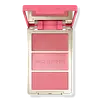 Key Ingredients
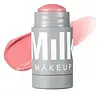
Benefits
Concerns
Ingredients Side-by-side
Phenyl Trimethicone
Skin Conditioning
Triisostearyl Citrate
EmollientPPG-3 Benzyl Ether Myristate
EmollientSynthetic Wax
Abrasive

Dipentaerythrityl Hexahydroxystearate/Hexastearate/Hexarosinate
Skin ConditioningMica
Cosmetic ColorantDiisostearyl Malate
EmollientVinyl Dimethicone/Methicone Silsesquioxane Crosspolymer

Ethylhexyl Palmitate
Emollient



Ethylhexyl Stearate
Emollient
Silica
Abrasive
Polybutene
Disteardimonium Hectorite
StabilisingOctyldodecanol
Emollient
Phenoxyethanol
Preservative
Propylene Carbonate
SolventEthylhexylglycerin
Skin ConditioningPentaerythrityl Tetra-Di-T-Butyl Hydroxyhydrocinnamate
Antioxidant
Water
Skin ConditioningButylene Glycol
Humectant

Dioscorea Opposita Root Extract
Skin ConditioningKaolin
Abrasive
Tin Oxide
Abrasive
CI 77891
Cosmetic ColorantCI 15850
Cosmetic ColorantCI 45410
Cosmetic ColorantCI 42090
Cosmetic ColorantCI 77491
Cosmetic ColorantCI 77492
Cosmetic ColorantCI 77499
Cosmetic ColorantDatem
EmollientMaltodextrin
Absorbent
CI 19140
Cosmetic ColorantCI 75470
Cosmetic ColorantCaprylic/Capric Triglyceride
Masking
Synthetic Fluorphlogopite
Simmondsia Chinensis Seed Oil
Emollient

Synthetic Beeswax
Emulsion Stabilising
Calcium Aluminum Borosilicate
Helianthus Annuus Seed Wax
Skin Conditioning
Dicaprylyl Carbonate
EmollientSorbitan Isostearate
Emulsifying
Glyceryl Caprylate
EmollientStearalkonium Hectorite
Gel FormingVitis Vinifera Seed Oil
Emollient
Sorbitan Sesquioleate
Emulsifying
Helianthus Annuus Seed Oil
Emollient
Aluminum Hydroxide
EmollientMangifera Indica Seed Butter
Skin Conditioning
Butyrospermum Parkii Butter
Skin Conditioning
Tocopherol
Antioxidant



CI 15985
Cosmetic ColorantPEG-12 Dimethicone
Skin Conditioning
Magnesium Myristate
Magnesium Stearate
Cosmetic ColorantPolymethylsilsesquioxane
Squalane
Emollient
Tocopheryl Acetate
Antioxidant
Hydrolyzed Silk
Humectant
Caprylyl Glycol
Emollient
Triethoxycaprylylsilane
CI 77007
Cosmetic ColorantPhenyl Trimethicone, Triisostearyl Citrate, PPG-3 Benzyl Ether Myristate, Synthetic Wax, Dipentaerythrityl Hexahydroxystearate/Hexastearate/Hexarosinate, Mica, Diisostearyl Malate, Vinyl Dimethicone/Methicone Silsesquioxane Crosspolymer, Ethylhexyl Palmitate, Ethylhexyl Stearate, Silica, Polybutene, Disteardimonium Hectorite, Octyldodecanol, Phenoxyethanol, Propylene Carbonate, Ethylhexylglycerin, Pentaerythrityl Tetra-Di-T-Butyl Hydroxyhydrocinnamate, Water, Butylene Glycol, Dioscorea Opposita Root Extract, Kaolin, Tin Oxide, CI 77891, CI 15850, CI 45410, CI 42090, CI 77491, CI 77492, CI 77499, Datem, Maltodextrin, CI 19140, CI 75470, Caprylic/Capric Triglyceride, Synthetic Fluorphlogopite, Simmondsia Chinensis Seed Oil, Synthetic Beeswax, Calcium Aluminum Borosilicate, Helianthus Annuus Seed Wax, Dicaprylyl Carbonate, Sorbitan Isostearate, Glyceryl Caprylate, Stearalkonium Hectorite, Vitis Vinifera Seed Oil, Sorbitan Sesquioleate, Helianthus Annuus Seed Oil, Aluminum Hydroxide, Mangifera Indica Seed Butter, Butyrospermum Parkii Butter, Tocopherol, CI 15985, PEG-12 Dimethicone, Magnesium Myristate, Magnesium Stearate, Polymethylsilsesquioxane, Squalane, Tocopheryl Acetate, Hydrolyzed Silk, Caprylyl Glycol, Triethoxycaprylylsilane, CI 77007
Ricinus Communis Seed Oil
Masking
Persea Gratissima Oil
Skin Conditioning
Ethylhexyl Palmitate
Emollient
Helianthus Annuus Seed Wax
Skin Conditioning
Euphorbia Cerifera Cera
Astringent
C12-15 Alkyl Benzoate
AntimicrobialIsononyl Isononanoate
EmollientSilica
Abrasive
Parfum
Masking

Citrus Aurantium Dulcis Peel Wax
Skin ConditioningMangifera Indica Seed Butter
Skin Conditioning
Prunus Armeniaca Kernel Oil
Masking
Tocopheryl Acetate
Antioxidant
Hydrogenated Vegetable Oil
Emollient
Mica
Cosmetic ColorantStearalkonium Hectorite
Gel FormingIsopropyl Myristate
Emollient
Polyhydroxystearic Acid
Emulsifying
Bis-Stearyl Dimethicone
Emollient
Isopropyl Titanium Triisostearate
Emollient
Synthetic Fluorphlogopite
Tin Oxide
Abrasive
Palmitic Acid
Emollient
Limonene
Perfuming
Linalool
Perfuming
CI 77891
Cosmetic ColorantCI 77492
Cosmetic ColorantCI 15850
Cosmetic ColorantCI 73360
Cosmetic ColorantCI 19140
Cosmetic ColorantRicinus Communis Seed Oil, Persea Gratissima Oil, Ethylhexyl Palmitate, Helianthus Annuus Seed Wax, Euphorbia Cerifera Cera, C12-15 Alkyl Benzoate, Isononyl Isononanoate, Silica, Parfum, Citrus Aurantium Dulcis Peel Wax, Mangifera Indica Seed Butter, Prunus Armeniaca Kernel Oil, Tocopheryl Acetate, Hydrogenated Vegetable Oil, Mica, Stearalkonium Hectorite, Isopropyl Myristate, Polyhydroxystearic Acid, Bis-Stearyl Dimethicone, Isopropyl Titanium Triisostearate, Synthetic Fluorphlogopite, Tin Oxide, Palmitic Acid, Limonene, Linalool, CI 77891, CI 77492, CI 15850, CI 73360, CI 19140
Reviews
Ingredients Explained
These ingredients are found in both products.
Ingredients higher up in an ingredient list are typically present in a larger amount.
Ci 15850 is the pigment color red. It is an azo dye and created synthetically.
Azo dyes need to be thoroughly purified before use. This allows them to be more stable and longer-lasting.
This ingredient is common in foundations, lipsticks, and blushes. This color is described as brown/orangey red.
It has many secondary names such as Red 6 and Red 7. According to a manufacturer, Red 6 usually contains aluminum.
Learn more about CI 15850CI 19140 is also known as Tartrazine. Tartrazine is a synthetic dye used in cosmetics, foods, and medicine to add a yellow color.
Tartrazine is created from petroleum and is water-soluble.
Some people may experience allergies from this dye, especially asthmatics and those with an aspirin intolerance.
Learn more about CI 19140CI 77492 is also hydrated iron III oxide. It's sole purpose is to give a yellow hue to products.
Iron III oxides are classified as inorganic chemicals for coloring.
Synthetically created CI 77492 is considered safer than those naturally found. This is because the synthetically created version may contain less impurities. Iron oxides are generally non-toxic and non-allergenic.
Learn more about CI 77492Ci 77891 is a white pigment from Titanium dioxide. It is naturally found in minerals such as rutile and ilmenite.
It's main function is to add a white color to cosmetics. It can also be mixed with other colors to create different shades.
Ci 77891 is commonly found in sunscreens due to its ability to block UV rays.
Learn more about CI 77891Ethylhexyl Palmitate, also known as octyl palmitate, is created from 2-ethylhexyl alcohol and palmitic acid.
In cosmetics, it plays many roles:
One thing worth noting: a controlled study found this ingredient applied under occlusion to acne-prone subjects increased microcomedones. Just keep in mind this was under occlusive conditions and don't reflect how most products are used day-to-day.
For most people, this is a well-tolerated and lightweight ingredient.
This ingredient may not be fungal acne safe because it is an ester of palmitic acid, a C16 fatty acid that falls within the C11-24 range that Malassezia can metabolize.
You'll see this one rated 4 comedogenic all over the internet. That number isn't from a single study, and the actual research is more interesting.
The original rating comes from 1980s rabbit ear tests (which are a shaky basis for anything). But Ethylhexyl Palmitate is one of the few ingredients with real human data behind it. A 2021 controlled trial found this ingredient increased microcomedones by an average of 365% over four weeks.
Just know that test used the pure ingredient under an occlusive pad on back skin; most products use it at much lower levels alongside other ingredients and plenty of people use those with no issue.
Learn more about Ethylhexyl PalmitateHelianthus Annuus Seed Wax is created from the common sunflower.
Sunflower seed wax is made up of long chain non-glyceride esters, a small amount of fatty alcohols, and fatty acids.
This ingredient is often used to enhance the texture of products. The fatty acid properties also help hydrate the skin.
Learn more about Helianthus Annuus Seed WaxThough this ingredient might sound like a juicy fruit extract, it's actually the fat pressed from the mango seed kernel (or the pit).
In skincare, it behaves more like shea butter and cocoa butter than like a plant active.
The fatty acid makeup of mango seed butter makes it special; it's typically rich in stearic acid and oleic acid, with small amounts of palmitic and linoleic acid.
This combo helps it melt on skin, feel creamy, and leave behind a protective "seal" that slows down water loss.
It also contains a small amount of "extras" like tocopherols (vitamin E) and phytosterols, which are often used to support skin soothing.
Due to its fatty acid content (like oleic acid), this ingredient may not be fungal acne safe. In vitro studies have shown that Oleic Acid is one of the fatty acids that induce rapid Malassezia growth in lab settings.
Learn more about Mangifera Indica Seed ButterMica is a naturally occurring mineral used to add shimmer and color in cosmetics. It can also help improve the texture of a product or give it an opaque, white/silver color.
Serecite is the name for very fine but ragged grains of mica.
This ingredient is often coated with metal oxides like titanium dioxide. Trace amounts of heavy metals may be found in mica, but these metals are not harmful in our personal products.
Mica has been used since prehistoric times throughout the world. Ancient Egyptian, Indian, Greek, Roman, Aztec, and Chinese civilizations have used mica.
Learn more about MicaSilica, also known as silicon dioxide, is a naturally occurring mineral. It is used as a fine, spherical, and porous powder in cosmetics.
Though it has exfoliant properties, the function of silica varies depending on the product.
The unique structure of silica enhances the spreadability and adds smoothness, making it a great texture enhancer.
It is also used as an active carrier, emulsifier, and mattifier due to its ability to absorb excess oil.
In some products, tiny microneedles called spicules are made from silica or hydrolyzed sponge. When you rub them in, they lightly polish away dead skin layers and enhance the penetration of active ingredients.
Learn more about SilicaStearalkonium Hectorite is a clay-derived ingredient used to thicken a product and help create a gel-like texture.
Synthetic Fluorphlogopite is the synthethic version of mica. It consists of fluorine, aluminum and silicate.
Synthetic Fluorphlogopite is used to add volume to products.
It is considered non-irritating on the skin.
Learn more about Synthetic FluorphlogopiteTin Oxide is an inorganic oxide used to add opacity and volume to a product. In nature, it is already found in mineral form. The main ore of tin is an opaque and shiny mineral called casseterite.
Tin Oxide helps remove translucency in a product, or make it more opaque. Besides adding opacity, tin oxide is used for bulking to add volume.
Tocopheryl Acetate is a stable, shelf-friendly form of vitamin E.
Formulators love it because plain vitamin E oxidizes quickly once it hits air. This acetate version stays stable and resists going off, helping to extend a product's shelf life.
It's actually inactive on its own and works like a slow-release "storage" form; the enzymes in your skin called esterases gradually convert it into active vitamin E over time.
One in vivo study showed 5% of the acetate in the living layer of the epidermis converted to vitamin E after 5 days of application. This study also found the skin gained protection against UV damage even though the conversion was slow and small.
Once converted, vitamin E acts as a skin's main fat-soluble antioxidant that fights free radicals to protect skin from damage.
Topical vitamin E generally boosts the skin's photoprotection, and it reduced UV-damage in animal models.
This ingredient has some brightening potential but it's more of a prevention ingredient than spot-fader. Cell studies show it can slow down melanin production but it's worth noting that it's not the most powerful brightener out there.
Overall, it has a pretty solid safety profile and has been found to be non-irritating and non-comedogenic. Allergic reactions may happen but stay rare due to how widely the ingredient gets used.
The concentration will vary depending on the formula; industry data shows 0.1% in baby lotions, 3% in lipsticks, and 5% in foot powders. You can also find this ingredient at 100% in a pure vitamin E oil.
Most leave-on skincare keeps it at the lower end, often between 0.5-1%.
Learn more about Tocopheryl Acetate

