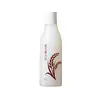
This brightening toner is formulated around Niacinamide and Oryza Sativa Extract to brighten dull-looking skin and hydrate skin.
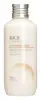
This hydrating emulsion is formulated around Oryza Sativa Extract and Ceramide NP to hydrate skin and strengthen the skin barrier.

What's inside
What's inside
 Key Ingredients
Benefits
Concerns
Ingredients Side-by-side
Oryza Sativa Bran Water 85%
Masking
Butylene Glycol
Humectant

Glycerin
Humectant
1,2-Hexanediol
Skin Conditioning
Niacinamide
Smoothing









Glyceryl Glucoside
Humectant
Water
Skin ConditioningAllantoin
Skin Conditioning
Panthenol
Skin Conditioning
Styrene/Vp Copolymer
Diphenyl Dimethicone
Emollient
Carbomer
Emulsion StabilisingTriethylhexanoin
MaskingTocopheryl Acetate
Antioxidant

Ethylhexylglycerin
Skin ConditioningAdenosine
Skin Conditioning
Disodium EDTA
ChelatingHydrolyzed Hyaluronic Acid
Humectant
Polyglyceryl-10 Oleate
Skin Conditioning

Gluconolactone
Chelating
Hydrolyzed Sodium Hyaluronate
Skin Conditioning
Propanediol
Solvent
Polyglyceryl-10 Laurate
Skin Conditioning
Bifida Ferment Lysate
Skin Conditioning
Lactobacillus Ferment Filtrate
Skin ConditioningLactococcus Ferment
Skin ConditioningLactobacillus/Streptococcus Thermophilus/Soybean Extract Ferment
EmollientPalmitoyl Olive Leaf Extract
Antioxidant
Oryza Sativa Extract
Absorbent
Glycine Soja Seed Extract
Skin Conditioning
Panax Ginseng Root Extract
Emollient
Barm Extract
Skin ConditioningLactobacillus
Skin ConditioningLactobacillus/Rice Ferment Filtrate
Skin ConditioningSaccharomyces/Grape Ferment Extract
Skin Conditioning
Saccharomyces/Camellia Sinensis Leaf Ferment Filtrate
Skin Conditioning
Zea Mays Silk Extract
Skin ConditioningCamellia Sinensis Leaf Extract
Antimicrobial
Donkey Oil
Emollient
Perilla Frutescens Leaf Extract
MaskingPropolis Extract
Skin Conditioning
Sodium Hyaluronate
Humectant
Nelumbo Nucifera Flower Extract
Skin ConditioningAscorbyl Hyaluronate

Oryza Sativa Bran Water 85%, Butylene Glycol, Glycerin, 1,2-Hexanediol, Niacinamide, Glyceryl Glucoside, Water, Allantoin, Panthenol, Styrene/Vp Copolymer, Diphenyl Dimethicone, Carbomer, Triethylhexanoin, Tocopheryl Acetate, Ethylhexylglycerin, Adenosine, Disodium EDTA, Hydrolyzed Hyaluronic Acid, Polyglyceryl-10 Oleate, Gluconolactone, Hydrolyzed Sodium Hyaluronate, Propanediol, Polyglyceryl-10 Laurate, Bifida Ferment Lysate, Lactobacillus Ferment Filtrate, Lactococcus Ferment, Lactobacillus/Streptococcus Thermophilus/Soybean Extract Ferment, Palmitoyl Olive Leaf Extract, Oryza Sativa Extract, Glycine Soja Seed Extract, Panax Ginseng Root Extract, Barm Extract, Lactobacillus, Lactobacillus/Rice Ferment Filtrate, Saccharomyces/Grape Ferment Extract, Saccharomyces/Camellia Sinensis Leaf Ferment Filtrate, Zea Mays Silk Extract, Camellia Sinensis Leaf Extract, Donkey Oil, Perilla Frutescens Leaf Extract, Propolis Extract, Sodium Hyaluronate, Nelumbo Nucifera Flower Extract, Ascorbyl Hyaluronate
Water
Skin ConditioningGlycerin
Humectant
Dipropylene Glycol
HumectantCaprylic/Capric Triglyceride
Masking
Hydrogenated Polydecene
EmollientBetaine
Humectant
Polyglyceryl-3 Methylglucose Distearate
Emulsifying
Cyclopentasiloxane
Emollient
Panthenol
Skin Conditioning
Oryza Sativa Extract
Absorbent
Di-C12-13 Alkyl Malate
EmollientCetyl Ethylhexanoate
EmollientCetearyl Alcohol
Emollient



Butyrospermum Parkii Butter
Skin Conditioning
1,2-Hexanediol
Skin Conditioning
Oryza Sativa Bran Oil
Emollient
Ceramide NP
Skin Conditioning
Glycosphingolipids
EmollientCyclohexasiloxane
Emollient
PEG-100 Stearate
Surfactant
Glyceryl Stearate
Emollient
Caprylic/Capric Glycerides
EmollientDimethicone
Emollient
Phenoxyethanol
Preservative
Lecithin
Emollient
Dimethicone/Vinyl Dimethicone Crosspolymer
Skin Conditioning
Acrylates/C10-30 Alkyl Acrylate Crosspolymer
Emulsion StabilisingEthylhexylglycerin
Skin ConditioningPotassium Hydroxide
BufferingCarbomer
Emulsion StabilisingTrisodium EDTA
ChelatingSodium Hyaluronate
Humectant
Isoceteth-25
EmulsifyingIsoceteth-10
EmulsifyingPolyglyceryl-10 Oleate
Skin Conditioning
Parfum
Masking

Water, Glycerin, Dipropylene Glycol, Caprylic/Capric Triglyceride, Hydrogenated Polydecene, Betaine, Polyglyceryl-3 Methylglucose Distearate, Cyclopentasiloxane, Panthenol, Oryza Sativa Extract, Di-C12-13 Alkyl Malate, Cetyl Ethylhexanoate, Cetearyl Alcohol, Butyrospermum Parkii Butter, 1,2-Hexanediol, Oryza Sativa Bran Oil, Ceramide NP, Glycosphingolipids, Cyclohexasiloxane, PEG-100 Stearate, Glyceryl Stearate, Caprylic/Capric Glycerides, Dimethicone, Phenoxyethanol, Lecithin, Dimethicone/Vinyl Dimethicone Crosspolymer, Acrylates/C10-30 Alkyl Acrylate Crosspolymer, Ethylhexylglycerin, Potassium Hydroxide, Carbomer, Trisodium EDTA, Sodium Hyaluronate, Isoceteth-25, Isoceteth-10, Polyglyceryl-10 Oleate, Parfum
Reviews
Ingredients Explained
These ingredients are found in both products.
Ingredients higher up in an ingredient list are typically present in a larger amount.
1,2-Hexanediol is a synthetic liquid and another multi-functional powerhouse.
It is a:
- Humectant, drawing moisture into the skin
- Emollient, helping to soften skin
- Solvent, dispersing and stabilizing formulas
- Preservative booster, enhancing the antimicrobial activity of other preservatives
Carbomer is a synthetic thickening and gelling agent. It's basically the ingredient that gives a lot of serums, gels, creams, and sunscreens their smooth, non-sticky texture.
Although legally permitted at very high levels, carbomers are normally used at concentrations below 1%.
It also needs to be neutralized to actually thicken, and because it is a large molecule, it doesn't really penetrate the skin barrier.
Allergy-wise, the risk is very low. Clinical studies show carbomers have low potential for skin irritation/sensitization even at concentrations up to 100%.
A 2024 UK study patch-tested 1,302 patients and found true allergy to the parent group of carbomer to be rare with no confirmed relevant reactions.
Learn more about CarbomerEthylhexylglycerin is created from glycerin. It is a multitasker ingredient that:
The CIR Expert Panel found minimal skin absorption or sensitization of any kind in a safety assessment. Though this ingredient is considered well-tolerated, a small number of cases of allergic dermatitis have been published since 2002. Just be sure to patch test if you are unsure.
Industry-reported use ranges from 8% in rinse-off products and 2% in leave-on formulations.
Learn more about EthylhexylglycerinGlycerin (or glycerol) is a compound naturally found in your skin. It's a powerhouse humectant that pulls water into the stratum corneum.
Topically, glycerin does several things at once:
Your skin makes glycerin on its own (mostly from sebaceous oil breakdown) and shuttles it to your outermost layer of skin, or your epidermis, via aquaporin-3.
Aquaporin-3 is a transporter that is essential for normal skin hydration, elasticity, and repair. Interestingly, mice lacking in AQP3 have dry and less elastic skin that can be fully corrected with glycerin.
This ingredient is non-irritating, plays well with almost every ingredient, and works across all skin types. Typical use is anywhere between 3-10% but can go up to 79% in some leave-on products.
Just know very high concentrations (>40%) can feel tacky in low humidity.
Glycerin is the name for this ingredient in American English. British English uses Glycerol/Glycerine.
Learn more about GlycerinOryza Sativa Extract comes from the rice grain, Oryza sativa. Rice extract has wound healing, antioxidant, anti-inflammatory, and hydrating properties.
Rice grains contain numerous antioxidants which may help with anti-aging, such as vitamin E. Antioxidants help stabilize free-radical molecules. Unstable free-radical molecules may damage your skin cells and accelerate signs of aging.
A study from 2002 found rice to help increase the rate of wound healing. The same study found an improvement of skin barrier function in the patients after taking rice baths.
Numerous in-vitro studies have found rice water to help decrease sun damage by increasing collagen production and inhibiting the process of tyrosinase.
Long story short- tyrosinase is an enzyme that controls melanin production. Our bodies start producing melanin (AKA tanning) when exposed to UV radiation to protect against damage. Rice water is found to partially block this process.
Though more research is needed on rice's ability to help with UV protection, recent studies seem promising.
Wondering why rice is hydrating? The protein in rice have emollient properties. Emollients create a barrier on the skin to trap moisture in, keeping your skin moisturized.
Some rice extract may have mildly-exfoliating properties. These are mainly limited to Oryza Sativa (Rice) Bran and Oryza Sativa (Rice) Germ Powder.
This rice was first cultivated in China over 10,000 years ago. Many cultures throughout Asia have used rice water on skin and hair for centuries.
Learn more about Oryza Sativa ExtractPanthenol is a common ingredient that helps hydrate and soothe the skin. It is found naturally in our skin and hair.
There are two forms of panthenol: D and L.
D-panthenol is also known as dexpanthenol. Most cosmetics use dexpanthenol or a mixture of D and L-panthenol.
Panthenol is famous due to its ability to go deeper into the skin's layers. Using this ingredient has numerous pros (and no cons):
Like hyaluronic acid, panthenol is a humectant. Humectants are able to bind and hold large amounts of water to keep skin hydrated.
This ingredient works well for wound healing. It works by increasing tissue in the wound and helps close open wounds.
Once oxidized, panthenol converts to pantothenic acid. Panthothenic acid is found in all living cells.
This ingredient is also referred to as pro-vitamin B5.
Learn more about PanthenolPolyglyceryl-10 Oleate is made by combining ten units of glycerin with oleic acid.
According to a manufacturer, it is a low-irritation and hydrophilic (water loving) skin conditioning agent. It also improves the sensory feel and texture of a product.
Fungal acne note:
Since this ingredient is made from oleic acid, it might not be fungal acne safe. The Malassezia yeast survives by eating certain fats, including oleic acid.
However, it should be noted this oleic acid is chemically bound to a large polyglycerol molecule, so it might not trigger fungal acne for everyone.
Learn more about Polyglyceryl-10 OleateSodium Hyaluronate is the salt form of hyaluronic acid. It is a long sugar chain that is naturally found in your skin, joints, and connective tissue that maintains hydration and elasticity.
In skincare, it works as a humectant. It pulls water from the environment and deeper layers of skin and binds it to the surface.
Interestingly, the size of the molecule affects its behavior:
Some clinical evidence links low molecular weight versions to improved wrinkle depth, elasticity, anti-inflammatory effects, and barrier repair.
Many serums use a blend of both weights so you can get surface hydration plus longer-lasting and deeper effects.
You'll typically see concentrations between 0.1-2% for this ingredient.
Learn more about Sodium HyaluronateWater. It's the most common cosmetic ingredient of all. You'll usually see it at the top of ingredient lists, meaning that it makes up the largest part of the product.
So why is it so popular? Water most often acts as a solvent - this means that it helps dissolve other ingredients into the formulation.
You'll also recognize water as that liquid we all need to stay alive. If you see this, drink a glass of water. Remember to stay hydrated!
Learn more about Water

