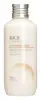
This hydrating emulsion is formulated around Oryza Sativa Extract and Ceramide NP to hydrate skin and strengthen the skin barrier.
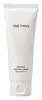
This calming moisturizer is formulated around Centella Asiatica Extract and Beta-Glucan to calm redness and strengthen the skin barrier.

What's inside
What's inside
 Key Ingredients
No key ingredients
Benefits
Concerns
No concerns
Ingredients Side-by-side
Water
Skin ConditioningGlycerin
Humectant


Dipropylene Glycol
HumectantCaprylic/Capric Triglyceride
Masking
Hydrogenated Polydecene
EmollientBetaine
Humectant
Polyglyceryl-3 Methylglucose Distearate
Emulsifying

Cyclopentasiloxane
Emollient
Panthenol
Skin Conditioning
Oryza Sativa Extract
Absorbent

Di-C12-13 Alkyl Malate
EmollientCetyl Ethylhexanoate
EmollientCetearyl Alcohol
Emollient



Butyrospermum Parkii Butter
Skin Conditioning
1,2-Hexanediol
Skin Conditioning
Oryza Sativa Bran Oil
Emollient
Ceramide NP
Skin Conditioning
Glycosphingolipids
EmollientCyclohexasiloxane
Emollient
PEG-100 Stearate
Surfactant
Glyceryl Stearate
Emollient
Caprylic/Capric Glycerides
EmollientDimethicone
Emollient
Phenoxyethanol
Preservative
Lecithin
Emollient
Dimethicone/Vinyl Dimethicone Crosspolymer
Skin Conditioning
Acrylates/C10-30 Alkyl Acrylate Crosspolymer
Emulsion StabilisingEthylhexylglycerin
Skin ConditioningPotassium Hydroxide
BufferingCarbomer
Emulsion StabilisingTrisodium EDTA
ChelatingSodium Hyaluronate
Humectant
Isoceteth-25
EmulsifyingIsoceteth-10
EmulsifyingPolyglyceryl-10 Oleate
Skin Conditioning
Parfum
Masking


Water, Glycerin, Dipropylene Glycol, Caprylic/Capric Triglyceride, Hydrogenated Polydecene, Betaine, Polyglyceryl-3 Methylglucose Distearate, Cyclopentasiloxane, Panthenol, Oryza Sativa Extract, Di-C12-13 Alkyl Malate, Cetyl Ethylhexanoate, Cetearyl Alcohol, Butyrospermum Parkii Butter, 1,2-Hexanediol, Oryza Sativa Bran Oil, Ceramide NP, Glycosphingolipids, Cyclohexasiloxane, PEG-100 Stearate, Glyceryl Stearate, Caprylic/Capric Glycerides, Dimethicone, Phenoxyethanol, Lecithin, Dimethicone/Vinyl Dimethicone Crosspolymer, Acrylates/C10-30 Alkyl Acrylate Crosspolymer, Ethylhexylglycerin, Potassium Hydroxide, Carbomer, Trisodium EDTA, Sodium Hyaluronate, Isoceteth-25, Isoceteth-10, Polyglyceryl-10 Oleate, Parfum
Water
Skin ConditioningGlycerin
Humectant
Butylene Glycol
Humectant
Hydrogenated Polydecene
EmollientCaprylyl Methicone
Skin Conditioning
Betaine
Humectant
1,2-Hexanediol
Skin Conditioning
Glycereth-26
Humectant
Centella Asiatica Extract
Cleansing
Beta-Glucan
Skin Conditioning
Acrylates/C10-30 Alkyl Acrylate Crosspolymer
Emulsion StabilisingDipotassium Glycyrrhizate
Humectant
Pvm/Ma Copolymer
Emulsion StabilisingGlyceryl Acrylate/Acrylic Acid Copolymer
HumectantCaprylyl Glycol
Emollient
Arginine
Masking
Xanthan Gum
EmulsifyingHydroxyethyl Acrylate/Sodium Acryloyldimethyl Taurate Copolymer
Emulsion StabilisingEthylhexylglycerin
Skin ConditioningDisodium EDTA
ChelatingWater, Glycerin, Butylene Glycol, Hydrogenated Polydecene, Caprylyl Methicone, Betaine, 1,2-Hexanediol, Glycereth-26, Centella Asiatica Extract, Beta-Glucan, Acrylates/C10-30 Alkyl Acrylate Crosspolymer, Dipotassium Glycyrrhizate, Pvm/Ma Copolymer, Glyceryl Acrylate/Acrylic Acid Copolymer, Caprylyl Glycol, Arginine, Xanthan Gum, Hydroxyethyl Acrylate/Sodium Acryloyldimethyl Taurate Copolymer, Ethylhexylglycerin, Disodium EDTA
Reviews
Ingredients Explained
These ingredients are found in both products.
Ingredients higher up in an ingredient list are typically present in a larger amount.
1,2-Hexanediol is a synthetic liquid and another multi-functional powerhouse.
It is a:
- Humectant, drawing moisture into the skin
- Emollient, helping to soften skin
- Solvent, dispersing and stabilizing formulas
- Preservative booster, enhancing the antimicrobial activity of other preservatives
Acrylates/C10-30 Alkyl Acrylate Crosspolymer is a synthetic polymer. It is used to thicken, emulsify, and improve the texture of products.
As an emulsifier, it helps stabilize oil-in-water emulsions to give products an elegant feel when applied.
It can also form a thin protective film on skin. One study found that a formula using this polymer helped slow down how quickly other ingredients (like DEET) were absorbed through skin.
A 2024 study of over 1,300 patients confirmed that sensitization to this ingredient is rare. It is also non-mutagenic and has a clean track record.
Learn more about Acrylates/C10-30 Alkyl Acrylate CrosspolymerBetaine is a humectant. Like hyaluronic acid, it helps attract and retain moisture in the skin. It’s known for being gentle and for helping the skin maintain balanced hydration.
Betaine is mainly used to improve hydration and support calmer skin. It helps skin cells regulate water balance because it functions as an osmolyte.
Some studies suggest betaine may support making skin tone more even.
Fun fact: Betaine naturally exists in the skin and the body. In cosmetic products, it can be either plant-derived (most commonly from sugar beets) or synthetically produced for consistency and stability.
Betaine is also known as trimethylglycine.
Learn more about BetaineEthylhexylglycerin is created from glycerin. It is a multitasker ingredient that:
The CIR Expert Panel found minimal skin absorption or sensitization of any kind in a safety assessment. Though this ingredient is considered well-tolerated, a small number of cases of allergic dermatitis have been published since 2002. Just be sure to patch test if you are unsure.
Industry-reported use ranges from 8% in rinse-off products and 2% in leave-on formulations.
Learn more about EthylhexylglycerinGlycerin (or glycerol) is a compound naturally found in your skin. It's a powerhouse humectant that pulls water into the stratum corneum.
Topically, glycerin does several things at once:
Your skin makes glycerin on its own (mostly from sebaceous oil breakdown) and shuttles it to your outermost layer of skin, or your epidermis, via aquaporin-3.
Aquaporin-3 is a transporter that is essential for normal skin hydration, elasticity, and repair. Interestingly, mice lacking in AQP3 have dry and less elastic skin that can be fully corrected with glycerin.
This ingredient is non-irritating, plays well with almost every ingredient, and works across all skin types. Typical use is anywhere between 3-10% but can go up to 79% in some leave-on products.
Just know very high concentrations (>40%) can feel tacky in low humidity.
Glycerin is the name for this ingredient in American English. British English uses Glycerol/Glycerine.
Learn more about GlycerinHydrogenated Polydecene is a synthetic emollient. It forms a non-occlusive film on the skin's surface to provide a silky feel without being greasy.
In vivo studies in volunteers with atopic and dry skin showed no irritation or intolerance. The volunteers also saw a positive effect in dryness, scaling, and roughness after 28 days of use.
Concentrations up to 100% in guinea pig tests found it to be non-sensitizing and completely safe for use in cosmetics.
Learn more about Hydrogenated PolydeceneWater. It's the most common cosmetic ingredient of all. You'll usually see it at the top of ingredient lists, meaning that it makes up the largest part of the product.
So why is it so popular? Water most often acts as a solvent - this means that it helps dissolve other ingredients into the formulation.
You'll also recognize water as that liquid we all need to stay alive. If you see this, drink a glass of water. Remember to stay hydrated!
Learn more about Water

