

What's inside
What's inside
 Key Ingredients
Benefits
Concerns
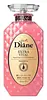
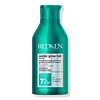
Ingredients Side-by-side
Water
Skin ConditioningSodium C14-16 Olefin Sulfonate
Cleansing

Cocamidopropyl Betaine
Cleansing

Cocamide Methyl Mea
Surfactant
Tea-Cocoyl Glutamate
Cleansing
Camellia Sinensis Seed Oil
Humectant



Propanediol
Solvent
Gamma-Docosalactone
Skin ConditioningQuaternium-33
Dipropylene Glycol
HumectantButylene Glycol
Humectant
Glycerin
Humectant
Prunus Domestica Seed Extract
EmollientPunica Granatum Fruit Extract
Antioxidant

Panax Ginseng Root Extract
Emollient
Acacia Farnesiana Flower Extract
Perfuming
Sodium Dilauramidoglutamide Lysine
HumectantRosmarinus Officinalis Leaf Extract
AntimicrobialKeratin
Skin ConditioningCitrus Nobilis Peel Extract
Masking
Pisum Sativum Sprout Extract
Skin ConditioningSasa Veitchii Leaf Extract
Skin ConditioningPaeonia Albiflora Root Extract
Skin ConditioningRosa Centifolia Flower Extract
Astringent
Rosa Damascena Flower Extract
Masking
Citrus Junos Seed Extract
Antioxidant
Hydrolyzed Conchiolin Protein
Skin ConditioningRosa Hybrid Flower Extract
Skin ConditioningCamellia Sinensis Leaf Extract
Antimicrobial



Prunus Yedoensis Leaf Extract
Skin ConditioningIsomalt
HumectantPolyquaternium-10
Hydrolyzed Keratin
Humectant
Hydrolyzed Silk Pg-Propyl Methylsilanediol
Skin ConditioningHydroxypropyltrimonium Hydrolyzed Keratin
Skin ConditioningPouteria Sapota Seed Oil
Emollient
Sclerocarya Birrea Seed Oil
Humectant
Theobroma Grandiflorum Seed Butter
Skin Conditioning
Mangifera Indica Seed Oil
Emollient
Glycine Soja Sterols
Emollient
Ceramide Ng
Skin Conditioning
Ceramide Ns
Skin Conditioning
Argania Spinosa Kernel Oil
Emollient
Ceramide Ag
Humectant
Ceramide NP
Skin Conditioning
Ceramide AP
Skin Conditioning
Ceramide EOP
Skin Conditioning
Vaccinium Vitis-Idaea Seed Oil
Antioxidant
Carapa Guaianensis Seed Oil
Skin Conditioning
Adansonia Digitata Seed Oil
Emollient
Sodium Chloride
MaskingCholesterol
Emollient
Sodium Lauriminodipropionate
CleansingArgania Spinosa Callus Culture Extract
Skin ConditioningSalicylic Acid
Masking




O-Cymen-5-Ol
Antimicrobial
Xanthan Gum
EmulsifyingSodium Cocoamphoacetate
CleansingSodium Methyl Cocoyl Taurate
Cleansing
Potassium Cocoyl Hydrolyzed Keratin
Skin Conditioning
Lecithin
Emollient
Quaternium-18
SurfactantBehentrimonium Chloride
Preservative
Propylene Glycol
Humectant
Alcohol
Antimicrobial
Citric Acid
Buffering
Malic Acid
Buffering
Tocopherol
Antioxidant
Ascorbic Acid
Antioxidant
Disodium EDTA
Sodium Benzoate
Masking
Phenoxyethanol
Preservative
Caramel
Cosmetic ColorantWater, Sodium C14-16 Olefin Sulfonate, Cocamidopropyl Betaine, Cocamide Methyl Mea, Tea-Cocoyl Glutamate, Camellia Sinensis Seed Oil, Propanediol, Gamma-Docosalactone, Quaternium-33, Dipropylene Glycol, Butylene Glycol, Glycerin, Prunus Domestica Seed Extract, Punica Granatum Fruit Extract, Panax Ginseng Root Extract, Acacia Farnesiana Flower Extract, Sodium Dilauramidoglutamide Lysine, Rosmarinus Officinalis Leaf Extract, Keratin, Citrus Nobilis Peel Extract, Pisum Sativum Sprout Extract, Sasa Veitchii Leaf Extract, Paeonia Albiflora Root Extract, Rosa Centifolia Flower Extract, Rosa Damascena Flower Extract, Citrus Junos Seed Extract, Hydrolyzed Conchiolin Protein, Rosa Hybrid Flower Extract, Camellia Sinensis Leaf Extract, Prunus Yedoensis Leaf Extract, Isomalt, Polyquaternium-10, Hydrolyzed Keratin, Hydrolyzed Silk Pg-Propyl Methylsilanediol, Hydroxypropyltrimonium Hydrolyzed Keratin, Pouteria Sapota Seed Oil, Sclerocarya Birrea Seed Oil, Theobroma Grandiflorum Seed Butter, Mangifera Indica Seed Oil, Glycine Soja Sterols, Ceramide Ng, Ceramide Ns, Argania Spinosa Kernel Oil, Ceramide Ag, Ceramide NP, Ceramide AP, Ceramide EOP, Vaccinium Vitis-Idaea Seed Oil, Carapa Guaianensis Seed Oil, Adansonia Digitata Seed Oil, Sodium Chloride, Cholesterol, Sodium Lauriminodipropionate, Argania Spinosa Callus Culture Extract, Salicylic Acid, O-Cymen-5-Ol, Xanthan Gum, Sodium Cocoamphoacetate, Sodium Methyl Cocoyl Taurate, Potassium Cocoyl Hydrolyzed Keratin, Lecithin, Quaternium-18, Behentrimonium Chloride, Propylene Glycol, Alcohol, Citric Acid, Malic Acid, Tocopherol, Ascorbic Acid, Disodium EDTA, Sodium Benzoate, Phenoxyethanol, Caramel
Water
Skin ConditioningSodium Laureth Sulfate
Cleansing
Cocamidopropyl Betaine
Cleansing
Sodium Chloride
MaskingPropylene Glycol
Humectant
Parfum
Masking
Citric Acid
Buffering
Cocamide Mea
Emulsifying
Sodium Benzoate
Masking
Sodium Hydroxide
BufferingHexylene Glycol
EmulsifyingBifida Ferment Lysate
Skin Conditioning
Saccharomyces/Rice Ferment Filtrate
Skin Conditioning
Sodium Lauryl Sulfate
Cleansing
Hydroxypropyl Guar Hydroxypropyltrimonium Chloride
Caffeine
Skin Conditioning
Azelaic Acid
Buffering
Linalyl Acetate
Masking
Carvone
Masking
Pentylene Glycol
Skin Conditioning
Linalool
Perfuming
Limonene
Perfuming
Citrus Limon Peel Oil
Masking
Citrus Aurantium Bergamia Peel Oil
Perfuming
Citral
Perfuming
Citrus Aurantium Peel Oil
Pinene
Masking
Phenoxyethanol
Preservative
Salicylic Acid
Masking
Water, Sodium Laureth Sulfate, Cocamidopropyl Betaine, Sodium Chloride, Propylene Glycol, Parfum, Citric Acid, Cocamide Mea, Sodium Benzoate, Sodium Hydroxide, Hexylene Glycol, Bifida Ferment Lysate, Saccharomyces/Rice Ferment Filtrate, Sodium Lauryl Sulfate, Hydroxypropyl Guar Hydroxypropyltrimonium Chloride, Caffeine, Azelaic Acid, Linalyl Acetate, Carvone, Pentylene Glycol, Linalool, Limonene, Citrus Limon Peel Oil, Citrus Aurantium Bergamia Peel Oil, Citral, Citrus Aurantium Peel Oil, Pinene, Phenoxyethanol, Salicylic Acid
Ingredients Explained
These ingredients are found in both products.
Ingredients higher up in an ingredient list are typically present in a larger amount.
Citric Acid is an alpha hydroxy acid (AHA) naturally found in citrus fruits like oranges, lemons, and limes.
Like other AHAs, citric acid can exfoliate skin by breaking down the bonds that hold dead skin cells together. This helps reveal smoother and brighter skin underneath.
However, this exfoliating effect only happens at high concentrations (20%) which can be hard to find in cosmetic products.
Due to this, citric acid is usually included in small amounts as a pH adjuster. This helps keep products slightly more acidic and compatible with skin's natural pH.
In skincare formulas, citric acid can:
While it can provide some skin benefits, research shows lactic acid and glycolic acid are generally more effective and less irritating exfoliants.
Most citric acid used in skincare today is made by fermenting sugars (usually from molasses). This synthetic version is identical to the natural citrus form but easier to stabilize and use in formulations.
Rosacea skin has a lower threshold for acids generally, with 62.5% of rosacea subjects in one study reacting to lactic acid in a sting test. This is why we mark citric acid as a potential rosacea trigger.
However, this ingredient shows up as a pH adjuster or chelator at roughly 0.1-1% in many products. These low levels are unlikely to be an issue for rosacea skin and becomes a potential trigger at exfoliating concentrations (20%). Because everybody's skin is unique, we recommend a patch test if you are unsure.
Learn more about Citric AcidCocamidopropyl Betaine is a fatty acid created by mixing similar compounds in coconut oil and dimethylaminopropylamine, a compound with two amino groups.
This ingredient is a surfactant and cleanser. It helps gather the dirt, pollutants, and other impurities in your skin to be washed away. It also helps thicken a product and make the texture more creamy.
Being created from coconut oil means Cocamidopropyl Betaine is hydrating for the skin.
While Cocamidopropyl Betaine was believed to be an allergen, a study from 2012 disproved this. It found two compounds in unpure Cocamidopropyl Betaine to be the irritants: aminoamide and 3-dimethylaminopropylamine. High-grade and pure Cocamidopropyl Betaine did not induce allergic reactions during this study.
Learn more about Cocamidopropyl BetainePhenoxyethanol is one of the most widely used preservatives in skincare (and for good reason!).
It has a large spectrum of antimicrobial activity and especially effective bacteria, yeast, and mold while only having a weak effect on your skin's natural microbiome.
On a cellular level, it disrupts the cell membranes of microbes by poking holes that make the cell leak. This shuts down the chemical reactions the microbe needs to make energy so it can no longer survive.
Another perk of this ingredient is that it stays functional across a wide pH range (3-10).
You'll often see it paired with boosters like Ethylhexylglycerin; one study showed that a 1:9 ratio of Ethylhexylglycerin to Phenoxyethanol damages bacterial membranes as effectively as doubling the Phenoxyethanol concentration on its own.
Typical use concentrations range from 0.3-1% depending on the formula, and this ingredient is capped at 1% int the EU.
Safety-wise, the fear mongering does not hold up to the evidence. The EU's Scientific Committee on Consumer Safety and FDA consider it safe as a preservative at up to 1%, including for children of all ages.
Adverse systemic effects only showed up in animal studies at exposures roughly 200x higher than what people get from cosmetics. And despite its very widespread use, this ingredient is a rare sensitizer and allergic reactions are uncommon.
Learn more about PhenoxyethanolPropylene Glycol is a synthetic, colorless, odorless liquid that has been a staple in cosmetics for decades. It is a skin conditioning agent, humectant, and solvent.
As a humectant, it draw water to the skin to reduce flaking and restore suppleness. It's also a solvent that helps dissolve other actives and keeps formulas stable across temperature changes.
The CIR Expert Panel has confirmed this ingredient to be nontoxic and clinical studies show no sensitization at cosmetic use concentrations.
True allergic reactions are quite rare: a 15-year retrospective study of 6,751 patients found only 0.31% had a positive reaction (and less than half were considered clinically relevant).
It seemed that when sensitization does occur, it's most commonly linked to topical medication (like corticosteroids) and not cosmetics. Allergic contact dermatitis also appears largely limited to individuals with underlying skin conditions.
Overall, propylene glycol is a well-studied ingredient that most people can tolerate without issue.
Learn more about Propylene GlycolSalicylic Acid (also known as beta hydroxy acid or BHA) is a well-known ingredient for treating skin that struggles with acne and clogged pores. It exfoliates both the skin's surface and deep within the pores to help clear out buildup, control oil, and reduce inflammation.
Unlike AHAs (alpha hydroxy acids), salicylic acid is oil-soluble. This allows it to penetrate into pores which makes it especially effective for treating blackheads and preventing future breakouts.
Salicylic acid is also known for its soothing properties. It has a similar structure to aspirin and can calm inflamed or irritated skin, making it a good option for acne-prone skin that is also sensitive.
Concentrations of 0.5-2% are recognized by the U.S. FDA as an over-the-counter topical acne product.
It can cause irritation and/or dryness if one's skin already has a compromised moisture barrier, so it's best to focus on repairing that before introducing this ingredient into your routine.
While salicylic acid does not increase sun sensitivity, it’s still important to wear sunscreen daily to protect your skin.
If you are looking for the ingredient called BHA or Butylated Hydroxyanisole, click here.
Learn more about Salicylic AcidSodium Benzoate is a preservative. It's used in both cosmetic and food products to inhibit the growth of mold and bacteria. It is typically produced synthetically.
Both the US FDA and EU Health Committee have approved the use of sodium benzoate. In the US, levels of 0.1% (of the total product) are allowed.
Sodium benzoate works as a preservative by inhibiting the growth of bacteria inside of cells. It prevents the cell from fermenting a type of sugar using an enzyme called phosphofructokinase.
It is the salt of benzoic acid. Foods containing sodium benzoate include soda, salad dressings, condiments, fruit juices, wines, and snack foods.
Studies for using ascorbic acid and sodium benzoate in cosmetics are lacking, especially in skincare routines with multiple steps.
We always recommend speaking with a professional, such as a dermatologist, if you have any concerns.
Learn more about Sodium BenzoateChances are, you eat sodium chloride every day. Sodium Chloride is also known as table salt. This ingredient has many purposes in skincare: thickener, emulsifier, and exfoliator.
You'll most likely find this ingredient in cleansers where it is used to create a gel-like texture. As an emulsifier, it also prevents ingredients from separating.
You might see people debate whether Sodium Chloride is comedogenic, but there actually haven't been any comedogenic tests done on it. Either way, the overall formulation of a product matters a lot more than any single ingredient.
You might see this ingredient used in scrubs as a primary exfoliating ingredient.
Learn more about Sodium ChlorideWater. It's the most common cosmetic ingredient of all. You'll usually see it at the top of ingredient lists, meaning that it makes up the largest part of the product.
So why is it so popular? Water most often acts as a solvent - this means that it helps dissolve other ingredients into the formulation.
You'll also recognize water as that liquid we all need to stay alive. If you see this, drink a glass of water. Remember to stay hydrated!
Learn more about Water

