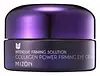
This anti-aging eye moisturizer is formulated around Adenosine and Copper Tripeptide-1 to soften the look of wrinkles.

What's inside
What's inside
 Key Ingredients
Benefits
Concerns
Ingredients Side-by-side
Water
Skin ConditioningButylene Glycol
Humectant

Glycerin
Humectant
Cyclopentasiloxane
Emollient
Cyclohexasiloxane
Emollient
Dimethicone
Emollient
Caprylyl Methicone
Skin Conditioning
1,2-Hexanediol
Skin Conditioning
Sodium Chloride
MaskingPEG-10 Dimethicone
Skin Conditioning
Cetearyl Dimethicone Crosspolymer
C30-45 Alkyl Cetearyl Dimethicone Crosspolymer
Emollient
Dimethicone/PEG-10/15 Crosspolymer
Sodium Citrate
BufferingPEG-9 Polydimethylsiloxyethyl Dimethicone
Emulsifying
Hydrolyzed Collagen
Emollient
Ethylhexylglycerin
Skin ConditioningAdenosine
Skin Conditioning
Disodium EDTA
ChelatingDipropylene Glycol
HumectantLimnanthes Alba Seed Oil
Skin Conditioning


Olea Europaea Fruit Oil
Masking


Helianthus Annuus Seed Oil
Emollient
Theobroma Cacao Seed Extract
Antioxidant
Sodium Hyaluronate
Humectant

Coptis Japonica Root Extract
Skin ConditioningArgania Spinosa Kernel Oil
Emollient

Tocopherol
Antioxidant

Mangifera Indica Seed Butter
Skin Conditioning
Honey Extract
Humectant
Beta-Glucan
Skin Conditioning
Fragaria Chiloensis Fruit Extract
Skin Conditioning
Glycine
Buffering
Caprylic/Capric Triglyceride
Masking
Serine
Masking
Glutamic Acid
Humectant
Rubus Idaeus Fruit Extract
AstringentAspartic Acid
Masking
Leucine
Skin ConditioningHydrogenated Lecithin
Emulsifying
Alanine
Masking
Lysine
Skin ConditioningArginine
Masking
Tyrosine
MaskingPhenylalanine
Masking
Proline
Skin Conditioning
Threonine
Valine
MaskingIsoleucine
Skin ConditioningHistidine
Humectant
Cysteine
Antioxidant
Methionine
Skin ConditioningFragaria Vesca Fruit Extract
AstringentPhytosteryl/Octyldodecyl Lauroyl Glutamate
Skin ConditioningCopper Tripeptide-1
Skin Conditioning
Ceramide NP
Skin Conditioning
Water, Butylene Glycol, Glycerin, Cyclopentasiloxane, Cyclohexasiloxane, Dimethicone, Caprylyl Methicone, 1,2-Hexanediol, Sodium Chloride, PEG-10 Dimethicone, Cetearyl Dimethicone Crosspolymer, C30-45 Alkyl Cetearyl Dimethicone Crosspolymer, Dimethicone/PEG-10/15 Crosspolymer, Sodium Citrate, PEG-9 Polydimethylsiloxyethyl Dimethicone, Hydrolyzed Collagen, Ethylhexylglycerin, Adenosine, Disodium EDTA, Dipropylene Glycol, Limnanthes Alba Seed Oil, Olea Europaea Fruit Oil, Helianthus Annuus Seed Oil, Theobroma Cacao Seed Extract, Sodium Hyaluronate, Coptis Japonica Root Extract, Argania Spinosa Kernel Oil, Tocopherol, Mangifera Indica Seed Butter, Honey Extract, Beta-Glucan, Fragaria Chiloensis Fruit Extract, Glycine, Caprylic/Capric Triglyceride, Serine, Glutamic Acid, Rubus Idaeus Fruit Extract, Aspartic Acid, Leucine, Hydrogenated Lecithin, Alanine, Lysine, Arginine, Tyrosine, Phenylalanine, Proline, Threonine, Valine, Isoleucine, Histidine, Cysteine, Methionine, Fragaria Vesca Fruit Extract, Phytosteryl/Octyldodecyl Lauroyl Glutamate, Copper Tripeptide-1, Ceramide NP
Water
Skin ConditioningButylene Glycol
Humectant
Glycerin
Humectant
Squalane
Emollient
Cetyl Ethylhexanoate
EmollientLimnanthes Alba Seed Oil
Skin Conditioning
Arbutin
Antioxidant
Copernicia Cerifera Wax
Cyclopentasiloxane
Emollient
Butyrospermum Parkii Butter
Skin Conditioning
Glyceryl Stearate
Emollient
Cyclohexasiloxane
Emollient
Orchid Extract
Skin ConditioningCaffeine
Skin Conditioning
Camellia Sinensis Leaf Extract
Antimicrobial
Camellia Japonica Leaf Extract
Skin ConditioningOpuntia Coccinellifera Fruit Extract
Skin ConditioningCitrus Unshiu Peel Extract
MaskingAdenosine
Skin Conditioning
C12-20 Alkyl Glucoside
EmulsifyingC14-22 Alcohols
Emulsion Stabilising
Glyceryl Caprylate
EmollientLauric Acid
Cleansing
Myristic Acid
Cleansing
Behenyl Alcohol
Emollient
Cetearyl Alcohol
Emollient
Stearic Acid
Cleansing
Arachidyl Glucoside
EmulsifyingArachidyl Alcohol
Emollient
Xanthan Gum
EmulsifyingPalmitic Acid
Emollient
Polyglyceryl-3 Methylglucose Distearate
Emulsifying
Polysorbate 20
Emulsifying
Polyacrylate-13
Polyisobutene
Propanediol
Solvent
PEG-100 Stearate
Surfactant
Hydrogenated Lecithin
Emulsifying
Disodium EDTA
ChelatingParfum
Masking

Water, Butylene Glycol, Glycerin, Squalane, Cetyl Ethylhexanoate, Limnanthes Alba Seed Oil, Arbutin, Copernicia Cerifera Wax, Cyclopentasiloxane, Butyrospermum Parkii Butter, Glyceryl Stearate, Cyclohexasiloxane, Orchid Extract, Caffeine, Camellia Sinensis Leaf Extract, Camellia Japonica Leaf Extract, Opuntia Coccinellifera Fruit Extract, Citrus Unshiu Peel Extract, Adenosine, C12-20 Alkyl Glucoside, C14-22 Alcohols, Glyceryl Caprylate, Lauric Acid, Myristic Acid, Behenyl Alcohol, Cetearyl Alcohol, Stearic Acid, Arachidyl Glucoside, Arachidyl Alcohol, Xanthan Gum, Palmitic Acid, Polyglyceryl-3 Methylglucose Distearate, Polysorbate 20, Polyacrylate-13, Polyisobutene, Propanediol, PEG-100 Stearate, Hydrogenated Lecithin, Disodium EDTA, Parfum
Reviews
Ingredients Explained
These ingredients are found in both products.
Ingredients higher up in an ingredient list are typically present in a larger amount.
Adenosine is a purine nucleoside that your body already makes in every cell. In skincare, it acts mainly as a skin conditioning and anti-aging agent.
The way it works is fairly well mapped out:
Your skin has cells called fibroblasts that build collagen (the stuff that keeps skin firm and smooth). Adenosine basically flips a switch on these cells that tells them to get to work making more collagen and other proteins. These cells slow down on their own as skin ages, so Adenosine helps give them a little nudge to keep going.
The clinical backing is pretty solid too.
A blind, randomized, placebo-controlled trial of 126 women aged 45-65 tested a 0.1% cream twice daily and found real improvements in crow's feet and frown lines using a precise 3D skin-mapping technique; these changes showed up by week 3 and held at 2 months.
A later study using Adenosine-loaded dissolving microneedle patches reported gains in wrinkle depth, dermal density, elasticity, and hydration.
On concentrations, South Korea's Ministry of Food and Drug Safety has set 0.04% as the approved functional anti-wrinkle level. You'll typically see this ingredient used somewhere in the 0.04-0.1% range since it works at low doses.
This ingredient has been found safe for cosmetics with the data showing no irritation or sensitization.
Overall, this is a great ingredient for any anti-aging routine and has no photosensitizing effect, so it suits both AM and PM use.
Learn more about AdenosineButylene Glycol (or BG) is used within cosmetic products for a few different reasons:
Overall, Butylene Glycol is a safe and well-rounded ingredient that works well with other ingredients.
Though this ingredient works well with most skin types, some people with sensitive skin may experience a reaction such as allergic rashes, closed comedones, or itchiness.
Learn more about Butylene GlycolCyclohexasiloxane is a type of silicone more commonly known as D6. It is an emollient and solvent.
Cyclohexasiloxane is used to evenly distribute ingredients throughout the product. When applied to the skin, Cyclohexasiloxane evaporates and leaves behind a silky feel.
As an emollient, it can help the skin feel soft and hydrated. It is also used to reduce frizz in hair products.
Learn more about CyclohexasiloxaneCyclopentasiloxane (D5) is a lightweight silicone that mostly acts as an emollient and solvent in cosmetics. Its the reason your products feel silky, fast-spreading, and non-greasy.
Since D5 is volatile, it does its thing and then evaporates off the skin quickly.
The safety profile of this ingredient is reassuring; the US CIR Expert Panel concluded D5 is safe as used in cosmetics and Health Canada concluded that D5 is not harmful to human health or the environment as currently used in cosmetics
There's a study that people mention about D5 in a rat study showing tumors. This study is related to long-term inhalation of high D5 levels.
Regulatory bodies have judged this study to be not applicable in topical skincare since skin absorption of D5 is very low and we're not really inhaling huge amounts of D5.
The only restriction for this ingredient is environmental. The European Chemicals Agency (ECHA) restricted D5 in wash-off cosmetics at or above 0.1% due to their persistence in water.
Learn more about CyclopentasiloxaneDisodium EDTA is a chelating agent. It grabs onto and deactivates metal ions that sneak into your products from water, packaging, or air.
This ingredient mainly works behind the scenes and helps with:
On top of that, this ingredient can counteract the effects of hard water by binding to the minerals in it.
One thing worth knowing is that Disodium EDTA has been shown to be a mild penetration enhancer. It can help other ingredients absorb into skin more effectively which can be a double-edged sword (great for actives, but can also make the active too strong if you have sensitive skin).
Clinical patch testing showed no significant skin irritation at typical use concentrations and minimal dermal absorption.
You'll most likely see this ingredient near the end of an ingredient list. It's typically found in concentrations less than 1%.
Learn more about Disodium EDTAGlycerin (or glycerol) is a compound naturally found in your skin. It's a powerhouse humectant that pulls water into the stratum corneum.
Topically, glycerin does several things at once:
Your skin makes glycerin on its own (mostly from sebaceous oil breakdown) and shuttles it to your outermost layer of skin, or your epidermis, via aquaporin-3.
Aquaporin-3 is a transporter that is essential for normal skin hydration, elasticity, and repair. Interestingly, mice lacking in AQP3 have dry and less elastic skin that can be fully corrected with glycerin.
This ingredient is non-irritating, plays well with almost every ingredient, and works across all skin types. Typical use is anywhere between 3-10% but can go up to 79% in some leave-on products.
Just know very high concentrations (>40%) can feel tacky in low humidity.
Glycerin is the name for this ingredient in American English. British English uses Glycerol/Glycerine.
Learn more about GlycerinHydrogenated Lecithin is a more stable version of lecithin.
It's made by taking lecithin (a phospholipid commonly found in soybeans and egg yolks) and hydrogenating it. This just means the unsaturated fatty acids are turned into saturated ones so they don't go bad as easily.
This ingredient is an emollient, emulsifier, and penetration enhancer. As an emollient, it helps soften and hydrate skin by trapping moisture within. As an emulsifier, it prevents oil and water ingredients from separating.
Hydrogenated Lecithin can form tiny spherical structures made of phospholipid bilayers called liposomes. These liposomes are able to capture compounds inside their structure and deliver them through the skin barrier.
Because phospholipids are a natural component of our cell membranes, this ingredient is inherently compatible with skin.
A 2021 study found lecithin-based surfactants were less harsh and more tolerable comared to Sodium Lauryl Sulfate (SLS).
Learn more about Hydrogenated LecithinLimnanthes Alba Seed Oil is from the seeds of the meadowfoam plant. It is a skin conditioning agent and emollient that sits on top of skin to soften and hydrate it.
Over 98% of the oil is made up of long-chain fatty acids, mostly aachidic acid (61%), docosenoic acid (~16%), and docosadienoic acid (~18%).
This combination is not really found in any other plant oil and is the reason this is one of the most stable botanical oils available.
Some studies show it to be more stable than jojoba oil, helps a product resist going rancid, and can help extend the shelf life of a formula.
It also naturally contains vitamin E and phytosterols that give it a mild antioxidant benefit.
This ingredient is typically used from around 1% to fairly high levels since it's gentle; it's well-tolerated and low on the irritation scale.
Learn more about Limnanthes Alba Seed OilWater. It's the most common cosmetic ingredient of all. You'll usually see it at the top of ingredient lists, meaning that it makes up the largest part of the product.
So why is it so popular? Water most often acts as a solvent - this means that it helps dissolve other ingredients into the formulation.
You'll also recognize water as that liquid we all need to stay alive. If you see this, drink a glass of water. Remember to stay hydrated!
Learn more about Water

