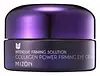
This anti-aging eye moisturizer is formulated around Adenosine and Copper Tripeptide-1 to soften the look of wrinkles.
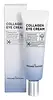
This anti-aging eye moisturizer is formulated around Adenosine and Sodium Hyaluronate to soften the look of wrinkles and hydrate skin.

What's inside
What's inside
 Key Ingredients
Benefits
Concerns
Ingredients Side-by-side
Water
Skin ConditioningButylene Glycol
Humectant

Glycerin
Humectant
Cyclopentasiloxane
Emollient
Cyclohexasiloxane
Emollient
Dimethicone
Emollient
Caprylyl Methicone
Skin Conditioning
1,2-Hexanediol
Skin Conditioning
Sodium Chloride
MaskingPEG-10 Dimethicone
Skin Conditioning
Cetearyl Dimethicone Crosspolymer
C30-45 Alkyl Cetearyl Dimethicone Crosspolymer
Emollient
Dimethicone/PEG-10/15 Crosspolymer
Sodium Citrate
BufferingPEG-9 Polydimethylsiloxyethyl Dimethicone
Emulsifying
Hydrolyzed Collagen
Emollient
Ethylhexylglycerin
Skin ConditioningAdenosine
Skin Conditioning
Disodium EDTA
ChelatingDipropylene Glycol
HumectantLimnanthes Alba Seed Oil
Skin Conditioning


Olea Europaea Fruit Oil
Masking


Helianthus Annuus Seed Oil
Emollient
Theobroma Cacao Seed Extract
Antioxidant
Sodium Hyaluronate
Humectant

Coptis Japonica Root Extract
Skin ConditioningArgania Spinosa Kernel Oil
Emollient

Tocopherol
Antioxidant

Mangifera Indica Seed Butter
Skin Conditioning
Honey Extract
Humectant
Beta-Glucan
Skin Conditioning
Fragaria Chiloensis Fruit Extract
Skin Conditioning
Glycine
Buffering
Caprylic/Capric Triglyceride
Masking
Serine
Masking
Glutamic Acid
Humectant
Rubus Idaeus Fruit Extract
AstringentAspartic Acid
Masking
Leucine
Skin ConditioningHydrogenated Lecithin
Emulsifying
Alanine
Masking
Lysine
Skin ConditioningArginine
Masking
Tyrosine
MaskingPhenylalanine
Masking
Proline
Skin Conditioning
Threonine
Valine
MaskingIsoleucine
Skin ConditioningHistidine
Humectant
Cysteine
Antioxidant
Methionine
Skin ConditioningFragaria Vesca Fruit Extract
AstringentPhytosteryl/Octyldodecyl Lauroyl Glutamate
Skin ConditioningCopper Tripeptide-1
Skin Conditioning
Ceramide NP
Skin Conditioning
Water, Butylene Glycol, Glycerin, Cyclopentasiloxane, Cyclohexasiloxane, Dimethicone, Caprylyl Methicone, 1,2-Hexanediol, Sodium Chloride, PEG-10 Dimethicone, Cetearyl Dimethicone Crosspolymer, C30-45 Alkyl Cetearyl Dimethicone Crosspolymer, Dimethicone/PEG-10/15 Crosspolymer, Sodium Citrate, PEG-9 Polydimethylsiloxyethyl Dimethicone, Hydrolyzed Collagen, Ethylhexylglycerin, Adenosine, Disodium EDTA, Dipropylene Glycol, Limnanthes Alba Seed Oil, Olea Europaea Fruit Oil, Helianthus Annuus Seed Oil, Theobroma Cacao Seed Extract, Sodium Hyaluronate, Coptis Japonica Root Extract, Argania Spinosa Kernel Oil, Tocopherol, Mangifera Indica Seed Butter, Honey Extract, Beta-Glucan, Fragaria Chiloensis Fruit Extract, Glycine, Caprylic/Capric Triglyceride, Serine, Glutamic Acid, Rubus Idaeus Fruit Extract, Aspartic Acid, Leucine, Hydrogenated Lecithin, Alanine, Lysine, Arginine, Tyrosine, Phenylalanine, Proline, Threonine, Valine, Isoleucine, Histidine, Cysteine, Methionine, Fragaria Vesca Fruit Extract, Phytosteryl/Octyldodecyl Lauroyl Glutamate, Copper Tripeptide-1, Ceramide NP
Hydrolyzed Collagen 44%
Emollient
Cyclopentasiloxane
Emollient
Dimethicone
Emollient
Cyclohexasiloxane
Emollient
Water
Skin ConditioningCaprylyl Methicone
Skin Conditioning
Cetearyl Dimethicone
Emollient
Cetearyl Dimethicone Crosspolymer
Dimethicone/PEG-10/15 Crosspolymer
C30-45 Alkyl Cetearyl Dimethicone Crosspolymer
Emollient
Sodium Citrate
BufferingPEG-9 Polydimethylsiloxyethyl Dimethicone
Emulsifying
PEG-10 Dimethicone
Skin Conditioning
Fructooligosaccharides
Humectant
Saccharide Hydrolysate
HumectantEthylhexylglycerin
Skin ConditioningAdenosine
Skin Conditioning
Butylene Glycol
Humectant
Dipropylene Glycol
HumectantCentella Asiatica Extract
Cleansing
Houttuynia Cordata Extract
Skin Conditioning
Salvia Hispanica Seed Extract
Emollient
Honey Extract
Humectant
Sodium Hyaluronate
Humectant
Coptis Chinensis Root Extract
Antioxidant
Lippia Citriodora Leaf Extract
Astringent

Tocopherol
Antioxidant
Iris Florentina Root Extract
MaskingCaprylic/Capric Triglyceride
Masking
Beta-Glucan
Skin Conditioning
Vaccinium Macrocarpon Fruit Extract
AstringentPrunus Serotina Fruit Extract
MaskingPunica Granatum Fruit Extract
Antioxidant
Hydrolyzed Hyaluronic Acid
Humectant
Serine
Masking
Lysine
Skin ConditioningAlanine
Masking
Arginine
Masking
Threonine
Proline
Skin Conditioning
Phenoxyethanol
Preservative
Parfum
Masking
Hydrolyzed Collagen 44%, Cyclopentasiloxane, Dimethicone, Cyclohexasiloxane, Water, Caprylyl Methicone, Cetearyl Dimethicone, Cetearyl Dimethicone Crosspolymer, Dimethicone/PEG-10/15 Crosspolymer, C30-45 Alkyl Cetearyl Dimethicone Crosspolymer, Sodium Citrate, PEG-9 Polydimethylsiloxyethyl Dimethicone, PEG-10 Dimethicone, Fructooligosaccharides, Saccharide Hydrolysate, Ethylhexylglycerin, Adenosine, Butylene Glycol, Dipropylene Glycol, Centella Asiatica Extract, Houttuynia Cordata Extract, Salvia Hispanica Seed Extract, Honey Extract, Sodium Hyaluronate, Coptis Chinensis Root Extract, Lippia Citriodora Leaf Extract, Tocopherol, Iris Florentina Root Extract, Caprylic/Capric Triglyceride, Beta-Glucan, Vaccinium Macrocarpon Fruit Extract, Prunus Serotina Fruit Extract, Punica Granatum Fruit Extract, Hydrolyzed Hyaluronic Acid, Serine, Lysine, Alanine, Arginine, Threonine, Proline, Phenoxyethanol, Parfum
Ingredients Explained
These ingredients are found in both products.
Ingredients higher up in an ingredient list are typically present in a larger amount.
Adenosine is a purine nucleoside that your body already makes in every cell. In skincare, it acts mainly as a skin conditioning and anti-aging agent.
The way it works is fairly well mapped out:
Your skin has cells called fibroblasts that build collagen (the stuff that keeps skin firm and smooth). Adenosine basically flips a switch on these cells that tells them to get to work making more collagen and other proteins. These cells slow down on their own as skin ages, so Adenosine helps give them a little nudge to keep going.
The clinical backing is pretty solid too.
A blind, randomized, placebo-controlled trial of 126 women aged 45-65 tested a 0.1% cream twice daily and found real improvements in crow's feet and frown lines using a precise 3D skin-mapping technique; these changes showed up by week 3 and held at 2 months.
A later study using Adenosine-loaded dissolving microneedle patches reported gains in wrinkle depth, dermal density, elasticity, and hydration.
On concentrations, South Korea's Ministry of Food and Drug Safety has set 0.04% as the approved functional anti-wrinkle level. You'll typically see this ingredient used somewhere in the 0.04-0.1% range since it works at low doses.
This ingredient has been found safe for cosmetics with the data showing no irritation or sensitization.
Overall, this is a great ingredient for any anti-aging routine and has no photosensitizing effect, so it suits both AM and PM use.
Learn more about AdenosineAlanine is an amino acid and is already found in the human body. Our skin uses alanine to build collagen, elastin, and keratin.
Arginine is a semi-essential amino acid. This just means our bodies can product a bit on its own, but sometimes needs a little boost from food sources.
It is a part of your skin's natural moisturizing factor (NMF), or the water-loving molecules in your outermost layer of skin (stratum corneum) that keeps everything hydrated and happy.
Here's an interesting thing about Arginine: your skin converts it into urea through the Krebs-Henseleit urea cycle. Urea is one of the most effective humectants your skin naturally produces.
A clinical study showed applying 2.5% arginine hydrochloride to atopic dermatitis skin showed significant urea levels in the stratum corneum and improved moisture in just four weeks.
Arginine is also a precursor to nitric oxide; nitric oxide improves microcirculation and supports wound healing and collagen synthesis.
One study found that an amino acid complex containing Arginine reduced skin irritation, improved hydration, and accelerated skin repair in clinical / in-vivo studies.
Arginine itself is an amino acid and not a fatty acid, oil, or ester. On its own, it's not a direct food source for Malassezia, or the yeast that causes fungal acne.
Learn more about ArginineBeta-Glucan is a soluble polysaccharide (a chain of glucose sugars) sourced from the cells walls of oats, baker's yeast, mushrooms, and seaweed.
It's a rare ingredient that pulls double-duty as a heavy-duty hydrator and skin-soothing repair agent.
On the surface, it acts as a humectant that holds water in place and reduces moisture loss for a plumper, smoother feel, while its anti-inflammatory and antioxidant properties make it a great pick for calming redness or sensitive skin
The more interesting story is underneath:
Despite its large molecular size, oat beta-glucan has been shown to penetrate the epidermis and reach the dermis by slipping between skin cells. Here, it interacts with fibroblasts and macrophages to nudge collagen synthesis and support wound repair.
A small 2005 split-face clinical study of 27 subjects found topical beta-glucan produced measurable reductions in wrinkle depth, height, and roughness after 8 weeks of use.
It is worth noting the trial was small and the penetration testing used frozen, irradiated skin so the anti-aging data is encouraging rather than definitive.
This ingredient gets along with pretty much everything and is typically used around 0.1-1%.
Fungal acne: This ingredient is not a food source for the Malassezia yeast because it is a glucose polysaccharide with no fatty acid or ester component.
Learn more about Beta-GlucanButylene Glycol (or BG) is used within cosmetic products for a few different reasons:
Overall, Butylene Glycol is a safe and well-rounded ingredient that works well with other ingredients.
Though this ingredient works well with most skin types, some people with sensitive skin may experience a reaction such as allergic rashes, closed comedones, or itchiness.
Learn more about Butylene GlycolC30-45 Alkyl Cetearyl Dimethicone Crosspolymer is a type of silicone.
Caprylic/Capric Triglyceride (aka MCT Oil) is a lightweight emollient, solvent, and texture enhancer. It is considered a skin-softener by helping to prevent moisture loss.
Though it behaves like an oil, it is not technically one due to its chemical composition. One perk of this ingredient is that it is very stable, resistant to oxidation, and unlikely to go rancid.
In practice, that translates to a long shelf life and a consistently elegant skin feel.
While there is an assumption Caprylic Triglyceride can clog pores due to it being derived from coconut oil, there is no research supporting this. Just patch test if you have concerns.
Fractionated coconut oil and MCT Oil are both listed as Caprylic/Capric Triglyceride according to INCI. This is because INCI names are based on the ingredient’s final chemical composition and not its marketing name or source.
This ingredient is treated as the gold standard fungal acne safe oil. Even though it is coconut derived, the problematic lauric acid is stripped out.
This leaves just caprylic (C8) and capric (C10) acid. These chain lengths actually trend antifungal; a 2020 study found caprylic acid was enough to disrupt Malassezia furfur cell membrane, with a caprylic acid derivative damaging membrane structures at concentrations as low as 0.2%.
Learn more about Caprylic/Capric TriglycerideCaprylyl Methicone is a synthetic and lightweight silicone fluid. It gives products a silky, dry-touch finish without the heaviness of pure oils.
Though the EU CosIng Database lists this ingredient as a skin conditioner, it is also used for sensory reasons. It spreads easily, cuts greasiness, and reduces tackiness.
This ingredient is volatile which means it will mostly evaporate (but it evaporates slower than older cyclomethicones, like Cyclotetrasiloxane).
Typical concentration ranges from 1-30% depending on if it's being used to tweak the feel of a product or acting as the main emollient.
Learn more about Caprylyl MethiconeCetearyl Dimethicone Crosspolymer is a type of silicone.
Cyclohexasiloxane is a type of silicone more commonly known as D6. It is an emollient and solvent.
Cyclohexasiloxane is used to evenly distribute ingredients throughout the product. When applied to the skin, Cyclohexasiloxane evaporates and leaves behind a silky feel.
As an emollient, it can help the skin feel soft and hydrated. It is also used to reduce frizz in hair products.
Learn more about CyclohexasiloxaneCyclopentasiloxane (D5) is a lightweight silicone that mostly acts as an emollient and solvent in cosmetics. Its the reason your products feel silky, fast-spreading, and non-greasy.
Since D5 is volatile, it does its thing and then evaporates off the skin quickly.
The safety profile of this ingredient is reassuring; the US CIR Expert Panel concluded D5 is safe as used in cosmetics and Health Canada concluded that D5 is not harmful to human health or the environment as currently used in cosmetics
There's a study that people mention about D5 in a rat study showing tumors. This study is related to long-term inhalation of high D5 levels.
Regulatory bodies have judged this study to be not applicable in topical skincare since skin absorption of D5 is very low and we're not really inhaling huge amounts of D5.
The only restriction for this ingredient is environmental. The European Chemicals Agency (ECHA) restricted D5 in wash-off cosmetics at or above 0.1% due to their persistence in water.
Learn more about CyclopentasiloxaneDimethicone is a type of synthetic silicone created from natural materials such as quartz. It is also known as polydimethylsiloxane.
What it does:
Dimethicone comes in different viscosities:
Depending on the viscosity, dimethicone has different properties.
Ingredients lists don't always show which type is used, so we recommend reaching out to the brand if you have questions about the viscosity.
This ingredient is unlikely to cause irritation because it does not get absorbed into skin. However, people with silicone allergies should be careful about using this ingredient.
Note: Dimethicone may contribute to pilling. This is because it is not oil or water soluble, so pilling may occur when layered with products. When mixed with heavy oils in a formula, the outcome is also quite greasy.
Learn more about DimethiconeThis is a silicone-based ingredient that helps create a smooth, silky, "bouncy" texture. It also acts as an emulsifier that prevents ingredients from separating in a formula.
Due to its large molecule size and water-insolubility, this ingredient is unlikely to be absorbed into skin. Irritation and sensitization tests have found reactions to silicones are considered very rare.
You'll likely see this ingredient in leave-on products at concentrations of 0.03%-3%.
Learn more about Dimethicone/PEG-10/15 CrosspolymerDipropylene Glycol is a synthetically created humectant, stabilizer, and solvent.
This ingredient helps:
Dipropylene glycol is technically an alcohol, but it belongs to the glycol family (often considered part of the ‘good’ alcohols). This means it is hydrating and gentle on skin unlike drying solvent alcohols like denatured alcohol.
As a masking agent, Dipropylene Glycol can be used to cover the smell of other ingredients. However, it does not have a scent.
Studies show Dipropylene Glycol is considered safe to use in skincare.
Learn more about Dipropylene GlycolEthylhexylglycerin is created from glycerin. It is a multitasker ingredient that:
The CIR Expert Panel found minimal skin absorption or sensitization of any kind in a safety assessment. Though this ingredient is considered well-tolerated, a small number of cases of allergic dermatitis have been published since 2002. Just be sure to patch test if you are unsure.
Industry-reported use ranges from 8% in rinse-off products and 2% in leave-on formulations.
Learn more about EthylhexylglycerinThis ingredient comes from honey made by bees. It is hydrating, antibacterial, anti-aging, and skin soothing.
Honey also contains amino acids, peptides, Vitamins A, C, and E.
The humectant property of honey draws moisture from the air to your skin. This makes it great at helping to hydrate the skin.
Honey may help reduce the signs of aging due to its antioxidant properties. Fun fact: darker honey has more antioxidants than light honey. The antibacterial property of honey may make it effective at helping to treat acne by killing acne-causing bacteria.
Many people wonder if honey extract is vegan. It is technically a byproduct from bees. This is because honey is created from the digestive enzymes in a bee's stomach.
Remember to be kind to bees :) They are important for many ecosystems and are endangered.
Learn more about Honey ExtractHydrolyzed Collagen is Collagen (usually sourced from fish, bovine, or porcine byproducts) that's been broken down into smaller peptides. This makes it water-soluble and easy to blend into formulations.
In a formula, it works mainly as a skin-conditioning and moisturizing agent.
The small peptides and amino acids (including Natural Moisturizing Factor components like Hydroxyproline, Serine, and Aspartic Acid) help the surface of the skin hold onto water, feel softer, and look temporarily plumper.
This ingredient also has mild film-forming and antioxidant properties with research showing the antioxidant effect is stronger the lower the molecular weight of the peptides.
It's worth being realistic here:
Topically applied Hydrolyzed Collagen conditions the upper layers of skin rather than rebuilding the structural collagen deep in your dermis (the wrinkle-and-firmness benefits people associate with Collagen mostly come from oral supplements in studies, not topicals).
However, recent lab and skin-model work on Hydrolyzed Fish Collagen has shown promising effects on cell viability and wound healing when used as an active.
Typical concentrations range from 0.2-2%, but the percentage can go much higher in rinse-off or hair products (sometimes even above 50%).
Clinical studies on this ingredient showed no irritation, sensitization, or phototoxicity.
If you are looking for vegan collagen, it usually goes by a different INCI name like hydrolyzed soy protein. Vegan collagen is derived from yeast, bacteria, or plant sources.
The results are varied.
A study from 2021 found hydrolyzed collagen increased elasticity and improved wrinkles in 1,125 participants between age 20 and 70. Another study found increased skin thickness in participants between the ages of 45 to 59.
However, It is difficult to prove that oral collagen will end up working on your skin. Many of the studies using hydrolyzed collagen also add several vitamins and nutrients into the test mixture as well.
Further studies are needed at this time.
Learn more about Hydrolyzed CollagenLysine is an essential amino acid (your body cannot make it on its own). It has skin conditioning properties and one of the key players in collagen synthesis.
When your body creates collagen, lysine is basically the glue that holds everything together. It helps collagen fibers lock into each other and stay strong, with vitamin C being its trusty sidekick. Without enough lysine, this glue gets flimsy and less firm, resulting in less bouncy skin.
In skincare, lysine is mostly there to help keep your skin moisturized. It carries water through your skin's layers so everything stays plump.
So will putting lysine on your face create bouncier skin?
It's hard to say; most of the exciting collagen research on lysine comes from oral supplements or lab studies on mice. Further research is needed to truly understand what role topical lysine plays in skincare and your skin.
However, there's no harm in adding lysine to your routine as a supportive and hydrating ingredient.
Learn more about LysinePeg-10 Dimethicone is silicone with conditioner and emulsifier properties. It mostly acts as an emollient in skincare and and humectant in haircare.
According to the manufacturer, acidic formulations decrease the stability of this ingredient. It works best in neutral or near neutral formulations.
PEG-9 Polydimethylsiloxyethyl Dimethicone is a type of silicone.
Proline is a non-essential amino acid, meaning your body can make it on its own. In skincare, it is a skin conditioning ingredient that keeps skin soft and hydrated.
It makes up about 23% of the collagen molecule (collagen is the protein responsible for keeping your skin firm) and is involved in your skin's natural hyaluronic acid production. When applied topically, proline can penetrate the skin fairly well due to its small molecular size.
Reviews of this ingredient have found it to be neither a dermal irritant nor a sensitizer.
Fun fact: Proline can be found in protein-rich foods like meat, fish, eggs, and dairy.
Learn more about ProlineSerine is a non-essential amino acid (your body makes it on its own!). It is a major player in your skin's natural moisturizing factor (NMF), or the water-loving molecules in your outermost layer of skin (stratum corneum) that keeps everything hydrated and happy.
Serine is one of your NMF's most abundant components that works as a skin-identical humectant. Its hydroxyl group grabs onto water molecules to boost hydration without any heaviness or occlusion.
Research on a hydrogel with serine confirmed this serine got delivered to your stratum corneum and demonstrated enhanced skin moisturization.
Interestingly serine also helps your skin produce filaggrin, a protein that keeps your skin barrier strong and used to create collagen.
Learn more about SerineSodium Citrate is the sodium salts of citric acid. In skincare, it is used to alter pH levels and acts as a preservative.
Its main functions are to maintain the pH of a product and neutralize metal ions.
The acidity of our skin is maintained by our glands and skin biome; normal pH level of skin is slightly acidic (~4.75-5.5).
Being slightly acidic allows our skin to create an "acid mantle". This acid mantle is a thin barrier that protects our skin from bacteria and contaminants.
Learn more about Sodium CitrateSodium Hyaluronate is the salt form of hyaluronic acid. It is a long sugar chain that is naturally found in your skin, joints, and connective tissue that maintains hydration and elasticity.
In skincare, it works as a humectant. It pulls water from the environment and deeper layers of skin and binds it to the surface.
Interestingly, the size of the molecule affects its behavior:
Some clinical evidence links low molecular weight versions to improved wrinkle depth, elasticity, anti-inflammatory effects, and barrier repair.
Many serums use a blend of both weights so you can get surface hydration plus longer-lasting and deeper effects.
You'll typically see concentrations between 0.1-2% for this ingredient.
Learn more about Sodium HyaluronateThreonine is an amino-acid. It helps hydrate the skin and has antioxidant benefits.
Our skin uses threonine for creating collagen and elastin. Humans are not able to create threonine and must get it through eating foods such as fish, lentils, poultry, sesame seeds, and more.
Tocopherol is a fat-soluble antioxidant known as Vitamin E.
You'll find this ingredient in the vast majority of skincare (for good reason). It works to neutralize free radicals, or unstable molecules generated by UV exposure, pollution, and other environmental stressors, before they can cause oxidative damage to your skin cells.
Topically applied tocopherol has been shown to protect against UV damage by ramping up the skin's own natural defense enzymes.
It also acts as a skin conditioning agent; some studies show that regular topical use can improve the skin's water-binding capacity over 2-4 weeks.
This ingredient is especially loved for being a team player. When combined with Vitamin C, the photoprotective effect of both ingredients roughly doubles and the combo also helps reduce UV-induced DNA damage.
This ingredient has some brightening potential but it's more of a prevention ingredient than spot-fader. Cell studies show it can slow down melanin production but it's worth noting that it's not the most powerful brightener out there.
In formulations, it also serves as a stabilizer that helps protect other oxidation-prone ingredients from degrading.
Concentrations usually range from 0.1-1% in most leave-on products.
Learn more about TocopherolWater. It's the most common cosmetic ingredient of all. You'll usually see it at the top of ingredient lists, meaning that it makes up the largest part of the product.
So why is it so popular? Water most often acts as a solvent - this means that it helps dissolve other ingredients into the formulation.
You'll also recognize water as that liquid we all need to stay alive. If you see this, drink a glass of water. Remember to stay hydrated!
Learn more about Water

