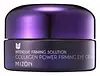
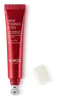
Mizon Collagen Power Firming Eye Cream Versus KIKO Milano Skin Trainer Eyes Anti-Puffiness And Dark Circles Serum
This anti-aging eye moisturizer is formulated around Adenosine and Copper Tripeptide-1 to soften the look of wrinkles.
This calming eye moisturizer is formulated around Caffeine and Niacinamide to calm redness.


What's inside
What's inside
 Key Ingredients
Benefits
Concerns
Ingredients Side-by-side
Water
Skin ConditioningButylene Glycol
Humectant

Glycerin
Humectant
Cyclopentasiloxane
Emollient
Cyclohexasiloxane
Emollient
Dimethicone
Emollient
Caprylyl Methicone
Skin Conditioning
1,2-Hexanediol
Skin Conditioning
Sodium Chloride
MaskingPEG-10 Dimethicone
Skin Conditioning
Cetearyl Dimethicone Crosspolymer
C30-45 Alkyl Cetearyl Dimethicone Crosspolymer
Emollient
Dimethicone/PEG-10/15 Crosspolymer
Sodium Citrate
BufferingPEG-9 Polydimethylsiloxyethyl Dimethicone
Emulsifying
Hydrolyzed Collagen
Emollient
Ethylhexylglycerin
Skin ConditioningAdenosine
Skin Conditioning
Disodium EDTA
ChelatingDipropylene Glycol
HumectantLimnanthes Alba Seed Oil
Skin Conditioning


Olea Europaea Fruit Oil
Masking


Helianthus Annuus Seed Oil
Emollient
Theobroma Cacao Seed Extract
Antioxidant
Sodium Hyaluronate
Humectant

Coptis Japonica Root Extract
Skin ConditioningArgania Spinosa Kernel Oil
Emollient

Tocopherol
Antioxidant

Mangifera Indica Seed Butter
Skin Conditioning
Honey Extract
Humectant
Beta-Glucan
Skin Conditioning
Fragaria Chiloensis Fruit Extract
Skin Conditioning
Glycine
Buffering
Caprylic/Capric Triglyceride
Masking
Serine
Masking
Glutamic Acid
Humectant
Rubus Idaeus Fruit Extract
AstringentAspartic Acid
Masking
Leucine
Skin ConditioningHydrogenated Lecithin
Emulsifying
Alanine
Masking
Lysine
Skin ConditioningArginine
Masking
Tyrosine
MaskingPhenylalanine
Masking
Proline
Skin Conditioning
Threonine
Valine
MaskingIsoleucine
Skin ConditioningHistidine
Humectant
Cysteine
Antioxidant
Methionine
Skin ConditioningFragaria Vesca Fruit Extract
AstringentPhytosteryl/Octyldodecyl Lauroyl Glutamate
Skin ConditioningCopper Tripeptide-1
Skin Conditioning
Ceramide NP
Skin Conditioning
Water, Butylene Glycol, Glycerin, Cyclopentasiloxane, Cyclohexasiloxane, Dimethicone, Caprylyl Methicone, 1,2-Hexanediol, Sodium Chloride, PEG-10 Dimethicone, Cetearyl Dimethicone Crosspolymer, C30-45 Alkyl Cetearyl Dimethicone Crosspolymer, Dimethicone/PEG-10/15 Crosspolymer, Sodium Citrate, PEG-9 Polydimethylsiloxyethyl Dimethicone, Hydrolyzed Collagen, Ethylhexylglycerin, Adenosine, Disodium EDTA, Dipropylene Glycol, Limnanthes Alba Seed Oil, Olea Europaea Fruit Oil, Helianthus Annuus Seed Oil, Theobroma Cacao Seed Extract, Sodium Hyaluronate, Coptis Japonica Root Extract, Argania Spinosa Kernel Oil, Tocopherol, Mangifera Indica Seed Butter, Honey Extract, Beta-Glucan, Fragaria Chiloensis Fruit Extract, Glycine, Caprylic/Capric Triglyceride, Serine, Glutamic Acid, Rubus Idaeus Fruit Extract, Aspartic Acid, Leucine, Hydrogenated Lecithin, Alanine, Lysine, Arginine, Tyrosine, Phenylalanine, Proline, Threonine, Valine, Isoleucine, Histidine, Cysteine, Methionine, Fragaria Vesca Fruit Extract, Phytosteryl/Octyldodecyl Lauroyl Glutamate, Copper Tripeptide-1, Ceramide NP
Water
Skin ConditioningButylene Glycol
Humectant
Dimethicone
Emollient
Isononyl Isononanoate
EmollientPropanediol
Solvent
Tapioca Starch
Glycerin
Humectant
Caffeine
Skin Conditioning
Niacinamide
Smoothing



Phenoxyethanol
Preservative
Potassium Cetyl Phosphate
EmulsifyingAcrylates/C10-30 Alkyl Acrylate Crosspolymer
Emulsion StabilisingCreatine
Skin ConditioningPanthenol
Skin Conditioning
Xymenynic Acid
EmollientAloe Barbadensis Leaf Extract
Emollient
Mica
Cosmetic ColorantSodium Hydroxide
BufferingDimethiconol
Emollient
Ethylhexylglycerin
Skin ConditioningCaprylyl Glycol
Emollient
Allantoin
Skin Conditioning
Ammonium Acryloyldimethyltaurate/Vp Copolymer
Chondrus Crispus
Masking
Tocopheryl Acetate
Antioxidant
Taurine
BufferingUrea
Buffering
Hesperidin Methyl Chalcone
Antioxidant
Disodium EDTA
ChelatingEscin
TonicSteareth-20
CleansingSaccharide Hydrolysate
HumectantRuscus Aculeatus Root Extract
Astringent
Ammonium Glycyrrhizate
MaskingMagnesium Aspartate
Skin ConditioningAlanine
Masking
Glycine
Buffering
Sodium Citrate
BufferingPolymethylsilsesquioxane
Centella Asiatica Leaf Extract
Skin Conditioning
Hydrolyzed Yeast Protein
Skin ConditioningCalendula Officinalis Flower
Skin Conditioning
Chlorhexidine Digluconate
Antimicrobial
Potassium Sorbate
Preservative
Dipeptide-2
Skin Conditioning
Citric Acid
Buffering
Palmitoyl Tetrapeptide-7
Skin Conditioning
Tin Oxide
Abrasive
Sodium Benzoate
Masking
CI 77891
Cosmetic ColorantCI 77492
Cosmetic ColorantCI 77491
Cosmetic ColorantCI 77499
Cosmetic ColorantWater, Butylene Glycol, Dimethicone, Isononyl Isononanoate, Propanediol, Tapioca Starch, Glycerin, Caffeine, Niacinamide, Phenoxyethanol, Potassium Cetyl Phosphate, Acrylates/C10-30 Alkyl Acrylate Crosspolymer, Creatine, Panthenol, Xymenynic Acid, Aloe Barbadensis Leaf Extract, Mica, Sodium Hydroxide, Dimethiconol, Ethylhexylglycerin, Caprylyl Glycol, Allantoin, Ammonium Acryloyldimethyltaurate/Vp Copolymer, Chondrus Crispus, Tocopheryl Acetate, Taurine, Urea, Hesperidin Methyl Chalcone, Disodium EDTA, Escin, Steareth-20, Saccharide Hydrolysate, Ruscus Aculeatus Root Extract, Ammonium Glycyrrhizate, Magnesium Aspartate, Alanine, Glycine, Sodium Citrate, Polymethylsilsesquioxane, Centella Asiatica Leaf Extract, Hydrolyzed Yeast Protein, Calendula Officinalis Flower, Chlorhexidine Digluconate, Potassium Sorbate, Dipeptide-2, Citric Acid, Palmitoyl Tetrapeptide-7, Tin Oxide, Sodium Benzoate, CI 77891, CI 77492, CI 77491, CI 77499
Reviews
Ingredients Explained
These ingredients are found in both products.
Ingredients higher up in an ingredient list are typically present in a larger amount.
Alanine is an amino acid and is already found in the human body. Our skin uses alanine to build collagen, elastin, and keratin.
Butylene Glycol (or BG) is used within cosmetic products for a few different reasons:
Overall, Butylene Glycol is a safe and well-rounded ingredient that works well with other ingredients.
Though this ingredient works well with most skin types, some people with sensitive skin may experience a reaction such as allergic rashes, closed comedones, or itchiness.
Learn more about Butylene GlycolDimethicone is a type of synthetic silicone created from natural materials such as quartz. It is also known as polydimethylsiloxane.
What it does:
Dimethicone comes in different viscosities:
Depending on the viscosity, dimethicone has different properties.
Ingredients lists don't always show which type is used, so we recommend reaching out to the brand if you have questions about the viscosity.
This ingredient is unlikely to cause irritation because it does not get absorbed into skin. However, people with silicone allergies should be careful about using this ingredient.
Note: Dimethicone may contribute to pilling. This is because it is not oil or water soluble, so pilling may occur when layered with products. When mixed with heavy oils in a formula, the outcome is also quite greasy.
Learn more about DimethiconeDisodium EDTA is a chelating agent. It grabs onto and deactivates metal ions that sneak into your products from water, packaging, or air.
This ingredient mainly works behind the scenes and helps with:
On top of that, this ingredient can counteract the effects of hard water by binding to the minerals in it.
One thing worth knowing is that Disodium EDTA has been shown to be a mild penetration enhancer. It can help other ingredients absorb into skin more effectively which can be a double-edged sword (great for actives, but can also make the active too strong if you have sensitive skin).
Clinical patch testing showed no significant skin irritation at typical use concentrations and minimal dermal absorption.
You'll most likely see this ingredient near the end of an ingredient list. It's typically found in concentrations less than 1%.
Learn more about Disodium EDTAEthylhexylglycerin is created from glycerin. It is a multitasker ingredient that:
The CIR Expert Panel found minimal skin absorption or sensitization of any kind in a safety assessment. Though this ingredient is considered well-tolerated, a small number of cases of allergic dermatitis have been published since 2002. Just be sure to patch test if you are unsure.
Industry-reported use ranges from 8% in rinse-off products and 2% in leave-on formulations.
Learn more about EthylhexylglycerinGlycerin (or glycerol) is a compound naturally found in your skin. It's a powerhouse humectant that pulls water into the stratum corneum.
Topically, glycerin does several things at once:
Your skin makes glycerin on its own (mostly from sebaceous oil breakdown) and shuttles it to your outermost layer of skin, or your epidermis, via aquaporin-3.
Aquaporin-3 is a transporter that is essential for normal skin hydration, elasticity, and repair. Interestingly, mice lacking in AQP3 have dry and less elastic skin that can be fully corrected with glycerin.
This ingredient is non-irritating, plays well with almost every ingredient, and works across all skin types. Typical use is anywhere between 3-10% but can go up to 79% in some leave-on products.
Just know very high concentrations (>40%) can feel tacky in low humidity.
Glycerin is the name for this ingredient in American English. British English uses Glycerol/Glycerine.
Learn more about GlycerinGlycine is the smallest amino acid and a key building block of collagen. It's part if your skin's Natural Moisturizing Factor (NMF), or the water-loving molecules in your outermost layer of skin (stratum corneum) that keeps everything hydrated and happy.
A study from 2022 found that an amino acid complex featuring taurine, arginine, and glycine significantly reduced skin irritation, improved redness, and accelerated the skin repair process.
Sodium Citrate is the sodium salts of citric acid. In skincare, it is used to alter pH levels and acts as a preservative.
Its main functions are to maintain the pH of a product and neutralize metal ions.
The acidity of our skin is maintained by our glands and skin biome; normal pH level of skin is slightly acidic (~4.75-5.5).
Being slightly acidic allows our skin to create an "acid mantle". This acid mantle is a thin barrier that protects our skin from bacteria and contaminants.
Learn more about Sodium CitrateWater. It's the most common cosmetic ingredient of all. You'll usually see it at the top of ingredient lists, meaning that it makes up the largest part of the product.
So why is it so popular? Water most often acts as a solvent - this means that it helps dissolve other ingredients into the formulation.
You'll also recognize water as that liquid we all need to stay alive. If you see this, drink a glass of water. Remember to stay hydrated!
Learn more about Water

