Missha Vita C Plus Spot Correcting & Firming Ampoule Versus Caudalie Vinergetic C+ Vitamin C Energy Serum
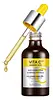
This brightening ampoule is formulated around Niacinamide and 3-O-Ethyl Ascorbic Acid to fade the look of dark spots and soften the look of wrinkles.
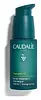
This brightening serum is formulated around Ascorbyl Tetraisopalmitate and Squalane to fade the look of dark spots.


What's inside
What's inside
 Key Ingredients
Benefits
Concerns
Ingredients Side-by-side
Glycyrrhiza Uralensis Root Extract
Skin Conditioning


Hippophae Rhamnoides Water
Masking
Glycerin
Humectant

Methylpropanediol
SolventButylene Glycol
Humectant
Niacinamide
Smoothing







Diethoxyethyl Succinate
Solvent1,2-Hexanediol
Skin Conditioning
Tocopheryl Acetate
Antioxidant

Water
Skin Conditioning3-O-Ethyl Ascorbic Acid
Skin Conditioning
Bifida Ferment Lysate
Skin Conditioning
Tranexamic Acid
Astringent
Sodium Polyacryloyldimethyl Taurate
Emulsion StabilisingChlorella Vulgaris Extract
Skin ConditioningGlucose
Humectant
Caprylic/Capric Triglyceride
Masking
Glycine Soja Oil
Emollient





Fructooligosaccharides
Humectant
Fructose
Humectant
Arbutin
Antioxidant
Hydrogenated Lecithin
Emulsifying
Panthenol
Skin Conditioning
Citrus Aurantium Dulcis Peel Oil
Masking
Xanthan Gum
EmulsifyingAdenosine
Skin Conditioning
Ethylhexylglycerin
Skin ConditioningCitric Acid
Buffering
Polyquaternium-51
Skin Conditioning
Ceramide NP
Skin Conditioning
Citrus Grandis Peel Oil
Masking


Sodium Phytate
ChelatingEucalyptus Globulus Leaf Oil
Perfuming
Lavandula Angustifolia Oil
Masking
Sodium Citrate
BufferingDaucus Carota Sativa Root Extract
Skin Conditioning
Beta-Carotene
Skin ConditioningTocopherol
Antioxidant
Hydrolyzed Collagen
Emollient
Allantoin
Skin Conditioning
Glyceryl Glucoside
Humectant
Dipropylene Glycol
HumectantPalmitoyl Tripeptide-5
Skin Conditioning
Caprylyl Glycol
Emollient
Ascorbic Acid
Antioxidant
Hyaluronic Acid
Humectant
Acetyl Hexapeptide-8
Humectant
Pentylene Glycol
Skin Conditioning
Pvp
Emulsion StabilisingLaurdimonium Hydroxypropyl Hydrolyzed Wheat Protein
Hydrolyzed Hyaluronic Acid
Humectant
Sodium Hyaluronate
Humectant
Phytosterols
Skin Conditioning
Ascorbyl Glucoside
Antioxidant
Fullerenes
AntimicrobialLimonene
Perfuming
Linalool
Perfuming
Glycyrrhiza Uralensis Root Extract, Hippophae Rhamnoides Water, Glycerin, Methylpropanediol, Butylene Glycol, Niacinamide, Diethoxyethyl Succinate, 1,2-Hexanediol, Tocopheryl Acetate, Water, 3-O-Ethyl Ascorbic Acid, Bifida Ferment Lysate, Tranexamic Acid, Sodium Polyacryloyldimethyl Taurate, Chlorella Vulgaris Extract, Glucose, Caprylic/Capric Triglyceride, Glycine Soja Oil, Fructooligosaccharides, Fructose, Arbutin, Hydrogenated Lecithin, Panthenol, Citrus Aurantium Dulcis Peel Oil, Xanthan Gum, Adenosine, Ethylhexylglycerin, Citric Acid, Polyquaternium-51, Ceramide NP, Citrus Grandis Peel Oil, Sodium Phytate, Eucalyptus Globulus Leaf Oil, Lavandula Angustifolia Oil, Sodium Citrate, Daucus Carota Sativa Root Extract, Beta-Carotene, Tocopherol, Hydrolyzed Collagen, Allantoin, Glyceryl Glucoside, Dipropylene Glycol, Palmitoyl Tripeptide-5, Caprylyl Glycol, Ascorbic Acid, Hyaluronic Acid, Acetyl Hexapeptide-8, Pentylene Glycol, Pvp, Laurdimonium Hydroxypropyl Hydrolyzed Wheat Protein, Hydrolyzed Hyaluronic Acid, Sodium Hyaluronate, Phytosterols, Ascorbyl Glucoside, Fullerenes, Limonene, Linalool
Water
Skin ConditioningSqualane
Emollient
Butylene Glycol
Humectant
Palmitoyl Grape Seed Extract
Skin ConditioningGlycerin
Humectant
C14-22 Alcohols
Emulsion Stabilising
Ascorbyl Tetraisopalmitate
Antioxidant
Ethylhexylglycerin
Skin ConditioningPolyacrylate Crosspolymer-6
Emulsion StabilisingGlyceryl Stearate Se
Emulsifying
Phenylpropanol
Masking
C12-20 Alkyl Glucoside
EmulsifyingHydrolyzed Hyaluronic Acid
Humectant
Propanediol
Solvent
Tocopherol
Antioxidant
Caprylyl Glycol
Emollient
Helianthus Annuus Seed Oil
Emollient
Acacia Senegal Gum
MaskingXanthan Gum
EmulsifyingPicea Abies Wood Extract
Sodium Phytate
ChelatingCitric Acid
Buffering
Water, Squalane, Butylene Glycol, Palmitoyl Grape Seed Extract, Glycerin, C14-22 Alcohols, Ascorbyl Tetraisopalmitate, Ethylhexylglycerin, Polyacrylate Crosspolymer-6, Glyceryl Stearate Se, Phenylpropanol, C12-20 Alkyl Glucoside, Hydrolyzed Hyaluronic Acid, Propanediol, Tocopherol, Caprylyl Glycol, Helianthus Annuus Seed Oil, Acacia Senegal Gum, Xanthan Gum, Picea Abies Wood Extract, Sodium Phytate, Citric Acid
Reviews
Ingredients Explained
These ingredients are found in both products.
Ingredients higher up in an ingredient list are typically present in a larger amount.
Butylene Glycol (or BG) is used within cosmetic products for a few different reasons:
Overall, Butylene Glycol is a safe and well-rounded ingredient that works well with other ingredients.
Though this ingredient works well with most skin types, some people with sensitive skin may experience a reaction such as allergic rashes, closed comedones, or itchiness.
Learn more about Butylene GlycolCaprylyl Glycol is a humectant, skin conditioner, emollient, and preservative booster derived from either caprylic acid or synthetically created.
Typical use levels vary from 0.3-1% as a preservative booster and go up to 2% to condition skin.
Because it is not a free-fatty acid, this ingredient is fungal acne safe (there's nothing for Malassezia to feed on).
Learn more about Caprylyl GlycolCitric Acid is an alpha hydroxy acid (AHA) naturally found in citrus fruits like oranges, lemons, and limes.
Like other AHAs, citric acid can exfoliate skin by breaking down the bonds that hold dead skin cells together. This helps reveal smoother and brighter skin underneath.
However, this exfoliating effect only happens at high concentrations (20%) which can be hard to find in cosmetic products.
Due to this, citric acid is usually included in small amounts as a pH adjuster. This helps keep products slightly more acidic and compatible with skin's natural pH.
In skincare formulas, citric acid can:
While it can provide some skin benefits, research shows lactic acid and glycolic acid are generally more effective and less irritating exfoliants.
Most citric acid used in skincare today is made by fermenting sugars (usually from molasses). This synthetic version is identical to the natural citrus form but easier to stabilize and use in formulations.
Rosacea skin has a lower threshold for acids generally, with 62.5% of rosacea subjects in one study reacting to lactic acid in a sting test. This is why we mark citric acid as a potential rosacea trigger.
However, this ingredient shows up as a pH adjuster or chelator at roughly 0.1-1% in many products. These low levels are unlikely to be an issue for rosacea skin and becomes a potential trigger at exfoliating concentrations (20%). Because everybody's skin is unique, we recommend a patch test if you are unsure.
Learn more about Citric AcidEthylhexylglycerin is created from glycerin. It is a multitasker ingredient that:
The CIR Expert Panel found minimal skin absorption or sensitization of any kind in a safety assessment. Though this ingredient is considered well-tolerated, a small number of cases of allergic dermatitis have been published since 2002. Just be sure to patch test if you are unsure.
Industry-reported use ranges from 8% in rinse-off products and 2% in leave-on formulations.
Learn more about EthylhexylglycerinGlycerin (or glycerol) is a compound naturally found in your skin. It's a powerhouse humectant that pulls water into the stratum corneum.
Topically, glycerin does several things at once:
Your skin makes glycerin on its own (mostly from sebaceous oil breakdown) and shuttles it to your outermost layer of skin, or your epidermis, via aquaporin-3.
Aquaporin-3 is a transporter that is essential for normal skin hydration, elasticity, and repair. Interestingly, mice lacking in AQP3 have dry and less elastic skin that can be fully corrected with glycerin.
This ingredient is non-irritating, plays well with almost every ingredient, and works across all skin types. Typical use is anywhere between 3-10% but can go up to 79% in some leave-on products.
Just know very high concentrations (>40%) can feel tacky in low humidity.
Glycerin is the name for this ingredient in American English. British English uses Glycerol/Glycerine.
Learn more about GlycerinHydrolyzed Hyaluronic Acid is hyaluronic acid (HA) that is broken down into lower molecular weight fragments.
It's a humectant that pulls and holds water in the skin to help with hydration, plumpness, and reduce transepidermal water loss.
Because hydrolyzed hyaluronic acid is smaller in size, it can slip past your outermost layer of skin more easily than full-sized HA.
Most formulations will combine all sizes to get the best of both worlds.
Typical usage levels range from 0.01-1%. Any percentage higher than 2% might become goopy and tacky.
Learn more about Hydrolyzed Hyaluronic AcidSodium Phytate is the sodium salt of Phytic acid, a compound that plants store phosphorus in. It's the plant-derived alternative to ingredients like Disodium EDTA.
In skincare, this ingredient is a chelator that grabs onto trace metal ions like iron and copper that sneak into formulas through water/raw materials.
Those metals speed up oxidation so binding them keeps oils, fragrance, and actives from going off, stops color changes, and helps the preservative system work harder.
Survey data shows usage levels range from 0.0099%-0.5% in leave-on products, 0.025%-0.3% in rinse-off, and up to 0.05% in eye-area products. Suppliers typically recommend a range between 0.05-0.5%.
Learn more about Sodium PhytateTocopherol is a fat-soluble antioxidant known as Vitamin E.
You'll find this ingredient in the vast majority of skincare (for good reason). It works to neutralize free radicals, or unstable molecules generated by UV exposure, pollution, and other environmental stressors, before they can cause oxidative damage to your skin cells.
Topically applied tocopherol has been shown to protect against UV damage by ramping up the skin's own natural defense enzymes.
It also acts as a skin conditioning agent; some studies show that regular topical use can improve the skin's water-binding capacity over 2-4 weeks.
This ingredient is especially loved for being a team player. When combined with Vitamin C, the photoprotective effect of both ingredients roughly doubles and the combo also helps reduce UV-induced DNA damage.
This ingredient has some brightening potential but it's more of a prevention ingredient than spot-fader. Cell studies show it can slow down melanin production but it's worth noting that it's not the most powerful brightener out there.
In formulations, it also serves as a stabilizer that helps protect other oxidation-prone ingredients from degrading.
Concentrations usually range from 0.1-1% in most leave-on products.
Learn more about TocopherolWater. It's the most common cosmetic ingredient of all. You'll usually see it at the top of ingredient lists, meaning that it makes up the largest part of the product.
So why is it so popular? Water most often acts as a solvent - this means that it helps dissolve other ingredients into the formulation.
You'll also recognize water as that liquid we all need to stay alive. If you see this, drink a glass of water. Remember to stay hydrated!
Learn more about WaterXanthan gum is used as a stabilizer and thickener within cosmetic products. It helps give products a sticky, thick feeling - preventing them from being too runny.
On the technical side of things, xanthan gum is a polysaccharide - a combination consisting of multiple sugar molecules bonded together.
Xanthan gum is a pretty common and great ingredient. It is a natural, non-toxic, non-irritating ingredient that is also commonly used in food products.
Learn more about Xanthan Gum

