
What's inside
What's inside
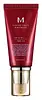 Key Ingredients
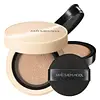
Benefits
Concerns
Ingredients Side-by-side
Water
Skin ConditioningCyclomethicone
Emollient
Ethylhexyl Methoxycinnamate
UV Absorber


Zinc Oxide
Cosmetic Colorant
Propylene Glycol
Humectant


Titanium Dioxide
Cosmetic Colorant
Caprylic/Capric Triglyceride
Masking

PEG-10 Dimethicone
Skin Conditioning
Cetyl PEG/PPG-10/1 Dimethicone
Emulsifying
Arbutin
Antioxidant




Paraffinum Liquidum
Emollient

Glycerin
Humectant
CI 77492
Cosmetic ColorantPolyethylene
Abrasive
Talc
Abrasive
Phenyl Trimethicone
Skin Conditioning
Beeswax
Emulsion Stabilising

Sodium Chloride
MaskingCI 77491
Cosmetic ColorantCI 77499
Cosmetic ColorantMethylparaben
Preservative

Dimethicone
Emollient
Propylparaben
Preservative
Rosa Canina Fruit Oil
Emollient
Simmondsia Chinensis Seed Oil
Emollient
Squalane
Emollient
Hydrolyzed Collagen
Emollient
Macadamia Ternifolia Seed Oil
Emollient
Disodium EDTA
Adenosine
Skin Conditioning
Algae Extract
EmollientRosmarinus Officinalis Leaf Extract
AntimicrobialChamomilla Recutita Flower Extract
Masking
Sodium Hyaluronate
Humectant
Fagus Sylvatica Bud Extract
TonicCeramide NP
Skin Conditioning
Parfum
Masking

Hydroxyisohexyl 3-Cyclohexene Carboxaldehyde
Masking
Butylphenyl Methylpropional
Perfuming
Benzyl Salicylate
Perfuming
Hydroxycitronellal
Perfuming
Alpha-Isomethyl Ionone
Perfuming
Hexyl Cinnamal
Perfuming
Linalool
Perfuming
Citronellol
Perfuming
Water, Cyclomethicone, Ethylhexyl Methoxycinnamate, Zinc Oxide, Propylene Glycol, Titanium Dioxide, Caprylic/Capric Triglyceride, PEG-10 Dimethicone, Cetyl PEG/PPG-10/1 Dimethicone, Arbutin, Paraffinum Liquidum, Glycerin, CI 77492, Polyethylene, Talc, Phenyl Trimethicone, Beeswax, Sodium Chloride, CI 77491, CI 77499, Methylparaben, Dimethicone, Propylparaben, Rosa Canina Fruit Oil, Simmondsia Chinensis Seed Oil, Squalane, Hydrolyzed Collagen, Macadamia Ternifolia Seed Oil, Disodium EDTA, Adenosine, Algae Extract, Rosmarinus Officinalis Leaf Extract, Chamomilla Recutita Flower Extract, Sodium Hyaluronate, Fagus Sylvatica Bud Extract, Ceramide NP, Parfum, Hydroxyisohexyl 3-Cyclohexene Carboxaldehyde, Butylphenyl Methylpropional, Benzyl Salicylate, Hydroxycitronellal, Alpha-Isomethyl Ionone, Hexyl Cinnamal, Linalool, Citronellol
Water
Skin ConditioningCI 77891
Cosmetic ColorantCyclopentasiloxane
Emollient
Ethylhexyl Methoxycinnamate
UV Absorber
Ethylhexyl Salicylate
UV Absorber
Propanediol
Solvent
Lauryl PEG-10 Tris(Trimethylsiloxy)Silylethyl Dimethicone
Emulsifying
Trimethylsiloxysilicate
Emollient
Cetyl Ethylhexanoate
EmollientNiacinamide
Smoothing



Isododecane
Emollient1,2-Hexanediol
Skin Conditioning
Methyl Trimethicone
Skin Conditioning
CI 77492
Cosmetic ColorantAcrylates/Dimethicone Copolymer
Skin Conditioning
PEG-10 Dimethicone
Skin Conditioning
Disteardimonium Hectorite
StabilisingSilica
Abrasive
Polyglyceryl-3 Polydimethylsiloxyethyl Dimethicone
Skin Conditioning
Magnesium Sulfate
Mica
Cosmetic ColorantAluminum Hydroxide
EmollientTriethoxycaprylylsilane
CI 77491
Cosmetic ColorantCetearyl Dimethicone/Vinyl Dimethicone Crosspolymer
Emollient
Stearic Acid
Cleansing
Alumina
Abrasive
CI 77499
Cosmetic ColorantOctyldodecanol
Emollient
Polyhydroxystearic Acid
Emulsifying
PEG-9 Polydimethylsiloxyethyl Dimethicone
Emulsifying
Parfum
Masking
Adenosine
Skin Conditioning
Trisodium Ethylenediamine Disuccinate
Neopentyl Glycol Diethylhexanoate
Emollient
Polypropylsilsesquioxane
Dimethicone
Emollient
Polyglyceryl-4 Isostearate
Emulsifying
Isopropyl Titanium Triisostearate
Emollient
Tocopherol
Antioxidant
Glycerin
Humectant
Hydrolyzed Sodium Hyaluronate
Skin Conditioning
Caprylic/Capric Triglyceride
Masking
Hydrogenated Lecithin
Emulsifying
Ceramide NP
Skin Conditioning
Sodium Stearoyl Glutamate
CleansingWater, CI 77891, Cyclopentasiloxane, Ethylhexyl Methoxycinnamate, Ethylhexyl Salicylate, Propanediol, Lauryl PEG-10 Tris(Trimethylsiloxy)Silylethyl Dimethicone, Trimethylsiloxysilicate, Cetyl Ethylhexanoate, Niacinamide, Isododecane, 1,2-Hexanediol, Methyl Trimethicone, CI 77492, Acrylates/Dimethicone Copolymer, PEG-10 Dimethicone, Disteardimonium Hectorite, Silica, Polyglyceryl-3 Polydimethylsiloxyethyl Dimethicone, Magnesium Sulfate, Mica, Aluminum Hydroxide, Triethoxycaprylylsilane, CI 77491, Cetearyl Dimethicone/Vinyl Dimethicone Crosspolymer, Stearic Acid, Alumina, CI 77499, Octyldodecanol, Polyhydroxystearic Acid, PEG-9 Polydimethylsiloxyethyl Dimethicone, Parfum, Adenosine, Trisodium Ethylenediamine Disuccinate, Neopentyl Glycol Diethylhexanoate, Polypropylsilsesquioxane, Dimethicone, Polyglyceryl-4 Isostearate, Isopropyl Titanium Triisostearate, Tocopherol, Glycerin, Hydrolyzed Sodium Hyaluronate, Caprylic/Capric Triglyceride, Hydrogenated Lecithin, Ceramide NP, Sodium Stearoyl Glutamate
Reviews
Ingredients Explained
These ingredients are found in both products.
Ingredients higher up in an ingredient list are typically present in a larger amount.
Adenosine is in every living organism. It is one of four components in nucleic acids that helps store our DNA.
Adenosine has many benefits when used. These benefits include hydrating the skin, smoothing skin, and reducing wrinkles. Once applied, adenosine increases collagen production. It also helps with improving firmness and tissue repair.
Studies have found adenosine may also help with wound healing.
In skincare products, Adenosine is usually derived from yeast.
Learn more about AdenosineCaprylic/Capric Triglyceride (aka MCT Oil) is a lightweight emollient, solvent, and texture enhancer. It is considered a skin-softener by helping to prevent moisture loss.
Though it behaves like an oil, it is not technically one due to its chemical composition. One perk of this ingredient is that it is very stable, resistant to oxidation, and unlikely to go rancid.
In practice, that translates to a long shelf life and a consistently elegant skin feel.
While there is an assumption Caprylic Triglyceride can clog pores due to it being derived from coconut oil, there is no research supporting this. Just patch test if you have concerns.
Fractionated coconut oil and MCT Oil are both listed as Caprylic/Capric Triglyceride according to INCI. This is because INCI names are based on the ingredient’s final chemical composition and not its marketing name or source.
This ingredient is treated as the gold standard fungal acne safe oil. Even though it is coconut derived, the problematic lauric acid is stripped out.
This leaves just caprylic (C8) and capric (C10) acid. These chain lengths actually trend antifungal; a 2020 study found caprylic acid was enough to disrupt Malassezia furfur cell membrane, with a caprylic acid derivative damaging membrane structures at concentrations as low as 0.2%.
Learn more about Caprylic/Capric TriglycerideCeramide NP (formerly known as Ceramide 3) is one of the skin's naturally occurring lipids.
Since ceramides are the major lipid components of the skin, they are crucial for maintaining skin barrier and hydration. Ceramide NP most closely mirrors the dominant kind in human skin amongst ceramide subtypes.
This ceramide works by slotting into gaps within the stratum corneum's lipid matrix to limit trans-epidermal water loss (TEWL) and shield the skin against external irritants.
A study with 312 patients found that using a ceramide-containing routine for 4 weeks reduced the severity of atopic dermatitis by over 61%.
Another clinical study in subjects aged 60 and older found that a ceramide body wash and moisturizer improved skin dryness and itchy skin in 15 days.
Overall, ceramides are considered non-irritating and safety tests have found little to no observable adverse effects from using this ingredient.
Ceramide NP is usually sourced from plants (like soybean or rice bran), or produced synthetically.
Learn more about Ceramide NPCi 77491 is also hydrated iron III oxide. It's sole purpose is to give a red/pink hue to products.
Iron III oxides are classified as inorganic chemicals for coloring.
Synthetically created Ci 77491 is considered safer than those naturally found. This is because the synthetically created version may contain less impurities. Iron oxides are generally non-toxic and non-allergenic.
Learn more about CI 77491CI 77492 is also hydrated iron III oxide. It's sole purpose is to give a yellow hue to products.
Iron III oxides are classified as inorganic chemicals for coloring.
Synthetically created CI 77492 is considered safer than those naturally found. This is because the synthetically created version may contain less impurities. Iron oxides are generally non-toxic and non-allergenic.
Learn more about CI 77492Ci 77499 is also hydrated iron III oxide. It is created from mixing red and black iron oxides. This helps give shades of darkness to a product.
Iron III oxides are classified as inorganic chemicals for coloring.
Dimethicone is a type of synthetic silicone created from natural materials such as quartz. It is also known as polydimethylsiloxane.
What it does:
Dimethicone comes in different viscosities:
Depending on the viscosity, dimethicone has different properties.
Ingredients lists don't always show which type is used, so we recommend reaching out to the brand if you have questions about the viscosity.
This ingredient is unlikely to cause irritation because it does not get absorbed into skin. However, people with silicone allergies should be careful about using this ingredient.
Note: Dimethicone may contribute to pilling. This is because it is not oil or water soluble, so pilling may occur when layered with products. When mixed with heavy oils in a formula, the outcome is also quite greasy.
Learn more about DimethiconeThis ingredient is also known as Octinoxate and is one of the oldest and most widely used chemical UV filters in skincare.
It has a simple job: soap up UVB radiation (290-320 nm), the wavelengths responsible for sunburn and a big chunk of long-term sun damage.
In formulas, it's always paired with a separate UVA filter because octinoxate solely protects skin from UVB.
Because it's an oil-soluble liquid, it's easy to blend into the oil phase of lotions/creams and gives a cosmetically elegant feel.
The one quirk about formulating this ingredient is photostability; the molecule slowly changes shape into a less effective version when sunlight hits it. So the longer you're in the sun, the weaker its protection gets. The drop can be more than 30% in some formulas.
It also doesn't play nice with Avobenzone (the common UVA filter) since avobenzone destabilizes octinoxate and the two degrade each other. But don't worry: brands have solved this issue by adding photostabilizers like Tinosorb S to prevent degradation and keep SPF stable under heavy UV exposure.
The maximum allowed level is 10% in the EU and Australia, 7.5% in the US and Canada, and 20% in Japan.
The Cosmetic Ingredient Review Panel has concluded this ingredient to be safe in cosmetics up to 10%.
One last thing worth knowing for context:
Octinoxate has been the subject of ongoing review in Europe where the Scientific Committee on Consumer Safety's (SCCS) 2025 final opinion is that this ingredient is an endocrine-active substance.
Lab and animal studies suggest it can act a bit like a hormone in the body (mildly mimicking estrogen and slightly blocking male hormones). It's important to know this hasn't really been shown to happen in everyday human use.
This ingredient is also banned in Hawaii over coral reef concerns.
Learn more about Ethylhexyl MethoxycinnamateGlycerin (or glycerol) is a compound naturally found in your skin. It's a powerhouse humectant that pulls water into the stratum corneum.
Topically, glycerin does several things at once:
Your skin makes glycerin on its own (mostly from sebaceous oil breakdown) and shuttles it to your outermost layer of skin, or your epidermis, via aquaporin-3.
Aquaporin-3 is a transporter that is essential for normal skin hydration, elasticity, and repair. Interestingly, mice lacking in AQP3 have dry and less elastic skin that can be fully corrected with glycerin.
This ingredient is non-irritating, plays well with almost every ingredient, and works across all skin types. Typical use is anywhere between 3-10% but can go up to 79% in some leave-on products.
Just know very high concentrations (>40%) can feel tacky in low humidity.
Glycerin is the name for this ingredient in American English. British English uses Glycerol/Glycerine.
Learn more about GlycerinParfum is a catch-all term for an ingredient or more that is used to give a scent to products.
Also called "fragrance", this ingredient can be a blend of hundreds of chemicals or plant oils. This means every product with "fragrance" or "parfum" in the ingredients list is a different mixture.
For instance, Habanolide is a proprietary trade name for a specific aroma chemical. When used as a fragrance ingredient in cosmetics, most aroma chemicals fall under the broad labeling category of “FRAGRANCE” or “PARFUM” according to EU and US regulations.
The term 'parfum' or 'fragrance' is not regulated in many countries. In many cases, it is up to the brand to define this term.
For instance, many brands choose to label themselves as "fragrance-free" because they are not using synthetic fragrances. However, their products may still contain ingredients such as essential oils that are considered a fragrance by INCI standards.
One example is Calendula flower extract. Calendula is an essential oil that still imparts a scent or 'fragrance'.
Depending on the blend, the ingredients in the mixture can cause allergies and sensitivities on the skin. Some ingredients that are known EU allergens include linalool and citronellol.
Parfum can also be used to mask or cover an unpleasant scent.
The bottom line is: not all fragrances/parfum/ingredients are created equally. If you are worried about fragrances, we recommend taking a closer look at an ingredient. And of course, we always recommend speaking with a professional.
Learn more about ParfumPeg-10 Dimethicone is silicone with conditioner and emulsifier properties. It mostly acts as an emollient in skincare and and humectant in haircare.
According to the manufacturer, acidic formulations decrease the stability of this ingredient. It works best in neutral or near neutral formulations.
Water. It's the most common cosmetic ingredient of all. You'll usually see it at the top of ingredient lists, meaning that it makes up the largest part of the product.
So why is it so popular? Water most often acts as a solvent - this means that it helps dissolve other ingredients into the formulation.
You'll also recognize water as that liquid we all need to stay alive. If you see this, drink a glass of water. Remember to stay hydrated!
Learn more about Water
